
Filter
1536
Text search:
Disaster
Preparedness
Featured
158
471
Language
Document type
814
214
152
134
118
41
24
16
14
6
2
1
Countries
100
77
59
45
43
37
36
35
30
27
22
20
20
16
16
15
15
14
14
14
12
12
11
11
10
10
9
8
8
8
8
7
7
7
7
7
6
5
5
5
5
5
5
5
5
4
4
4
4
4
4
4
3
3
3
3
3
3
3
3
3
3
3
3
3
2
2
2
2
2
2
2
2
2
2
2
2
2
2
2
1
1
1
1
1
1
1
1
1
1
1
1
1
1
1
1
1
1
1
1
1
1
1
1
1
1
1
Authors & Publishers
Publication Years
Category
549
321
75
40
31
29
6
Toolboxes
146
142
134
93
79
78
73
65
63
38
34
28
25
20
14
10
9
7
7
6
6
5
5
2
1
1
1
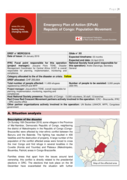
On Sunday 16th December 2018, some villages in the Province of Mai-Nambiar, Democratic Republic of Congo, neighboring the district of Makotimpoko in the Republic of Congo (CongoBrazzaville) were affected by inter-ethnic conflict between the Banunu and the Batende. The fighting has resulted in 400 fa
...

Данное руководство представляет собой попытку объединения проверенных универсальных подходов к оказанию психологической и психиатрической помощи в чрезвычаÐ
...
BJPSYCH INTERNATIONALVOLUME 12NUMBER 4NOVEMBER 2015
COVID-19: Tools for Social and Behavior Change
Page en français Social and behavior change (SBC) professionals are well positioned to address COVID-19 interventions. We offer two Trending Topics – This one, with Tools for SBC Professionals and another with Materials and Resources for the Publi
...
Issue #6| 23 March– 05 April 2020
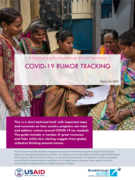
This is a short technical brief with important steps and resources on how country programs can track and address rumors around COVID-19 (as needed). The guide includes a number of great resources and links while also sharing nuggets from global, collective thinking around rumors.
Response strategy for South Sudan to Covid-19 pandemic
ACT Alliance appeal: Global Response to the COVID-19 Pandemic – ACT201 - Sub-Appeal - ACT 201-BGD -
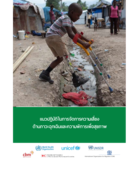
แนวปฏิบัติในการจัดการความเสี่ยง ดานภาวะฉุกเฉินและความพิการเพื่อสุขภาพ
This document is aimed at national authorities responsible for the organisation of tsunami warning and emergency response. It clarifies the status of the regional tsunami services for the Indian Ocean and suggests best practices for national and local actions during the COVID-19 pandemic.

The framework responds to the demand from Member States and partners for guidance on how the health sector and its operational basis in health systems can systematically and effectively address the challenges increasingly presented by climate variability and change. This framework has been designed
...
Interim guidance2 November 2020
This interim guidance, originally entitled “Harmonized health service capacity assessments in the context of the COVID-19 pandemic”, is an update to the earlier version published on 31 May 2020 as “Harmonized modules for health
...
Nat Med (2021). https://doi.org/10.1038/s41591-021-01381-y
A Technical Brief for Breakthrough ACTION Field Teams
