
Filter
569
Text search:
health
assets
Featured
Recommendations
39
New Publications
182
Language
Document type
No document type
344
Studies & Reports
113
Guidelines
39
Strategic & Response Plan
37
Manuals
21
Fact sheets
6
Training Material
4
Situation Updates
3
Resource Platforms
1
Infographics
1
Countries / Regions
Global
35
India
23
Kenya
20
Syria
18
Myanmar / Burma
16
Sierra Leone
15
Liberia
14
Nepal
13
Malawi
13
Nigeria
10
South Sudan
10
South Africa
10
Uganda
9
Africa
9
Congo, Democratic Republic of
8
Philippines
8
Tanzania
8
Yemen
8
Western and Central Europe
8
Pakistan
7
Indonesia
7
Guinea
6
Ethiopia
6
Bangladesh
6
Namibia
6
Ukraine
6
Venezuela
6
Zimbabwe
5
Afghanistan
5
Lebanon
5
Cambodia
5
Rwanda
5
Cameroon
4
Ghana
4
Haiti
4
Zambia
4
South–East Asia Region
4
Asia
4
Senegal
3
Thailand
3
Brazil
3
Botswana
3
Jordan
2
China
2
Mozambique
2
Sudan
2
Eswatini/ Swaziland
2
Lesotho
2
Latin America and the Carribbean
2
Palestine
2
Tajikistan
2
Iran
2
Iraq
1
Turkey
1
Chad
1
Singapore
1
Benin
1
Central African Republic
1
North Macedonia
1
Croatia
1
Colombia
1
Libya
1
Madagascar
1
Sri Lanka
1
Other region
1
Fiji
1
Bhutan
1
Eastern Europe
1
Mongolia
1
Canada
1
Estonia
1
Authors & Publishers
Publication Years
Category
Countries
233
Key Resources
79
Public Health
22
Women & Child Health
21
Clinical Guidelines
12
Capacity Building
8
Toolboxes
COVID-19
56
Conflict
44
Planetary Health
33
Natural Hazards
32
Disability
24
Mental Health
22
HIV
20
Ebola & Marburg
18
Global Health Education
18
Health Financing Toolbox
16
Refugee
14
Rapid Response
10
Caregiver
9
TB
8
2.0 Rapid Response
8
Polio
7
Pharmacy
7
Social Ethics
6
Specific Hazards
5
AMR
4
NCDs
4
Typhoon
3
Zika
3
Cholera
2
NTDs
2
This publication includes quotes from various respondents interviewed in Tripoli, Akkar and Beirut. We focused on three main questions: How are the relations between refugees and Lebanese? How are refugees faring in the job market? Which concrete initiatives have already demonstrated positive impact
...
The aim of this guidance manual is to introduce the user to project/programme plan- ning in a Red Cross Red Crescent environment. It describes the different stages of the planning phase of the “project/programme cycle” within the context of Results-Based Management (RBM). It also gives an overvi
...
With eleven years left to achieve the ambitious goals of the 2030 Agenda, how close are OECD countries to reaching the SDGs? And how is our understanding constrained by targets and indicators that still cannot be measured? The OECD Measuring Distance to the SDG Targets Study aims to help member coun
...
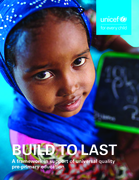
Today, the world is facing a learning crisis: While millions of children have entered education systems for the first time, many of them cannot read, write or do basic mathematics, even after several years of primary school.1 This global learning crisis has its roots in children’s earliest years,
...

In the present report, the Special Rapporteur on the sale and sexual exploitation of children, including child prostitution, child pornography and other child sexual abuse material, Mama Fatima Singhateh, focuses on the impact of the coronavirus disease (COVID-19) p
...

The Investment guidelines for youth in agrifood systems in Africa, developed jointly by FAO and the African Union Commission (AUC) through a multi-stakeholder and participatory process, highlight the importance of youth as change agents and key stakeholders contributing to sustainable agrifood syste
...
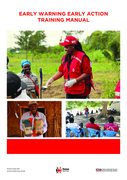
Climate information is critical towards strengthening the decision making among different users interested in mitigating impacts of climate related disasters. However, there is need for the climate users to have basic knowledge on weather and climate concepts and to a larger extend, early warning ea
...
Internal displacement at all-time high after unprecedented year of crises
The total number of people living in internal displacement reached a record 55 million by the end of 2020. During a year marked by intense storms and persistent conflict, 40.5 million new displacements were triggered across
...
This Technical Brief focuses on appraising and prioritising options for climate resilience with a view to informing water, sanitation and hygiene (WASH) programme and project design.
This Technical Brief:
- provides a simple scorecard/checklist approach to use as a starting point for appr ...
This Technical Brief:
- provides a simple scorecard/checklist approach to use as a starting point for appr ...

This second edition of the “living paper” contributes to the global knowledge on how countries are responding to the pandemic by documenting real-time actions in a key area of response – that is, social protection measures planned or implemented by governments.
For the purpose of this revie
...
Full Report.
In response to a call by the United Nations Secretary-General and the Governments of Guinea, Liberia and Sierra Leone, an international team conducted an Ebola Recovery Assessment. The aim was to contribute towards laying the foundation for short-, medium- and long-term recovery while
...
