
Filter
4401
Text search:
Country
Strategic
Plan
Featured
336
1387
Language
4315
93
68
51
37
25
20
8
4
3
3
3
2
2
2
2
2
1
1
1
1
1
1
1
1
1
1
1
1
1
1
1
1
Document type
2368
805
460
341
259
57
49
46
4
4
4
3
Countries
225
171
121
120
119
116
114
114
98
96
94
92
85
76
74
72
68
67
66
63
62
56
46
40
39
37
37
35
35
33
32
32
32
31
30
28
26
26
26
24
23
22
20
19
19
18
17
16
16
15
13
12
12
12
12
11
10
10
9
9
9
8
8
8
8
7
7
7
7
6
6
6
6
6
6
6
6
6
5
5
5
4
4
4
4
4
4
3
3
3
3
3
3
3
3
3
3
3
3
3
2
2
2
2
2
2
2
2
2
2
2
2
1
1
1
1
1
1
1
1
1
1
1
1
1
1
1
1
1
1
1
1
1
1
1
1
1
1
1
1
1
1
1
1
1
1
Authors & Publishers
607
156
138
135
133
94
86
79
41
37
34
33
32
29
25
24
23
23
22
21
20
20
20
19
18
18
17
17
16
16
16
16
16
15
15
15
15
15
14
14
14
14
14
13
13
13
13
13
12
12
12
12
12
12
12
11
11
11
11
10
10
10
10
9
9
9
9
9
9
8
8
8
8
8
8
8
8
8
7
7
7
7
7
7
7
7
7
7
7
7
6
6
6
6
6
6
6
6
6
6
6
6
6
6
6
6
6
6
5
5
5
5
5
5
5
5
5
5
5
5
5
5
5
5
5
5
5
5
5
5
5
5
5
5
5
5
4
4
4
4
4
4
4
4
4
4
4
4
4
4
4
4
4
4
4
4
4
4
4
4
4
4
4
4
4
4
4
4
4
4
4
4
4
4
4
4
4
4
4
4
4
4
4
4
4
4
4
4
3
3
3
3
3
3
3
3
3
3
3
3
3
3
3
3
3
3
3
3
3
3
3
3
3
3
3
3
3
3
3
3
3
3
3
3
3
3
3
3
3
3
3
3
3
3
3
3
3
3
3
3
3
3
3
3
3
3
3
3
3
3
3
3
3
3
3
3
3
3
3
3
3
3
3
3
3
3
3
3
3
3
3
3
3
3
3
2
2
2
2
2
2
2
2
2
2
2
2
2
2
2
2
2
2
2
2
2
2
2
2
2
2
2
2
2
2
2
2
2
2
2
2
2
2
2
2
2
2
2
2
2
2
2
2
2
2
2
2
2
2
2
2
2
2
2
2
2
2
2
2
2
2
2
2
2
2
2
2
2
2
2
2
2
2
2
2
2
2
2
2
2
2
2
2
2
2
2
2
2
2
2
2
2
2
2
2
2
2
2
2
2
2
2
2
2
2
2
2
2
2
2
2
2
2
2
2
2
2
2
2
2
2
2
2
2
2
2
2
2
2
2
2
2
2
2
2
2
2
2
2
2
2
2
2
2
2
2
2
2
2
2
2
2
2
2
2
2
2
2
2
2
2
2
2
2
2
2
2
2
2
2
2
2
2
2
2
2
2
2
2
2
2
2
2
2
2
2
2
2
2
2
2
2
2
2
2
2
2
2
2
2
2
2
2
2
1
1
1
1
1
1
1
1
1
1
1
1
1
1
1
1
1
1
1
1
1
1
1
1
1
1
1
1
1
1
1
1
1
1
1
1
1
1
1
1
1
1
1
1
1
1
1
1
1
1
1
1
1
1
1
1
1
1
1
1
1
1
1
1
1
1
1
1
1
1
1
1
1
1
1
1
1
1
1
1
1
1
1
1
1
1
1
1
1
1
1
1
1
1
1
1
1
1
1
1
1
1
1
1
1
1
1
1
1
1
1
1
1
1
1
1
1
1
1
1
1
1
1
1
1
1
1
1
1
1
1
1
1
1
1
1
1
1
1
1
1
1
1
1
1
1
1
1
1
1
1
1
1
1
1
1
1
1
1
1
1
1
1
1
1
1
1
1
1
1
1
1
1
1
1
1
1
1
1
1
1
1
1
1
1
1
1
1
1
1
1
1
1
1
1
1
1
1
1
1
1
1
1
1
1
1
1
1
1
1
1
1
1
1
1
1
1
1
1
1
1
1
1
1
1
1
1
1
1
1
1
1
1
1
1
1
1
1
1
1
1
1
1
1
1
1
1
1
1
1
1
1
1
1
1
1
1
1
1
1
1
1
1
1
1
1
1
1
1
1
1
1
1
1
1
1
1
1
1
1
1
1
1
1
1
1
1
1
1
1
1
1
1
1
1
1
1
1
1
1
1
1
1
1
1
1
1
1
1
1
1
1
1
1
1
1
1
1
1
1
1
1
1
1
1
1
1
1
1
1
1
1
1
1
1
1
1
1
1
1
1
1
1
1
1
1
1
1
1
1
1
1
1
1
1
1
1
1
1
1
1
1
1
1
1
1
1
1
1
1
1
1
1
1
1
1
1
1
1
1
1
1
1
1
1
1
1
1
1
1
1
1
1
1
1
1
1
1
1
1
1
1
1
1
1
1
1
1
1
1
1
1
1
1
1
1
1
1
1
1
1
1
1
1
1
1
1
1
1
1
1
1
1
1
1
1
1
1
1
1
1
1
1
1
1
1
1
1
1
1
1
1
1
1
1
1
1
1
1
1
1
1
1
1
1
1
1
1
1
1
1
1
1
1
1
1
1
1
1
1
1
1
1
1
1
1
1
1
1
1
1
1
1
1
1
1
1
1
1
1
1
1
1
1
1
1
1
1
1
1
1
1
1
1
1
1
1
1
1
1
1
1
1
1
1
1
1
1
1
1
1
1
1
1
1
1
1
1
1
1
1
1
1
1
1
1
1
1
1
1
1
1
1
1
1
1
1
1
1
1
1
1
1
1
1
1
1
1
1
1
1
1
1
1
1
1
1
1
1
1
1
1
1
1
1
1
1
1
1
1
1
1
1
1
1
1
1
1
1
1
1
1
1
1
1
1
1
1
1
1
1
1
1
1
1
1
1
1
1
1
1
1
1
1
1
1
1
1
1
1
1
1
1
1
1
1
1
1
1
1
1
1
1
1
1
1
1
1
1
1
1
1
1
1
1
1
1
1
1
1
1
1
1
1
1
1
1
1
1
1
1
1
1
1
1
1
1
1
1
1
1
1
1
1
1
1
1
1
1
1
1
1
1
1
1
1
1
1
1
1
1
1
1
1
1
1
1
1
1
1
1
1
1
1
1
1
1
1
1
1
1
1
1
1
1
1
1
1
1
1
1
1
1
1
1
1
1
1
1
1
1
1
1
1
1
1
1
1
1
1
1
1
1
1
1
1
1
1
1
1
1
1
1
1
1
1
1
1
1
1
1
1
1
1
1
1
1
1
1
1
1
1
1
1
1
1
1
1
1
1
1
1
1
1
1
1
1
1
1
1
1
1
1
1
1
1
1
1
1
1
1
1
1
1
1
1
1
1
1
1
1
1
1
1
1
1
1
1
1
1
1
1
1
1
1
1
1
1
1
1
1
1
1
1
1
1
1
1
1
1
1
1
1
1
1
1
1
1
1
1
1
1
1
1
1
1
1
1
1
1
1
1
1
1
1
1
1
1
1
1
1
1
1
1
1
1
1
1
1
1
1
1
1
1
1
1
1
1
1
1
1
1
1
1
1
1
1
1
1
1
1
1
1
1
1
1
1
1
1
1
1
1
1
1
1
1
1
1
1
1
1
1
1
1
1
1
1
1
1
1
1
1
1
1
1
1
1
1
1
1
1
1
1
1
1
1
1
1
1
1
1
1
1
1
1
1
1
1
1
1
1
1
1
1
1
1
1
1
1
1
1
1
1
1
1
1
1
1
1
1
1
1
1
1
1
1
1
1
1
1
1
1
1
1
1
1
1
1
1
1
1
1
1
1
1
1
1
1
1
1
1
1
1
1
1
1
1
1
1
1
1
1
1
1
1
1
1
1
1
1
1
1
1
1
1
1
1
1
1
1
1
1
1
1
1
1
1
1
1
1
1
1
1
1
1
1
1
1
1
1
1
1
1
1
1
1
1
1
1
1
1
1
1
1
1
1
1
1
1
1
1
1
1
1
1
1
1
1
1
1
1
1
1
1
1
1
1
1
1
1
1
1
1
1
1
1
1
1
1
1
1
1
1
1
1
1
1
1
1
1
1
1
1
1
1
1
1
1
1
1
1
1
1
1
1
1
1
1
1
1
1
1
1
1
1
1
1
1
1
1
1
1
1
1
1
1
1
1
1
1
1
1
1
1
1
1
1
1
1
1
1
1
1
1
1
1
1
1
1
1
1
1
1
1
1
1
1
1
1
1
1
1
1
1
1
1
1
1
1
1
1
1
1
1
1
1
1
1
1
1
1
1
1
1
1
1
1
1
1
1
1
1
1
1
1
1
1
1
1
1
1
1
1
1
1
1
1
1
1
1
1
1
1
1
1
1
1
1
1
1
1
1
1
1
1
1
1
1
1
1
1
1
1
1
1
1
1
1
1
1
1
1
1
1
1
1
1
1
1
1
1
1
1
1
1
1
1
1
1
1
1
1
1
1
1
1
1
1
1
1
1
1
1
1
1
1
1
1
1
1
1
1
1
1
1
1
1
1
1
1
1
1
1
1
1
1
1
1
1
1
1
1
1
1
1
1
1
1
1
1
1
1
1
1
1
1
1
1
1
1
1
1
1
1
1
1
1
1
1
1
1
1
1
1
1
1
1
1
1
1
1
1
1
1
1
1
1
1
1
1
1
1
1
1
1
1
1
1
1
1
1
1
1
1
1
1
1
1
1
1
1
1
1
1
1
1
1
1
1
1
1
1
1
1
1
1
1
1
1
1
1
1
1
1
1
1
1
1
1
1
1
1
1
1
1
1
1
1
1
1
1
1
1
1
1
1
1
1
1
1
1
1
1
1
1
1
1
1
1
1
1
1
1
1
1
1
1
1
1
1
1
1
1
1
1
1
1
1
1
1
1
1
1
1
1
1
1
1
1
1
1
1
1
1
1
1
1
1
1
1
1
1
1
1
1
1
1
1
1
1
1
1
1
1
1
1
1
1
1
1
1
1
1
1
1
1
1
1
1
1
1
1
1
1
1
1
1
1
1
1
1
1
1
1
1
1
1
1
1
1
1
1
1
1
1
1
1
1
1
1
1
1
1
1
1
1
1
1
1
1
1
1
1
1
1
1
1
1
1
1
1
1
1
1
1
1
1
1
1
1
1
1
1
1
1
1
1
1
1
1
1
1
1
1
1
1
1
1
1
1
1
1
1
1
1
1
1
1
1
1
1
1
1
1
1
1
1
1
1
1
1
1
1
1
1
1
1
1
1
1
1
1
1
1
1
1
1
1
1
1
1
1
1
1
1
1
1
1
1
1
1
1
1
1
1
1
1
1
1
1
1
1
1
1
1
1
1
1
1
1
1
1
1
1
1
1
1
1
1
1
1
1
1
1
1
1
1
1
1
1
1
1
1
1
1
1
1
1
1
1
1
1
1
1
1
1
1
1
1
1
1
1
1
1
1
1
1
1
1
1
1
1
1
1
1
1
1
1
1
1
1
1
1
1
1
1
1
1
1
1
1
1
1
1
1
1
1
1
1
1
1
1
1
1
1
1
1
1
1
1
1
1
1
1
1
1
1
1
1
1
1
1
1
1
1
1
1
1
1
1
1
1
1
1
1
1
1
1
1
1
1
1
1
1
1
1
1
1
1
1
1
1
1
1
1
1
1
1
1
1
1
1
1
1
1
1
1
1
1
1
1
1
1
1
1
1
1
1
1
1
1
1
1
1
1
1
1
1
1
1
1
1
1
1
1
1
1
1
1
1
1
1
1
1
1
1
1
1
1
1
1
1
1
1
1
1
1
1
1
1
1
1
1
1
1
1
1
1
1
1
1
1
1
1
1
1
1
1
1
1
1
1
1
1
1
1
1
1
1
1
1
1
1
1
1
1
1
1
1
1
1
1
1
1
1
1
1
1
1
1
1
1
1
1
1
1
1
1
1
1
1
1
1
1
1
1
1
1
1
1
1
1
1
1
1
1
1
1
1
1
1
1
1
1
1
1
1
1
1
1
1
1
1
1
1
1
1
1
1
1
1
1
1
1
1
1
1
1
1
1
1
1
1
1
1
1
1
1
1
1
1
1
1
1
1
1
1
1
1
1
1
1
1
1
1
1
1
1
1
1
1
1
1
1
1
1
1
1
1
1
1
1
1
1
1
1
1
1
1
1
1
1
1
1
1
1
1
1
1
1
1
1
1
1
1
1
1
1
1
1
1
1
1
1
1
1
1
1
1
1
1
1
1
1
1
1
1
1
1
1
1
1
1
1
1
1
1
1
1
1
1
1
1
1
1
1
1
1
1
1
1
1
1
1
1
1
1
1
1
1
1
1
1
1
1
1
1
1
1
1
1
1
1
1
1
1
1
1
1
1
1
1
1
1
1
1
1
1
1
1
1
1
1
1
1
1
1
1
1
1
1
1
1
1
1
1
1
1
1
1
1
1
1
1
1
1
1
1
1
1
1
1
1
1
1
1
1
1
1
1
1
1
1
1
1
1
1
1
1
1
1
1
1
1
1
1
1
1
1
1
1
1
1
1
1
1
1
1
1
1
1
1
1
1
1
1
1
1
1
1
1
1
1
1
1
1
1
1
1
1
1
1
1
1
1
1
1
1
1
1
1
1
1
1
1
1
1
1
1
1
1
1
1
1
1
1
1
1
1
1
1
1
1
1
1
1
1
1
1
1
1
1
1
1
1
1
1
1
1
1
1
1
1
1
1
1
1
1
1
1
1
1
1
1
1
1
1
1
1
1
1
1
1
1
1
1
1
1
1
1
1
1
1
1
1
1
1
1
1
1
1
1
1
1
1
1
1
1
1
1
1
1
1
1
1
1
1
1
1
1
1
1
1
1
1
1
1
1
1
1
1
1
1
1
1
1
1
1
1
1
1
1
1
1
1
1
1
1
1
1
1
1
1
1
1
1
1
1
1
1
1
1
1
1
1
1
1
1
1
1
1
1
1
1
1
1
1
1
1
1
1
1
1
1
1
1
1
1
1
1
1
1
1
1
1
1
1
1
1
1
1
1
1
1
1
1
1
1
1
1
1
1
1
1
1
1
1
1
1
1
1
1
1
1
1
1
1
1
1
1
1
1
1
1
1
1
1
1
1
1
1
1
1
1
1
1
1
1
1
1
1
1
1
1
1
1
1
1
1
1
1
1
1
1
1
1
1
1
1
1
1
1
1
1
1
1
1
1
1
1
1
1
1
1
1
1
1
1
1
1
1
1
1
1
1
1
1
1
1
1
1
1
1
1
1
1
1
1
1
1
1
1
1
1
1
1
1
1
1
1
1
1
1
1
1
1
1
1
1
1
1
1
1
1
1
1
1
1
1
1
1
1
1
1
1
1
1
1
1
1
1
1
1
1
1
1
1
1
1
1
1
1
1
1
1
1
1
1
1
1
1
1
1
1
1
1
1
1
1
1
1
1
1
1
1
1
1
1
1
1
1
1
1
1
1
1
1
1
1
1
1
1
1
1
1
1
1
1
1
1
1
1
1
1
1
1
1
1
1
1
1
1
1
1
1
1
1
1
1
1
1
1
1
1
1
1
1
1
1
1
1
1
1
1
1
1
1
1
1
1
1
1
1
1
1
1
1
1
1
1
1
1
1
1
1
1
1
1
1
1
1
1
1
1
1
1
1
1
1
1
1
1
1
1
1
1
1
1
1
1
1
1
1
1
1
1
1
1
1
1
1
1
1
1
1
1
1
1
1
1
1
1
1
1
1
1
1
1
1
1
1
1
1
1
1
1
1
Publication Years
1
1357
2736
301
6
Category
2037
329
251
196
180
67
17
1
Toolboxes
293
261
208
198
167
165
158
132
113
110
96
95
83
70
69
65
65
64
60
41
37
31
25
15
9
2

This situation analysis has gathered information about the current state of AMR, contributing factors and antimicrobial use in Zimbabwe from the human, animal, agricultural and environmental sectors. Data has been gathered from different sectors such as the general public, academia, the Ministry of
...
Health and Child Care, the Ministry of Agriculture Mechanization and Irrigation Development and the Ministry of Environment, Water and Climate. It shows that AMR is a real concern in Zimbabwe and a threat to the health outcomes of humans, to the economic productivity of the livestock industry and a risk to the environment.
more

South Africa has faced many challenges over the past two decades, accomplishing profound positive changes in the social structure and government of the nation. This has not yet fully translated into better health for the population, however, particularly the poorest segment. In fact, the p
...
opulation has lost ground since the 1990s in virtually all important health indicators, leaving South Africa with a high burden of infectious disease.
August 2011, Vol. 101, No. 8 SAMJ
more
The article "Time to Align: Development Cooperation for the Prevention and Control of Non-Communicable Diseases" argues for greater international cooperation and investment in addressing non-communicable diseases (NCDs), especially in low- and middle-income countries. Traditionally, global health fu
...
nding has focused on infectious diseases, but the growing burden of NCDs—such as cardiovascular diseases, cancer, and diabetes—necessitates new approaches to development assistance.
more

Obesity in all age groups, including children and adolescents, is a public health challenge across all settings. Obesity is now classified as a complex multifactorial chronic disease and not just a risk factor for other noncommunicable diseases and comorbidities. Recognizing the significance of prim
...
ary health care for an effective and efficient response to the obesity epidemic, the World Health Organization (WHO) has developed guidance on how to build capacity in the health system to deliver health services for prevention and management of obesity across the life course. This policy brief discusses the challenges and opportunities for preventing obesity in children and adolescents, and providing health services to treat and manage those already living with obesity. It outlines possible interventions through the primary health care approach.
more
Accessed: 02.05.2020
These interim IPC recommendations for health settings have been developed through the contributions of many individuals and institutions, such as the Centers for Disease Control-Kenya; ITECH; US Agency for International Development (USAID) Medicines, Technologies, and Pharmaceu
...
tical Services (MTaPS) Program; and WHO that are committed to ensuring that the transmission of COVID-19 to HCWs and the public within the health care setting is limited. The Ministry of Health (MOH) through the Directorate of Health Standards Quality Assurance and Regulations wishes to thank all the contributing authors led by the sub-committee on case management and IPC for the COVID-19 response for their expertise and time given to writing these guidelines.
more

As the COVID-19 pandemic continues to threaten health and food systems around the world, the 2020 Global Nutrition Report calls on governments, businesses and civil society to step up efforts to address malnutrition in all its forms.
The Internews Humanitarian Information Services Learning Collection communicates key lessons, best practices, and programmatic methodologies used by Internews’ humanitarian teams around the world.
Each module within the Learning Collection includes three parts: Context, Case Studies, and a How-To
...
Guide. The Context and Case Studies are packaged separately for ease of use.
more
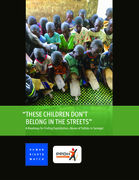
For over a decade, Senegalese and international journalists, human rights advocates, and child protection experts have documented and denounced the ongoing exploitation, abuse and neglect of children living in many of Senegal’s traditional Quranic schools, or daaras. Thousands of these children, k
...
nown as talibés, continue to live in conditions of extreme squalor, deprived of adequate food and medical care.
more

Nested case-control study of health workers exposed to confirmed COVID-19 patients.
Similar objectives to the cohort study but case-control studies may be cheaper and provide robust evidence to characterize and assess the risk factors for SARS-CoV-2 infection in health workers exposed to COVID-19 p
...
atients.
Health workers with confirmed COVID-19 will be recruited as cases and other health workers in the same health care setting without infection will be recruited as controls (incidence density sampling).
Secondary objectives are similar to the cohort study.
more

How to respond to, mitigate, and prevent risks to children’s protection and well-being is a profound, if unanswered, question. Practitioners agree that it is necessary to develop or strengthen protective factors at multiple levels, such as the family, community, and national levels.
he central Sahel region—Burkina Faso, Mali and Niger—is facing a severe humanitarian and protection crisis.
Massive displacement, most of it driven by intense and largely indiscriminate violence perpetrated by a range of armed actors against civilian populations, is taking place across the regi
...
on. While internal displacement is on the rise substantial numbers of refugees have fled to neighboring countries, and the situation risks spilling over into the coastal countries of Benin, Côte d'Ivoire, Ghana, and Togo.
This context is exacerbated by the COVID-19 pandemic, which is already affecting areas hosting refugees and IDPs
more

This Interim Guidance outlines how key public health and social measures needed to reduce the risk of COVID-19 spread and the impact of the disease can be adapted for use in low capacity and humanitarian settings. The recommendations outlined here need to be adjusted to the scale of transmission, co
...
ntext and resources, in order to achieve the objective of managing COVID-19, namely to reduce transmission and facilitate the detection and management of infected and exposed individuals within the population. The Guidance is intended for humanitarian and development actors of all operational levels working with communities ocal authorities involved in COVID-19 preparedness and response operations in these settings, in support of national and local governments and plans. Additional considerations for support to residents of urban informal settlements and slums are available in Annex 1.
more
Recognizing the extent to which the COVID-19 outbreaks affects women and men differently is hugely important. Some preliminary data suggested that more men than women are dying, potentially due to sex-based immunological differences, higher rates of cardiovascular disease for men and lifestyle choic
...
es, such as smoking. However, the experiences and lessons learned from the Zika and Ebola outbreaks and the HIV pandemic demonstrate that robust gender analysis and informed, gender-integrated response are vital to strengthen the access and acceptability of the humanitarian services needed to meet the distinct needs of women and girls, as well as men and boy and LGBTI people.
more
Key highlights from January to April 2020 (Syria situation)
Across the MENA region, UNHCR is receiving alarming reports of increasing mental health issues among the forcibly displaced. Mental health and psychosocial support (MHPSS) activities are being stepped up by UNHCR and partners to address th
...
is new dangerous trend.
more
This report outlines and analyses the implementation of the Bridge Builder Model. This is a two-way, capacity-sharing model aimed at bringing together local faith actors (LFAs) and international humanitarian actors to increase understanding, trust, coordination and collaboration.
As of 12June 2020, there are 667confirmed COVID-19 casesin the OPT (565 of which are recovered cases), and 48% of which (320 cases) are in East Jerusalem and its suburbs. Additionally, there have been 5 reported COVID-19 deaths (1 in the West Bank, 1 in Gaza and 3 in East Jerusalem)
he pandemic has produced an unprecedented economic and social crisis, and it could generate a food, humanitarian, and political crisis if urgent measures are not taken. The policy options for addressing the pandemic entail consolidating national plans and achieving intersectoral consensus. The respo
...
nse should be structured in three nonlinear and interrelated phases—control, reactivation, and rebuilding—involving the participation of technical actors representing not only the field of health but also other social and economic areas. Measures implemented to control the pandemic as well as measures for the reactivation and rebuilding phases will require increased public investment in health until the recommended parameters are achieved.
more
22 July 2022. This document summarizes current WHO guidance for public health surveillance of coronavirus disease 2019 (COVID-19) in humans caused by infection with severe acute respiratory syndrome coronavirus 2 (SARS-CoV-2).
Non-pharmaceutical interventions (NPI) are public health measures that aim to prevent and/or control SARS-CoV-2 transmission in the community. As long as there is no effective and safe vaccine to protect those at risk of severe COVID-19, NPI are the most effective public health interventions against
...
COVID-19. These ECDC guidelines detail available options for NPI in various epidemiologic scenarios, assess the evidence for their effectiveness and address implementation issues, including potential barriers and facilitators.
more
The COVID-19 pandemic’s immediate costs, measured in lives lost and damaged, have been appalling and continue to rise. In addition, its effects on individuals’ livelihoods and economies around the world have been deep and are likely to be long lasting. While saving lives was the near-exclusive f
...
ocus during the first phase of the crisis, governments are now trying to strike a delicate balance between preventing further economic damage by reopening parts of their economies, while managing the obvious health risks of doing so.
In the international mobility and migration arenas—policy areas enormously affected by the health and economic effects of the pandemic—this reflection considers both how these fields have fared thus far and the challenges that lay ahead
more
