
Filter
3803
Text search:
global
health
initiatives
Featured
279
1013
Language
3505
330
91
62
52
38
28
9
5
4
4
3
3
3
3
2
2
2
2
2
2
2
2
2
2
1
1
1
1
1
1
1
1
1
1
1
1
1
1
1
1
1
1
1
1
1
1
1
1
1
Document type
1876
924
358
270
205
64
56
26
11
7
2
2
Countries
261
113
105
84
84
76
74
70
67
66
66
65
61
57
56
52
51
51
51
48
45
44
39
32
32
31
30
29
27
26
24
24
23
23
22
22
21
20
20
20
18
18
16
16
15
14
14
13
13
12
11
11
10
10
10
9
9
9
9
9
9
9
8
8
8
7
7
6
6
6
6
5
5
4
4
4
3
3
3
3
3
3
3
3
3
3
3
3
2
2
2
2
2
2
2
2
2
2
2
2
2
2
2
2
2
2
2
1
1
1
1
1
1
1
1
1
1
1
1
1
1
1
1
1
1
1
1
1
1
1
1
1
1
1
1
1
1
1
1
1
1
1
Authors & Publishers
458
119
118
115
106
78
54
51
36
34
30
24
20
19
18
18
18
17
17
16
16
16
16
15
14
13
13
13
13
12
12
12
12
12
12
12
11
11
11
11
11
10
10
10
10
10
10
10
10
10
10
9
9
9
9
9
9
9
9
9
8
8
8
8
8
8
8
8
8
8
7
7
7
7
7
7
7
7
7
7
7
6
6
6
6
6
6
6
6
6
6
6
6
6
6
6
6
6
5
5
5
5
5
5
5
5
5
5
5
5
5
5
5
5
5
4
4
4
4
4
4
4
4
4
4
4
4
4
4
4
4
4
4
4
4
4
4
4
4
4
4
4
4
4
4
4
4
4
4
4
4
4
4
4
4
4
4
4
4
4
4
4
3
3
3
3
3
3
3
3
3
3
3
3
3
3
3
3
3
3
3
3
3
3
3
3
3
3
3
3
3
3
3
3
3
3
3
3
3
3
3
3
3
3
3
3
3
3
3
3
3
3
3
3
3
3
3
3
3
3
3
3
3
3
3
3
3
3
3
3
3
3
3
3
3
3
3
3
2
2
2
2
2
2
2
2
2
2
2
2
2
2
2
2
2
2
2
2
2
2
2
2
2
2
2
2
2
2
2
2
2
2
2
2
2
2
2
2
2
2
2
2
2
2
2
2
2
2
2
2
2
2
2
2
2
2
2
2
2
2
2
2
2
2
2
2
2
2
2
2
2
2
2
2
2
2
2
2
2
2
2
2
2
2
2
2
2
2
2
2
2
2
2
2
2
2
2
2
2
2
2
2
2
2
2
2
2
2
2
2
2
2
2
2
2
2
2
2
2
2
2
2
2
2
2
2
2
2
2
2
2
2
2
2
2
2
2
2
2
2
2
2
2
2
2
2
2
2
2
2
2
2
2
2
2
2
2
2
2
2
2
2
2
2
2
2
2
2
2
2
2
2
2
2
2
2
2
2
2
2
2
2
2
2
2
2
2
2
2
2
2
2
2
2
2
2
2
2
2
2
2
2
2
2
2
2
2
2
2
2
2
2
2
2
2
2
2
2
2
1
1
1
1
1
1
1
1
1
1
1
1
1
1
1
1
1
1
1
1
1
1
1
1
1
1
1
1
1
1
1
1
1
1
1
1
1
1
1
1
1
1
1
1
1
1
1
1
1
1
1
1
1
1
1
1
1
1
1
1
1
1
1
1
1
1
1
1
1
1
1
1
1
1
1
1
1
1
1
1
1
1
1
1
1
1
1
1
1
1
1
1
1
1
1
1
1
1
1
1
1
1
1
1
1
1
1
1
1
1
1
1
1
1
1
1
1
1
1
1
1
1
1
1
1
1
1
1
1
1
1
1
1
1
1
1
1
1
1
1
1
1
1
1
1
1
1
1
1
1
1
1
1
1
1
1
1
1
1
1
1
1
1
1
1
1
1
1
1
1
1
1
1
1
1
1
1
1
1
1
1
1
1
1
1
1
1
1
1
1
1
1
1
1
1
1
1
1
1
1
1
1
1
1
1
1
1
1
1
1
1
1
1
1
1
1
1
1
1
1
1
1
1
1
1
1
1
1
1
1
1
1
1
1
1
1
1
1
1
1
1
1
1
1
1
1
1
1
1
1
1
1
1
1
1
1
1
1
1
1
1
1
1
1
1
1
1
1
1
1
1
1
1
1
1
1
1
1
1
1
1
1
1
1
1
1
1
1
1
1
1
1
1
1
1
1
1
1
1
1
1
1
1
1
1
1
1
1
1
1
1
1
1
1
1
1
1
1
1
1
1
1
1
1
1
1
1
1
1
1
1
1
1
1
1
1
1
1
1
1
1
1
1
1
1
1
1
1
1
1
1
1
1
1
1
1
1
1
1
1
1
1
1
1
1
1
1
1
1
1
1
1
1
1
1
1
1
1
1
1
1
1
1
1
1
1
1
1
1
1
1
1
1
1
1
1
1
1
1
1
1
1
1
1
1
1
1
1
1
1
1
1
1
1
1
1
1
1
1
1
1
1
1
1
1
1
1
1
1
1
1
1
1
1
1
1
1
1
1
1
1
1
1
1
1
1
1
1
1
1
1
1
1
1
1
1
1
1
1
1
1
1
1
1
1
1
1
1
1
1
1
1
1
1
1
1
1
1
1
1
1
1
1
1
1
1
1
1
1
1
1
1
1
1
1
1
1
1
1
1
1
1
1
1
1
1
1
1
1
1
1
1
1
1
1
1
1
1
1
1
1
1
1
1
1
1
1
1
1
1
1
1
1
1
1
1
1
1
1
1
1
1
1
1
1
1
1
1
1
1
1
1
1
1
1
1
1
1
1
1
1
1
1
1
1
1
1
1
1
1
1
1
1
1
1
1
1
1
1
1
1
1
1
1
1
1
1
1
1
1
1
1
1
1
1
1
1
1
1
1
1
1
1
1
1
1
1
1
1
1
1
1
1
1
1
1
1
1
1
1
1
1
1
1
1
1
1
1
1
1
1
1
1
1
1
1
1
1
1
1
1
1
1
1
1
1
1
1
1
1
1
1
1
1
1
1
1
1
1
1
1
1
1
1
1
1
1
1
1
1
1
1
1
1
1
1
1
1
1
1
1
1
1
1
1
1
1
1
1
1
1
1
1
1
1
1
1
1
1
1
1
1
1
1
1
1
1
1
1
1
1
1
1
1
1
1
1
1
1
1
1
1
1
1
1
1
1
1
1
1
1
1
1
1
1
1
1
1
1
1
1
1
1
1
1
1
1
1
1
1
1
1
1
1
1
1
1
1
1
1
1
1
1
1
1
1
1
1
1
1
1
1
1
1
1
1
1
1
1
1
1
1
1
1
1
1
1
1
1
1
1
1
1
1
1
1
1
1
1
1
1
1
1
1
1
1
1
1
1
1
1
1
1
1
1
1
1
1
1
1
1
1
1
1
1
1
1
1
1
1
1
1
1
1
1
1
1
1
1
1
1
1
1
1
1
1
1
1
1
1
1
1
1
1
1
1
1
1
1
1
1
1
1
1
1
1
1
1
1
1
1
1
1
1
1
1
1
1
1
1
1
1
1
1
1
1
1
1
1
1
1
1
1
1
1
1
1
1
1
1
1
1
1
1
1
1
1
1
1
1
1
1
1
1
1
1
1
1
1
1
1
1
1
1
1
1
1
1
1
1
1
1
1
1
1
1
1
1
1
1
1
1
1
1
1
1
1
1
1
1
1
1
1
1
1
1
1
1
1
1
1
1
1
1
1
1
1
1
1
1
1
1
1
1
1
1
1
1
1
1
1
1
1
1
1
1
1
1
1
1
1
1
1
1
1
1
1
1
1
1
1
1
1
1
1
1
1
1
1
1
1
1
1
1
1
1
1
1
1
1
1
1
1
1
1
1
1
1
1
1
1
1
1
1
1
1
1
1
1
1
1
1
1
1
1
1
1
1
1
1
1
1
1
1
1
1
1
1
1
1
1
1
1
1
1
1
1
1
1
1
1
1
1
1
1
1
1
1
1
1
1
1
1
1
1
1
1
1
1
1
1
1
1
1
1
1
1
1
1
1
1
1
1
1
1
1
1
1
1
1
1
1
1
1
1
1
1
1
1
1
1
1
1
1
1
1
1
1
1
1
1
1
1
1
1
1
1
1
1
1
1
1
1
1
1
1
1
1
1
1
1
1
1
1
1
1
1
1
1
1
1
1
1
1
1
1
1
1
1
1
1
1
1
1
1
1
1
1
1
1
1
1
1
1
1
1
1
1
1
1
1
1
1
1
1
1
1
1
1
1
1
1
1
1
1
1
1
1
1
1
1
1
1
1
1
1
1
1
1
1
1
1
1
1
1
1
1
1
1
1
1
1
1
1
1
1
1
1
1
1
1
1
1
1
1
1
1
1
1
1
1
1
1
1
1
1
1
1
1
1
1
1
1
1
1
1
1
1
1
1
1
1
1
1
1
1
1
1
1
1
1
1
1
1
1
1
1
1
1
1
1
1
1
1
1
1
1
1
1
1
1
1
1
1
1
1
1
1
1
1
1
1
1
1
1
1
1
1
1
1
1
1
1
1
1
1
1
1
1
1
1
1
1
1
1
1
1
1
1
1
1
1
1
1
1
1
1
1
1
1
1
1
1
1
1
1
1
1
1
1
1
1
1
1
1
1
1
1
1
1
1
1
1
1
1
1
1
1
1
1
1
1
1
1
1
1
1
1
1
1
1
1
1
1
1
1
1
1
1
1
1
1
1
1
1
1
1
1
1
1
1
1
1
1
1
1
1
1
1
1
1
1
1
1
1
1
1
1
1
1
1
1
1
1
1
1
1
1
1
1
1
1
1
1
1
1
1
1
1
1
1
1
1
1
1
1
1
1
1
1
1
1
1
1
1
1
1
1
1
1
1
1
1
1
1
1
1
1
1
1
1
1
1
1
1
1
1
1
1
1
1
1
1
1
1
1
1
1
1
1
1
1
1
1
1
1
1
1
1
1
1
1
1
1
1
1
1
1
1
1
1
1
1
1
1
1
1
1
1
1
1
1
1
1
1
1
1
1
1
1
1
1
1
1
1
1
1
1
1
1
1
1
1
1
1
1
1
1
1
1
1
1
1
1
1
1
1
1
1
1
1
1
1
1
1
1
1
1
1
1
1
1
1
1
1
1
1
1
1
1
1
1
1
1
1
1
1
1
1
1
1
1
1
1
1
1
1
1
1
1
1
1
1
1
1
1
1
1
1
1
1
1
1
1
1
1
1
1
1
1
1
1
1
1
1
1
1
1
1
1
1
1
1
1
1
1
1
1
1
1
1
1
1
1
1
1
1
1
1
1
1
1
1
1
1
1
1
1
1
1
1
1
1
1
1
1
1
1
1
1
1
1
1
1
1
1
1
1
1
1
1
1
1
1
1
1
1
1
1
1
1
1
1
1
1
1
1
1
1
1
1
1
1
1
1
1
1
1
1
1
1
1
1
1
1
1
1
1
1
1
1
1
1
1
1
1
1
1
1
1
1
1
1
1
1
1
1
1
1
1
1
1
1
1
1
1
1
1
1
1
1
1
1
1
1
1
1
1
1
1
1
1
1
1
1
1
1
1
1
1
1
1
1
1
1
1
1
1
1
1
1
1
1
1
1
1
1
1
1
1
1
1
1
1
1
1
1
1
1
1
1
1
1
1
1
1
1
1
1
1
1
1
1
1
1
1
1
1
1
1
1
1
1
1
1
1
1
1
1
1
1
1
1
1
1
1
1
1
1
1
1
1
1
1
1
1
1
1
1
1
1
1
1
1
1
1
1
1
1
1
1
1
1
1
1
1
1
1
1
1
1
1
1
1
1
1
1
1
1
1
1
1
1
1
1
1
1
1
1
1
1
1
1
1
1
1
1
1
1
1
1
1
1
1
1
1
1
1
1
1
1
1
1
1
1
1
1
1
1
1
1
1
1
1
1
1
1
1
1
1
1
1
1
1
1
1
1
1
1
1
1
1
1
1
1
1
1
1
1
1
1
1
1
1
1
1
1
1
1
1
1
1
1
1
1
1
1
1
1
1
1
1
1
1
1
1
1
1
1
1
1
1
1
1
1
1
1
1
1
1
1
1
1
1
1
1
1
1
1
1
1
1
1
1
1
1
1
1
1
1
1
1
1
1
1
1
1
1
1
1
1
1
1
1
1
1
1
1
1
1
1
1
1
1
1
1
1
1
1
1
1
1
1
1
1
1
1
1
1
1
1
1
1
1
1
1
1
1
1
1
1
1
1
1
1
1
1
1
1
1
1
1
1
1
1
1
1
1
1
1
1
1
1
1
1
1
1
1
1
1
1
1
1
1
1
1
1
1
1
1
1
1
1
1
1
1
1
1
1
1
1
1
1
1
1
1
1
1
1
1
1
1
1
1
1
1
1
1
1
1
1
1
1
1
1
1
1
1
1
1
1
1
1
1
1
1
1
1
1
1
1
1
1
1
1
1
1
1
1
1
1
1
1
1
1
1
1
1
1
1
1
1
1
1
1
1
1
1
1
1
1
1
1
1
1
1
1
1
1
1
1
1
1
1
1
1
1
1
1
1
1
1
1
1
1
1
1
1
1
1
1
1
1
1
1
1
1
1
1
1
1
1
1
1
1
1
1
1
1
1
1
1
1
1
1
1
1
1
1
1
1
1
1
1
1
1
1
1
1
1
1
1
1
1
1
1
1
1
1
1
1
1
1
1
1
1
1
1
1
1
1
1
1
1
1
1
1
1
1
1
1
1
1
1
1
1
1
1
1
1
1
1
1
1
1
1
1
1
1
1
1
1
1
1
1
1
1
1
1
1
1
1
1
1
1
1
1
1
1
1
1
1
1
1
1
1
1
1
1
1
1
1
1
1
1
1
1
1
1
1
1
1
1
1
1
1
1
1
1
1
1
1
1
1
1
1
1
1
1
1
1
1
1
1
1
1
1
1
1
1
1
1
1
1
1
1
1
1
1
1
1
1
1
1
1
1
1
1
1
1
1
1
1
1
1
1
1
1
1
1
1
1
1
1
1
1
1
1
1
1
1
1
1
1
1
1
1
1
1
1
1
1
1
1
1
1
1
1
1
1
1
1
1
1
1
1
1
1
1
1
1
1
1
1
1
1
1
1
1
1
1
1
1
1
1
1
1
1
1
1
1
1
1
1
1
1
1
1
1
1
1
1
1
1
1
1
1
1
1
1
1
1
1
1
1
1
1
1
1
1
1
1
1
1
1
1
1
1
1
1
1
1
1
1
1
1
1
1
1
1
1
1
1
1
1
1
1
1
1
1
1
1
1
1
1
1
1
1
1
1
1
1
1
1
1
1
1
1
1
1
1
1
1
1
1
1
1
1
1
1
1
1
1
1
1
1
1
1
1
1
1
1
1
1
1
1
1
1
1
1
1
1
1
1
1
1
1
1
1
1
1
1
1
1
1
1
1
1
1
1
1
1
1
1
1
1
1
1
1
1
1
1
1
1
1
1
1
1
1
1
1
1
1
1
1
1
1
1
1
1
1
1
1
1
1
1
1
1
1
1
1
1
1
1
1
1
Publication Years
1291
2247
258
6
1
Category
1422
315
277
193
145
54
15
1
Toolboxes
268
246
227
220
159
147
135
108
107
102
98
96
84
79
71
69
68
58
43
38
24
17
14
12
11
2
This updated implementation guidance is intended for all those who set policy for, or offer care to, pregnant women, families and infants: governments; national managers of maternal and child health programmes in general, and of breastfeeding- and
...
BFHI-related programmes in particular; and health-facility managers at different levels (facility directors, medical directors, chiefs of maternity and neonatal wards). The document presents the first revision of the Ten Steps since 1989. The topic of each step is unchanged, but the wording of each one has been updated in line with the evidence-based guidelines and global public health policy.
more
Myanmar is one of the world’s 22 high tuberculosis (TB) burden countries, and supporting TB control in Myanmar is a global priority. This report reflects the findings, discussions, conclusions and recommendations of the fourth international review
...
mission of the Myanmar National TB Programme (NTP), which brought together international and national partners to review progress in TB control and to offer guidance on future TB control directions and efforts.
A high-quality national disease prevalence survey completed in 2010 demonstrated a TB disease burden two to three times higher than anticipated on the basis of previous surveys. In 2011 about 200 000 adults and children will have developed TB, including 20 000 HIV infected and 9000 suffering from MDR-TB, both of which will require additional care and costly treatment. TB remains among the top killers of adults, and more women die of TB than from maternal causes. more
A high-quality national disease prevalence survey completed in 2010 demonstrated a TB disease burden two to three times higher than anticipated on the basis of previous surveys. In 2011 about 200 000 adults and children will have developed TB, including 20 000 HIV infected and 9000 suffering from MDR-TB, both of which will require additional care and costly treatment. TB remains among the top killers of adults, and more women die of TB than from maternal causes. more
In the kingdom of Bahrain, the national antibiotic committee will set the framework for the national response to AMR, especially bacterial resistance to antibiotics. It will be aligned with the World Health Organization’s (WHO)
...
Global Action Plan on Antimicrobial Resistance, and with standards and guidelines from the Food and Agriculture Organization of the United Nations (FAO) and the World Organisation for Animal Health (OIE).
more
In the context of the coronavirus disease (COVID-19) pandemic response, WHO identifies young people as a priority target audience with specific concerns, experiences and behaviours. This policy brief provides relevant insights from behavioural evidence and a set of behavioural considerations for tho
...
se promoting COVID-19 preventive behaviours among young people. Designers of programmes and initiatives targeting youth may find it helpful to refer to the youth-specific barriers and drivers identified in this policy brief and to prioritize these for testing when planning initiatives targeted at young people.
more
Antimicrobial resistance (AMR) is a multifaceted, international public health problem, which poses a direct threat to the safety of the population of South Africa. A national response is required to complement the development of a
...
global plan, as articulated in the WHO’s draft resolution EB134/37 “Combating antimicrobial resistance including antibiotic resistance”, adopted by theWorld Health Assembly in May 2014. The overuse of antimicrobials is driving resistance. A return to appropriate, targeted antimicrobial use in humans, animals and the environment is critical if we are to conserve the antimicrobial armamentarium. Various interventions have been put in place to address antimicrobial resistance in South Africa. However, these are insufficient to effectively tackle the threat faced by the country. The strengths of the current system are outweighed by its weaknesses.
more
PACK Nigeria (Adult and Child) provides a single, integrated, comprehensive, evidence-informed clinical guide to support all cadres working in primary healthcare in Nigeria: i.e. junior community health extension workers (JCHEWs), community
...
health extension workers (CHEWs), community health officers (CHOs), nurses, midwives and medical officers. Colour-coding is used to clearly delineate the scope of practice of these different cadres and clarify referral pathways. This integration promotes a team-based approach to a patient’s care and enables patients to receive consistent and standardized care from whichever cadre treats them.
You can register for free and get the PACK Global Adult Guide for free
more
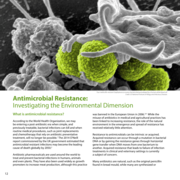
In this edition, the Antimicrobial Resistance chapter discusses the growing, dangerous trend of antimicrobial resistance and the potential catastrophic consequences on global health.
Chapter 1 of F
...
rontier 2017: Emerging Issues of Environmental Concern
more
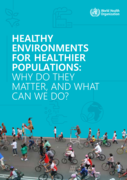
Known avoidable environmental risks to health cause at least 12.6 million deaths every year, and account for about one quarter of the global burden of disease (2016 data) (1). Air pollution alone ca
...
uses about 7 million
deaths a year, placing it among the top global risks to health (2). Global environmental challenges are on the rise, including climate change, rapid urbanization and increased resistance to drugs.
more

This document sets out, therefore, to explain the socioeconomic value of investing in the fight against NTDs and highlights priorities for global investment attention. Our work was guided by the need not only for
additional funding and funders but
...
also for the need to understand the current funding climate, in which value for money and the efficient use of resources to fill the most critical of gaps are more relevant than ever.
more
The Pandemic Influenza Preparedness (PIP) Framework is a World Health Assembly resolution adopted unanimously by all Member States in 2011. It brings together Member States, industry, other stakeholders and WHO to implement a
...
global approach to pandemic influenza preparedness and response. The Framework includes a benefit-sharing mechanism called the Partnership Contribution (PC). The PC is collected as an annual cash contribution from influenza vaccine, diagnostic, and pharmaceutical manufacturers that use the WHO Global Influenza Surveillance and Response System (GISRS). Funds are allocated for: (a) pandemic preparedness capacity building; (b) response activities during the time of an influenza pandemic; and (c) PIP Secretariat for the management and implementation of the Framework.
more
In collaboration with partners, the government of Ethiopia has successfully developed 10 years Hand Hygiene for All (HH4A) costed national roadmap- a country-wide approach to achieving sustainable and universal hand hygiene. On the occasion of the 2022 Glo
...
bal Hand Washing Day event ( Ethiopia is celebrating the event for one month with different sessions), the national HH4A road map launched on the 4th of Nov 2022 in a high-level advocacy event in the presence of higher officials and partners. Action is set mainly on the need for a joint effort to mobilize resources for implementation, monitoring and documenting of lessons and best practices.
more

Download (7.4 MB)
Overview
Epilepsy is one of the most common neurological disorders globally. The WHO epilepsy technical brief aims to strengthen action for epilepsy and complements the Intersectoral global action plan on epilepsy and other neuro
...
logical disorders 2022–2031.
The technical brief presents the key information on epilepsy and recommends actions to policy makers and other stakeholders. Using the concept of levers for change introduced by the Operational Framework for Primary Health Care, it identifies actions on the policy and operational levels that stakeholders should take to strengthen services for people with epilepsy using a person-centered approach based on human rights and universal health coverage.
more

Promoting health and preventing disease is a critical component of the effort required to achieve Universal Health Coverage (UHC). to date, efforts to achieve UHC have focused mostly on strengthenin
...
g health systems and their capacities to provide curative care. However, experience from the COVID-19 pandemic has reaffirmed the need for resilient health systems, emphasizing primary health care, including preventive and promotive health and well-being.
Emerging from the eye of the storm as the global health lead agency during the pandemic, WHO is equipped with the required insights and actions for a holistic approach to “building back fairer and better” after COVID-19.
The Healthier Populations (UHP) Cluster in the African Region is designed to support Pillar 3 of WHO’s 13th Global Programme of Work (GPW13) which aims to make 1 billion people healthier by reducing health inequities, preventing diseases and injuries, addressing health determinants, and promoting partnerships for collaborative actions amongst all stakeholders.
more

The Transformation Agenda (TA) ushered in an ambitious reform process intended to transform the World Health Organization (WHO) into an organization that is proactive, results-driven, accountable and which meets stakeholder expectations, towards tra
...
nsforming and improving public health services in the African Region. It aimed to achieve a WHO that is pro-results, which optimally and creatively targets technical work as well as make operations more responsive, with greater effectiveness in both communications and partnerships. The Africa Region has been the epicentre of the human immunodeficiency virus (HIV) epidemic and it’s one of the leading causes of disease and death on the continent. The WHO, with partners, has worked tirelessly for many years to control the threat and reduce the negative impact of the disease. Since the early 2000s, significant progress has been made in the global fight against the scourge of HIV. However, the WCA subregion was falling concerningly behind ESA on several key indicators of progress. In 2016, the WHO joined UNAIDS, UNICEF and other partners in a call for a strong and urgent response to support WCA countries to develop catch-up plans to triple and fast-track ART coverage, to enable the region to catch up with ESA by the end of 2020. Implementation of a widespread test-and-treat strategy, coupled with the scale-up of differentiated service delivery (DSD) and mobilization of requisite funding, accelerated WCA’s progress towards this goal. The HIV treatment catch-up and fast-track plan has achieved its target of seeing the West and Central African region (WCA) catch up with the Eastern and Southern African region’s (ESA) antiretroviral coverage rate of 78% in 2021, albeit later than the 2020 target time frame. A 33% improvement was achieved in WCA, against 21% in ESA, between 2015–2020. WCA achieved a significant 42% increase, compared to ESA’s 23%, between 2015 and 2021, to see WCA draw level with ESA at 78%. In the Democratic Republic of the Congo (DRC) alone, progress of up to 47% was observed between 2015 and 2020, for example. In addition, 1.6 million more People Living with HIV (PLHIV) were enrolled on antiretroviral treatment (ART) between 2015 and 2020.
more

The KMC implementation strategy targets a broad audience. These include policy-makers and programme managers at national, regional and local levels, government and nongovernmental organizations working in the area of maternal and newborn care, global
...
and national professional associations, public and private hospital management at all levels of care, and facility- and community-based maternal and infant care providers.
more
Promoting and protecting health is essential to human welfare and sustained economic and social development. This was recognized more than 30 years ago by the Alma-Ata Declaration signatories, who noted that
...
Health for All would contribute
both to a better quality of life and also to global peace and security
more

Antimicrobial resistance (AMR) is a global human, animal, plant and environment health threat that needs to be addressed by every country. The impacts of AMR are wide-ranging in terms of human
...
health, animal health, food security and safety, environmental effects on ecosystems and biodiversity, and socioeconomic development. Just like the climate crisis, AMR poses a significant threat to the delivery of the 2030 Agenda for Sustainable Development. The response to the AMR crisis has been spearheaded through the global action plan on antimicrobial resistance (GAP-AMR), developed by the World Health Organization (WHO) in 2015, in close collaboration with the Food and Agriculture Organization of the United Nations (FAO) and the World Organisation for Animal Health (WOAH), and formally endorsed by the three organizations’ governing bodies and by the Political Declaration of the high-level meeting of the United Nations General Assembly on AMR in 2016. In 2022, the three organizations officially became the Quadripartite by welcoming the United Nations Environment Programme (UNEP) into the alliance “to accelerate coordination strategy on human, animal and ecosystem health”.
The aim of the GAP-AMR is to ensure the continuity of successful treatment with effective and safe medicines.
Its strategic objectives include:
• improving the awareness and understanding of AMR;
• strengthening the knowledge and evidence base through surveillance and research;
• reducing the incidence of infection through effective sanitation, hygiene and infection prevention measures; optimizing the use of antimicrobial medicines in human and animal health; and
• developing the economic case for sustainable investment that takes account of the needs of all countries and increasing investment in new medicines, diagnostic tools, vaccines and other interventions.
With the adoption of the GAP-AMR, countries agreed to develop national action plans (NAPs) aligned with the GAP-AMR to mainstream AMR interventions nationally. Individually, the Quadripartite took action to advance AMR interventions in their respective sectors. FAO adopted a resolution on AMR recognizing that it poses an increasingly serious threat to public health and sustainable food production, and developed an AMR action plan to support the resolution’s implementation. For its part, WOAH developed a strategy on AMR aligned with the GAP-AMR, acknowledging the importance of a One Health approach to AMR. Similarly, more recently, UNEP’s governing body, the United Nations Environment Assembly, recognized that AMR is a current and increasing threat and a challenge to global health, food security and the sustainable development of all countries, and welcomed the GAP-AMR and the NAPs developed in accordance with its five overarching strategic objectives
more

The Implementation toolkit for accessible telehealth services provides practical guidance to support governments, industry partners, health service providers and civil society groups in the use and implementation of the WHO-ITU
...
Global standard for accessibility of telehealth services. The toolkit is the result of a collaboration between the World Health Organization and the International Telecommunication Union, and was developed in response to the growing challenges that persons with disabilities and other marginalized populations experience when accessing and using telehealth platforms around the world.
more

The Polio Transition1
Monitoring and Evaluation (M&E) Framework was designed to monitor progress towards achieving the strategic and operational outcomes of the post-2023 Strategic Action Plan on Polio Transition (2018– 2023), as outlined in the Global
...
Vision to use polio investments to build strong, resilient and equitable health systems (the Global Vision), and regional strategic plans for the WHO African, Eastern Mediterranean and SouthEast Asia Regions. It aims to support an efficient and effective polio transition process through both process and outcome-based monitoring. The M&E Framework promotes accountability and strives for a harmonized approach to monitoring and evaluating the polio transition at the country, regional and global levels
more
The WHO South-East Asia (SEA) Region bears a high burden of tuberculosis (TB) and MDR-TB. In 2015, the Region accounted for nearly 200 000 or 35% of the global estimated new RR/MDR-TB cases eligible for treatment. Extensively drug-resis
...
tant TB (XDRTB) has also been reported from six countries of the SEA Region. MDR-TB could potentially replace drug-susceptible TB, and constitutes a threat to global public health security. The South- East Asia Regional Response Framework for DR-TB 2017–2021 complements the Ending TB in the South-East Asia Region: Regional Strategic Plan 2016–2020” and outlines key strategies for reducing morbidity, mortality and transmission of DR-TB.
more
