
Filter
1032
Text search:
sexual
exploitation
Featured
101
272
Language
Document type
565
173
96
76
52
30
23
12
2
1
1
1
Countries
53
47
29
27
27
25
23
23
23
20
20
20
20
16
16
15
14
14
13
12
11
11
11
11
11
11
10
10
9
9
9
9
8
8
8
8
7
7
7
6
6
6
6
6
5
5
5
5
4
4
4
4
3
3
3
3
3
3
3
3
3
3
3
2
2
2
2
2
2
2
2
2
2
1
1
1
1
1
1
1
1
1
1
1
1
1
1
1
1
1
1
1
1
Authors & Publishers
Publication Years
Category
384
110
99
33
23
12
1
Toolboxes
142
111
101
96
80
37
31
24
18
16
11
10
8
8
6
5
3
2
1
1
1
1
1
1
1
Millions of children are at increased risk of harm as their lives move increasingly online during lockdown in the COVID-19 pandemic, UNICEF and partners said today.
“The coronavirus pandemic has led to an unprecedented rise in screen time,” said Global Partnership to End Violence Executive Dire
...
A comprehensive briefing by Half of Syria
April 2020
A comprehensive briefing on the critical challenges of the COVID-19 pandemic to Syrians, as reported by Syrian civil society organisations. These challenges have been collated following extensive interviews with the teams of member and partner
...
After Corona was declared as a pandemic by WHO, multiple government agencies, development agencies, and departments needed technically accurate materials for their relevant contexts. Department for Labor and Human Resource, Government of Punjab needed something immediate for industrial workers in la
...
The Feedback Starter-Kit responds to key questions ( ) and provides the most important tips ( ) for setting up and running a simple feedback mechanism. At the end of this document there is an overview of the templates needed to plan the mechanism and collect, answer, analyse and share community feed
...
This guide is intended to support teams working directly with communities during the Covid-19 pandemic. It provides general guidance on community engagement during outbreak responses, including how to support an integrated response, as well as outbreak prevention and response.
This guidance note is meant to assist humanitarian actors, youth-led organizations, and young people themselves across sectors, working at local, country, regional, and global levels in their response to the novel coronavirus pandemic. It begins diagnostically, exploring the impacts of coronavirus d
...
The COVID-19 pandemic is a rapidly evolving global crisis and there
is much that is still emerging in terms of the psychosocial and mental
health consequences for the diverse populations affected by this
emergency. This toolkit is based on what is currently available and
will be updated as addit
...

How to respond to, mitigate, and prevent risks to children’s protection and well-being is a profound, if unanswered, question. Practitioners agree that it is necessary to develop or strengthen protective factors at multiple levels, such as the family, community, and national levels.
Guidelines for the development and implementation of institution-specific protection concepts
Response strategy for South Sudan to Covid-19 pandemic
7 June 2020 Version 1
Women in Myanmar have traditionally been underrepresented in public decision-making processes, a trend which is continuing in structures established to respond to COVID-19. This means that even as women are disproportionately affected by the crisis, they have less say in how t
...
Addendum: 2020 mid-year COVID-19 resvision, summary of the reprioritisation & additional requirements in response to COVID-19
In June and July 2020, a mid-year revision of the 2020 South Sudan Regional Refugee Response Plan (RRRP) was undertaken as an inter-agency consultative process to discuss
...
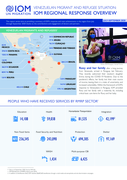
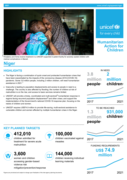
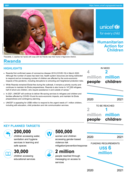
Rwanda first confirmed cases of coronavirus disease 2019 (COVID-19) in March 2020. Although the number of cases has been low, health system resources are being redirected to respond and an increasing number of children are affected by the socio-economic impacts of the pandemic, including disruptions
...
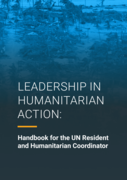
The Handbook is a guide to the normative framework for humanitarian action and the operational approaches, coordination structures, and available tools and services that facilitate the mobilization of humanitarian assistance.
