
Filter
1456
Text search:
choléra
Featured
187
508
Language
Document type
680
206
182
89
80
53
51
48
34
14
11
7
1
Countries
98
68
63
51
45
45
42
35
29
29
28
27
27
25
25
23
21
19
19
18
18
16
16
16
15
14
13
12
12
12
9
8
8
8
8
8
6
5
5
5
4
3
3
3
3
3
2
2
2
2
2
2
2
2
2
2
2
2
2
2
1
1
1
1
1
1
1
1
1
1
1
1
1
1
1
1
1
1
1
1
1
Authors & Publishers
Publication Years
Category
549
192
84
72
58
25
13
3
Toolboxes
320
90
80
72
72
69
65
50
33
33
32
31
20
14
12
10
8
8
6
6
5
4
3
2
1
1
The Facilitator Training Manual on Workplace Pandemic Preparedness is a guide developed by GIZ and the Ministry of Health to help organizations prepare for and respond to pandemics while ensuring business continuity. It provides structured guidance on training, risk assessment, prevention, and respo
...
Workplace Pandemic Preparedness. Training Manual
recommended
A training manual for identifying, assessing, preventing and controlling the risks of pandemics in the workplace. This training manual has been developed for both medical and non-medical personnel who may be called upon to lead emergency response, (eg epidemic outbreak, etc), ensure effective conta
...
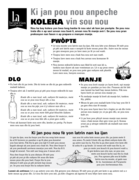
Fact sheet Cholera in Creole
The cholera factsheet provides key information on prevention, symptoms, and treatment. It emphasizes hygiene, safe food handling, and water treatment through boiling, f
...

Hygiene Awareness Manual (Arabic) - GIZ
recommended
The "Hygiene Awareness Manual" focuses on promoting improved hygiene practices within communities, emphasizing personal and household hygiene, water safety, and environmental health. It highlights the importance of handwashing, oral hygiene, and maintaining cleanliness of the skin and clothing as ke
...
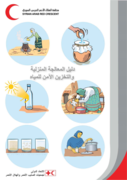
The document focuses on household water treatment methods to ensure access to safe drinking water, particularly in areas with limited access to clean water sources. It highlights the importance of safe water, noting that contaminated water is a major cause of waterborne diseases such as diarrhea and
...
Cholera is an intestinal infection caused by bacteria known as Vibrio cholerae. The main symptoms of this disease are diarrhea and vomiting, which both lead to rapid dehydration in people with this potential fatal disease. Keeping people hydrated, l
...
The PDF "Vamos proteger-nos da Cólera" provides comprehensive guidance on cholera prevention and response strategies, particularly for use in community health settings. It emphasizes the importance of safe water use by treating water with bleach, b
...
The PDF "COLERA: Informação para Promotores de Saúde" provides essential guidance for health promoters and activists on cholera. It explains that cholera is characterized by severe watery diarrhe
...
The document titled "Prevención y control del cólera" (Cholera Prevention and Control) provides essential guidance on preventing and managing cholera, a disease characterized by severe watery diar
...
The UNICEF Syria webpage titled "Cholera Resource Material" offers a collection of educational resources aimed at preventing cholera and safeguarding families. These materials, available in Arabic,
...
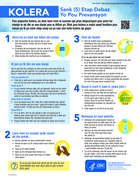
The CDC document titled "KOLERA: Senk (5) Etap Debaz Yo Pou Prevansyon" outlines five essential steps for preventing cholera. It emphasizes the importance of using treated water for drinking and food preparation, washing hands thoroughly with soap a
...
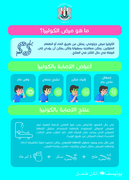
Poster Cholera Symptoms
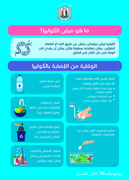
Poster Cholera Prevention
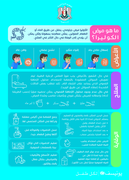
Poster cholera general
Холера: Вступ
recommended
Цей ознайомлювальний курс надає загальний огляд холери, включаючи принципи профілактики та боротьби з нею. Крім того, учасники курсу дізнаються про Глобальну робо
...
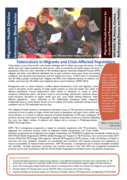
Migration Health Division Information Sheet Series
Migration Health Assistance for Crisis-Affected Populations
HIV/AIDS, TB, Malaria, Cholera, Re/Emerging Diseases and Mobility
The risk of communicable diseases remains a humanitarian concern with major health risks including cholera, acute watery diarrhea, bloody diarrhea, malaria and other vector borne diseases and conditions such as severe acute malnutrition.
Access t
...
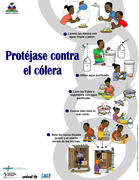
This poster was created by the Haitian government using CAWST's images to educate people about how to prevent cholera.
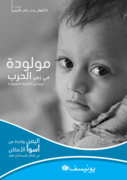
According to the report:
More than 5,000 children have been killed or injured in the violence – an average of five children every day since March 2015.
More than 11 million children now need humanitarian assistance – nearly every child in Yemen.
More than half of the country’s
...
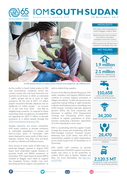
Highlights:
- IOM teams reach populations in need in Baggari, south of Wau
- Rapid response teams conduct oral cholera vaccination campaigns across the country
- IOM expands fuel-efficient stove initiative in the Bentiu PoC site
