
Filter
10429
Text search:
l.
Featured
Recommendations
838
New Publications
2142
Language
Document type
No document type
5032
Studies & Reports
2011
Guidelines
1547
Manuals
534
Fact sheets
374
Strategic & Response Plan
319
Training Material
227
Infographics
124
Situation Updates
83
Brochures
72
Resource Platforms
43
Videos
30
Online Courses
23
Dashboards/Maps
7
App
2
Countries / Regions
Global
470
India
295
Western and Central Europe
253
Senegal
223
Russia
211
Latin America and the Carribbean
206
Congo, Democratic Republic of
205
Eastern Europe
205
Germany
194
Kenya
183
Nepal
170
Burkina Faso
161
South Africa
160
Indonesia
151
Africa
147
Haiti
138
Nigeria
126
Eastern Europe and Central Asia
125
Brazil
123
Ethiopia
121
Ukraine
118
Uganda
117
Sierra Leone
116
Malawi
115
South–East Asia Region
113
Benin
107
Syria
103
Guinea
99
Tanzania
99
Zambia
93
Liberia
89
Myanmar / Burma
89
Rwanda
87
Bangladesh
84
Mozambique
81
Paraguay
78
Venezuela
77
Cameroon
72
Mali
69
Colombia
69
West and Central Africa
68
Argentina
65
Middle East and North Africa
63
Philippines
60
Namibia
56
Ghana
55
Côte d’Ivoire / Ivory Coast
53
Central African Republic
53
Asia
52
Zimbabwe
50
Madagascar
48
East and Southern Africa
47
Peru
45
Yemen
44
Cambodia
43
South Sudan
42
Chile
37
Niger
33
Angola
31
Lesotho
30
Ecuador
27
Spain
26
Vietnam
25
Chad
24
Pakistan
23
Bolivia
23
Botswana
22
Togo
20
China
20
Sudan
19
Lebanon
18
Switzerland
18
Western Pacific Region
18
USA
17
Afghanistan
17
Thailand
17
Guinea-Bissau
16
Jordan
16
El Salvador
16
Mexico
16
Somalia
15
France
15
Italy
14
Tajikistan
14
Burundi
13
Sri Lanka
12
North America
12
Iraq
11
Austria
11
Kyrgyzstan
11
Eswatini/ Swaziland
10
Georgia
10
Portugal
10
Guatemala
9
Laos
9
Canada
9
Morocco
8
Turkey
8
North Macedonia
8
Albania
8
Congo-Brazzaville
8
Honduras
7
Estonia
7
Kazakhstan
7
Saudi Arabia
6
Egypt
6
Southern Africa
6
Greece
5
Libya
5
Nicaragua
5
Armenia
5
Iran
5
Japan
5
Tunisia
5
Belarus
5
Malaysia
4
Dominican Republic
4
Serbia
4
Uzbekistan
4
Uruguay
4
Turkmenistan
4
Jamaica
4
Belgium
4
United Kingdom
4
Mauritania
3
Papua New Guinea
3
Luxembourg
3
Palestine
3
Djibouti
3
Timor Leste/ East Timor
3
Algeria
3
Israel
3
Bosnia and Herzegovina
3
Singapore
2
Hungary
2
Bhutan
2
Qatar
2
Romania
2
Lithuania
2
Gabon
2
Gambia
1
Vanuatu
1
Croatia
1
Cuba
1
Other region
1
Solomon Islands
1
Poland
1
North Korea
1
Mongolia
1
Moldova
1
Denmark
1
Mauritius
1
Norway
1
Azerbaijan
1
French Guyana
1
Latvia
1
Authors & Publishers
Publication Years
Category
Countries
3956
Clinical Guidelines
686
Key Resources
614
Women & Child Health
602
Public Health
464
Capacity Building
184
Pharmacy & Technologies
93
Toolboxes
COVID-19
1181
Mental Health
953
HIV
604
TB
536
NTDs
395
Planetary Health
376
Caregiver
339
Disability
325
Refugee
311
Ebola & Marburg
299
AMR
258
NCDs
208
Conflict
198
Malaria
173
Pharmacy
160
Global Health Education
143
Rapid Response
136
Natural Hazards
124
Health Financing Toolbox
117
Cholera
95
Zika
78
2.0 Rapid Response
62
Social Ethics
58
Polio
40
Specific Hazards
38
Typhoon
2
South Sudan
1

Every year, an estimated 15 million babies are born preterm – before 37 weeks of pregnancy. That is more than 1 in 10 live births. Approximately 1 million children die each year worldwide due to complications from their early birth. Those that survive often face a lifetime of ill-health including
...
Epidemic meningitis is a major public health challenge in the African 'meningitis belt', an area that extends from Senegal to Ethiopia with an estimated total population of 500 million. Since 2002, the World Health Organization (WHO), in collaboration with its collaborating centres for meningitis, h
...
very woman has the right to the highest attainable standard of health, which includes the right to dignified, respectful health care.
Many women experience disrespectful and abusive treatment during childbirth in facilities worldwide. Such treatment not only violates the rights of women to respectf
...
The availability of controlled medicines is crucial for patients requiring palliative care, pain relief and symptom management. Many individuals worldwide, especially in low- and middle-income countries, continue to experience limited access to these essential medicines. Enhancing access to controll
...
Усиление мер реагированиясистем здравоохранения на COVID-19: техническое руководство No 5: адаптация первичной медико-санитарной помощи для повышения эффективности оÑ
...
For over a decade, Senegalese and international journalists, human rights advocates, and child protection experts have documented and denounced the ongoing exploitation, abuse and neglect of children living in many of Senegal’s traditional Quranic schools, or daaras. Thousands of these children, k
...
The WHO Regional Office for Europe has established the Childhood Obesity Surveillance Initiative in more than half the countries in the Region for routine monitoring of the policy response to the emerging obesity epidemic. The aim of the Initiative is to measure trends in overweight and obesity in c
...

Dracunculiasis (Guinea worm disease), caused by the parasite Dracunculus medinensis, is traditionally acquired by drinking water containing copepods (water fleas) infected with D. medinensis larvae, but in recent years also appears increasingly to be transmitted by eating fish or other aquatic anima
...
There is no guarantee that a successful pilot program introducing a reproductive health innovation can also be expanded successfully to the national or regional level, because the scaling-up process is complex and multilayered. This article describes how a successful pilot program to integrate the S
...

The maternal deaths audit is one of the three major strategies recommended by WHO for the
reduction of maternal and neonatal mortality.
Objective: To measure the impact of maternal death and nears miss review on maternal mortality and morbidity
after 7 years of practice at the University Hospital
...
Manual de Normas Mínimas para la Protección de la niñez y adolescencia en la acción humanitaria
recommended
Las normas mínimas para la protección de la niñez y adolescencia en la acción humanitaria, NMPNA (siglas en inglés: CPMS) se han convertido en uno de los recursos clave para los trabajadores humanitarios desde su lanzamiento en el 2012.
Medios auxiliares para el diagnóstico microscópico del paludismo.
Published:February 02, 2021DOI:https://doi.org/10.1016/S0140-6736(21)00234-8
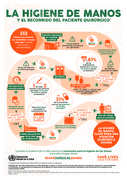
313 millones de personas son sometidas a cirugía cada año, el doble del número de nacimientos
