
Filter
706
Text search:
menstrual
Featured
76
219
Language
Document type
376
122
102
42
30
12
12
5
1
1
1
1
1
Countries
74
31
24
19
18
17
16
16
15
14
11
10
10
9
8
8
8
8
8
8
8
7
7
6
6
5
5
5
5
4
4
4
4
4
3
3
3
3
3
3
3
2
2
2
2
2
2
2
2
2
2
2
2
1
1
1
1
1
1
1
1
1
1
1
1
1
1
1
1
1
Authors & Publishers
Publication Years
Category
326
110
77
43
39
24
1
Toolboxes
52
35
30
25
24
22
21
16
13
13
12
12
10
7
7
7
4
4
3
2
1
1

This new edition and fully updated publication replaces the 2012 UCG and is being circulated free of charge to all public and private sector prescribers, pharmacists, and regulatory authorities in the country
Conflict and Health 2015, 9:8 doi:10.1186/s13031-015-0035-8
Guidelines for the prevention, care and treatment of persons with chronic hepatitis B infection
recommended
The recommendations in these guidelines promote the use of simple, non-invasive diagnostic tests to assess the stage of liver disease and eligibility for treatment; prioritize treatment for those with most advanced liver disease and at greatest risk of mortality; and recommend the preferred use of n
...
Interim emergency guidelines

Kenya: Guidelines on use of antiretroviral drugs for treating and preventing HIV infection
recommended
2018 Edition

Accessed 10 April 2015

This report presents, for the first time, a global assessment of the extent to which health care facilities provide essential water, sanitation and hygiene (WASH) services. Drawing on data from 54 low- and middle-income countries, the report concludes that 38% lack access to even rudimentary levels
...
High Transmission Areas: Key Populations
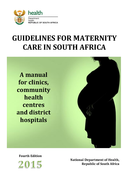
4th edition. A manual for clinics, community health centers and district hospitals

For the first time in almost 50 years there are two new drugs for the treatment of drug-resistant TB (DR-TB): bedaquiline and delamanid. There has also been increased attention given to the safety and efficacy of “re-purposed” drugs that have been widely used to treat other infections but are al
...
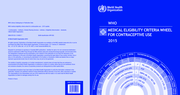
This 2015 edition not only updates important changes published in the MEC fifth edition, but also includes several user-friendly features and additional supplemental information, in response to requests WHO has received from stakeholders and partners.
