
Filter
2440
Text search:
National
Institute
of
Mental
Health
Featured
217
490
Language
2255
111
83
67
37
23
20
16
9
6
5
5
4
4
3
3
3
2
2
2
2
2
2
2
2
2
1
1
1
1
1
1
1
1
1
1
1
1
1
1
1
1
1
1
1
1
Document type
1373
458
270
154
69
52
24
17
11
5
4
1
Countries / Regions
143
115
64
64
60
53
49
48
43
35
31
31
27
27
27
26
25
24
24
24
23
22
21
20
20
18
15
14
14
14
14
12
11
10
10
9
9
9
9
8
8
8
8
8
8
8
7
7
6
6
6
6
6
6
6
6
6
6
5
5
5
5
4
4
4
4
4
4
4
4
3
3
3
3
3
3
3
3
3
3
2
2
2
2
2
2
2
2
2
2
2
2
2
2
2
2
2
2
2
2
2
1
1
1
1
1
1
1
1
1
1
1
1
1
1
1
1
1
1
1
1
1
Authors & Publishers
303
113
102
75
60
55
43
42
24
23
21
18
17
17
16
16
14
14
13
13
13
13
12
12
12
11
10
10
10
10
9
8
8
8
8
7
7
7
6
6
6
6
6
5
5
5
5
5
5
5
5
5
5
5
5
5
5
5
5
5
5
5
5
4
4
4
4
4
4
4
4
4
4
4
4
4
4
4
4
4
4
4
4
4
4
4
4
4
4
4
4
4
4
4
4
4
4
3
3
3
3
3
3
3
3
3
3
3
3
3
3
3
3
3
3
3
3
3
3
3
3
3
3
3
3
3
3
3
3
3
3
3
3
3
3
3
3
3
3
3
3
3
3
3
3
3
3
3
3
3
3
3
2
2
2
2
2
2
2
2
2
2
2
2
2
2
2
2
2
2
2
2
2
2
2
2
2
2
2
2
2
2
2
2
2
2
2
2
2
2
2
2
2
2
2
2
2
2
2
2
2
2
2
2
2
2
2
2
2
2
2
2
2
2
2
2
2
2
2
2
2
2
2
2
2
2
2
2
2
2
2
2
2
2
2
2
2
2
2
2
2
2
2
2
2
2
2
2
2
2
2
2
2
2
2
2
2
2
2
2
2
2
2
2
2
2
2
2
2
2
2
2
2
2
2
2
2
2
2
2
2
2
2
2
2
2
2
2
2
2
2
2
2
2
2
2
2
2
2
2
2
2
1
1
1
1
1
1
1
1
1
1
1
1
1
1
1
1
1
1
1
1
1
1
1
1
1
1
1
1
1
1
1
1
1
1
1
1
1
1
1
1
1
1
1
1
1
1
1
1
1
1
1
1
1
1
1
1
1
1
1
1
1
1
1
1
1
1
1
1
1
1
1
1
1
1
1
1
1
1
1
1
1
1
1
1
1
1
1
1
1
1
1
1
1
1
1
1
1
1
1
1
1
1
1
1
1
1
1
1
1
1
1
1
1
1
1
1
1
1
1
1
1
1
1
1
1
1
1
1
1
1
1
1
1
1
1
1
1
1
1
1
1
1
1
1
1
1
1
1
1
1
1
1
1
1
1
1
1
1
1
1
1
1
1
1
1
1
1
1
1
1
1
1
1
1
1
1
1
1
1
1
1
1
1
1
1
1
1
1
1
1
1
1
1
1
1
1
1
1
1
1
1
1
1
1
1
1
1
1
1
1
1
1
1
1
1
1
1
1
1
1
1
1
1
1
1
1
1
1
1
1
1
1
1
1
1
1
1
1
1
1
1
1
1
1
1
1
1
1
1
1
1
1
1
1
1
1
1
1
1
1
1
1
1
1
1
1
1
1
1
1
1
1
1
1
1
1
1
1
1
1
1
1
1
1
1
1
1
1
1
1
1
1
1
1
1
1
1
1
1
1
1
1
1
1
1
1
1
1
1
1
1
1
1
1
1
1
1
1
1
1
1
1
1
1
1
1
1
1
1
1
1
1
1
1
1
1
1
1
1
1
1
1
1
1
1
1
1
1
1
1
1
1
1
1
1
1
1
1
1
1
1
1
1
1
1
1
1
1
1
1
1
1
1
1
1
1
1
1
1
1
1
1
1
1
1
1
1
1
1
1
1
1
1
1
1
1
1
1
1
1
1
1
1
1
1
1
1
1
1
1
1
1
1
1
1
1
1
1
1
1
1
1
1
1
1
1
1
1
1
1
1
1
1
1
1
1
1
1
1
1
1
1
1
1
1
1
1
1
1
1
1
1
1
1
1
1
1
1
1
1
1
1
1
1
1
1
1
1
1
1
1
1
1
1
1
1
1
1
1
1
1
1
1
1
1
1
1
1
1
1
1
1
1
1
1
1
1
1
1
1
1
1
1
1
1
1
1
1
1
1
1
1
1
1
1
1
1
1
1
1
1
1
1
1
1
1
1
1
1
1
1
1
1
1
1
1
1
1
1
1
1
1
1
1
1
1
1
1
1
1
1
1
1
1
1
1
1
1
1
1
1
1
1
1
1
1
1
1
1
1
1
1
1
1
1
1
1
1
1
1
1
1
1
1
1
1
1
1
1
1
1
1
1
1
1
1
1
1
1
1
1
1
1
1
1
1
1
1
1
1
1
1
1
1
1
1
1
1
1
1
1
1
1
1
1
1
1
1
1
1
1
1
1
1
1
1
1
1
1
1
1
1
1
1
1
1
1
1
1
1
1
1
1
1
1
1
1
1
1
1
1
1
1
1
1
1
1
1
1
1
1
1
1
1
1
1
1
1
1
1
1
1
1
1
1
1
1
1
1
1
1
1
1
1
1
1
1
1
1
1
1
1
1
1
1
1
1
1
1
1
1
1
1
1
1
1
1
1
1
1
1
1
1
1
1
1
1
1
1
1
1
1
1
1
1
1
1
1
1
1
1
1
1
1
1
1
1
1
1
1
1
1
1
1
1
1
1
1
1
1
1
1
1
1
1
1
1
1
1
1
1
1
1
1
1
1
1
1
1
1
1
1
1
1
1
1
1
1
1
1
1
1
1
1
1
1
1
1
1
1
1
1
1
1
1
1
1
1
1
1
1
1
1
1
1
1
1
1
1
1
1
1
1
1
1
1
1
1
1
1
1
1
1
1
1
1
1
1
1
1
1
1
1
1
1
1
1
1
1
1
1
1
1
1
1
1
1
1
1
1
1
1
1
1
1
1
1
1
1
1
1
1
1
1
1
1
1
1
1
1
1
1
1
1
1
1
1
1
1
1
1
1
1
1
1
1
1
1
1
1
1
1
1
1
1
1
1
1
1
1
1
1
1
1
1
1
1
1
1
1
1
1
1
1
1
1
1
1
1
1
1
1
1
1
1
1
1
1
1
1
1
1
1
1
1
1
1
1
1
1
1
1
1
1
1
1
1
1
1
1
1
1
1
1
1
1
1
1
1
1
1
1
1
1
1
1
1
1
1
1
1
1
1
1
1
1
1
1
1
1
1
1
1
1
1
1
1
1
1
1
1
1
1
1
1
1
1
1
1
1
1
1
1
1
1
1
1
1
1
1
1
1
1
1
1
1
1
1
1
1
1
1
1
1
1
1
1
1
1
1
1
1
1
1
1
1
1
1
1
1
1
1
1
1
1
1
1
1
1
1
1
1
1
1
1
1
1
1
1
1
1
1
1
1
1
1
1
1
1
1
1
1
1
1
1
1
1
1
1
1
1
1
1
1
1
1
1
1
1
1
1
1
1
1
1
1
1
1
1
1
1
1
1
1
1
1
1
1
1
1
1
1
1
1
1
1
1
1
1
1
1
1
1
1
1
1
1
1
1
1
1
1
1
1
1
1
1
1
1
1
1
1
1
1
1
1
1
1
1
1
1
1
1
1
1
1
1
1
1
1
1
1
1
1
1
1
1
1
1
1
1
1
1
1
1
1
1
1
1
1
1
1
1
1
1
1
1
1
1
1
1
1
1
1
1
1
1
1
1
1
1
1
1
1
1
1
1
1
1
1
1
1
1
1
1
1
1
1
1
1
1
1
1
1
1
1
1
1
1
1
1
1
1
1
1
1
1
1
1
1
1
1
1
1
1
1
1
1
1
1
1
1
1
1
1
1
1
1
1
1
1
1
1
1
1
1
1
1
1
1
1
1
1
1
1
1
1
1
1
1
1
1
1
1
1
1
1
1
1
1
1
1
1
1
1
1
1
1
1
1
1
1
1
1
1
1
1
1
1
1
1
1
1
1
1
1
1
1
1
1
1
1
1
1
1
1
1
1
1
1
1
1
1
1
1
1
1
1
1
1
1
1
1
1
1
1
1
1
1
1
1
1
1
1
1
1
1
1
1
1
1
1
1
1
1
1
1
1
1
1
1
1
1
1
1
1
1
1
1
1
1
1
1
1
1
1
1
1
1
1
1
1
1
1
1
1
1
1
1
1
1
1
1
1
1
1
1
1
1
1
1
1
1
1
1
1
1
1
1
1
1
1
1
1
1
1
1
1
1
1
1
1
1
1
1
1
1
1
1
1
1
1
1
1
1
1
1
1
1
1
1
1
1
1
1
1
1
1
1
1
1
1
1
1
1
1
1
1
1
1
1
1
1
1
1
1
1
1
1
1
1
1
1
1
1
1
1
1
1
1
1
1
1
1
1
1
1
1
1
1
1
1
1
1
1
1
1
1
1
1
1
1
1
1
1
1
1
1
1
1
1
1
1
1
1
1
1
1
1
1
1
1
1
1
1
1
1
1
1
1
1
1
1
1
1
1
1
1
1
1
1
1
1
1
1
1
1
1
1
1
1
1
1
1
1
1
1
1
1
1
1
1
1
1
1
1
1
1
1
1
1
1
1
1
1
1
1
1
1
1
1
1
1
1
1
1
1
1
1
1
1
1
1
1
1
1
1
1
1
1
1
1
1
1
1
1
1
1
1
1
1
1
1
1
1
1
1
1
1
1
1
1
1
1
1
1
1
1
1
1
1
1
1
1
1
1
1
1
1
1
1
1
1
1
1
1
1
1
1
1
1
1
1
1
1
1
1
1
1
1
1
1
1
1
1
1
1
1
1
1
1
1
1
1
1
1
1
1
1
1
1
1
1
1
1
1
1
1
1
1
1
1
1
1
1
1
1
1
1
1
1
1
1
1
1
1
1
1
1
1
1
1
1
1
1
1
1
1
1
1
1
1
1
1
1
1
1
1
1
1
1
1
1
1
1
1
1
1
1
1
1
1
1
1
1
1
1
1
1
1
1
1
1
1
1
1
1
1
1
1
1
1
1
1
1
1
1
1
1
1
1
1
1
1
1
1
1
1
1
1
1
1
1
1
1
1
1
1
1
1
1
1
1
1
1
1
1
1
1
1
1
1
1
1
1
1
1
1
1
1
1
1
1
1
1
1
1
1
1
1
1
1
1
1
1
1
1
1
1
1
1
1
1
1
1
1
1
1
1
1
1
1
1
1
1
1
1
1
1
1
1
1
1
1
1
1
1
1
1
1
1
1
1
1
1
1
1
1
1
1
1
1
1
1
1
1
1
1
1
1
1
1
1
1
1
1
1
1
1
1
1
1
1
1
1
1
1
1
1
1
1
1
1
1
1
1
1
1
1
1
1
1
1
1
1
1
1
1
1
1
1
1
1
1
1
1
1
1
1
1
1
1
1
1
1
1
1
1
1
1
1
1
1
1
1
1
1
1
1
1
1
1
1
1
1
1
1
1
1
1
1
1
1
1
1
1
1
1
1
1
1
1
1
1
1
1
1
1
1
1
1
1
1
1
1
1
1
1
1
1
1
1
1
1
1
1
1
1
1
1
1
1
1
1
1
1
1
1
1
1
1
1
1
1
1
1
1
1
1
1
1
1
1
1
1
1
1
1
1
1
1
1
1
1
1
1
1
1
1
1
1
1
1
1
1
1
1
1
1
1
1
1
1
1
1
1
1
Publication Years
727
1476
222
15
Category
812
163
128
126
97
31
9
1
Toolboxes
567
201
181
120
104
74
67
64
58
57
49
47
31
24
23
21
19
16
14
11
11
6
6
4
3
1
1
MEDBOX Annual Report 2024
recommended
The MEDBOX Annual Report provides an overview of the most important projects of the past year
Elargir la Pratique Pharmaceutique - Recentrer les soins sur les patients.
Wiedenmayer, K. et al.
organisation mondiale de la Santé (OMS), Fédération internationale pharmaceutique (FIP)
(2006)
CC
French version of "Developing Pharmacy Practice" - WHO/FIP Joint handbook - Ce manuel expose un nouveau paradigme de pratique pharmaceutique. Il a pour but de guider les enseignants en pharmacie pour qu’ils intègrent cette nouvelle prat
...
ique pharmaceutique, de former les étudiants en pharmacie et d’aider les pharmaciens en exercice à actualiser leurs compétences. Ce manuel, qui rassemble outils pratiques et théorie, a été conçu pour répondre à un besoin précis : définir et développer les soins pharmaceutiques, ainsi que de permettre une meilleure compréhension de ce concept à tous les niveaux.
more
This assessment is the first of its kind to be conducted in the south-eastern region of Myanmar. It is an important contribution to ensuring the full inclusion
...
of women and children in Myanmar’s political, social, and cultural systems, with a specific focus on the issue of gender-based violence (GBV) and its impact on these groups in south-eastern Myanmar. The United Nations Population Fund (UNFPA) is grateful for the participation of women, men, boys and girls from Mon, Kayin and Kayah States for sharing their views and experiences during the study.
more
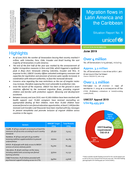
As of June 2019, the number of Venezuelans leaving their country reached 4 million, with Colombia, Peru, Chile, Ecuador and Brazil hosting the vast majority
...
of Venezuelans in Latin America. The end of the first half of the year was marked by the announcement of tighter immigration measures in Peru and Chile, which triggered a significant peak in flows from Venezuela entering Colombia, Ecuador and Peru. In response to this, UNICEF Country Offices activated contingency measures and capacities for registration and provision of services were rapidly increased, in coordination with relevant authorities, to face the increased demand.
more
Lancet Glob Health 2019Published OnlineOctober 22, 2019 https://doi.org/10.1016/S2214-109X(19)30425-5

Today, more children than ever before are displaced within their own countries. Their harrowing stories of displacement are unfolding every day, and with increasing frequency. At the end of 2019, ap
...
proximately 45.7 million people were internally displaced by conflict and violence (Fig. 1.1). Nearly half – 19 million – were estimated to be children. And millions more are displaced every year by natural disasters.
more
Adapting community-led approaches . Three out of 10 people in urban areas do not use improved sanitation facilities, and one out of 10 people are forced to practise open defecation. Still higher pro
...
portions do not have access to safely managed sanitation facilities, where the fecal sludge
is contained and either left in situ or safely emptied, transported, and delivered to a treatment plant.
more
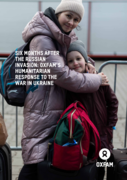
After eight years of armed conflict in the east of the country, the Russian Federation started a military offensive in Ukraine on 24 February 2022. The impact
...
of this war has been devastating. It has so far caused 16,200 civilian casualties and destroyed key infrastructure, such as hospitals, schools, homes, and water installations.
Since the beginning of the conflict, nearly 14 million people - a third of all Ukrainians - have been forced to leave their homes, 90% of them women, children, and elderly people. An estimated 6.2 million people are displaced within Ukraine, while more than 7 million sought safety in Poland, Romania and Moldova or passed through to other destinations in Europe. Some have returned to Ukraine. Another 13 million people are estimated to be stranded in or unable to leave affected areas within the country.
more
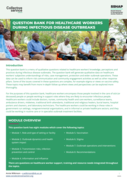
This question bank is a menu of qualitative questions related to healthcare workers’ knowledge, perceptions and practices during infectious disease outbreaks. The question bank will generate qualitative data on healthcare workers’ subjective und
...
erstandings of risks, case management, protection and wider outbreak operations. These data can be used to inform risk communication and community engagement activities as well as other response pillars. Some of the issues covered in these questions are complex, for example stigma or views on vaccine safety
more
Accessed on 22.04.2023
To target helminth elimination, a new consortium of research institutes, universities, not-for-profit organizations, and pharmaceutical companies have joined forces and expertise to establish a research and development pip
...
eline for the development of anthelminthics targeting nematodes. The focus is on STH as well as onchocerciasis.
more
Factsheet on PTSD | Most of us have had frightening experiences. Often we think about them long after the event. For some people, these distressing thoughts or images persist, as well as other symptoms such as a strong sense
...
of threat, feeling emotionally numb, and irritability. If these reactions occur frequently, last at least a month, and interfere with daily functioning, the person may be suffering from PTSD.
more
The present booklet is about gender-responsive substance abuse treatment services for women. It is part of the United Nations Office on Drugs and Crime (UNODC) project to develop tools to support the development and improvement
...
of substance abuse treatment services, based on evidence from the literature and case studies that illustrate practical experiences and lessons learned in providing substance abuse treatment services in various regions of the world.
more
Cases of monkeypox (MPX) acquired in the EU have recently been reported in nine EU Member States (Austria, Belgium, France, Germany, Italy, Portugal, Spain, Sweden, and the Netherlands).
Monkeypox (MPX) does not spread easily between people. Human-
...
to-human transmission occurs through close contact with infectious material from skin lesions of an infected person, through respiratory droplets in prolonged face-to-face contact, and through fomites. The predominance, in the current outbreak, of diagnosed human MPX cases among men having sex with men (MSM), and the nature of the presenting lesions in some cases, suggest transmission occurred during sexual intercourse
more
African countries, like many regions of the world, are affected by the legacy of atrocity crimes. Genocide, the transatlantic slave trade and slavery, colonialism and post-independence violence comm
...
itted during dictatorships, not to mention civil war and violent extremism, have severely violated human rights and left devastating marks on societies across the continent. The way in which societies deal with violent pasts has profound implications for the present and the future, as well as their chances of building sustainable peace.
Strengthening education about atrocity crimes, including genocide, crimes against humanity and war crimes, is an essential part of addressing violent pasts and preventing future atrocity crimes. Echoing a series of United Nations resolutions on the importance of educational measures for genocide prevention,1 in 2013, the Secretary-General’s annual report Responsibility to protect: State responsibility and prevention included the recommendation: “Education curriculums should include instruction on past violations and on the causes, dynamics and consequences of atrocity crimes” as an important means to promote societal resilience to atrocity crimes.
This recognition is in line with the Education 2030 Agenda and, more specifically, target 4.7 of Sustainable Development Goal (SDG) 4 on Education. This target calls on countries to promote education that fosters sustainable development, human rights, gender equality, a culture of peace, global citizenship and an appreciation of cultural diversity.
more
Towards a policy of inclusion
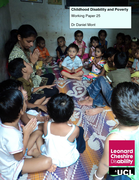
As the Convention of the Rights of Children recognizes, children are human beings with a distinct set of rights, and not the passive objects
...
of care and charity. They deserve to be full participants in society, and to live lives free of poverty. But for children, living in poverty is particularly impactful. The foundations for life are built in childhood. In the early part of our lives, our bodies and brains develop their capacities to function and interact with the world. We learn the social skills we need to fit into society, and acquire the human capital necessary to earn a living, support a family, and to fully take part in the life of our community Poverty can stunt this development. So can the onset of a disability. As the World Report on Disability (WHO/World Bank 2011) points out, people with disabilities are all too often excluded from the economic and social lives of their community. And the interaction between disability and poverty has the potential to develop a vicious circle that can greatly limit life opportunities.
Working Paper Series: No. 25
more
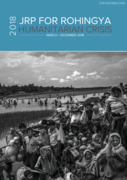
March - December 2018
The Government of Bangladesh has kept its borders open to Rohingya refugees and leads the humanitarian response. The people of Bangladesh continue to show tremendous generosit
...
y and hospitality in the face of a massive influx. In keeping with its policies, the Government of Bangladesh refers to the Rohingya as “Forcibly Displaced Myanmar Nationals”, in the present context. The UN system refers to this population as refugees, in line with the applicable international framework for protection and solutions, and the resulting accountabilities for the country of origin and asylum as well as the international community as a whole. In support of these efforts, the humanitarian community has rapidly scaled up its operations as well. Over a two-month period, the refugee population in Cox’s Bazar more than quadrupled.
more
Journal of the International AIDS Society 2016, 19:20926
There is a growing interest in the potential contribution the private sector can make towards increasing access to antiretroviral therapy (ART) in low‐ and middle‐income settings. Thi ... s article describes a public–private partnership that was developed to expand HIV care capacity in Yangon, Myanmar. The partnership was between private sector general practitioners (GPs) and a community‐based non‐governmental organization (International HIV/AIDS Alliance).
https://doi.org/10.7448/IAS.19.1.20926 more
There is a growing interest in the potential contribution the private sector can make towards increasing access to antiretroviral therapy (ART) in low‐ and middle‐income settings. Thi ... s article describes a public–private partnership that was developed to expand HIV care capacity in Yangon, Myanmar. The partnership was between private sector general practitioners (GPs) and a community‐based non‐governmental organization (International HIV/AIDS Alliance).
https://doi.org/10.7448/IAS.19.1.20926 more

Access to Services and Barriers faced by People with Disabilities: A Quantitative Survey
Nathan Grills, Lawrence Singh, Hira Pant, Jubin Varghese, GVS Murthy, Monsurul Hoq, Manjula Marella
Disability, CBR & Inclusive Development Journal (DCIDJ)
(2017)
CC
In low- and middle-income middle-income countries, reliable and disaggregated disability data on prevalence, participation and barriers are often unavailable. This study aimed to estimate disability prevalence, determine associated socio-demographic factors and compare access in the community betwee
...
n people with and without disability in Dehradun district of Uttarakhand, India, using the Rapid Assessment of Disability survey.
more
Education of children with disabilities in India and Pakistan: An analysis of developments since 2000 | Background paper prepared for the Education for All Global Monitoring Report 2015 | Education
...
for All 2000-2015: achievements and challenges
more
