
Filter
5933
Text search:
funding
Featured
448
1640
Language
5800
144
105
73
65
33
30
22
6
5
4
3
3
2
2
2
2
2
2
2
2
2
2
2
2
1
1
1
1
1
1
1
1
1
1
1
1
1
1
1
1
1
1
1
1
1
1
Document type
3111
1359
507
330
295
129
79
71
19
15
7
5
2
1
Countries
356
170
156
138
138
132
122
119
114
112
109
108
107
107
103
96
92
86
80
69
66
65
61
56
51
51
49
47
44
43
41
41
40
39
36
36
32
31
30
26
26
26
24
23
20
20
20
20
19
19
18
18
17
17
15
15
13
13
13
12
11
11
11
10
10
10
9
9
9
8
8
7
7
7
6
6
6
6
6
6
5
5
5
5
5
5
5
5
5
4
4
4
4
4
4
4
4
4
4
4
3
3
3
3
3
3
3
3
3
3
2
2
2
2
2
2
2
2
2
2
2
2
2
2
2
1
1
1
1
1
1
1
1
1
1
1
1
1
1
1
1
1
1
1
1
1
1
Authors & Publishers
717
193
185
172
140
108
102
87
78
67
49
33
33
32
31
29
29
28
28
27
26
26
26
24
22
22
21
21
20
20
20
19
19
19
19
18
18
18
18
17
17
16
16
16
16
15
15
14
14
13
13
13
13
13
13
13
13
12
12
12
12
12
12
12
12
11
11
11
11
11
11
11
11
10
10
10
10
9
9
9
9
9
9
8
8
8
8
8
8
8
8
8
8
8
8
8
7
7
7
7
7
7
7
7
7
7
7
7
7
7
7
7
7
7
7
7
7
6
6
6
6
6
6
6
6
6
6
6
6
6
6
6
6
6
6
6
6
6
6
6
6
6
6
5
5
5
5
5
5
5
5
5
5
5
5
5
5
5
5
5
5
5
5
5
5
5
5
5
5
5
5
5
5
5
5
5
5
5
5
5
5
5
5
5
5
5
5
5
5
5
5
5
5
4
4
4
4
4
4
4
4
4
4
4
4
4
4
4
4
4
4
4
4
4
4
4
4
4
4
4
4
4
4
4
4
4
4
4
4
4
4
4
4
4
4
4
4
4
4
4
4
4
4
4
4
4
4
4
4
4
4
4
4
4
4
4
4
4
3
3
3
3
3
3
3
3
3
3
3
3
3
3
3
3
3
3
3
3
3
3
3
3
3
3
3
3
3
3
3
3
3
3
3
3
3
3
3
3
3
3
3
3
3
3
3
3
3
3
3
3
3
3
3
3
3
3
3
3
3
3
3
3
3
3
3
3
3
3
3
3
3
3
3
3
3
3
3
3
3
3
3
3
3
3
3
3
3
3
3
3
3
3
3
3
3
3
3
3
3
3
3
3
3
3
3
3
3
3
3
3
3
3
3
3
3
3
3
3
3
2
2
2
2
2
2
2
2
2
2
2
2
2
2
2
2
2
2
2
2
2
2
2
2
2
2
2
2
2
2
2
2
2
2
2
2
2
2
2
2
2
2
2
2
2
2
2
2
2
2
2
2
2
2
2
2
2
2
2
2
2
2
2
2
2
2
2
2
2
2
2
2
2
2
2
2
2
2
2
2
2
2
2
2
2
2
2
2
2
2
2
2
2
2
2
2
2
2
2
2
2
2
2
2
2
2
2
2
2
2
2
2
2
2
2
2
2
2
2
2
2
2
2
2
2
2
2
2
2
2
2
2
2
2
2
2
2
2
2
2
2
2
2
2
2
2
2
2
2
2
2
2
2
2
2
2
2
2
2
2
2
2
2
2
2
2
2
2
2
2
2
2
2
2
2
2
2
2
2
2
2
2
2
2
2
2
2
2
2
2
2
2
2
2
2
2
2
2
2
2
2
2
2
2
2
2
2
2
2
2
2
2
2
2
2
2
2
2
2
2
2
2
2
2
2
2
2
2
2
2
2
2
2
2
2
2
2
2
2
2
2
2
2
2
2
2
2
2
2
2
2
2
2
2
2
2
2
2
2
2
2
2
2
2
2
2
2
2
2
2
2
2
2
2
2
1
1
1
1
1
1
1
1
1
1
1
1
1
1
1
1
1
1
1
1
1
1
1
1
1
1
1
1
1
1
1
1
1
1
1
1
1
1
1
1
1
1
1
1
1
1
1
1
1
1
1
1
1
1
1
1
1
1
1
1
1
1
1
1
1
1
1
1
1
1
1
1
1
1
1
1
1
1
1
1
1
1
1
1
1
1
1
1
1
1
1
1
1
1
1
1
1
1
1
1
1
1
1
1
1
1
1
1
1
1
1
1
1
1
1
1
1
1
1
1
1
1
1
1
1
1
1
1
1
1
1
1
1
1
1
1
1
1
1
1
1
1
1
1
1
1
1
1
1
1
1
1
1
1
1
1
1
1
1
1
1
1
1
1
1
1
1
1
1
1
1
1
1
1
1
1
1
1
1
1
1
1
1
1
1
1
1
1
1
1
1
1
1
1
1
1
1
1
1
1
1
1
1
1
1
1
1
1
1
1
1
1
1
1
1
1
1
1
1
1
1
1
1
1
1
1
1
1
1
1
1
1
1
1
1
1
1
1
1
1
1
1
1
1
1
1
1
1
1
1
1
1
1
1
1
1
1
1
1
1
1
1
1
1
1
1
1
1
1
1
1
1
1
1
1
1
1
1
1
1
1
1
1
1
1
1
1
1
1
1
1
1
1
1
1
1
1
1
1
1
1
1
1
1
1
1
1
1
1
1
1
1
1
1
1
1
1
1
1
1
1
1
1
1
1
1
1
1
1
1
1
1
1
1
1
1
1
1
1
1
1
1
1
1
1
1
1
1
1
1
1
1
1
1
1
1
1
1
1
1
1
1
1
1
1
1
1
1
1
1
1
1
1
1
1
1
1
1
1
1
1
1
1
1
1
1
1
1
1
1
1
1
1
1
1
1
1
1
1
1
1
1
1
1
1
1
1
1
1
1
1
1
1
1
1
1
1
1
1
1
1
1
1
1
1
1
1
1
1
1
1
1
1
1
1
1
1
1
1
1
1
1
1
1
1
1
1
1
1
1
1
1
1
1
1
1
1
1
1
1
1
1
1
1
1
1
1
1
1
1
1
1
1
1
1
1
1
1
1
1
1
1
1
1
1
1
1
1
1
1
1
1
1
1
1
1
1
1
1
1
1
1
1
1
1
1
1
1
1
1
1
1
1
1
1
1
1
1
1
1
1
1
1
1
1
1
1
1
1
1
1
1
1
1
1
1
1
1
1
1
1
1
1
1
1
1
1
1
1
1
1
1
1
1
1
1
1
1
1
1
1
1
1
1
1
1
1
1
1
1
1
1
1
1
1
1
1
1
1
1
1
1
1
1
1
1
1
1
1
1
1
1
1
1
1
1
1
1
1
1
1
1
1
1
1
1
1
1
1
1
1
1
1
1
1
1
1
1
1
1
1
1
1
1
1
1
1
1
1
1
1
1
1
1
1
1
1
1
1
1
1
1
1
1
1
1
1
1
1
1
1
1
1
1
1
1
1
1
1
1
1
1
1
1
1
1
1
1
1
1
1
1
1
1
1
1
1
1
1
1
1
1
1
1
1
1
1
1
1
1
1
1
1
1
1
1
1
1
1
1
1
1
1
1
1
1
1
1
1
1
1
1
1
1
1
1
1
1
1
1
1
1
1
1
1
1
1
1
1
1
1
1
1
1
1
1
1
1
1
1
1
1
1
1
1
1
1
1
1
1
1
1
1
1
1
1
1
1
1
1
1
1
1
1
1
1
1
1
1
1
1
1
1
1
1
1
1
1
1
1
1
1
1
1
1
1
1
1
1
1
1
1
1
1
1
1
1
1
1
1
1
1
1
1
1
1
1
1
1
1
1
1
1
1
1
1
1
1
1
1
1
1
1
1
1
1
1
1
1
1
1
1
1
1
1
1
1
1
1
1
1
1
1
1
1
1
1
1
1
1
1
1
1
1
1
1
1
1
1
1
1
1
1
1
1
1
1
1
1
1
1
1
1
1
1
1
1
1
1
1
1
1
1
1
1
1
1
1
1
1
1
1
1
1
1
1
1
1
1
1
1
1
1
1
1
1
1
1
1
1
1
1
1
1
1
1
1
1
1
1
1
1
1
1
1
1
1
1
1
1
1
1
1
1
1
1
1
1
1
1
1
1
1
1
1
1
1
1
1
1
1
1
1
1
1
1
1
1
1
1
1
1
1
1
1
1
1
1
1
1
1
1
1
1
1
1
1
1
1
1
1
1
1
1
1
1
1
1
1
1
1
1
1
1
1
1
1
1
1
1
1
1
1
1
1
1
1
1
1
1
1
1
1
1
1
1
1
1
1
1
1
1
1
1
1
1
1
1
1
1
1
1
1
1
1
1
1
1
1
1
1
1
1
1
1
1
1
1
1
1
1
1
1
1
1
1
1
1
1
1
1
1
1
1
1
1
1
1
1
1
1
1
1
1
1
1
1
1
1
1
1
1
1
1
1
1
1
1
1
1
1
1
1
1
1
1
1
1
1
1
1
1
1
1
1
1
1
1
1
1
1
1
1
1
1
1
1
1
1
1
1
1
1
1
1
1
1
1
1
1
1
1
1
1
1
1
1
1
1
1
1
1
1
1
1
1
1
1
1
1
1
1
1
1
1
1
1
1
1
1
1
1
1
1
1
1
1
1
1
1
1
1
1
1
1
1
1
1
1
1
1
1
1
1
1
1
1
1
1
1
1
1
1
1
1
1
1
1
1
1
1
1
1
1
1
1
1
1
1
1
1
1
1
1
1
1
1
1
1
1
1
1
1
1
1
1
1
1
1
1
1
1
1
1
1
1
1
1
1
1
1
1
1
1
1
1
1
1
1
1
1
1
1
1
1
1
1
1
1
1
1
1
1
1
1
1
1
1
1
1
1
1
1
1
1
1
1
1
1
1
1
1
1
1
1
1
1
1
1
1
1
1
1
1
1
1
1
1
1
1
1
1
1
1
1
1
1
1
1
1
1
1
1
1
1
1
1
1
1
1
1
1
1
1
1
1
1
1
1
1
1
1
1
1
1
1
1
1
1
1
1
1
1
1
1
1
1
1
1
1
1
1
1
1
1
1
1
1
1
1
1
1
1
1
1
1
1
1
1
1
1
1
1
1
1
1
1
1
1
1
1
1
1
1
1
1
1
1
1
1
1
1
1
1
1
1
1
1
1
1
1
1
1
1
1
1
1
1
1
1
1
1
1
1
1
1
1
1
1
1
1
1
1
1
1
1
1
1
1
1
1
1
1
1
1
1
1
1
1
1
1
1
1
1
1
1
1
1
1
1
1
1
1
1
1
1
1
1
1
1
1
1
1
1
1
1
1
1
1
1
1
1
1
1
1
1
1
1
1
1
1
1
1
1
1
1
1
1
1
1
1
1
1
1
1
1
1
1
1
1
1
1
1
1
1
1
1
1
1
1
1
1
1
1
1
1
1
1
1
1
1
1
1
1
1
1
1
1
1
1
1
1
1
1
1
1
1
1
1
1
1
1
1
1
1
1
1
1
1
1
1
1
1
1
1
1
1
1
1
1
1
1
1
1
1
1
1
1
1
1
1
1
1
1
1
1
1
1
1
1
1
1
1
1
1
1
1
1
1
1
1
1
1
1
1
1
1
1
1
1
1
1
1
1
1
1
1
1
1
1
1
1
1
1
1
1
1
1
1
1
1
1
1
1
1
1
1
1
1
1
1
1
1
1
1
1
1
1
1
1
1
1
1
1
1
1
1
1
1
1
1
1
1
1
1
1
1
1
1
1
1
1
1
1
1
1
1
1
1
1
1
1
1
1
1
1
1
1
1
1
1
1
1
1
1
1
1
1
1
1
1
1
1
1
1
1
1
1
1
1
1
1
1
1
1
1
1
1
1
1
1
1
1
1
1
1
1
1
1
1
1
1
1
1
1
1
1
1
1
1
1
1
1
1
1
1
1
1
1
1
1
1
1
1
1
1
1
1
1
1
1
1
1
1
1
1
1
1
1
1
1
1
1
1
1
1
1
1
1
1
1
1
1
1
1
1
1
1
1
1
1
1
1
1
1
1
1
1
1
1
1
1
1
1
1
1
1
1
1
1
1
1
1
1
1
1
1
1
1
1
1
1
1
1
1
1
1
1
1
1
1
1
1
1
1
1
1
1
1
1
1
1
1
1
1
1
1
1
1
1
1
1
1
1
1
1
1
1
1
1
1
1
1
1
1
1
1
1
1
1
1
1
1
1
1
1
1
1
1
1
1
1
1
1
1
1
1
1
1
1
1
1
1
1
1
1
1
1
1
1
1
1
1
1
1
1
1
1
1
1
1
1
1
1
1
1
1
1
1
1
1
1
1
1
1
1
1
1
1
1
1
1
1
1
1
1
1
1
1
1
1
1
1
1
1
1
1
1
1
1
1
1
1
1
1
1
1
1
1
1
1
1
1
1
1
1
1
1
1
1
1
1
1
1
1
1
1
1
1
1
1
1
1
1
1
1
1
1
1
1
1
1
1
1
1
1
1
1
1
1
1
1
1
1
1
1
1
1
1
1
1
1
1
1
1
1
1
1
1
1
1
1
1
1
1
1
1
1
1
1
1
1
1
1
1
1
1
1
1
1
1
1
1
1
1
1
1
1
1
1
1
1
1
1
1
1
1
1
1
1
1
1
1
1
1
1
1
1
1
1
1
1
1
1
1
1
1
1
1
1
1
1
1
1
1
1
1
1
1
1
1
1
1
1
1
1
1
1
1
1
1
1
1
1
1
1
1
1
1
1
1
1
1
1
1
1
1
1
1
1
1
1
1
1
1
1
1
1
1
1
1
1
1
1
1
1
1
1
1
1
1
1
1
1
1
1
1
1
1
1
1
1
1
1
1
1
1
1
1
1
1
1
1
1
1
1
1
1
1
1
1
1
1
1
1
1
1
1
1
1
1
1
1
1
1
1
1
1
1
1
1
1
1
1
1
1
1
1
1
1
1
1
1
1
1
1
1
1
1
1
1
1
1
1
1
1
1
1
1
1
1
1
1
1
1
1
1
1
1
1
1
1
1
1
1
1
1
1
1
1
1
1
1
1
1
1
1
1
1
1
1
1
1
1
1
1
1
1
1
1
1
1
1
1
1
1
1
1
1
1
1
1
1
1
1
1
1
1
1
1
1
1
1
1
1
1
1
1
1
1
1
1
1
1
1
1
1
1
1
1
1
1
1
1
1
1
1
1
1
1
1
1
1
1
1
1
1
1
1
1
1
1
1
1
1
1
1
1
1
1
1
1
1
1
1
1
1
1
1
1
1
1
1
1
1
1
1
1
1
1
1
1
1
1
1
1
1
1
1
1
1
1
1
1
1
1
1
1
1
1
1
1
1
1
1
1
1
1
1
1
1
1
1
1
1
1
1
1
1
1
1
1
1
1
1
1
1
1
1
1
1
1
1
1
1
1
1
1
1
1
1
1
1
1
1
1
1
1
1
1
1
1
1
1
1
1
1
1
1
1
1
1
1
1
1
1
1
1
1
1
1
1
1
1
1
1
1
1
1
1
1
1
1
1
1
1
1
1
1
1
1
1
1
1
1
1
1
1
1
1
1
1
1
1
1
1
1
1
1
1
1
1
1
1
1
1
1
1
1
1
1
1
1
1
1
1
1
1
1
1
1
1
1
1
1
1
1
1
1
1
1
1
1
1
1
1
1
1
1
1
1
1
1
1
1
1
1
1
1
1
1
1
1
1
1
1
1
1
1
1
1
1
1
1
1
1
1
1
1
1
1
1
1
1
1
1
1
1
1
1
1
1
1
1
1
1
1
1
1
1
1
1
1
1
1
1
1
1
1
1
1
1
1
1
1
1
1
1
1
1
1
1
1
1
1
1
1
1
1
1
1
1
1
1
1
1
1
1
1
1
1
1
1
1
1
1
1
1
1
1
1
1
1
1
1
1
1
1
1
1
1
1
1
1
1
1
1
1
1
1
1
1
1
1
1
1
1
1
1
1
1
1
1
1
1
1
1
1
1
1
1
1
1
1
1
1
1
1
1
1
1
1
1
1
1
1
1
1
1
1
1
1
1
1
1
1
1
1
1
1
1
1
1
1
1
1
1
1
1
1
1
1
1
1
1
1
1
1
1
1
1
1
1
1
1
1
1
1
1
1
1
1
1
1
1
1
1
1
1
1
1
1
1
1
1
1
1
1
1
1
1
1
1
1
1
1
1
1
1
1
1
1
1
1
1
1
1
1
1
1
1
1
1
1
1
1
1
1
1
1
1
1
1
1
1
1
1
1
1
1
1
1
1
1
1
1
1
1
1
1
1
1
1
1
1
1
1
1
1
1
1
1
1
1
1
1
1
1
1
1
1
1
1
1
1
1
1
1
1
1
1
1
1
1
1
1
1
1
1
1
1
1
1
1
1
1
1
1
1
1
1
1
1
1
1
1
1
1
1
1
1
1
1
1
1
1
1
1
1
1
1
1
1
1
1
1
1
1
1
1
1
1
1
1
1
1
1
1
1
1
1
1
1
1
1
1
1
1
1
1
1
1
1
1
1
1
1
1
1
1
1
1
1
1
1
1
1
1
1
1
1
1
1
1
1
1
1
1
1
1
1
1
1
1
1
1
1
1
1
1
1
1
1
1
1
1
1
1
1
1
1
1
1
1
1
1
1
1
1
1
1
1
1
1
1
1
1
1
1
1
1
1
1
1
1
1
1
1
1
1
1
1
1
1
1
1
1
1
1
1
1
1
1
1
1
1
1
1
1
1
1
1
1
1
1
1
1
1
1
1
1
1
1
1
1
1
1
1
1
1
1
1
1
1
1
1
1
1
1
1
1
1
1
1
1
1
1
1
1
1
1
1
1
1
1
1
1
1
1
1
1
1
1
1
1
1
1
1
1
1
1
1
1
1
1
1
1
1
1
1
1
1
1
1
1
1
1
1
1
1
1
1
1
1
1
1
1
1
1
1
1
1
1
1
1
1
1
1
1
1
1
1
1
1
1
1
1
1
1
1
1
1
1
1
1
1
1
1
1
1
1
1
1
1
1
1
1
1
1
1
1
1
1
1
1
1
1
1
1
1
1
1
1
1
1
1
1
1
1
1
1
1
1
1
1
1
1
1
1
1
1
1
1
1
1
1
1
1
1
1
1
1
1
1
1
1
1
1
1
1
1
1
1
1
1
1
1
1
1
1
1
1
1
1
1
1
1
1
1
1
1
1
1
1
1
1
1
1
1
1
1
1
1
1
1
1
1
1
1
1
1
1
1
1
1
1
1
1
1
1
1
1
1
1
1
1
1
1
1
1
1
1
1
1
1
1
1
1
1
1
1
1
1
1
1
1
1
1
1
1
1
1
1
1
1
1
1
1
1
1
1
1
1
1
1
1
1
1
1
1
1
1
1
1
1
1
1
1
1
1
1
1
1
1
1
1
1
1
1
1
1
1
1
1
1
1
1
1
1
1
1
1
1
1
1
1
1
1
1
1
1
1
1
1
1
1
1
1
1
1
1
1
1
1
1
1
1
1
1
1
1
1
1
1
1
1
1
1
1
1
1
1
1
1
1
1
1
1
1
1
1
1
1
1
1
1
1
1
1
1
1
1
1
1
1
1
1
1
1
1
1
1
1
1
1
1
1
1
1
1
1
1
1
1
1
1
1
1
1
1
1
1
1
1
1
1
1
1
1
1
1
1
1
1
1
1
1
1
1
1
1
1
1
1
1
1
1
1
1
1
1
1
1
1
1
1
1
1
1
1
1
1
1
1
1
1
1
1
1
1
1
1
1
1
1
1
1
1
1
1
1
1
1
1
1
1
1
1
1
1
1
1
1
1
1
1
1
1
1
1
1
1
1
1
1
1
1
1
1
1
1
1
1
1
1
1
1
1
1
1
1
1
1
1
1
1
1
1
1
1
1
1
1
1
1
1
1
1
1
1
1
1
1
1
1
1
1
1
1
1
1
1
1
1
1
1
1
1
1
1
1
1
1
1
1
1
1
1
1
1
1
1
1
1
1
1
1
1
1
1
1
1
1
1
1
1
1
1
1
1
1
1
1
1
1
1
1
1
1
1
1
1
1
1
1
1
1
1
1
1
1
1
1
1
1
1
1
1
1
1
1
1
1
1
1
1
1
1
1
1
1
1
1
1
1
1
1
1
1
1
1
1
1
1
1
1
1
1
1
1
1
1
1
1
1
1
1
1
1
1
1
1
1
1
1
1
1
1
1
1
1
1
1
1
1
1
1
1
1
1
1
1
1
1
1
1
1
1
1
1
1
1
1
1
1
1
1
1
1
1
1
1
1
1
1
1
1
1
1
1
1
1
1
1
1
1
1
1
1
1
1
1
1
1
1
1
1
1
1
1
1
1
1
1
1
1
1
1
1
1
1
1
1
1
1
1
1
1
1
1
1
1
1
1
1
1
1
1
1
1
1
1
1
1
1
1
1
1
1
1
1
1
1
1
1
1
1
1
1
1
1
1
1
1
1
1
1
1
1
1
1
1
1
1
1
1
1
1
1
1
1
1
1
1
1
1
1
1
1
1
1
1
1
1
1
1
1
1
1
1
1
1
1
1
1
1
1
1
1
1
1
1
1
1
1
1
1
1
1
1
1
1
1
1
1
1
1
1
1
1
1
1
1
1
1
1
1
1
1
1
1
1
1
1
1
1
1
1
1
1
1
1
1
1
1
1
1
1
1
1
1
1
1
1
1
1
1
1
1
1
1
1
1
1
1
1
1
1
1
1
1
1
1
1
1
1
1
1
1
1
1
1
1
1
1
1
1
1
1
1
1
1
1
1
1
1
1
1
1
1
1
1
1
1
1
1
1
1
1
1
1
1
1
1
1
1
1
1
1
1
1
1
1
1
1
1
1
1
1
1
1
1
1
1
1
1
1
1
1
1
1
1
1
1
1
1
1
1
1
1
1
1
1
1
1
1
1
1
1
1
1
1
1
1
1
1
1
1
1
1
1
1
1
1
1
1
1
1
1
1
1
1
1
1
1
1
1
1
1
1
1
1
1
1
1
1
1
1
1
1
1
1
1
1
1
1
1
1
1
1
1
1
1
1
1
1
1
1
1
1
1
1
1
1
1
1
1
1
1
1
1
1
1
1
1
1
1
1
1
1
1
1
1
1
1
1
1
1
1
1
1
1
1
1
1
1
1
1
1
1
1
1
1
1
1
1
1
1
1
1
1
1
1
1
1
1
1
1
1
1
1
1
1
1
1
1
1
1
1
1
1
1
1
1
1
1
1
1
1
1
1
1
1
1
1
1
1
Publication Years
1
1963
3544
408
16
1
Category
2343
405
303
284
282
97
36
1
Toolboxes
404
395
308
286
254
242
227
211
176
167
139
133
121
120
107
104
98
89
77
65
40
34
26
15
10
9
2
Noncommunicable diseases (NCDs) such as cancer, cardiovascular diseases, diabetes and chronic respiratory diseases and their risk factors are an increasing public health and development challenge in Kyrgyzstan. This report provides evidence through three analyses that NCDs reduce economic outp
...
ut and discusses potential options in response, outlining details of their relative returns on investment. An economic burden analysis shows that economic losses from NCDs are equivalent to 3.9% of gross domestic product. An intervention costing analysis provides an estimate of the funding required to implement a set of policy interventions for prevention and clinical interventions. A cost–benefit analysis compares these implementation costs with the estimated health gains and identifies which policy packages would give the greatest returns on investment.
more
The document, "Progress on the Prevention and Control of Non-Communicable Diseases," reports on global efforts to reduce the impact of NCDs, such as heart disease, cancer, diabetes, and chronic respiratory diseases, following the commitments made at high-level United Nations meetings. It highlights
...
the inadequate progress in meeting the targets set under the Sustainable Development Goal 3.4 to reduce premature NCD mortality by one-third by 2030. Key challenges include insufficient funding, limited implementation of effective interventions, and political and economic barriers, especially in low-income countries. The report calls for strengthened international cooperation, policy reform, and innovative approaches to meet global health targets.
more
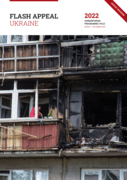
This document is the third iteration of the Flash Appeal for Ukraine, which was originally published on 1 March 2022 and revised once in mid-April. This updated Flash Appeal covers the period of 10 months following the onset of the war in Ukraine that started on 24 February 2022 (i.e., from March to
...
December 2022). The financial requirement of this Flash Appeal reflects the humanitarian needs from March until the end of 2022, taking into account the funding status and the response achievements to date, as well as the realistic projection of response capacity in the second half of the year.
more
Clinical Microbiology and Infection Volume 21, Issue 5, May 2015, Pages 433-443;
The neglected zoonotic diseases (NZDs) have been all but eradicated in wealthier countries, but remain major causes of ill-health and mortality across Africa, Asia, and Latin America. This neglect is, in part, a conse
...
quence of under-reporting, resulting in an underestimation of their global burden that downgrades their relevance to policy-makers and funding agencies. Increasing awareness about the causes of NZDs and how they can be prevented could reduce the incidence of many endemic zoonoses.
more

Addressing comorbidities and risk factors for TB is a crucial component of Pillar one of the End TB Strategy, which focuses on integrated patient-centred care and prevention, including action on TB and comorbidities. The Framework for collaborative action on TB and comorbidities aims to support coun
...
tries in the evidence-informed introduction and scale-up of holistic people-centred services for TB, comorbidities and health-related risk factors, with the goal of comprehensively addressing TB and other co-existing health conditions. It should be used in conjunction with relevant WHO guidelines. The Framework is intended for use by people working in ministries of health, other relevant line-ministries, policymakers, international technical and funding organizations, researchers, nongovernmental and civil society organizations, as well as primary care workers, specialist health practitioners, and community health workers who support the response to TB and comorbidities in both the public and private sectors.
more
Global Food and Nutrition Security Dashboard
recommended
Interactive maps; country profiles and Studies
The Dashboard is designed to consolidate and present up-to-date data on food crisis severity, track global food security financing, and make available global and country-level research and analysis to improve coordination of the policy and financial re
...
sponse to the crisis.
It will bring together disparate and vast information on food security into one place, to help reduce transaction costs, improve transparency, and strengthen analysis. It can also help speed up financing by highlighting funding needs and gaps. The goal is to inform a coordinated global food crisis response while also helping to advance medium to long-term food security interventions.
more
As climate change increasingly contributes to migration and displacement in many parts of the world, there is a pressing need for measures that build resilience and prevent displacement as well as those that help climate-affected people move to safety and support receiving communities. Multilateral
...
development banks (MDBs) are critical, if sometimes overlooked, players because of their ability to invest in large-scale projects that contribute to sustainable development, primarily in low- and middle-income countries.
This report explores the unique role of MDBs in the climate finance landscape and highlights opportunities for migration, humanitarian, and other key actors to partner with them on projects that effectively target climate-related migration and displacement. After reviewing the evidence on the complex linkages between climate and mobility, the report examines MDBs’ climate-related work to date, challenges they face to scaling up these efforts, and strategies to begin to address hurdles. These recommendations include learning from past MDB investments that have touched on climate migration, funding data collection or sharing to strengthen understanding of climate migration trends, and developing partnerships to support policy and project development, financing, and implementation.
more
Hand hygiene is vital for safe health care delivery, yet practices at the point of care remain suboptimal worldwide. A comprehensive research agenda is therefore necessary to improve our understanding of factors influencing hand hygiene behaviour and to strengthen appropriate interventions. This age
...
nda will provide insightful ideas for researchers to focus their projects and funding proposals and will direct donors towards the areas of hand hygiene evidence that require urgent support and innovation. It will also guide decision-makers and stakeholders at the national and international level and support country efforts in updating and strengthening hand hygiene promotion programmes. Global collaboration and investment in hand hygiene research remain essential to promote safe and effective care worldwide.
more

The Transformation Agenda (TA) ushered in an ambitious reform process intended to transform the World Health Organization (WHO) into an organization that is proactive, results-driven, accountable and which meets stakeholder expectations, towards transforming and improving public health services in t
...
he African Region. It aimed to achieve a WHO that is pro-results, which optimally and creatively targets technical work as well as make operations more responsive, with greater effectiveness in both communications and partnerships. The Africa Region has been the epicentre of the human immunodeficiency virus (HIV) epidemic and it’s one of the leading causes of disease and death on the continent. The WHO, with partners, has worked tirelessly for many years to control the threat and reduce the negative impact of the disease. Since the early 2000s, significant progress has been made in the global fight against the scourge of HIV. However, the WCA subregion was falling concerningly behind ESA on several key indicators of progress. In 2016, the WHO joined UNAIDS, UNICEF and other partners in a call for a strong and urgent response to support WCA countries to develop catch-up plans to triple and fast-track ART coverage, to enable the region to catch up with ESA by the end of 2020. Implementation of a widespread test-and-treat strategy, coupled with the scale-up of differentiated service delivery (DSD) and mobilization of requisite funding, accelerated WCA’s progress towards this goal. The HIV treatment catch-up and fast-track plan has achieved its target of seeing the West and Central African region (WCA) catch up with the Eastern and Southern African region’s (ESA) antiretroviral coverage rate of 78% in 2021, albeit later than the 2020 target time frame. A 33% improvement was achieved in WCA, against 21% in ESA, between 2015–2020. WCA achieved a significant 42% increase, compared to ESA’s 23%, between 2015 and 2021, to see WCA draw level with ESA at 78%. In the Democratic Republic of the Congo (DRC) alone, progress of up to 47% was observed between 2015 and 2020, for example. In addition, 1.6 million more People Living with HIV (PLHIV) were enrolled on antiretroviral treatment (ART) between 2015 and 2020.
more
Background: Comparable estimates of health spending are crucial for the assessment of health systems and to optimally deploy health resources. The methods used to track health spending continue to evolve, but little is known about the distribution of spending across diseases. We developed improved e
...
stimates of health spending by source, including development assistance for health, and, for the first time, estimated HIV/AIDS spending on prevention and treatment and by source of funding, for 188 countries.
more
This important research emphasises that many governments are not meeting spending goals, and in many countries the financing gaps are so great that, even if they met the spending goals, expenditure would still fall short of what is needed (expenditure would cover only 64% of estimated future
...
funding requirements, leaving a gap of around a third of the total US$7·9 billion needed). Quantification of the gaps in domestic spending encourages us to consider whether the amount of funding is appropriate and how much more could and should be done to fight HIV/AIDS. The important question of how governments make allocation choices also comes to the forefront. The aim of this Comment is to draw attention to the many dimensions that contribute to the complexity of these decisions on health resource allocation.
more

The majority of developing countries will fail to achieve their targets for Universal Health Coverage (UHC)1 and the health- and poverty-related Sustainable Development Goals (SDGs) unless they take urgent steps to strengthen their health financing. Just over a decade out from the SDG deadline of 20
...
30, 3.6 billion people do not receive the most essential health services they need, and 100 million are pushed into poverty from paying out-of-pocket for health services. The evidence is strong that progress towards UHC, core to SDG 3, will spur inclusive and sustainable economic growth, yet this will not happen unless countries achieve high-performance health financing, defined here as funding levels that are adequate and sustainable; pooling that is sufficient to spread the financial risks of ill-health; and spending that is efficient and equitable to assure desired levels of health service coverage, quality, and financial protection for all people— with resilience and sustainability.
more
Past quantitative research on health financing has focused mostly on the level and distribution of total expenditure, with little emphasis on the specific role of public funds, despite their known importance for universal health coverage (UHC). Health Accounts data do not disaggregate public expendi
...
ture on health by source of funding. Achieving a better understanding of public financing for health in the context of the macro-fiscal and health financing environment is of fundamental importance to the development of future health financing policy, particularly in low- and middle-income countries (LMICs).
more
The increasing amounts of official development assistance (ODA) for health have been aimed primarily at fighting HIV/AIDS, malaria and tuberculosis. Neglected tropical diseases (NTD), one of the most serious public health burdens among the most deprived communities, have only recently drawn the atte
...
ntion of major donors. While frequently stated, the low share
of funding for NTD control projects has not been calculated empirically. Our analysis of ODA commitments for infectious disease control for the years 2003 to 2007 confirms that Development Assistance Committee (DAC)-countries and multilateral donors have largely ignored funding NTD control projects. On average, only 0.6% of total annual health ODA was dedicated
to the fight against NTDs while the average share of control projects for HIV/AIDS was 36.3%, for malaria 3.6%, and for tuberculosis 2.2%. This allocation of health ODA does not reflect the diseases’ respective health burdens.
more
In October 2021, the ACT-Accelerator (ACT-A) published its 12-month Strategic Plan and budget for the period October 2021 to September 2022. Building on the investment needs outlined in that document, the ACT-A Facilitation Council Financial and Resource Mobilization Working Group developed this Fin
...
ancing Framework to clarify sources of financing that could be used to fund the ACT-A budget. Specifically, this Financing Framework seeks to: • Confirm the overall investment required to meet global COVID-19 tools coverage targets for vaccines, tests, treatments and PPE, and how much of that funding would need to be channelled through ACT-A agencies versus through other initiatives and domestic efforts. • Identify the specific sources of financing that could be used to fund ACT-A and other complementary costs associated with the delivery of the global COVID-19 tools coverage targets, for example, donor grants, domestic resources, multilateral development bank instruments (including grants and loans) or a combination of sources. • Appeal to high-income countries and major upper middle-income countries with a clear and urgent grant financing ask and expectation of fair share voluntary contributions by participants to this ‘ask’ ahead of a potential pledging event in early 2022.
more
Administrator’s Report on Financial Status as of March 20, 2019 of the Afghanistan Reconstruction Trust Fund (ARTF): Total donor indicated and actual (paid-in) contributions for the core ARTF for FY1398 amount to US$351.94 million, of which US$240.47 million (68%) are without preference and US$111
...
.47 million (32%) are preferenced. In addition, US$31.60 million has been intended in funding under the Ad Hoc Payments (AHP) facility. Table 1 reflects total donor indicated contributions and paid-in amounts, including AHP.
more
The biennium 2020–2021 has revealed more clearly than ever the need for a strong, credible and independent WHO on the world stage. The coronavirus disease (COVID-19) crisis has demonstrated the fundamental importance of the global detection, response and coordination roles that only WHO can play a
...
cross all Member States. At the same time, the challenges to global health systems and the pressure to ensure equal access to quality health care and the best health possible for all have mounted. The triple billion targets of the Thirteenth General Programme of Work, 2019–2023 remain relevant. The work of WHO in all contexts has never been more critical. However, as several Member States have pointed out, the COVID-19 pandemic has highlighted the discrepancy between what the world expects of WHO and what it is able to deliver with the resources/capacity it has at its disposal. Sustainable financing is thus a key challenge for the Organization that must be addressed as part of the lessons learned from the current COVID-19 pandemic. Member States discussed this issue in detail during the Seventy-third World Health Assembly and their conclusions were reflected in resolution WHA73.1 (2020). The topic of adequate funding is not new. However, discussions on the matter have, to date, remained rather abstract. Building on previous discussions and taking account of lessons learned, the WHO Secretariat would like to initiate a process aimed at finding a concrete solution to the sustainable financing of WHO. This document proposes a process through which to arrive at such a decision, including the key stages and timeline.
more

As a global community of +750 representatives of the world’s civil society, the C20 official Engagement Group of the G20 is submitting a list of policy priorities for the upcoming G20 Finance Ministers & Central Bank Governors meeting on July 18th and the G20 Extraordinary Sherpa Meeting on July 2
...
4th. The proposed recommendations take into account complimentary policy areas at the intersection of health and finance policymaking; including funding gaps, systemic, fiscal and financial priorities to put global finances at the service of global health.
more
With sustained economic growth in many parts of the developing world, an increasing number of countries are transitioning away from the most subsidized development finance as they exceed income and other qualification requirements. Cross-country evidence suggests that Development Assistance Committe
...
e (DAC) donors view the crossing over of the World Bank’s International Development Association (IDA) eligibility threshold to signal that a country needs less aid, with subsequent reductions in both IDA and other donors’ concessional funding. Within the health sector, it is particularly important to understand the implications of these status changes for children under five years of age since improving early childhood health is critical to fostering health and social and economic development. Therefore, we examine the implications of the IDA transition by measuring the extent t which World Bank commitments—including both IDA and IBRD—are directed to infant and child health needs in Nigeria. Ordinary Least Squares (OLS) models were used in a difference-indifferences (DID) strategy to compare World Bank IBRD/IDA lending before and after the crossover to regions with varying initial levels of under-five and infant need.
more

We created a dataset to generate estimates of donor-reported ‘official development assistance’ and private grants (ODA+) to reproductive, maternal, newborn and child health (RMNCH) by donor, recipient country and activity type over the period 2003–2013. We collected disbursement information fr
...
om the Organisation for Economic Co-operation and Development Creditor Reporting System (CRS) in January 2015. All 2.1 million records across all sectors were coded based on donor name, project title, short and long descriptions, and CRS code describing the purpose of the disbursement. We classified records according to the degree to which they would promote attainment of Millennium Development Goals 4 and 5 (reproductive and sexual health, maternal and newborn health, and child health). We also classified records according to whether they supported prenatal and neonatal health (PNH). The dataset includes project funding as well as allocating shares of general budget support, health sector support and basket funding. The data can be used to analyse resource flows to RMNCH or to other purposes or beneficiaries of ODA+.
more
