
Filter
1630
Featured
24
580
Language
1327
143
139
26
16
13
7
5
4
4
3
1
1
1
1
1
Document type
808
721
32
20
14
12
10
7
3
1
1
Countries
90
86
80
69
67
66
64
62
61
60
53
51
51
50
49
43
43
42
41
38
36
34
34
33
33
32
31
30
30
28
27
24
23
23
21
19
19
19
18
17
17
16
16
16
14
14
14
13
12
12
11
9
8
8
7
7
7
7
6
6
6
6
6
6
5
5
5
5
5
5
4
4
4
4
4
3
3
3
3
3
3
3
3
3
3
3
2
2
2
2
2
2
2
2
2
2
2
2
2
2
1
1
1
1
1
1
1
1
1
1
1
1
1
1
1
1
1
1
1
1
1
1
1
1
1
1
1
1
1
1
Authors & Publishers
66
66
54
41
37
17
16
16
16
14
12
12
11
11
11
10
10
9
9
8
8
7
7
7
7
6
6
6
6
6
6
6
6
5
5
5
5
5
5
4
4
4
4
4
4
4
4
4
4
4
4
4
4
4
4
4
4
3
3
3
3
3
3
3
3
3
3
3
3
3
3
3
3
3
3
3
3
3
3
3
3
3
3
3
3
3
3
3
3
3
3
3
3
3
3
3
3
3
3
3
3
3
2
2
2
2
2
2
2
2
2
2
2
2
2
2
2
2
2
2
2
2
2
2
2
2
2
2
2
2
2
2
2
2
2
2
2
2
2
2
2
2
2
2
2
2
2
2
2
2
2
2
2
2
2
2
2
2
2
2
2
2
2
2
2
2
2
2
2
2
2
2
2
2
2
2
2
2
2
2
2
2
2
2
2
2
2
2
2
2
2
2
2
2
2
2
2
2
2
2
2
2
2
2
2
2
2
2
2
2
2
2
2
2
2
2
2
1
1
1
1
1
1
1
1
1
1
1
1
1
1
1
1
1
1
1
1
1
1
1
1
1
1
1
1
1
1
1
1
1
1
1
1
1
1
1
1
1
1
1
1
1
1
1
1
1
1
1
1
1
1
1
1
1
1
1
1
1
1
1
1
1
1
1
1
1
1
1
1
1
1
1
1
1
1
1
1
1
1
1
1
1
1
1
1
1
1
1
1
1
1
1
1
1
1
1
1
1
1
1
1
1
1
1
1
1
1
1
1
1
1
1
1
1
1
1
1
1
1
1
1
1
1
1
1
1
1
1
1
1
1
1
1
1
1
1
1
1
1
1
1
1
1
1
1
1
1
1
1
1
1
1
1
1
1
1
1
1
1
1
1
1
1
1
1
1
1
1
1
1
1
1
1
1
1
1
1
1
1
1
1
1
1
1
1
1
1
1
1
1
1
1
1
1
1
1
1
1
1
1
1
1
1
1
1
1
1
1
1
1
1
1
1
1
1
1
1
1
1
1
1
1
1
1
1
1
1
1
1
1
1
1
1
1
1
1
1
1
1
1
1
1
1
1
1
1
1
1
1
1
1
1
1
1
1
1
1
1
1
1
1
1
1
1
1
1
1
1
1
1
1
1
1
1
1
1
1
1
1
1
1
1
1
1
1
1
1
1
1
1
1
1
1
1
1
1
1
1
1
1
1
1
1
1
1
1
1
1
1
1
1
1
1
1
1
1
1
1
1
1
1
1
1
1
1
1
1
1
1
1
1
1
1
1
1
1
1
1
1
1
1
1
1
1
1
1
1
1
1
1
1
1
1
1
1
1
1
1
1
1
1
1
1
1
1
1
1
1
1
1
1
1
1
1
1
1
1
1
1
1
1
1
1
1
1
1
1
1
1
1
1
1
1
1
1
1
1
1
1
1
1
1
1
1
1
1
1
1
1
1
1
1
1
1
1
1
1
1
1
1
1
1
1
1
1
1
1
1
1
1
1
1
1
1
1
1
1
1
1
1
1
1
1
1
1
1
1
1
1
1
1
1
1
1
1
1
1
1
1
1
1
1
1
1
1
1
1
1
1
1
1
1
1
1
1
1
1
1
1
1
1
1
1
1
1
1
1
1
1
1
1
1
1
1
1
1
1
1
1
1
1
1
1
1
1
1
1
1
1
1
1
1
1
1
1
1
1
1
1
1
1
1
1
1
1
1
1
1
1
1
1
1
1
1
1
1
1
1
1
1
1
1
1
1
1
1
1
1
1
1
1
1
1
1
1
1
1
1
1
1
1
1
1
1
1
1
1
1
1
1
1
1
1
1
1
1
1
1
1
1
1
1
1
1
1
1
1
1
1
1
1
1
1
1
1
1
1
1
1
1
1
1
1
1
1
1
1
1
1
1
1
1
1
1
1
1
1
1
1
1
1
1
1
1
1
1
1
1
1
1
1
1
1
1
1
1
1
1
1
1
1
1
1
1
1
1
1
1
1
1
1
1
1
1
1
1
1
1
1
1
1
1
1
1
1
1
1
1
1
1
1
1
1
1
1
1
1
1
1
1
1
1
1
1
1
1
1
1
1
1
1
1
1
1
1
1
1
1
1
1
1
1
1
1
1
1
1
1
1
1
1
1
1
1
1
1
1
1
1
1
1
1
1
1
1
1
1
1
1
1
1
1
1
1
1
1
1
1
1
1
1
1
1
1
1
1
1
1
1
1
1
1
1
1
1
1
1
1
1
1
1
1
1
1
1
1
1
1
1
1
1
1
1
1
1
1
1
1
1
1
1
1
1
1
1
1
1
1
1
1
1
1
1
1
1
1
1
1
1
1
1
1
1
1
1
1
1
1
1
1
1
1
1
1
1
1
1
1
1
1
1
1
1
1
1
1
1
1
1
1
1
1
1
1
1
1
1
1
1
1
1
1
1
1
1
1
1
1
1
1
1
1
1
1
1
1
1
1
1
1
1
1
1
1
1
1
1
1
1
1
1
1
1
1
1
1
1
1
1
1
1
1
1
1
1
1
1
1
1
1
1
1
1
1
1
1
1
1
1
1
1
1
1
1
1
1
1
1
1
1
1
1
1
1
1
1
1
1
1
1
1
1
1
1
1
1
1
1
1
1
1
1
1
1
1
1
1
1
1
1
1
1
1
1
1
1
1
1
1
1
1
1
1
1
1
1
1
1
1
1
1
1
1
1
1
1
1
1
1
1
1
1
1
1
1
1
1
1
1
1
1
1
1
1
1
1
1
1
1
1
1
1
1
1
1
1
1
1
1
1
1
1
1
1
1
1
1
1
1
1
1
1
1
1
1
1
1
1
1
1
1
1
1
1
1
1
1
1
1
1
1
1
1
1
1
1
1
1
1
1
1
1
1
1
1
1
1
1
1
1
1
1
1
1
1
1
1
1
1
1
1
1
1
1
1
1
1
1
1
1
1
1
1
1
1
1
1
1
1
1
1
1
1
1
1
1
1
1
1
1
1
1
1
1
1
1
1
1
1
1
1
1
1
1
1
1
1
1
1
1
1
1
1
1
1
1
1
1
1
1
1
1
1
1
1
1
1
1
1
1
1
1
1
1
1
1
1
1
1
1
1
1
1
1
1
1
1
1
1
1
1
1
1
1
1
1
1
1
1
1
1
1
1
1
1
1
1
1
1
1
1
1
1
1
1
1
1
1
1
1
1
1
1
1
1
1
1
1
1
1
1
1
1
1
1
1
1
1
1
1
1
1
1
1
1
1
1
1
1
1
1
1
1
1
1
1
1
1
1
1
1
1
1
1
1
1
1
1
1
1
1
1
1
1
1
1
1
1
1
1
1
1
1
1
1
1
1
1
1
1
1
1
1
1
1
1
1
1
1
1
1
1
1
1
1
1
1
1
1
1
1
1
1
1
1
1
1
1
1
1
1
1
1
1
1
1
1
1
1
1
1
1
1
1
1
1
1
1
1
1
1
1
1
1
1
1
1
1
1
1
1
1
1
1
1
1
1
1
1
1
1
1
1
1
1
1
1
1
1
1
1
1
1
1
1
1
1
1
1
1
1
1
1
1
1
1
1
1
1
1
1
1
1
1
1
1
1
1
1
1
1
1
1
1
1
1
1
1
1
1
1
1
1
1
1
1
1
1
1
1
1
1
1
1
1
1
1
1
1
1
1
1
1
1
1
1
1
1
1
1
1
1
1
1
1
1
1
1
1
1
1
1
1
1
1
1
1
1
1
1
1
1
1
1
1
1
1
1
1
1
1
1
1
1
1
1
1
1
1
1
1
1
1
1
1
1
1
1
1
1
1
1
1
1
1
1
1
1
1
1
1
1
1
1
1
1
1
1
1
1
1
1
1
1
1
1
1
1
1
1
1
1
1
1
1
1
1
1
1
1
1
1
1
1
1
1
1
1
1
1
1
1
1
1
1
1
1
1
1
1
1
1
1
1
1
1
1
1
1
1
1
1
1
1
1
1
1
1
1
1
1
1
1
1
1
1
1
1
1
1
1
1
1
1
1
1
1
1
1
1
1
1
1
1
1
1
1
1
1
1
1
1
1
1
1
1
1
1
1
1
1
1
1
1
1
1
1
1
1
1
1
1
1
1
1
1
1
1
1
1
1
1
1
1
1
1
1
1
1
1
1
1
1
1
1
1
1
1
1
1
1
1
1
1
1
1
1
1
1
1
1
1
1
1
1
1
1
1
1
1
1
1
1
1
1
1
1
1
1
1
1
1
1
1
1
1
1
1
1
1
1
1
Publication Years
592
988
50
Toolboxes
121
58
55
49
44
42
39
34
27
23
18
17
17
16
14
13
10
9
5
4
4
2
1
Civil disorder, authority credibility and public health: Chile’s unique sociopolitical
context in dealing with COVID-19.
Background: Healthcare workers’ mental health was affected by SARS-CoV-2 pandemic.
Aim: To evaluate healthcare workers’ mental health and its associated factors during the pandemic in Chile. Material and Methods: An online self-reported questionnaire was designed including the Goldberg Healt
...
h Questionnaire, the Patient Health
Questionnaire, (PHQ-9), and the Columbia-Suicide Severity Rating Scale among other questions. It was sent to 28,038 healthcare workers.
Results: The questionnaire was answered by 1,934 participants, with a median age of 38 years (74% women). Seventy five percent were professionals, and 48% worked at a hospital. Fifty nine percent of respondents had a risk of having a mental health disorder, and 73% had depressive symptoms. Significant associations were found with sex, workplace, and some of the relevant experiences during the pandemic. Fifty one
percent reported the need for mental health support, and 38% of them received it.
Conclusions: There is a high percentage of health workers with symptoms of psychological distress, depression, and suicidal ideas. The gender approach is essential to understand the important differences found. Many health workers who required mental health care did not seek or received it.
more

Introduction: Considering the global prevalence of coronavirus disease 2019 (COVID-19), a vaccine is being developed to control the disease as a complementary solution to hygiene measures—and better, in social terms, than social distancing. Given that a vaccine will eventually be produced, informa
...
tion will be needed to support a potential campaign to promote vaccination.
Objective: The aim of this study was to determine the variables affecting the likelihood of refusal and indecision toward a vaccine against COVID-19 and to determine the acceptance of the vaccine for different scenarios of effectiveness and side effects.
Materials and Methods: A multinomial logistic regression method based on the Health Belief Model was used to estimate the current methodology, using data obtained by an online anonymous survey of 370 respondents in Chile.
Results: The results indicate that 49% of respondents were willing to be vaccinated, with 28% undecided or 77% of individuals who would potentially be willing to be inoculated. The main variables that explained the probability of rejection or indecision were associated with the severity of COVID-19, such as, the side effects and effectiveness of the vaccine; perceived benefits, including immunity, decreased fear of contagion, and the protection of oneself and the environment; action signals, such as, responses from ones' family and the government, available information, and specialists' recommendations; and susceptibility, including the contagion rate per 1,000 inhabitants and relatives with COVID-19, among others. Our analysis of hypothetical vaccine scenarios revealed that individuals preferred less risky vaccines in terms of fewer side effects, rather than effectiveness. Additionally, the variables that explained the indecision toward or rejection of a potential COVID-19 vaccine could be used in designing public health policies.
Conclusions: We discovered that it is necessary to formulate specific, differentiated vaccination-promotion strategies for the anti-vaccine and undecided groups based on the factors that explain the probability of individuals refusing or expressing hesitation toward vaccination.
more
The aim of this article is to identify the elements behind the country’s successful COVID-19 rollout as well as lessons and chal lenges derived from this process. The analysis is relevant to many countries today—as they keep searching for strategies to cope with the second year of the COVID-19 p
...
andemic and the challenge of implementing a large-scale vaccine rollout—and in the coming years—as new variants develop and unceertainty about the vaccination strategy increases.
more
Panam Salud Publica. 2021;45:e22. https://doi.org/10.26633/RPSP.2021.22
En este apartado se presentan a modo de resumen las principales
conclusiones de este estudio realizado a 360 empresas paraguayas sobre el
impacto económico de la crisis provocada por la COVID-19.

Planificación y Gestión Integral de la Pandemia COVID-19 en Paraguay. Una integración de herramientas analíticas epidemiológicas,
económicas y sociales

TB situation in vulnerable populations. Rev. Nac. (Itauguá) vol.13 no.1 Itauguá jun. 2021
La pandemia de covid-19 ha afectado la detección y tratamiento de pacientes con TBC en Paraguay que lejos de ser una enfermedad erradicada, es motivo de preocupación sanitaria y sigue afectando a miles de
...
personas, si bien se inician actividades de campo con apoyo del PNCT para la búsqueda activa, seguimiento de casos y control de contactos en comunidades indígenas y asentamientos, estas tareas no son continuas debido al aumento de los casos de covid-19 en el país, que favorece el temor a acudir a los hospitales para el diagnóstico, a sus controles e incluso se ve afectado el retiro de los medicamentos. En el marco de la pandemia, es probable que aumenten los fracasos terapéuticos con el consiguiente desenlace fatal, por lo que debe hacerse una revisión de las estrategias dirigidas a poblaciones vulnerables con un compromiso verdadero del sector político, sumado a una fuerte colaboración multisectorial e intercultural para lograr el fin de la TBC
more
Rev Panam Salud Publica. 2021;45:e74.
Some characteristics of patients and healthcare providers influence treatment success in MDR-TB cases. Physicians’ and nurses’ knowledge about MDR-TB must be improved, and follow-up of MDR-TB patients who are living with HIV and of those affiliated with the
...
subsidized health insurance scheme in Colombia must be strengthened, as these patients have a lower likelihood of a successful treatment outcome.
more
Rev Panam Salud Publica 45, 2021 |
Encuesta de indicadores multiples por conlomerados 2019-2020

his profile is part of a series of Climate Risk Country Profiles developed by the World Bank Group (WBG). The country profile
synthesizes most relevant data and information on climate change, disaster risk reduction, and adaptation actions and policies
at the country level. The country profile ser
...
ies are designed as a quick reference source for development practitioners to better
integrate climate resilience in development planning and policy making.
more
The crisis caused by the COVID-19 pandemic exacerbated preexisting structural economic inequalities, and had a disproportionate impact on informal workers, especially on women and young people, who lost jobs and income. The situation was even more difficult for single-parent households led by women,
...
who also had to endure more housework and care tasks. As shown by various research studies, the asymmetric distribution of care tasks, taken up by women, is an inequality factor.
more
This profile is part of a series of Climate Risk Country Profiles developed by the World Bank Group (WBG). The country profile synthesizes most relevant data and information on climate change, disaster risk reduction, and adaptation actions and policies at the country level. The country profile seri
...
es are designed as a quick reference source for development practitioners to better integrate climate resilience in development planning and policy making. This effort is managed and led by Veronique Morin (Senior Climate Change Specialist, WBG) and Ana E. Bucher (Senior Climate Change Specialist, WBG)
more
Peru − Progress in health and sciences in 200 years of independence
Carrillo-Larco; R.M.; Guzman-Vilca, W. C.; Leon-Velarde, F.; et al.
The Lancet Regional Health - Americas
(2021)
CC
Peru celebrates 200 years of independence in 2021. Over this period of independent life, and despite the turbulent socio-political scenarios, from internal armed conflict to economic crisis to political instability over the last 40 years, Peru has experienced major changes on its epidemiological and
...
population health profile. Major advancements in maternal and child health as well as in communicable diseases have been achieved in recent decades, and today
Peru faces an increasing burden of non-communicable diseases including mental health conditions. In terms of the configuration of the public health system, Peru has also strived to secure country-wide optimal health care, struggling in particular to improve primary health care and intercultural services.
more
The main objective of the health systems is to meet the health needs of the population in general, but for this the system must have adequate financing and supply support to cover the entire population in question and check quality, efficiency, equity services, safety and sustainability. However, co
...
nsidering the segmented Peruvian health system, this makes it more deficient in comprehensive care for the population due to the duplication of functions, misuse of its resources, absence of complementary services. Due to the COVID-19 pandemic, this deficiency in the Peruvian health system became more evident owing to the high number of
deaths and its state of collapse, combining these factors this scope review aims to map the current state of the Peruvian health system, its structure, synthesize data on the performance of the health system (in terms of access, coverage and quality of health services) and identify the main public health policies available
more
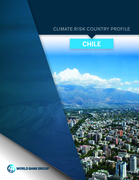
Climate change is a major risk to good development outcomes, and the World Bank Group is committed to playing an important role in helping countries integrate climate action into their core development agendas. The World Bank Group is committed to supporting client countries to invest in and build a
...
low-carbon, climate-resilient future, helping them to be better prepared to adapt to current and future climate impacts
more
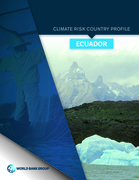
This profile is part of a series of Climate Risk Country Profiles developed by the World Bank Group (WBG). The country profile
synthesizes most relevant data and information on climate change, disaster risk reduction, and adaptation actions and policies
at the country level. The country profile se
...
ries are designed as a quick reference source for development practitioners to better
integrate climate resilience in development planning and policy making.
more
