
Filter
235
Featured
10
92
Language
Document type
141
54
12
9
5
3
3
2
2
1
1
1
1
Countries
14
14
12
11
10
9
9
8
8
7
7
6
5
5
5
5
4
4
4
3
3
3
3
2
2
2
2
2
2
1
1
1
1
1
1
1
1
1
1
1
1
1
1
1
1
Authors & Publishers
Publication Years
Category
62
31
23
22
22
19
18
17
16
13
12
11
9
5
4
3
2
2
2
2
2
2
2
1
1
1
1
1
1
1
1
1
1
1
1
1
1
1
1
1
1
1
1
1
1
1
1
1
Toolboxes
8
8
5
4
4
2
2
2
2
2
2
2
2
2
2
2
2
2
1
1
1
1
1
1
1
1
1
1
1
1
1
1
1
1
1
1
1
1
1
1
1
1
1
1
1
1
1
1
1
1
1
1
1
1
1
1
1
1
1
1
1
1
1
1
1
1
1
1
1
1
1
1
1
1
1
1
1
1
1
1
1
1
1
The Rectal Artesunate Tools & Training package has been developed to support the safe and effective use of artesunate rectal capsules (ARCs) as a pre-referral treatment for severe malaria, in line with WHO guidelines. Primarily aimed at community health workers operating in remote areas, the package
...

A toolkit for health facilities. This toolkit highlights successful differentiated-care approaches implemented in a number of settings and countries in sub-Saharan Africa. The toolkit will be further updated as more experience is gained with these and similar
approaches

This is the 2025 draft Malawi Guidelines for Syndromic Management of Sexually Transmitted Infections which is yet to be approved by the SMT.
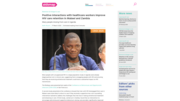
Most people with unsuppressed HIV in a large population study in Uganda were already diagnosed but not in clinical care, suggesting that re-engaging people with HIV and ensuring that they are receiving antiretroviral treatment could have a substantial impact on HIV transmission.
Contains data from World Health Organization's data portal covering the following categories:
Mortality and global health estimates, Sustainable development goals, Millennium Development Goals (MDGs), Health systems, Malaria, Tuberculosis, Child health, Infectious diseases, Neglected Tropical Disea
...

UNAIDS leads the world's most extensive data collection on HIV epidemiology, programme coverage and finance and publishes the most authoritative and up-to-date information on the HIV epidemic.
This dataset contains data from WHO's data portal covering the following categories:
Air pollution, Antimicrobial resistance (AMR), Assistive technology, Child mortality, Dementia diagnosis, treatment and care, Dementia policy and legislation, Environment and health, Foodborne Diseases Estimates,
...

Trends in under-five mortality rate in Malawi: Child health; Child protection ; Child survival ;Early childhood ;Education ;HIV/AIDS
Maternal and newborn health ;Nutrition ;Sanitation ;Drinking water;MICS
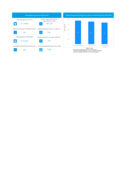
Demographic and socioeconomic data Progress towards HIV testing and treatment cascade targets by 2025 (2023) Health sector cascade (2023) Estimated number of people newly infected with HIV

Malawi is a landlocked country with a surface area of 118,484 km2. Administratively, the country is divided into three regions, namely the Northern, Central and Southern regions. The country has 28 districts, which are further divided into traditional authorities (TA) ruled by chiefs. The TAs are su
...

The comic follows the story of Tiwale, a young girl from Malawi with dreams of becoming a football player. As she discovers that she is living with HIV, she learns to overcome her challenges with the support of her family and friends. This project investigates how the comic book is received by young
...
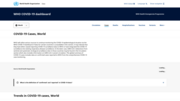
Malawi Coronavirus(COVID-19) statistics. Total and daily confirmed cases and deaths.

The Mapping Antimicrobial Resistance and Antimicrobial Use Partnership (MAAP) project has conducted a multi-year, multi-country study that provides stark insights on the under-reported depth of the antimicrobial resistance (AMR) crisis across Africa and lays out urgent policy recommendations to addr
...
Infection prevention and control (IPC) in a CTC/ CTU IPC are all practical measures taken in the healthcare facility to prevent harm caused by infections to patients, health workers and communities.
The main goal of IPC in the cholera response is to
• To reduce transmission of health care-as
...
Annual Report WHO
Based on an increasing body of evidence pointing at the positive impact that social assistance has had in Malawi, the region and beyond, government is encouraged to continue investing in and supporting the expansion and comprehensiveness of social protection programmes in both rural and urban areas,
...
Malawi's Ministry of Health officially declared on August 16, 2023, that the cholera outbreak is no longer a national health emergency. Since the outbreak began in February 2022, the country recorded 58,982 cholera cases and 1,768 deaths. Through coordinated efforts by the government, development pa
...
This document was developed by the Ministry of Health in Malawi in collaboration with national and international partners. It introduces a Social and Behaviour Change (SBC) malaria message guide that is aligned with the National Malaria Communication Strategy (NMCS) for the period 2023–2030. The g
...

This policy brief aims to provide a review of the current progress on implementing the Malawi national action plan on AMR, identifies critical gaps, and highlights findings to accelerate further progress in the human health sector. The target audience includes all those concerned with implementing a
...
PLOS Glob Public Health 2(8): e0000272. https://doi.org/10.1371/journal.pgph.0000272
Sepsis is a major global health problem, especially in sub-Saharan Africa. Improving patient care requires that healthcare providers understand patients’ priorities and provide quality care within the confines of
...
