
Filter
519
Text search:
zero
discrimination
Featured
51
166
Language
Document type
301
96
43
34
30
8
2
1
1
1
Countries
28
18
18
17
17
14
14
14
12
11
10
10
9
9
8
8
7
7
6
6
5
5
5
5
5
4
4
3
3
3
3
3
3
3
2
2
2
2
2
2
2
2
2
1
1
1
1
1
1
1
1
1
1
1
1
1
1
1
1
1
1
1
Authors & Publishers
Publication Years
Category
213
30
24
23
19
2
2
Toolboxes
52
39
33
32
27
22
18
17
14
13
13
10
6
5
3
2
2
2
2
2
2
1
1

As a new chapter in the response to the world drug problem begins, UNAIDS calls on countries to adopt the recommendations contained within this report, and to rapidly transform those commitments into laws, policies, services and support that allow people who use drugs to live healthy and dignified l
...
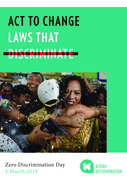
Zero Discrimination Day
#ZERO DISCRIMINATION
1 March 2019
Accessed: 19.10.2019
Health, Rights and Drugs
recommended
Harm Reducation, Decriminalization and Zero Discrimination for People who use Drugs
UNAIDS leads and inspires the world to achieve its shared vision of zero new HIV infections, zero discrimination and
...
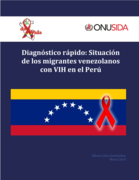
Thousands of HIV-positive Venezuelans have been forced to leave the country, after facing discrimination and zero treatment options, according to UNAIDS.
Patients once received free ARV treatment u
...
The World Health Organization recently redefined leprosy elimination as a phased process, with the first milestone being the
interruption of transmission, achieved when no new child cases (defined as younger than 15 years) are reported for five consecutive years.
In Pakistan, the well-functioning
...

The ILO has joined forces with Gallup to carry out a groundbreaking global survey covering 50 countries that sheds further light on the causes of the persistence of HIV-related stigma and discrimination in the world of work.
This report reviews the latest evidence on what works to reduce HIV-related stigma and discrimination through key programmes to reduce stigma and discrimination and increase access to justice in the
...

L'OIT a uni ses forces à celles de Gallup pour mener une enquête mondiale inédite couvrant 50 pays et permettant de mieux comprendre les causes de la stigmatisation et de la discrimination persistantes liées au VIH dans le monde du travail.

Providing quality, stigma-free services is essential to equitable health care for all and achieving global HIV goals and broader Sustainable Development Goals related to health. Every person has the right to the highest attainable standard of physical and mental health. Countries have a legal obliga
...
A review of policy and practice; zero Hunger Phase 1
States have a moral and legal obligation—under the Universal Declaration of Human Rights, human rights treaties, the 2030 Agenda for Sustainable Development and other international obligations—to remove discriminatory laws and to enact laws that protect people from
...
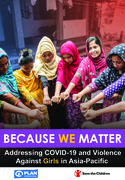
Asia is home to more than half of the world’s 1.1 billion girls. Gender inequality in many parts of the region means that girls are often systematically disadvantaged and oppressed by poverty, violence, exclusion and discrimination. Girls’ devel
...
The National AIDS Control Council recognizes the growing, organized and progressive inter-faith religious voice in the spheres of governance and development in Kenya. Across the country, the Faith Sector has been involved in HIV prevention, treatment, care and support to programmes towards
...
This document brings to attention key health and human rights considerations with regards to COVID-19 pandemic. It highlights the importance of integrating a human rights based approach in response to COVID-19. It provides key considerations in relation to addressing stigma and
...
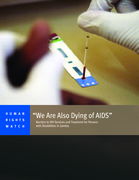
Barriers to HIV Services and Treatment for Persons with Disabilities in Zambia
The 80-page report documents the obstacles faced by people with disabilities in both the community and healthcare settings. These include pervasive stigma and discrimination
...
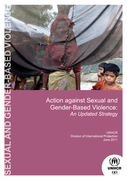
Sexual and gender-based violence (SGBV) threatens displaced women and girls, as well as men and boys, in all regions of the world. Creating safe environments and mitigating the risk of SGBV can only be achieved by addressing gender inequality and discrimin
...
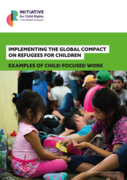
Children in refugee situations face many potential dangers, such as violence, abuse, exploitation, discrimination, separation from their families, trafficking and military recruitment. The impact of these experiences can be devastating and long-last
...

Latin America and the Caribbean is characterized by a matrix of social inequality whose axes —such as
socioeconomic stratum, gender, stage in the life cycle, ethnicity and race, territory, disability, and immigration
status— create multiple, often concurrent, situations of exclusion and
...
