
Filter
240
Text search:
plague
Featured
37
78
Language
Document type
120
37
27
23
10
10
5
3
2
2
1
Countries
13
9
9
8
6
5
5
5
5
4
4
4
3
3
3
3
3
3
3
2
2
2
2
2
2
2
2
2
2
2
2
2
2
2
2
1
1
1
1
1
1
1
1
1
1
1
1
1
1
1
1
1
1
1
1
1
1
1
1
1
1
1
1
1
Authors & Publishers
Publication Years
Category
77
27
24
17
8
6
4
Toolboxes
25
19
16
12
12
11
10
10
9
9
7
6
5
5
5
4
2
2
2
1
1
1
1


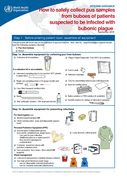

Brief instructions for the diagnostic of specimens coming from suspected plague cases and exposed contacts, including recommendations for diagnostic confirmation
Plague: Knowledge resources for responders
recommended
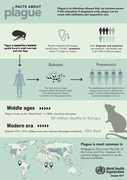
Plague is a zoonotic disease caused by the bacteria Yersinia pestis, found in small mammals. It is transmitted between animals by their fleas.
The bacteria, the animal reservoir and the vector in a given area are collectively called a “
...

This is a basic form for reporting individual cases of plague. It asks for information regarding patient history and the course of the illness. In addition, it offers space for laboratory results, the case status, and epidemiological information.

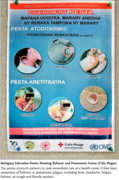
The New England Journal of Medicine, 378;2
Disease outbreak news
Open AccessPublished:March 28, 2019DOI:https://doi.org/10.1016/S1473-3099(18)30730-8
The Lancet Infectious Diseases

Leading disease outbreak experts have come together to show gamers everywhere how to spot and stop a pandemic. The popular simulation Plague Inc: The Cure not only transports players into a global public health outbreak similar to the COVID-19 pande
...
National Plague Control Guidelines
recommended
Accessed Oktober 18, 2017
Cocaine is a highly addictive and dangerous illicit substance that plague millions of Americans each year. Learn here about the dangers, warning signs, and how cocaine addiction can be treated.

Websites last accessed on 04.04.2023
Chagas disease, also known as the “kissing disease,” is considered one of the Neglected Tropical Diseases (NTDs), which are diseases that have been forgotten by developed countries because they usually plague
...

The ECDC Communicable Disease Threats Report (CDTR) is a weekly bulletin for epidemiologists and health professionals on active public health threats. This issue covers the period 5-11 November 2017 and includes updates on measles, rubella, chikungunya, West Nile virus,
...
The purpose of this document is to inform the public about biological and chemical hazards and thereby prepare the population for an immediate response in the event of an incident until public health support is provided.
The agents reported here are: Anthrax, Botulism, Haemorrhagic Fever,
...
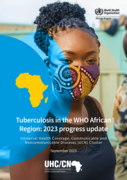
This brief update on tuberculosis (TB) in the African region covers the state of TB in the WHO African region, strategic priorities and targets and the impact of COVID-19 on essential services. This is followed by key figures for the region, the role of WHO in country support and, recognizing the im
...
