
Filter
754
Text search:
misinformation
Featured
92
97
Language
Document type
178
168
119
79
66
58
25
22
17
7
6
4
3
2
Countries
46
28
26
23
19
18
17
16
13
13
13
12
12
11
10
10
10
9
9
9
9
8
8
8
8
8
7
7
7
7
7
6
5
5
4
4
4
4
4
4
4
4
4
3
3
3
3
3
3
2
2
2
2
2
2
2
2
2
2
2
2
2
2
2
2
2
2
1
1
1
1
1
1
1
1
1
1
1
1
1
1
1
1
1
1
1
1
1
1
1
1
1
1
1
1
1
1
1
1
1
1
1
1
1
1
1
Authors & Publishers
Publication Years
Category
242
47
42
35
34
24
2
1
Toolboxes
326
61
32
28
25
21
21
18
15
15
14
14
13
9
8
7
6
6
6
6
5
5
4
4
1

Brazilian media and science communicators must understand the main characteristics of misinformation in social media about COVID-19, so that they can develop attractive, up-to-date and evidence-based content that helps to increase health literacy an
...

Social Media + SocietyJuly-September 2020: 1 –4
It describes and analyzes the theoretical-practical incidences of misinformation, disinformation, and malinformation, including but not limited to the Information Science framework. Besides, it aims to outline an understanding of the
...
A report demonstrating the urgent need to support groups at the local level if COVID-19 misinformation and mistrust is to be tackled effectively.
BMJ Open Science 2021;5:e100202. doi:10.1136/
bmjos-2021-100202
The Internews Humanitarian Information Services Learning Collection communicates key lessons, best practices, and programmatic methodologies used by Internews’ humanitarian teams around the world.
Each module within the Learning Collection includes three parts: Context, Case Studies, and a How-To
...
Guidance for addressing a global infodemic and fostering demand for immunization
December 2020
Misinformation threatens the success of vaccination programs across the world. This guide aims to help organizations to address the global infodemic thr
...
A Technical Brief for Breakthrough ACTION Field Teams
Tobacco mythbusters: tools for debunking common myths promoted by the tobacco industry
The case for evidence- based communication of science
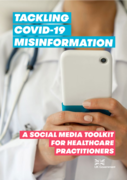
Tackling COVID-19 misinformation. Ensuring communities have access to lifesaving public health information from trusted sources and are not misled by misinformation is essential to ending the COVID
...
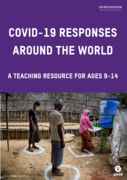
This resource will help learners to:
discuss their thoughts and feelings about COVID-19
investigate some of the incredible ways in which people have been responding to this crisis
understand the difference between information, disinformation and
...

GO VIRAL! helps protect you against COVID-19 misinformation. You’ll learn about some of the most common ways false and misleading information about the virus are spread. Understanding these tricks allows you to resist them the next time you come a
...
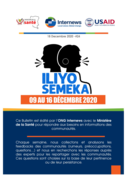
Internews in the Democratic Republic of Congo (DRC) is producing this weekly bulletin – Iliyo Semeka (“What was said” in Swahili) to respond to rumors and misinformation about COVID-19. The project is implemented in four regions in DRC – all
...

Collection of Tools, Techniques, Resources and Stragtegies for Journalists covering the Coronavirus Outbreak. Includes Tools for Fact-Checking, misinformation and hoaxes.

This practice guide offers approaches, practices and tools to working with rumours and misinformation. It is aimed primarily at humanitarian programme managers and field staff to provide them with practical tips on how to work with rumours in their
...
A Technical Brief for Breakthrough ACTION Field Teams
Social media can be used to collect and address rumors or popular beliefs among target audiences, share evidence-based and timely health information, receive instant feedback on materials, conduct remote trainings, promote awareness of a project
...
Digital Channels
recommended
In the face of the COVID-19 pandemic, the technology industry has played an unprecedented role in building solidarity and supporting the WHO to keep people safe and informed about the virus. Tech partnerships have enabled WHO to reach diverse global audiences in the palm of their hands with life-sav
...
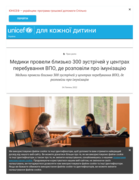
Медики провели близько 300 зустрічей у центрах перебування ВПО, де розповіли про імунізацію
04 Липень 2022
Forty-eight health workers have been visiting internally displaced persons’ (IDP) centres in Ukraine as part
...
