Filter
56
Text search:
congenital
cataract
Featured
8
23
Language
Document type
43
5
3
3
1
1
Countries
8
4
3
3
3
2
2
2
1
1
1
1
1
1
1
1
1
1
1
Authors & Publishers
Publication Years
Category
33
8
5
2
1
Toolboxes
15
5
1
1
1
1
The WHO estimates that 19 million children aged 15 years or younger are visually impaired. Of these, 1.4 million are irreversibly blind and need visual rehabilitation interventions for full psychological and personal development. The remainder have visual problems that could be prevented or treated.
...
The volume presents data on the surgical burden of disease, disability, congenital anomalies, and trauma, along with health impact and economic analyses of procedures, platforms, and packages to improve care in settings with severe budget limitation
...
This Birth Defect Surveillance facilitator (train-the-trainer) guide 2nd edition covers foundational skills needed to begin the development, implementation and ongoing improvement of a congenital anomaly surveillance programme, whether population-ba
...
A Manual for Maternity Unit Personnel - Part of the CBM Prevention Toolkit on Birth Impairments
Part of the CBM Prevention Toolkit on “Recognising Impairments at Birth”


This Eye health strategic plan presents the Ministry of Health’s five
year proposed strategies for eye care in Kenya. It sets the strategic
direction for the National Eye Health Care System and presents
information on the priorities, objectives and indicators that the
Ministry has adopted espe
...

Accessed Febr. 6, 2020
3rd edition!Large File 17 MB!
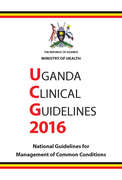
This new edition and fully updated publication replaces the 2012 UCG and is being circulated free of charge to all public and private sector prescribers, pharmacists, and regulatory authorities in the country


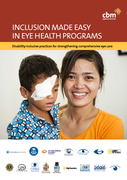
Disability inclusive practices for strengthening comprehensive eye care