Filter
924
Text search:
blind
people
Featured
74
175
Language
Document type
591
141
110
31
19
12
10
4
3
2
1
Countries
33
29
24
21
21
17
17
15
15
13
13
13
12
12
11
11
9
8
8
7
7
7
7
7
6
6
6
6
6
6
5
5
4
4
4
4
3
3
3
3
3
3
3
3
3
3
2
2
2
2
2
2
2
2
2
2
2
2
2
1
1
1
1
1
1
1
1
1
1
1
1
1
1
1
1
1
1
1
1
1
Authors & Publishers
Publication Years
Category
256
68
57
35
31
11
1
Toolboxes
251
98
64
58
36
29
23
20
18
16
11
11
8
8
8
8
8
8
6
6
6
5
4
4
1
The aim of this pamphlet is to inform parents and guardians of supports and services available for children and young people who are blind or have a visual impairment.
.This assessment was conducted using focus group discussion(FGD)with peopleliving with disabilities who were members of the Ethiopian National Association of the Deaf(Person with hearing impairment), Ethiopian National Association of the Deaf -Blind
...
An estimated 253 million people live with vision impairment: 36 million are blind and 217 million have moderate to severe vision impairment. 81% of people
...
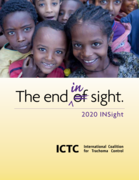
Trachoma is an eye infection that for thousands of years caused many people to go blind across all continents. As the result of development and targeted interventions, trachoma is now limited to an
...
Mr Bean’s Essential COVID-19 Checklist
recommended
With cases of COVID-19 continuing to rise globally, “Mr Bean’s Essential COVID-19 Checklist” is a reminder to people about the importance of washing hands, physical distancing and demonstrating kindness to their neighbours. The PSA features a
...
Trachoma is an eye infection affecting both eyes. It is the world’s leading cause of infectious blindness. A bacterium called Chlamydia trachomatis causes trachoma. According to the World Health Organization (WHO), trachoma has caused the visual impairment of 1.8 million
...


Accessed online March 2018
STUDY REPORT | This study of the impact of the Nepal earthquake of 25 April, 2015, aims to understand the impact factors leading to the exclusion of older people and persons with disabilities from humanitarian action, barriers to their inclusion, an
...
Accessed online January 2018
The Standard consists of nine key inclusion standards, and seven sets of sector-specific inclusion standards for protection – water, sanitation and hygiene, food security and livelihoods, nutrition, shelter, settlement and household items, health and education. Each standard comes with key actions
...
This report found that many people with disabilities enter institutions as children and remain there for their entire lives. Most of these institutions visited by Human Rights Watch researchers did not provide for more than
...
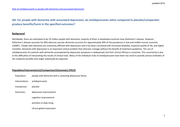
Q4: For people with dementia with associated depression, do antidepressants when compared to placebo/comparator produce benefits/harm in the specified outcomes?
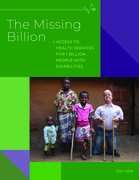
One billion people around the world live with disabilities. This report makes the case that they are being “left behind” in the global community’s work on health. This lack of access not only violates the rights of
...