
Filter
215
Text search:
UN
Women
UNODC
Featured
Recommendations
5
New Publications
42
Language
Document type
No document type
131
Studies & Reports
40
Strategic & Response Plan
16
Guidelines
11
Manuals
7
Situation Updates
3
Fact sheets
3
Training Material
2
Resource Platforms
1
Infographics
1
Countries / Regions
Ukraine
8
Nepal
7
Global
6
India
5
Kenya
5
Myanmar / Burma
5
Asia
5
Senegal
4
Pakistan
4
Zambia
4
Namibia
4
Latin America and the Carribbean
4
Moldova
4
Nigeria
3
Ethiopia
3
South Africa
3
Bangladesh
3
Brazil
3
North Macedonia
3
Colombia
3
Middle East and North Africa
3
Western and Central Europe
3
Africa
3
Venezuela
3
Sierra Leone
2
Afghanistan
2
Germany
2
Syria
2
Mozambique
2
Sri Lanka
2
Yemen
2
Eastern Europe
2
Russia
2
Georgia
2
Liberia
1
Morocco
1
Ghana
1
Uganda
1
Zimbabwe
1
South Sudan
1
Lebanon
1
Turkey
1
Thailand
1
Indonesia
1
Malawi
1
Argentina
1
Eswatini/ Swaziland
1
Serbia
1
Hungary
1
Lesotho
1
Mexico
1
East and Southern Africa
1
West and Central Africa
1
Eastern Europe and Central Asia
1
Bhutan
1
Albania
1
Tajikistan
1
Uzbekistan
1
Kyrgyzstan
1
Turkmenistan
1
Jamaica
1
Norway
1
Portugal
1
Authors & Publishers
Publication Years
Category
Countries
66
Women & Child Health
18
Public Health
5
Clinical Guidelines
3
Key Resources
3
Toolboxes
HIV
74
Mental Health
30
COVID-19
18
TB
17
Refugee
7
Conflict
6
Global Health Education
4
Health Financing Toolbox
4
Disability
3
Planetary Health
2
Rapid Response
1
NCDs
1
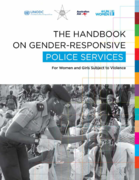
A new global Police Handbook aims to address some of the most difficult challenges that survivors of violence face when accessing police and justice sector services around the world.
UNAIDS leads and inspires the world to achieve its shared vision of zero new HIV infections, zero discrimination and zero AIDS-related deaths. It unites the efforts of 11 UN Cosponsor organizations- UNHCR, UNICEF, WFP, UNDP,UNFPA,
...
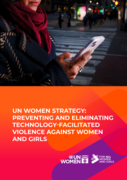
Technology and digital tools are transforming everyday life, opening new opportunities for women and girls—but they are also being weaponized to harass, threaten, and silence them online. Technology-facilitated violence against
...
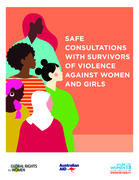
One of the principles underpinning the delivery of all essential services and coordination of those services is the “survivor-centered approach”, which places the human rights, needs, and wishes of women and girl survivors at the centre of servi
...
Globally, 85,000 women and girls were killed intentionally in 2023. 60 per cent of these homicides—51,000—were committed by an intimate partner or other family member. 140 women and girls die ev
...
TOWARDS 30 YEARS OF THE BEIJING DECLARATION AND PLATFORM FOR ACTION: UNITE TO END VIOLENCE AGAINST WOMEN
Concept Note
The United Nations Population Fund (UNFPA) is the lead UN agency working to further gender equality and women’s empowerment in Sri Lanka. We are pleased to be a part of the joint effort with the M
...
World Drug Report 2018
-5-
Mozambique registered its first COVID-19 case on 22 March 2020 and since then numbers have steadily grown over the following three months with cases now reported in all provinces. In response, a level 3 State of emergency was enacted on 1 April 2020 and has been extended until 29 July 2020, with mea
...
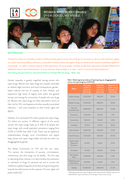
Accessed: 07.11.2019
o support and guide countries and partners to strengthen a health systems response to address violence against women, WHO has produced several tools, including:
• clinical and policy guidelines;
• implementation handbooks and manuals;
â
...
A manual for health managers
UNFPA implements programmes addressing gender-based violence (GBV) in 153 countries and territories, many of which face humanitarian emergencies. Leading resources used by GBV practitioners include the Inter-Agency Minimum Standards for Gender-Based Violence in Emergencies Programming (the GBViE Min
...
After the earthquake in Türkiye-Syria in February 2023 an emergency response was provided to the affected population. Young persons with disabilities were one of the social groups most affected by the crisis. These were either young persons who acquired a disability due to the earthquake, or young
...
COVID-19 has turned the world upside down. Everything has been impacted. How we live and interact with each other, how we work and communicate, how we move around and travel. Every aspect of our lives has been affected.
Since the release of the first volume in May 2020, the COVID-19 pandemic has continued to rage around the world. By mid-March, 2021, countries around the globe had reported over 123 million cases—a nearly five-fold increase since this report’s previous volume—and over 2.7 million deaths attrib
...
