Filter
2001
Text search:
Maternal
mental
health
Featured
212
553
Language
1878
81
61
40
27
15
11
10
6
6
3
2
2
2
1
1
1
1
1
1
1
1
1
1
1
1
1
1
1
1
1
1
Document type
1163
319
226
101
90
47
24
19
4
3
3
1
1
Countries / Regions
92
87
70
53
52
47
46
43
38
38
37
37
36
35
35
28
27
27
25
23
21
19
19
17
16
16
15
15
15
13
13
12
11
10
10
10
9
8
8
7
7
7
7
7
6
6
6
5
5
5
5
4
4
4
4
4
4
4
3
3
3
3
3
3
3
2
2
2
2
2
2
2
2
2
2
2
2
2
1
1
1
1
1
1
1
1
1
1
1
1
1
1
1
1
1
1
1
1
1
1
1
1
1
1
Authors & Publishers
270
76
73
70
62
59
47
29
26
24
23
22
16
16
15
14
13
12
10
10
10
10
10
9
9
9
8
8
8
8
7
7
7
7
6
6
6
6
6
6
6
6
6
6
6
6
5
5
5
5
5
5
5
5
5
5
5
5
5
5
5
4
4
4
4
4
4
4
4
4
4
4
4
4
4
4
4
3
3
3
3
3
3
3
3
3
3
3
3
3
3
3
3
3
3
3
3
3
3
3
3
3
3
3
3
3
3
3
3
3
3
3
3
3
3
3
3
3
3
3
3
3
3
3
3
3
3
3
3
3
3
3
3
3
3
3
2
2
2
2
2
2
2
2
2
2
2
2
2
2
2
2
2
2
2
2
2
2
2
2
2
2
2
2
2
2
2
2
2
2
2
2
2
2
2
2
2
2
2
2
2
2
2
2
2
2
2
2
2
2
2
2
2
2
2
2
2
2
2
2
2
2
2
2
2
2
2
2
2
2
2
2
2
2
2
2
2
2
2
2
2
2
2
2
2
2
2
2
2
2
2
2
2
2
2
2
2
2
2
2
2
2
2
2
2
2
2
2
2
2
2
2
2
2
2
2
2
2
2
2
2
2
2
2
2
2
2
2
2
1
1
1
1
1
1
1
1
1
1
1
1
1
1
1
1
1
1
1
1
1
1
1
1
1
1
1
1
1
1
1
1
1
1
1
1
1
1
1
1
1
1
1
1
1
1
1
1
1
1
1
1
1
1
1
1
1
1
1
1
1
1
1
1
1
1
1
1
1
1
1
1
1
1
1
1
1
1
1
1
1
1
1
1
1
1
1
1
1
1
1
1
1
1
1
1
1
1
1
1
1
1
1
1
1
1
1
1
1
1
1
1
1
1
1
1
1
1
1
1
1
1
1
1
1
1
1
1
1
1
1
1
1
1
1
1
1
1
1
1
1
1
1
1
1
1
1
1
1
1
1
1
1
1
1
1
1
1
1
1
1
1
1
1
1
1
1
1
1
1
1
1
1
1
1
1
1
1
1
1
1
1
1
1
1
1
1
1
1
1
1
1
1
1
1
1
1
1
1
1
1
1
1
1
1
1
1
1
1
1
1
1
1
1
1
1
1
1
1
1
1
1
1
1
1
1
1
1
1
1
1
1
1
1
1
1
1
1
1
1
1
1
1
1
1
1
1
1
1
1
1
1
1
1
1
1
1
1
1
1
1
1
1
1
1
1
1
1
1
1
1
1
1
1
1
1
1
1
1
1
1
1
1
1
1
1
1
1
1
1
1
1
1
1
1
1
1
1
1
1
1
1
1
1
1
1
1
1
1
1
1
1
1
1
1
1
1
1
1
1
1
1
1
1
1
1
1
1
1
1
1
1
1
1
1
1
1
1
1
1
1
1
1
1
1
1
1
1
1
1
1
1
1
1
1
1
1
1
1
1
1
1
1
1
1
1
1
1
1
1
1
1
1
1
1
1
1
1
1
1
1
1
1
1
1
1
1
1
1
1
1
1
1
1
1
1
1
1
1
1
1
1
1
1
1
1
1
1
1
1
1
1
1
1
1
1
1
1
1
1
1
1
1
1
1
1
1
1
1
1
1
1
1
1
1
1
1
1
1
1
1
1
1
1
1
1
1
1
1
1
1
1
1
1
1
1
1
1
1
1
1
1
1
1
1
1
1
1
1
1
1
1
1
1
1
1
1
1
1
1
1
1
1
1
1
1
1
1
1
1
1
1
1
1
1
1
1
1
1
1
1
1
1
1
1
1
1
1
1
1
1
1
1
1
1
1
1
1
1
1
1
1
1
1
1
1
1
1
1
1
1
1
1
1
1
1
1
1
1
1
1
1
1
1
1
1
1
1
1
1
1
1
1
1
1
1
1
1
1
1
1
1
1
1
1
1
1
1
1
1
1
1
1
1
1
1
1
1
1
1
1
1
1
1
1
1
1
1
1
1
1
1
1
1
1
1
1
1
1
1
1
1
1
1
1
1
1
1
1
1
1
1
1
1
1
1
1
1
1
1
1
1
1
1
1
1
1
1
1
1
1
1
1
1
1
1
1
1
1
1
1
1
1
1
1
1
1
1
1
1
1
1
1
1
1
1
1
1
1
1
1
1
1
1
1
1
1
1
1
1
1
1
1
1
1
1
1
1
1
1
1
1
1
1
1
1
1
1
1
1
1
1
1
1
1
1
1
1
1
1
1
1
1
1
1
1
1
1
1
1
1
1
1
1
1
1
1
1
1
1
1
1
1
1
1
1
1
1
1
1
1
1
1
1
1
1
1
1
1
1
1
1
1
1
1
1
1
1
1
1
1
1
1
1
1
1
1
1
1
1
1
1
1
1
1
1
1
1
1
1
1
1
1
1
1
1
1
1
1
1
1
1
1
1
1
1
1
1
1
1
1
1
1
1
1
1
1
1
1
1
1
1
1
1
1
1
1
1
1
1
1
1
1
1
1
1
1
1
1
1
1
1
1
1
1
1
1
1
1
1
1
1
1
1
1
1
1
1
1
1
1
1
1
1
1
1
1
1
1
1
1
1
1
1
1
1
1
1
1
1
1
1
1
1
1
1
1
1
1
1
1
1
1
1
1
1
1
1
1
1
1
1
1
1
1
1
1
1
1
1
1
1
1
1
1
1
1
1
1
1
1
1
1
1
1
1
1
1
1
1
1
1
1
1
1
1
1
1
1
1
1
1
1
1
1
1
1
1
1
1
1
1
1
1
1
1
1
1
1
1
1
1
1
1
1
1
1
1
1
1
1
1
1
1
1
1
1
1
1
1
1
1
1
1
1
1
1
1
1
1
1
1
1
1
1
1
1
1
1
1
1
1
1
1
1
1
1
1
1
1
1
1
1
1
1
1
1
1
1
1
1
1
1
1
1
1
1
1
1
1
1
1
1
1
1
1
1
1
1
1
1
1
1
1
1
1
1
1
1
1
1
1
1
1
1
1
1
1
1
1
1
1
1
1
1
1
1
1
1
1
1
1
1
1
1
1
1
1
1
1
1
1
1
1
1
1
1
1
1
1
1
1
1
1
1
1
1
1
1
1
1
1
1
1
1
1
1
1
1
1
1
1
1
1
1
1
1
1
1
1
1
1
1
1
1
1
1
1
1
1
1
1
1
1
1
1
1
1
1
1
1
1
1
1
1
1
1
1
1
1
1
1
1
1
1
1
1
1
1
1
1
1
1
1
1
1
1
1
1
1
1
1
1
1
1
1
1
1
1
1
1
1
1
1
1
1
1
1
1
1
1
1
1
1
1
1
1
1
1
1
1
1
1
1
1
1
1
1
1
1
1
1
1
1
1
1
1
1
1
1
1
1
1
1
1
1
1
1
1
1
1
1
1
1
1
1
1
1
1
1
1
1
1
1
1
1
1
1
1
1
1
1
1
1
1
1
1
1
1
1
1
1
1
1
1
1
1
1
1
1
1
1
1
1
1
1
1
1
1
1
1
1
1
1
1
1
1
1
1
1
1
1
1
1
1
1
1
1
1
1
1
1
1
1
1
1
1
1
1
1
1
1
1
1
1
1
1
1
1
1
1
1
1
1
1
1
1
1
1
1
1
1
1
1
1
1
1
1
1
1
1
1
1
1
1
1
1
1
1
1
1
1
1
1
1
1
1
1
1
1
1
1
1
1
1
1
1
1
1
1
1
1
1
1
1
1
1
1
1
1
1
1
1
1
1
1
1
1
1
1
1
1
1
1
1
1
1
1
1
1
1
1
1
1
1
1
1
1
1
1
1
1
1
1
1
1
1
1
1
Publication Years
605
1217
174
5
Category
851
208
127
121
100
62
10
1
Toolboxes
239
132
100
98
74
67
63
59
45
40
39
33
24
24
24
15
10
9
8
6
6
3
3
2
1
Maternal Mental Health and child health and development in low and middle income countries
recommended
The impact of maternal mental health problems on infants in high income countries has been identified mostly in terms of psychosocial and emotional
...
development, thanks to the groundbreaking early work of Spitz (2) and of Bowlby (3), who studied the emotional needs of infants and mother-child attachment. Subsequently, a large body of literature, also from HICs, documented the effects of maternal mental health on the child's psychological development (4), intellectual competence(5), psychosocial functioning (6) and rate of psychiatric morbidity (7, 8).
more
Q1: What are the effective maternal mental health interventions to prevent developmental problems in early infancy?
The Perinatal Mental Health Project (PMHP) provides training to health
workers and community-based workers involved in caring for mothers. This
h
...
andbook is intended as a supplement to this training programme and as a
resource to anyone involved with mothers and mothers-to-be.
The handbook should be used in an active way: use it and add to it as best
suits your local setting. The intended outcome of this handbook is to improve
the quality of service offered to women in emotional distress and to
meet the needs of maternal health workers, like you, who want to be better
equipped in this task.
The handbook covers a range of topics. Each chapter has a clear set of
learning objectives and a summary. Some chapters include practical activities
which should help with linking the theory with your practice.
more
Bettercare Learning Programmes.
Improving Maternal Mental Health
recommended
The mental health of women not only adversely affects them, but its impact on their
developing infant is also severe. If the ability of women to take care of their baby is
compromised, the surviva
...

l and development of the infant is jeopardized. Maternal
depression in resource-constrained settings is linked directly to lower infant birth
weight, higher rates of malnutrition and stunting, higher rates of diarrhoeal disease,
infectious illness and hospital admission and reduced completion of recommended
schedules of immunization in children. It also adversely affects physical, cognitive,
social, behavioural and emotional development of children (1).
more
The guide for integration of perinatal mental health in maternal and child health services outli
...
nes an evidence-informed approach describing how program managers, health service administrators and policy-makers responsible of planning and managing maternal and child health services can develop and sustain high-quality, integrated mental health services for women during the perinatal period.
more
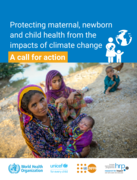
Climate hazards, including extreme heat, are associated with increased risks of developing complications that lead to adverse maternal and perinatal outcomes. These may include multiple causes of maternal
...

and neonatal morbidity and mortality such as gestational diabetes, hyper tensive disorders of pregnancy, preterm birth, low birth weight and stillbirth. In addition to the health risks related to poor nutrition, water, hygiene and sanitation, the effects of exposure to climate hazards and their aftermath during and after pregnancy can affect mental health and contribute to intergenerational trauma. They may increase stress, anxiety and depression – known risk factors for adverse perinatal outcomes.
more
This plan, approved by the Organization’s 62nd Directing Council, was shaped by extensive consultations with countries and stakeholders, and commits to transformative health outcomes over the next six years, tackling noncommunicable diseases (NCDs
...

), mental health, health security, fragmented health systems and services, and the elimination of communicable diseases, amongst others.
“The COVID-19 pandemic taught us that the Region of the Americas is stronger when we work together,” said Dr. Jarbas Barbosa, PAHO Director. “This Strategic Plan harnesses our collective strength to build resilient health systems, reduce disease burden, and improve health and well-being for all across the Americas.”
The plan builds on lessons from the COVID-19 pandemic, which exposed gaps in health systems while highlighting the power of joint action. It targets measurable impacts in countries, such as reducing maternal mortality, reversing rising suicide rates, and eliminating diseases like leprosy and Chagas.
more
The "Primary Healthcare Standard Treatment Guidelines and Essential Medicines List" by the South African National Department of Health provides evidence-based guidelines for diagnosing and managing common medical conditions at the primary healthcare
...

level. This document includes treatment protocols for various health issues, such as infections, chronic diseases, maternal and child health, mental health, and emergency care. It aims to standardize care, promote rational medicine use, and ensure equitable access to essential medications across South Africa. The guidelines emphasize prevention, accurate diagnosis, and efficient treatment strategies to improve patient outcomes.
more
Peru − Progress in health and sciences in 200 years of independence
Carrillo-Larco; R.M.; Guzman-Vilca, W. C.; Leon-Velarde, F.; et al.
The Lancet Regional Health - Americas
(2021)
CC
Peru celebrates 200 years of independence in 2021. Over this period of independent life, and despite the turbulent socio-political scenarios, from internal armed conflict to economic crisis to political instability over the last 40 years, Peru has experienced major changes on its epidemiological and
...
population health profile. Major advancements in maternal and child health as well as in communicable diseases have been achieved in recent decades, and today
Peru faces an increasing burden of non-communicable diseases including mental health conditions. In terms of the configuration of the public health system, Peru has also strived to secure country-wide optimal health care, struggling in particular to improve primary health care and intercultural services.
more
This dataset contains data from WHO's data portal covering the following categories:
Air pollution, Antimicrobial resistance (AMR), Assistive technology, Child mortality, Dementia diagnosis, treatment and care, Dementia policy and legislation, Environment and
...
health, Foodborne Diseases Estimates, Global Dementia Observatory (GDO), Global Health Estimates: Life expectancy and leading causes of death and disability, Global Information System on Alcohol and Health, Global Patient Safety Observatory, HIV, Health financing, Health systems, Health taxes, Health workforce, Hepatitis, Immunization coverage and vaccine-preventable diseases, Malaria, Maternal and reproductive health, Mental health, Neglected tropical diseases, Noncommunicable diseases, Nutrition, Oral Health, Priority health technologies, Resources for Substance Use Disorders, Road Safety, SDG Target 3.8 | Achieve universal health coverage (UHC), Sexually Transmitted Infections, Tobacco control, Tuberculosis, Vaccine-preventable communicable diseases, Violence against women, Violence prevention, Water, sanitation and hygiene (WASH), World Health Statistics.
more
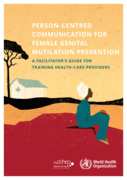
Evidence shows that FGM can cause several physical, mental and sexual health complications in girls and women, and in newborns. Health-care provide
...
rs play an important role in supporting girls and women living with FGM, and improving their health and well-being. They are in a unique position to influence and change the attitudes of their patients about FGM.
WHO is committed to scaling up the health-sector response to address FGM prevention and care. One aspect is to strengthen the quality of FGM prevention and care services by building the capacity of health-care providers. Several guidance materials have been produced to target health-care providers. These include FGM content for training curricula, clinical guidelines and a clinical handbook.
This training manual complements previous publications by building person-centred communication skills specifically for FGM prevention.
more
Policy and systems. Global Mental Health(2017),4, e7, page 1 of 6. doi:10.1017/gmh.2017.3
This study complements the growing amount of research on the psychosocial impact of war on chil-dren in Sierra Leone by examining local perceptions of child mental health, formal and informal care s
...
ystems, help-seeking behaviour and stigma
Yoder et al. Int J Ment Health Syst (2016) 10:48 DOI 10.1186/s13033-016-0080-8
more
This updated Comprehensive Mental Health Action Plan 2013-2030 builds upon its predecessor and sets out clear actions for Member States, the WHO Secretariat and international, regional and national
...

partners to promote mental health and well-being for all, to prevent mental health conditions for those at-risk and to achieve universal coverage for mental health services. While the updated action plan includes new and updated indicators and implementation options, the original four major objectives remain unchanged: more effective leadership and governance for mental health; the provision of comprehensive, integrated mental health and social care services in community-based settings; implementation of strategies for promotion and prevention; and strengthened information systems, evidence and research.
In English, French, Spanish, Arabic and Russian available
more
Nearly 800 women die every day from preventable maternal causes, and in 2022 alone, an estimated 2.3 million newborns died. For every maternal death, countless more women endure life-altering injuri
...
es, infections, and disabilities related to childbirth.
Maternal deaths are concentrated in the poorest regions and conflict-affected areas. In 2020, sub-Saharan Africa accounted for nearly 70% of all maternal deaths, with just 22 countries responsible for 81% of the global total. Humanitarian crises and fragile health systems exacerbate these challenges, with maternal mortality rates in crisis-affected areas often double the global average. The barriers to progress are multifaceted, including inadequate funding, poor-quality healthcare, harmful gender and social norms, and critical gaps in data and accountability.
more