Filter
502
Text search:
ILO
International
Labour
Organization
Featured
Recommendations
26
New Publications
117
Language
Document type
No document type
307
Studies & Reports
94
Guidelines
44
Strategic & Response Plan
20
Manuals
15
Situation Updates
12
Fact sheets
5
Training Material
3
Resource Platforms
1
Infographics
1
Countries / Regions
Global
24
Ghana
19
Zambia
17
Ethiopia
12
India
12
Syria
12
Kenya
12
Bangladesh
11
Nepal
10
Malawi
10
Latin America and the Carribbean
10
Myanmar / Burma
9
Uganda
8
Mozambique
8
Liberia
7
Indonesia
7
Africa
7
Cambodia
6
Rwanda
6
South Africa
6
Namibia
6
Asia
6
Sierra Leone
5
Jordan
5
Tanzania
5
Zimbabwe
4
South Sudan
4
Lesotho
4
Yemen
4
West and Central Africa
4
Western and Central Europe
4
Guinea
3
Nigeria
3
Senegal
3
Cameroon
3
Philippines
3
Lebanon
3
Turkey
3
Brazil
3
Colombia
3
Ecuador
3
Sri Lanka
3
East and Southern Africa
3
Middle East and North Africa
3
Laos
3
Congo, Democratic Republic of
2
Haiti
2
Somalia
2
China
2
Ukraine
2
Angola
2
South–East Asia Region
2
Paraguay
2
Venezuela
2
Moldova
2
Vietnam
2
Portugal
2
Burkina Faso
1
Mali
1
Pakistan
1
Iraq
1
Afghanistan
1
Egypt
1
Thailand
1
Sudan
1
Benin
1
Argentina
1
Peru
1
Eswatini/ Swaziland
1
Botswana
1
Bolivia
1
Eastern Europe and Central Asia
1
Italy
1
Albania
1
Russia
1
Iran
1
Japan
1
Mauritius
1
Authors & Publishers
Publication Years
Category
Countries
189
Public Health
33
Key Resources
21
Women & Child Health
17
Clinical Guidelines
7
Capacity Building
3
Toolboxes
Disability
73
COVID-19
73
HIV
55
Mental Health
26
Conflict
20
TB
18
Planetary Health
17
Caregiver
14
Health Financing Toolbox
13
Refugee
12
Ebola & Marburg
8
Natural Hazards
8
Global Health Education
8
NTDs
7
Specific Hazards
5
Pharmacy
3
Malaria
2
Cholera
1
Polio
1
Typhoon
1
Rapid Response
1
AMR
1
Social Ethics
1
NCDs
1
2.0 Rapid Response
1

The ILO has joined forces with Gallup to carry out a groundbreaking global survey covering 50 countries that sheds further light on the causes of the persistence of HIV-related stigma and discrimination in the world of work.
A twin-track approach of mainstreaming and disability-specific actions | Gender, Equality and Diversity Branch
La Estrategia regional se dirige a los principales países de acogida de la población refugiada y migrante proveniente de Venezuela; en particular, a las instituciones gubernamentales que tienen algún grado de competencia en la integración socioeconómica de esta población y a las organizaciones
...

L'OIT a uni ses forces à celles de Gallup pour mener une enquête mondiale inédite couvrant 50 pays et permettant de mieux comprendre les causes de la stigmatisation et de la discrimination persistantes liées au VIH dans le monde du travail.
La OIT ha unido fuerzas con Gallup para llevar a cabo una innovadora encuesta mundial que abarca 50 países y que arroja más luz sobre las causas de la persistencia del estigma y la discriminación relacionados con el VIH en el mundo del trabajo.

Rights of employees who are HIV-positive. HIV-positive employees will be protected against discrimination, victimisation or harassment

Around the world, more than 2 billion people lack access to safely managed water, sanitation and hygiene services, with conflicts and climate change exacerbating the issue.
Unsafe and insufficient WASH facilities, especially in rural and remote areas, can lead to increased health complications fo
...
In the spirit of the Sustainable Development Goals, WHO and the International Labour Organization (ILO
...
This World Health Organization (WHO) and the International Labour Organization (
...
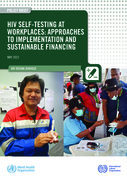
Countries are making progress toward the global goal of 95% of people living with HIV knowing their status by 2025. However, considerable gaps remain in achieving these goals globally. Men in high HIV burden settings and men from key populations in all settings are consistently less likely to know t
...
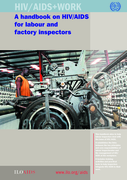
This handbook aims to help labour inspectors deal with the issue of HIV/AIDS.
It establishes the links between the key principles and core responsibilities of labour inspectorates and the managemen
...

Conflicts and disasters, including pandemics, affect women and men in all their diversity differently, and women and girls often suffer the most. Crisis-related hardships combine and compound pre-existing disadvantages, for example, they often cause women’s working conditions to worsen while incre
...