
Filter
1244
Text search:
Humanitarian
Response
et
al.
Featured
Recommendations
139
New Publications
299
Language
Document type
No document type
579
Studies & Reports
307
Guidelines
149
Manuals
100
Strategic & Response Plan
42
Fact sheets
32
Training Material
17
Situation Updates
11
Resource Platforms
4
Infographics
1
Online Courses
1
Countries / Regions
Global
91
Syria
59
Liberia
34
Sierra Leone
33
Myanmar / Burma
31
Kenya
27
Ukraine
24
Congo, Democratic Republic of
23
Latin America and the Carribbean
21
Western and Central Europe
20
Guinea
18
Yemen
18
Nepal
17
Bangladesh
17
Africa
17
Venezuela
17
South Sudan
15
Ethiopia
14
Somalia
11
Nigeria
10
Haiti
10
India
10
Senegal
9
Uganda
9
Colombia
9
Middle East and North Africa
9
Eastern Europe and Central Asia
9
Lebanon
8
Russia
8
Germany
7
Jordan
6
Afghanistan
6
Rwanda
6
South Africa
6
Malawi
6
Mozambique
6
Sudan
6
East and Southern Africa
6
West and Central Africa
6
South–East Asia Region
6
Asia
6
Eastern Europe
6
Indonesia
5
Central African Republic
5
Western Pacific Region
5
Palestine
5
Burkina Faso
4
Libya
4
Ghana
3
Philippines
3
Iraq
3
Zambia
3
Tanzania
3
China
3
Brazil
3
Greece
3
Lesotho
3
Mexico
3
Chile
3
Italy
3
Laos
3
Vietnam
3
Mali
2
Niger
2
Zimbabwe
2
Pakistan
2
Turkey
2
Chad
2
Cambodia
2
Thailand
2
Namibia
2
Ecuador
2
Bolivia
2
Southern Africa
2
North America
2
Saudi Arabia
1
Cameroon
1
Malaysia
1
Ireland
1
Benin
1
Argentina
1
Peru
1
Eswatini/ Swaziland
1
Hungary
1
Croatia
1
Burundi
1
Nicaragua
1
Sri Lanka
1
Fiji
1
Djibouti
1
Armenia
1
Canada
1
Bulgaria
1
Moldova
1
Iran
1
Jamaica
1
Japan
1
Mauritius
1
Tunisia
1
Belarus
1
French Guyana
1
Israel
1
Authors & Publishers
Publication Years
Category
Countries
321
Key Resources
196
Women & Child Health
114
Clinical Guidelines
71
Public Health
63
Capacity Building
22
Pharmacy & Technologies
4
Toolboxes
COVID-19
165
Conflict
113
Mental Health
104
HIV
71
Refugee
61
Disability
59
Planetary Health
59
Ebola & Marburg
58
Natural Hazards
42
Health Financing Toolbox
38
Global Health Education
28
Caregiver
23
Rapid Response
20
TB
18
NTDs
16
2.0 Rapid Response
15
Cholera
13
Malaria
13
Specific Hazards
12
Polio
7
NCDs
6
AMR
4
Pharmacy
4
Zika
2
Social Ethics
2
South Sudan
1
Typhoon
1
In many humanitarian emergencies, there is a serious lack of access to even the most basic materials needed for managing the blood in addition to a lack of appropriate sanitation facilities (including water), which are critical for addressing menst
...
The Humanitarian Pandemic Preparedness (H2P) Initiative and its many partners have developed ready-to-use training curricula for district- and community-level leaders, and community volunteers and workers in order to minimize morbidity and mortality
...
This report, written by ATAA Humanitarian Relief Association, BINAA for Development, Children Of One world, Hand in Hand for Aid and Development, Horan Foundation, Hurras Network, MARAM Foundation, Orange Organization, Syrian American Medical Societ
...

For humanitarian organisations to respond effectively to complex crises, they require access to up-to-date evidence-based guidance. The COVID-19 crisis has highlighted the importance of updating global guidance to context-specific and evolving needs
...
The Basic Needs and Response Analysis Framework and Toolkit (known as the Framework & Toolkit) is part of the ECHO ERC funded project to increase the uptake of multi-purpose cash grants (MPGs) in emergency responses for more efficient and effective
...
The Minimum Standards for Age and Disability Inclusion in Humanitarian Action inform the design, implementation, monitoring and evaluation of humanitarian programmes across all sectors and phases of
...

Children living in humanitarian crises face an increased risk of abuse. While the threats of harm are increasing, the established systems in place to protect them are breaking down. Faced with the COVID-19 pandemic and its impacts, vulnerable famili
...
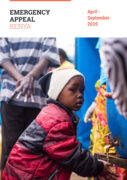
Kenya reported its first case of COVID-19 on 12 March 2020 and, as at 7 April 2020, 172 cases had been confirmed and 6 deaths reported. The Government of Kenya has taken a number of measures to curb the spread of the virus, including implementing a curfew, restricting movement out and into four coun
...
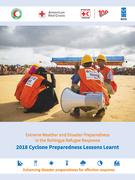
Enhancing disaster preparedness for effective response.
One of the most disaster-prone countries in the world, Bangladesh each year experiences a high degree of seasonal variety, including southwest monsoon and two cyclone seasons. With its long c
...
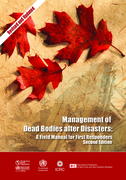
Management of Dead Bodies After Disasters: A Field Manual For First Responders. Second Edition
recommended
Proper and dignified management of the dead in disasters is one of the three key pillars of humanitarian response and a fundamental factor in facilitating identification of the deceased and helping
...
In March 2020 the IASC Reference Group on Mental Health and Psychosocial Support uniting 57 humanitarian organizations as member issued the Interim Briefing Note Addressing Mental Health and Psychosocial Aspects of COVID-19 Outbreak. This document h
...
Proper and dignified management of the dead in disasters is one of the three key pillars of humanitarian response and a fundamental factor in facilitating identification of the deceased and helping
...
This toolkit is intended to support GBV staff to build disability inclusion into their work, and to strengthen the capacity of GBV practitioners to use a survivor-centered approach when providing services to survivors with disabilities.
The tools are designed to complement existing guidelines, prot
...
The tools are designed to complement existing guidelines, protocols and tools for GBV prevention and response, and should not be used in isolation from these. GBV practitioners are encouraged to adapt the tools to their individual programs and conte
...
Recognizing the extent to which the COVID-19 outbreaks affects women and men differently is hugely important. Some preliminary data suggested that more men than women are dying, potentially due to sex-based immunological differences, higher rates of cardiovascular disease for men and lifestyle choic
...
Recognizing the extent to which the COVID-19 outbreaks affects women and men differently is hugely important. Some preliminary data suggested that more men than women are dying, potentially due to sex-based immunological differences, higher rates of cardiovascular disease for men and lifestyle choic
...
