Filter
51
Text search:
Donnelly,
S
Featured
Recommendations
3
New Publications
6
Language
Document type
No document type
21
Studies & Reports
14
Guidelines
13
Manuals
2
Training Material
1
Countries / Regions
Global
4
Sierra Leone
3
Uganda
2
Ukraine
2
Latin America and the Carribbean
2
Eastern Europe
2
Russia
2
Guinea
1
Liberia
1
India
1
South Sudan
1
Germany
1
Middle East and North Africa
1
South–East Asia Region
1
Western and Central Europe
1
Venezuela
1
North America
1
France
1
Authors & Publishers
Publication Years
Category
Countries
8
Public Health
3
Clinical Guidelines
3
Women & Child Health
2
Pharmacy & Technologies
2
Capacity Building
1
Key Resources
1
Toolboxes
COVID-19
12
Mental Health
9
Planetary Health
4
Malaria
4
Ebola & Marburg
3
HIV
2
Specific Hazards
2
NCDs
2
Refugee
1
Social Ethics
1
Pharmacy
1
NTDs
1
Mounting an effective international humanitarian response to a chemical, biological, radiological or nuclear (CBRN) event, especially if the response is undertaken on an ad hoc basis, would be extremely difficult and would pose many risks to the responders. The International Committee of the Red Cro
...

WHO-2019-nCoV-genomic_sequencing
1 in 3 countries are not taking action to help students catch up on their learning post-COVID-19 school closures
Policy Brief.
Our understanding of how to diagnose and manage Long COVID is still evolving but the condition can be very debilitating. It is associated with a range of overlapping symptoms including generalized chest and muscle pain, fatigue, shortness of breath, and cognitive dysfunction, and the
...

Background
Low- and middle-income countries now experience the highest prevalence and mortality rates of cardiovascular disease.
Main text
While improving the availability and delivery of proven, effective therapies will no doubt mitigate this burden, we posit that studies evaluating cardiovasc
...
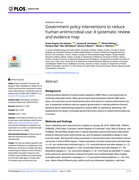
BACKGROUND: Growing political attention to antimicrobial resistance (AMR) offers a rare opportunity for achieving meaningful action. Many governments have developed national AMR action plans, but most have not yet implemented policy interventions to reduce antimicrobial overuse. A systematic evidenc
...

Impact of non-pharmaceutical interventions (NPIs) to reduce COVID-19 mortality and healthcare demand
recommended
The global impact of COVID-19 has been profound, and the public health threat it represents is the most serious seen in a respiratory virus since the 1918 H1N1 influenza pandemic. Here we present the results of epidemiological modelling which has informed policymaking in the UK and other countries i
...
2nd edition. WHO's recommendation has not changed: the standard WHO susceptibility tests should remain a primary method by which resistance is detected. However, it was considered necessary to update the existing resistance-monitoring procedures to
...

The WHO guidelines for malaria bring together the Organization’s most up-to-date recommendations for malaria in one user-friendly and easy-to-navigate online platform.
The WHO guidelines for malaria bring together the Organization’
...
Ces orientations se concentrent sur le SARS-CoV-2, mais s'appliquent également à d'autres agents pathogènes préoccupants pour la santé publique.

Since February 24th, 2022, the beginning of Russia’s aggression against Ukraine, more than 80,000 women were expected to give birth. Therefore, understanding the impact of war on the perinatal health of women is an important requisite to improve p
...
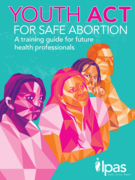
This guide is a resource for future health professionals who want to learn about and engage in abortion issues. Abortion is a critical but often neglected area of women’s rights, women’s health
...
On January 14-16, 2003, the Centers for Disease Control and Prevention (CDC) held a communications roundtable in Atlanta, Georgia, to explore hospitals' challenges in communicating with internal and external audiences in communitywide emergencies involving radioactive materials. The roundtable, Hosp
...

Emerging Infectious Diseases • www.cdc.gov/eid • Vol. 19, No. 9, September 2013
Rabies is a devastating and societally important zoonotic disease, which is transmitted principally to humans through the bite of infected dogs. This acute, progressive viral encephalitis has the highest case fatality of any infectious disease and kills tens of thousands of people annually, with chi
...
[Updated 2015]
SCOPING QUESTION: What is the effectiveness of psychosocial interventions (including caregiver skills training) for behavioural disorders in children and adolescents?