
Filter
1980
Text search:
Drug
abuse
Featured
Recommendations
172
New Publications
470
Language
Document type
No document type
1408
Studies & Reports
215
Guidelines
159
Manuals
73
Strategic & Response Plan
48
Fact sheets
24
Training Material
19
Brochures
10
Situation Updates
9
Resource Platforms
7
Infographics
5
Dashboards/Maps
1
Videos
1
Countries / Regions
India
112
Kenya
67
Western and Central Europe
53
South Africa
51
Ukraine
40
Ethiopia
39
Global
39
Uganda
37
Zambia
36
Nigeria
34
Tanzania
34
Myanmar / Burma
33
Namibia
31
Liberia
29
Eastern Europe
29
Ghana
26
Nepal
26
Malawi
26
Latin America and the Carribbean
25
Sierra Leone
24
Bangladesh
24
Russia
22
Africa
21
Asia
20
Lesotho
19
Rwanda
18
Indonesia
18
Philippines
17
Botswana
16
Zimbabwe
15
Eswatini/ Swaziland
13
Cambodia
12
South–East Asia Region
12
Syria
11
Germany
9
Congo, Democratic Republic of
8
Albania
7
Senegal
6
Pakistan
6
Eastern Europe and Central Asia
6
Tajikistan
6
USA
5
South Sudan
5
Afghanistan
5
Thailand
5
Colombia
5
Venezuela
5
North Macedonia
4
Georgia
4
Cameroon
3
Haiti
3
China
3
Mozambique
3
Brazil
3
Mexico
3
Sri Lanka
3
Middle East and North Africa
3
Moldova
3
Vietnam
3
Jamaica
3
Guinea
2
Burkina Faso
2
Somalia
2
Papua New Guinea
2
Central African Republic
2
Argentina
2
Peru
2
Hungary
2
Yemen
2
West and Central Africa
2
Western Pacific Region
2
Paraguay
2
Armenia
2
Southern Africa
2
Laos
2
Canada
2
Kyrgyzstan
2
Belarus
2
Côte d’Ivoire / Ivory Coast
1
Morocco
1
Iraq
1
Lebanon
1
Turkey
1
Gambia
1
Ireland
1
Singapore
1
Sudan
1
Serbia
1
Ecuador
1
El Salvador
1
Libya
1
Madagascar
1
Chile
1
Bhutan
1
Poland
1
Palestine
1
Italy
1
Timor Leste/ East Timor
1
Bulgaria
1
Lithuania
1
Iran
1
Uzbekistan
1
Australia
1
Kazakhstan
1
Belgium
1
Norway
1
Portugal
1
Authors & Publishers
Publication Years
Category
Countries
722
Clinical Guidelines
111
Public Health
89
Women & Child Health
87
Capacity Building
43
Key Resources
33
Pharmacy & Technologies
4
Toolboxes
Mental Health
530
HIV
272
TB
125
COVID-19
51
NCDs
46
Refugee
41
Disability
40
Pharmacy
30
Conflict
29
AMR
23
Caregiver
23
Global Health Education
20
Planetary Health
14
Natural Hazards
11
Health Financing Toolbox
11
Social Ethics
10
Ebola & Marburg
7
NTDs
6
Polio
5
Malaria
4
Rapid Response
3
Zika
3
Specific Hazards
2
BMC Infectious Diseases volume 23, Article number: 342 (2023).
Tuberculosis (TB) is among the leading causes of death globally. The disease has a huge burden in Namibia, with a case notification rate of at least 442 per 100,000. To date, Namibia is among the countries with the highest global TB bur
...

4th edition, Reference Manual
Fragile Beginnings. The Fragile Beginnings series examines the growing body of research on the unique vulnerabilities of children: in utero and at birth, during infancy and childhood and throughout adolescence. Its purpose is to enable evidence-based advocacy and action on children’s environmental
...

A historic funding crisis is threatening to unravel decades of progress unless countries can make radical shifts to HIV programming and funding. The report highlights the impact that the sudden, large-scale funding cuts from international donors are having on countries most affected by HIV. Yet it a
...

National tuberculosis (TB) prevalence surveys provide a nationally representative measurement of the burden of TB disease in the population, at a given point in time. Repeat surveys allow assessment of trends and tracking of progress towards national and global targets for reductions in TB disease b
...

Non-Communicable Diseases (NCDs) have emerged as conditions of great public health concern in Kenya accounting for 39% of deaths annually. The Ministry of Health through the Department of Non-Communicable Diseases has adopted the vision of achieving a nation free from preventable burden of NCDs. Fur
...

WHO guideline on HIV service delivery
recommended
Updated guidance on the integration of diabetes, hypertension and mental health services, and interventions to support adherence to antiretroviral therapy. The guideline offers practical implementation guidance for countries and key stakeholders as well as outlining key research gaps. As life expec
...
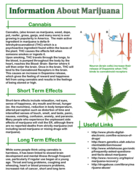
The pamphlet "Marijuana" explains the effects and risks of cannabis use. It describes THC, the psychoactive compound in cannabis, which binds to cannabinoid receptors in the brain, causing effects like relaxation, altered perception, and euphoria. Short-term effects include red eyes, hunger, and anx
...
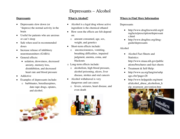
The pamphlet "Alcohol and Depressants" explains the effects of depressants, including alcohol. Depressants slow brain activity by increasing the release of inhibitory neurotransmitters like GABA, leading to effects such as sedation, decreased anxiety, and reduced heart rate. Alcohol, a legal depress
...

Реабилитационный потенциал социально-психологического сопровождения семей с проблемами химической зависимости предлагается рассматривать как ресурс преодолен
...
This guideline includes 48 updated and new evidence-based recommendations related to MNS conditions. The guideline is targeted towards non-specialized health workers at primary- or secondary-level healthcare facilities, or those working at the district level including basic inpatient and outpatient
...

The Ministry of Health and Social Services has the mandate to fulfil one of the aspirations in Namibia’s Vision 2030 to “transform Namibia into a healthy and food-secure nation”. Namibia strives to provide quality health and social welfare services efficiently and effectively to the population
...
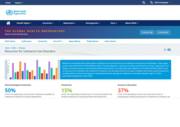
Welcome to the Global Information System on Resources for the Prevention and Treatment of Substance Use Disorders. These pages present data collected from WHO Member States in broad categories: governance, policy and financing, service organization and delivery, human resources and national informat
...

Just under 2.5 million people die annually due to alcohol use. This global estimate, however, excludes most of the health burden
borne by others than the alcohol user. Alcohol’s harm to others includes a multitude of conditions, such as trauma from traffic crashes, fetal disorders due to prenatal
...
The World Health Organization (WHO) launched the SAFER initiative in 2018 to address the global health and societal challenges posed by alcohol-related harm. The initiative outlines five key strategies aimed at reducing alcohol consumption and its associated consequences. These include strengthening
...
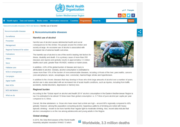
The World Health Organization's Eastern Mediterranean Regional Office (WHO EMRO) highlights the significant health and social consequences of harmful alcohol use. Excessive alcohol consumption is linked to over 200 diseases and injuries, including liver cirrhosis, pancreatitis, various cancers, hemo
...
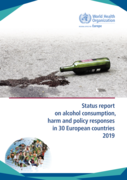
The report provides an overview of alcohol consumption, related health harm, and policy responses in 30 European countries (EU Member States, Norway, and Switzerland). It highlights the high levels of alcohol consumption in the WHO European Region, which contribute to a significant disease burden co
...
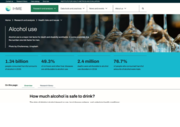
The IHME webpage discusses alcohol use as a significant global health risk, responsible for over 1.8 million deaths annually. It highlights age-related differences in alcohol's health impacts, with no benefits for individuals aged 15–39 and potential small benefits for those aged 40 and above unde
...

Как близкий человека, страдающего наркоманией или находящегося под угрозой, вы находитесь в тяжёлом положении. Вы хотите понять его и помочь жить нормальной семейÐ
...
The OECD's "Alcohol Consumption" indicator measures the annual sales of pure alcohol in liters per person aged 15 and older. This metric helps assess long-term trends in alcohol consumption across countries. It's important to note that the methodology for converting alcoholic beverages to pure alcoh
...
