
Filter
3027
Text search:
food
and
drugs
Featured
319
889
Language
2926
64
56
42
28
23
19
9
6
5
5
5
5
5
5
5
4
4
4
4
3
3
2
2
2
2
2
2
2
2
2
2
2
2
2
2
2
2
2
2
1
1
1
1
1
1
1
1
1
1
1
1
1
1
1
1
1
Document type
1690
451
426
172
123
81
42
15
10
8
6
1
1
Countries
211
118
94
88
87
86
75
65
64
64
64
57
57
54
53
46
45
44
41
31
30
25
25
24
22
21
21
21
18
18
17
17
16
15
14
14
13
11
11
10
10
9
9
9
8
8
8
8
7
7
7
7
6
6
6
6
5
5
5
5
5
5
4
4
4
4
4
4
4
4
4
3
3
3
3
3
3
2
2
2
2
2
2
2
2
2
2
2
2
2
2
2
2
1
1
1
1
1
1
1
1
1
1
1
1
1
1
1
1
1
1
1
1
1
1
1
1
1
1
1
1
1
1
1
1
1
1
1
1
1
Authors & Publishers
339
136
91
69
66
58
57
46
42
28
25
23
19
18
18
16
15
15
14
14
14
14
14
13
13
13
12
12
12
12
12
11
11
11
11
10
10
10
10
9
9
9
9
9
8
8
8
8
8
8
8
7
7
7
7
7
6
6
6
6
6
6
6
6
6
6
6
6
6
6
5
5
5
5
5
5
5
5
5
5
5
5
5
5
5
5
5
5
5
5
5
5
5
5
5
4
4
4
4
4
4
4
4
4
4
4
4
4
4
4
4
4
4
4
4
4
4
4
4
4
4
4
4
4
4
4
4
4
4
4
4
4
4
4
3
3
3
3
3
3
3
3
3
3
3
3
3
3
3
3
3
3
3
3
3
3
3
3
3
3
3
3
3
3
3
3
3
3
3
3
3
3
3
3
3
3
3
3
3
3
3
3
3
3
3
3
3
3
3
3
3
3
3
3
3
3
3
3
3
3
2
2
2
2
2
2
2
2
2
2
2
2
2
2
2
2
2
2
2
2
2
2
2
2
2
2
2
2
2
2
2
2
2
2
2
2
2
2
2
2
2
2
2
2
2
2
2
2
2
2
2
2
2
2
2
2
2
2
2
2
2
2
2
2
2
2
2
2
2
2
2
2
2
2
2
2
2
2
2
2
2
2
2
2
2
2
2
2
2
2
2
2
2
2
2
2
2
2
2
2
2
2
2
2
2
2
2
2
2
2
2
2
2
2
2
2
2
2
2
2
2
2
2
2
2
2
2
2
2
2
2
2
2
2
2
2
2
2
2
2
2
2
2
2
2
2
2
2
2
2
2
2
2
2
2
2
2
2
2
2
2
2
2
2
2
2
2
2
2
2
2
2
2
2
2
2
2
2
2
2
2
2
2
2
2
2
2
2
2
2
2
2
2
2
1
1
1
1
1
1
1
1
1
1
1
1
1
1
1
1
1
1
1
1
1
1
1
1
1
1
1
1
1
1
1
1
1
1
1
1
1
1
1
1
1
1
1
1
1
1
1
1
1
1
1
1
1
1
1
1
1
1
1
1
1
1
1
1
1
1
1
1
1
1
1
1
1
1
1
1
1
1
1
1
1
1
1
1
1
1
1
1
1
1
1
1
1
1
1
1
1
1
1
1
1
1
1
1
1
1
1
1
1
1
1
1
1
1
1
1
1
1
1
1
1
1
1
1
1
1
1
1
1
1
1
1
1
1
1
1
1
1
1
1
1
1
1
1
1
1
1
1
1
1
1
1
1
1
1
1
1
1
1
1
1
1
1
1
1
1
1
1
1
1
1
1
1
1
1
1
1
1
1
1
1
1
1
1
1
1
1
1
1
1
1
1
1
1
1
1
1
1
1
1
1
1
1
1
1
1
1
1
1
1
1
1
1
1
1
1
1
1
1
1
1
1
1
1
1
1
1
1
1
1
1
1
1
1
1
1
1
1
1
1
1
1
1
1
1
1
1
1
1
1
1
1
1
1
1
1
1
1
1
1
1
1
1
1
1
1
1
1
1
1
1
1
1
1
1
1
1
1
1
1
1
1
1
1
1
1
1
1
1
1
1
1
1
1
1
1
1
1
1
1
1
1
1
1
1
1
1
1
1
1
1
1
1
1
1
1
1
1
1
1
1
1
1
1
1
1
1
1
1
1
1
1
1
1
1
1
1
1
1
1
1
1
1
1
1
1
1
1
1
1
1
1
1
1
1
1
1
1
1
1
1
1
1
1
1
1
1
1
1
1
1
1
1
1
1
1
1
1
1
1
1
1
1
1
1
1
1
1
1
1
1
1
1
1
1
1
1
1
1
1
1
1
1
1
1
1
1
1
1
1
1
1
1
1
1
1
1
1
1
1
1
1
1
1
1
1
1
1
1
1
1
1
1
1
1
1
1
1
1
1
1
1
1
1
1
1
1
1
1
1
1
1
1
1
1
1
1
1
1
1
1
1
1
1
1
1
1
1
1
1
1
1
1
1
1
1
1
1
1
1
1
1
1
1
1
1
1
1
1
1
1
1
1
1
1
1
1
1
1
1
1
1
1
1
1
1
1
1
1
1
1
1
1
1
1
1
1
1
1
1
1
1
1
1
1
1
1
1
1
1
1
1
1
1
1
1
1
1
1
1
1
1
1
1
1
1
1
1
1
1
1
1
1
1
1
1
1
1
1
1
1
1
1
1
1
1
1
1
1
1
1
1
1
1
1
1
1
1
1
1
1
1
1
1
1
1
1
1
1
1
1
1
1
1
1
1
1
1
1
1
1
1
1
1
1
1
1
1
1
1
1
1
1
1
1
1
1
1
1
1
1
1
1
1
1
1
1
1
1
1
1
1
1
1
1
1
1
1
1
1
1
1
1
1
1
1
1
1
1
1
1
1
1
1
1
1
1
1
1
1
1
1
1
1
1
1
1
1
1
1
1
1
1
1
1
1
1
1
1
1
1
1
1
1
1
1
1
1
1
1
1
1
1
1
1
1
1
1
1
1
1
1
1
1
1
1
1
1
1
1
1
1
1
1
1
1
1
1
1
1
1
1
1
1
1
1
1
1
1
1
1
1
1
1
1
1
1
1
1
1
1
1
1
1
1
1
1
1
1
1
1
1
1
1
1
1
1
1
1
1
1
1
1
1
1
1
1
1
1
1
1
1
1
1
1
1
1
1
1
1
1
1
1
1
1
1
1
1
1
1
1
1
1
1
1
1
1
1
1
1
1
1
1
1
1
1
1
1
1
1
1
1
1
1
1
1
1
1
1
1
1
1
1
1
1
1
1
1
1
1
1
1
1
1
1
1
1
1
1
1
1
1
1
1
1
1
1
1
1
1
1
1
1
1
1
1
1
1
1
1
1
1
1
1
1
1
1
1
1
1
1
1
1
1
1
1
1
1
1
1
1
1
1
1
1
1
1
1
1
1
1
1
1
1
1
1
1
1
1
1
1
1
1
1
1
1
1
1
1
1
1
1
1
1
1
1
1
1
1
1
1
1
1
1
1
1
1
1
1
1
1
1
1
1
1
1
1
1
1
1
1
1
1
1
1
1
1
1
1
1
1
1
1
1
1
1
1
1
1
1
1
1
1
1
1
1
1
1
1
1
1
1
1
1
1
1
1
1
1
1
1
1
1
1
1
1
1
1
1
1
1
1
1
1
1
1
1
1
1
1
1
1
1
1
1
1
1
1
1
1
1
1
1
1
1
1
1
1
1
1
1
1
1
1
1
1
1
1
1
1
1
1
1
1
1
1
1
1
1
1
1
1
1
1
1
1
1
1
1
1
1
1
1
1
1
1
1
1
1
1
1
1
1
1
1
1
1
1
1
1
1
1
1
1
1
1
1
1
1
1
1
1
1
1
1
1
1
1
1
1
1
1
1
1
1
1
1
1
1
1
1
1
1
1
1
1
1
1
1
1
1
1
1
1
1
1
1
1
1
1
1
1
1
1
1
1
1
1
1
1
1
1
1
1
1
1
1
1
1
1
1
1
1
1
1
1
1
1
1
1
1
1
1
1
1
1
1
1
1
1
1
1
1
1
1
1
1
1
1
1
1
1
1
1
1
1
1
1
1
1
1
1
1
1
1
1
1
1
1
1
1
1
1
1
1
1
1
1
1
1
1
1
1
1
1
1
1
1
1
1
1
1
1
1
1
1
1
1
1
1
1
1
1
1
1
1
1
1
1
1
1
1
1
1
1
1
1
1
1
1
1
1
1
1
1
1
1
1
1
1
1
1
1
1
1
1
1
1
1
1
1
1
1
1
1
1
1
1
1
1
1
1
1
1
1
1
1
1
1
1
1
1
1
1
1
1
1
1
1
1
1
1
1
1
1
1
1
1
1
1
1
1
1
1
1
1
1
1
1
1
1
1
1
1
1
1
1
1
1
1
1
1
1
1
1
1
1
1
1
1
1
1
1
1
1
1
1
1
1
1
1
1
1
1
1
1
1
1
1
1
1
1
1
1
1
1
1
1
1
1
1
1
1
1
1
1
1
1
1
1
1
1
1
1
1
1
1
1
1
1
1
1
1
1
1
1
1
1
1
1
1
1
1
1
1
1
1
1
1
1
1
1
1
1
1
1
1
1
1
1
1
1
1
1
1
1
1
1
1
1
1
1
1
1
1
1
1
1
1
1
1
1
1
1
1
1
1
1
1
1
1
1
1
1
1
1
1
1
1
1
1
1
1
1
1
1
1
1
1
1
1
1
1
1
1
1
1
1
1
1
1
1
1
1
1
1
1
1
1
1
1
1
1
1
1
1
1
1
1
1
1
1
1
1
1
1
1
1
1
1
1
1
1
1
1
1
1
1
1
1
1
1
1
1
1
1
1
1
1
1
1
1
1
1
1
1
1
1
1
1
1
1
1
1
1
1
1
1
1
1
1
1
1
1
1
1
1
1
1
1
1
1
1
1
1
1
1
1
1
1
1
1
1
1
1
1
1
1
1
1
1
1
1
1
1
1
1
1
1
1
1
1
1
1
1
1
1
1
1
1
1
1
1
1
1
1
1
1
1
1
1
1
1
1
1
1
1
1
1
1
1
1
1
1
1
1
1
1
1
1
1
1
1
1
1
1
1
1
1
1
1
1
1
1
1
1
1
1
1
1
1
1
1
1
1
1
1
1
1
1
1
1
1
1
1
1
1
1
1
1
1
1
1
1
1
1
1
1
1
1
1
1
1
1
1
1
1
1
1
1
1
1
1
1
1
1
1
1
1
1
1
1
1
1
1
1
1
1
1
1
1
1
1
1
1
1
1
1
1
1
1
1
1
1
1
1
1
1
1
1
1
1
1
1
1
1
1
1
1
1
1
1
1
1
1
1
1
1
1
1
1
1
1
1
1
1
1
1
1
1
1
1
1
1
1
1
1
1
1
1
1
1
1
1
1
1
1
1
1
1
1
1
1
1
1
1
1
1
1
1
1
1
1
1
1
1
1
1
1
1
1
1
1
1
1
1
1
1
1
1
1
1
1
1
1
1
1
1
1
1
1
1
1
1
1
1
1
1
1
1
1
1
1
1
1
1
1
1
1
1
1
1
1
1
1
1
1
1
1
1
1
1
1
1
1
1
1
1
1
1
1
1
1
1
1
1
1
1
1
1
1
1
1
1
1
1
1
1
1
1
1
1
1
1
1
1
1
1
1
1
1
1
1
1
1
1
1
1
1
1
1
1
1
1
1
1
1
1
1
1
1
1
1
1
1
1
1
1
1
1
1
1
1
1
1
1
1
1
1
1
1
1
1
1
1
1
1
1
1
1
1
1
1
1
1
1
1
1
1
1
1
1
1
1
1
1
1
1
1
1
1
1
1
1
1
1
1
1
1
1
1
1
1
1
1
1
1
1
1
1
1
1
1
1
1
1
1
1
1
1
1
1
1
1
1
1
1
1
1
1
1
1
1
1
1
1
1
1
1
1
1
1
1
1
1
1
1
1
1
1
1
1
1
1
1
1
1
1
1
1
1
1
1
1
1
1
1
1
1
1
1
1
1
1
1
1
Publication Years
686
1939
374
27
1
Category
1385
262
155
145
144
74
29
Toolboxes
235
186
174
146
113
112
91
85
71
65
65
62
61
51
43
32
31
31
30
23
23
16
9
7
6
2

It is against this background that the Ministry of Health and Sanitation with its partners have
taken the lead to develop Essential Health Services Package (EHSP). The MOHS believes that the
development of EHSP; defining the services that should
...
be available at each level of care
(community to tertiary level), for each age cohort, and across each public health functions, not
only allows for more effective and equitable health service delivery, but also for the
establishment of a functional referral system and allocation of appropriate investments for high
impact interventions. The package is expected to set precedence in defining ‘essential’ set of
services for the population in Sierra Leone, structurally promoting integration of health services,
and providing succinct guidance to partners and stakeholders on the country priorities.
more
This document was developed by the Ministry of Health in Malawi in collaboration with national and international partners. It introduces a Social and Behaviour Change (SBC) malaria message guide tha
...
t is aligned with the National Malaria Communication Strategy (NMCS) for the period 2023–2030. The guide aims to facilitate effective communication and behavioural change in order to reduce malaria-related morbidity and mortality. It provides a reference framework for messaging and communication tools tailored to target groups, supporting the broader goals of the Health Sector Strategic Plan III. This guide was developed with technical and financial support from key partners, including USAID, PMI through Breakthrough ACTION, and other stakeholders. The guide reflects Malawi’s ongoing commitment to evidence-based SBC interventions, community engagement, and the national fight against malaria.
more

The Global hepatitis report 2026 provides the most comprehensive and up-to-date assessment of the global burden of hepatitis B (HBV) and hepatitis C (HCV), which together account for more than 95% o
...
f deaths related to viral hepatitis. Despite being preventable and treatable, viral hepatitis remains one of the leading infectious disease killers worldwide.
The report also highlights the progress in response efforts at global, regional and country levels, in the context of global commitments, strategies and targets.
more
This handbook summarizes the experience of leading practitioners in the field of war surgery and is intended to help military and civilian surgical teams treat people wounded in armed conflicts. It
...
covers first aid, admission of urgent cases and triage, skin grafts, treatment of infections, wounds and burns, plastic surgery and anaesthesiology
more

The Health Sector Policy gives general orientations for the sector which are further developed in the various sub-sector policies guiding key health programs and departments. All health sub-sector policies will be updated in line with this new polic
...
y. The Health Sector Policy is the basis of national health planning and the first point of reference for all actors working in the health sector. The overall aim of this policy is to ensure universal accessibility (in geographical and financial terms) of equitable and affordable quality health services (preventative, curative, rehabilitative and promotional services) for all Rwandans. It sets the health sector’s objectives, identifies the priority health interventions for meeting these objectives, outlines the role of each level in the health system, and provides guidelines for improved planning and evaluation of activities in the health sector. A companion Health Sector Strategic Plan (HSSP) elaborates the strategic directions defined in the Health Sector Policy in order to support and achieve the implementation of the policy, and more detailed annual operational plans describe the activities under each strategy.
more

Rwanda’s fourth health sector strategic plan (HSSP4) is meant to provide the health sector with a Strategic Plan that will highlight its commitments and priorities for the coming 6 years. It will be fully integrated in the overall economic develop
...
ment plan of the Government. HSSP4 will fulfill the country’s commitment expressed in the national constitution, National Strategy for Transformation (NST) and the aspirations of the Health Sector Policy 2015. The strategies herein adhere to the Universal Health Coverage (UHC) principles towards realisation of the Sustainable Development Goals (SDGs). HSSP4 therefore lays a foundation for Vision 2050 (“The Rwanda We Want”), which will transform Rwanda into a high-income country by 2050. HSSP4 anticipates the epidemiological transition of the country, the increase in population and life expectancy and the expected increase of the health needs of the elderly, notably in Non Communicable Diseases (NCDs). HSSP4 also anticipates a decrease in external financial inflows, hence it is imperative to build secure / resilient health systems.
more
Policy Note #2: Myanmar Health Systems in Transition Policy Notes Series
Myanmar is a country in which people’s access to health services is determined more by where they live than their need for care – a situation that is fundamentally inequitable. The challenge is to reduce levels of ineq ... uity between different groups in the population and different geographical areas, and most particularly to ensure that health services reach poor and disadvantaged groups, including minorities and those living in conflict-affected areas. more
Myanmar is a country in which people’s access to health services is determined more by where they live than their need for care – a situation that is fundamentally inequitable. The challenge is to reduce levels of ineq ... uity between different groups in the population and different geographical areas, and most particularly to ensure that health services reach poor and disadvantaged groups, including minorities and those living in conflict-affected areas. more
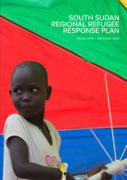
UNHCR, the UN Refuge Agency, and NGO partners are launching an appeal for US$2.7 billion to address the live-saving humanitarian needs of South Sudanese refugees in 2019 and 2020.
Five years on sin
...
ce the onset of a brutal civil war, over 2.2 million South Sudanese refugees have sought safety in six neighboring countries Uganda, Sudan, Ethiopia, Kenya, the Democratic Republic of the Congo (DRC) and Central African Republic (CAR). Another 1.9 million remain internally displaced inside South Sudan
more
Antimicrobial resistance (AMR) is a serious public health concern with economic, social and political implications that are global in scope, and cross all environmental
...
and ethnic boundaries. As a global threat, AMR risks the achievements of modern medicine, and has the potential to impact overall global development. It is important, therefore, to elevate AMR beyond health as part of a larger development agenda in the context of the Sustainable Development Goals (SDGs). This report provides in-depth technical discussions in areas that have direct implications to the containment of AMR as a development agenda. The report is organized in five chapters which served as the technical background documents for the Biregional Technical Consultation on AMR in Asia, 14-15 April 2016. More information from the meeting is available in the WHO Meeting Report: Biregional Technical Consultation on Antimicrobial Resistance in Asia. The meeting was the first time senior officials from the Ministry of Health and Ministry of Agriculture across Asia came together to tackle AMR
more
The primary focus of the plan continues to be prevention, preparedness and treatment of the the Novel Coronavirus (COVID-19) outbreak. Central to the plan are the following overall objectives:
To prevent further transmission of COVID-19 in the
...
oPt;
To provide adequate care for patients affected by COVID-19 and to support their families and close contacts; and
To mitigate the worst effects of the pandemic.
more
Updated 10 August 2020
This document presents an essential medicines list (EML) to manage patients in intensive care units (ICUs) with suspected or confirmed COVID-19 diagnosis, which includes active ingredients with dosage form and concentration,
...
and are preferably in the WHO Model Lists of Essential Medicines 2019; based on clinical presentations and symptoms identified and prioritized in World Health Organization (WHO) and Surviving Sepsis Campaign (SSC) guidelines and the evidence presented in these guidelines.
more
Ghana's attempt to regulate health care waste management started in 2002 with the development of guidelines on health care waste manage-ment by the Environmental Protection Agency (EPA). In 2006, the Ministry of Health developed the health care waste policy
...
and guidelines. This guidance document improved health care waste management in the country.
With support from the UNDP-GEF medical waste management project, the Ministry of He lth has revised the existing National Health Care Waste Management (HCWM), policy and guideline, 2006 and has produced two separate documents- A National Health Care Waste Management Policy and a National Guideline for Health Care Waste Management
countrywide. This policy is replacing the 2006 policy and introduces new technical and administrative policy issues to enhance waste management in health care facilities.
more
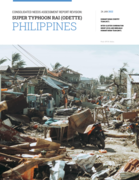
Eight years after Super Typhoon Haiyan, the most destructive storm to ever hit the Philippines, Super Typhoon Rai brought similar torrential rains, violent winds, mudslides, floods and storm surges to central parts of the Philippines, leaving a wide
...
path of destruction and debris in its wake. While not as powerful as Haiyan in terms of wind strength, evidence shows that Rai damaged houses, infrastructure and livelihoods on a comparable scale or in even greater numbers. Most striking, Rai damaged 1.57 million homes, 500,000 more than Haiyan, across 11 of the Philippines 17 regions, with around 180,000-200,000 people still displaced – either still in evacuation centers or staying with friends, family or other temporary housing.
more

Not long ago, on the occasion of the 100th anniversary of the discovery of Chagas disease, several campaigns denounced the scant progress has been made in diffrent spheres- medical, scientific and politcal- but major challanges still remain. This is
...
an appropriate time to celebrate what has been achieved and to take the next step.
more

The development of the Country Cooperation Strategy (CCS) was based on a consultative and participatory process with strong commitment and support from the Ministry of Health of Ghana. The CCS draws
...
on lessons from the implementation of the first, and second generation CCSs, the country focus strategy, and the United Nations Sustainable Development Cooperation Framework (2023–2025).
The strategic agenda of the CCS outlines three strategic priorities, which are:
1. improving universal access to essential health services through the primary health care approach.
2. health emergency preparedness and response: addressing gaps in IHR core capacities and strengthening national capacities to prevent, detect and respond appropriately to public health emergencies through a resilient health system.
3. addressing social, economic, and environmental determinants of health; promoting high-impact interventions to address public health risks using multisectoral approaches.
more
The report focuses on antibacterial resistance (ABR) in common bacterial pathogens. There is a major gap in knowledge about the magnitude of this problem. Antimicrobial resistance (AMR) threatens the effective revention and treatment of an ever-incr
...
easing range of infections caused by bacteria, parasites, viruses and fungi. This WHO report, produced in collaboration with Member States and other partners, provides for the first time, as accurate a picture as is presently possible of the magnitude of AMR and the current state of surveillance globally. It examines the information on AMR, in particular antibacterial resistance (ABR), at country level worldwide.
more
Prepared as an outcome of ICMR Subcommittee on Gastric Cancer | This consensus document on Management of Gallbladder cancers summarizes the modalities of treatment including the site-specific anti-cancer therapies, supportive and palliative care
...
and molecular markers and research questions. It also interweaves clinical, biochemical and epidemiological studies.
more
Prepared as an outcome of ICMR Subcommittee on Multiple Myeloma | This consensus document on management of multiple myeloma summarizes the modalities of treatment including the site-specific anti-cancer therapies, supportive and palliative care
...
and molecular markers and research questions. It also interweaves clinical, biochemical and epidemiological studies.
more
The National Action Plan for Combating Antibiotic-Resistant Bacteria (CARB), 2020-2025, presents
coordinated, strategic actions that the United States Government will take in the next five years to improve the health and wellbeing of all Americans
...
by changing the course of antibiotic resistance.
This Plan is based on the U.S. Government’s 2014 National Strategy for CARB, and builds on the first National Action Plan released in 2015 by expanding evidence-based activities that have already been shown to reduce antibiotic resistance, such as optimizing the use of antibiotics in human and animal health settings.
more
Global actions to reduce antimicrobial resistance (AMR) include optimising the use of antimicrobial medicines in human and animal health. In countries with weak healthcare regulation, this requires a greater understanding of the drivers of antibioti
...
c use from the perspective of providers and consumers. In Bangladesh, there is limited research on household decision-making and healthcare seeking in relation to antibiotic use and consumption for humans and livestock. Knowledge is similarly lacking on factors influencing the supply and demand for antibiotics among qualified and unqualified healthcare providers. The aim of this study is to conduct integrated research on household decision-making for healthcare and antibiotic use, as well as the awareness, behaviours and priorities of healthcare providers and sellers of antibiotics to translate into policy development and implementation
more
