Filter
2103
Text search:
psychosocial
centre
Featured
265
531
Language
1803
254
42
39
30
13
11
10
9
3
3
3
3
2
2
2
2
2
2
2
2
1
1
1
1
1
1
1
1
1
1
1
1
1
1
1
1
1
1
1
1
1
Document type
1157
314
247
142
107
56
34
32
8
3
2
1
Countries
87
83
69
60
58
55
54
53
42
39
38
38
38
34
32
31
29
26
26
25
24
23
23
21
20
20
19
19
18
16
15
15
14
13
12
12
12
10
10
10
10
10
10
9
9
9
9
8
8
8
7
7
7
7
6
6
6
6
6
5
5
5
5
5
4
4
4
4
4
4
4
4
4
3
3
3
3
3
2
2
2
2
2
2
2
2
2
2
2
2
2
2
2
2
2
2
2
2
1
1
1
1
1
1
1
1
1
1
1
1
1
1
1
1
1
1
1
1
1
1
Authors & Publishers
244
85
64
47
45
41
40
39
35
32
22
20
20
20
18
16
16
15
15
15
14
14
13
13
12
12
12
11
11
9
9
9
8
8
8
8
7
7
7
7
7
6
6
6
6
6
5
5
5
5
5
5
5
5
5
5
5
5
5
5
5
5
5
4
4
4
4
4
4
4
4
4
4
4
4
4
4
4
4
4
4
4
4
4
4
4
4
3
3
3
3
3
3
3
3
3
3
3
3
3
3
3
3
3
3
3
3
3
3
3
3
3
3
3
3
3
3
3
3
3
3
3
3
3
3
3
3
3
3
3
3
3
3
3
3
3
2
2
2
2
2
2
2
2
2
2
2
2
2
2
2
2
2
2
2
2
2
2
2
2
2
2
2
2
2
2
2
2
2
2
2
2
2
2
2
2
2
2
2
2
2
2
2
2
2
2
2
2
2
2
2
2
2
2
2
2
2
2
2
2
2
2
2
2
2
2
2
2
2
2
2
2
2
2
2
2
2
2
2
2
2
2
2
2
2
2
2
2
2
2
2
2
2
2
2
2
2
2
2
2
2
2
2
2
2
2
2
2
2
2
2
2
2
1
1
1
1
1
1
1
1
1
1
1
1
1
1
1
1
1
1
1
1
1
1
1
1
1
1
1
1
1
1
1
1
1
1
1
1
1
1
1
1
1
1
1
1
1
1
1
1
1
1
1
1
1
1
1
1
1
1
1
1
1
1
1
1
1
1
1
1
1
1
1
1
1
1
1
1
1
1
1
1
1
1
1
1
1
1
1
1
1
1
1
1
1
1
1
1
1
1
1
1
1
1
1
1
1
1
1
1
1
1
1
1
1
1
1
1
1
1
1
1
1
1
1
1
1
1
1
1
1
1
1
1
1
1
1
1
1
1
1
1
1
1
1
1
1
1
1
1
1
1
1
1
1
1
1
1
1
1
1
1
1
1
1
1
1
1
1
1
1
1
1
1
1
1
1
1
1
1
1
1
1
1
1
1
1
1
1
1
1
1
1
1
1
1
1
1
1
1
1
1
1
1
1
1
1
1
1
1
1
1
1
1
1
1
1
1
1
1
1
1
1
1
1
1
1
1
1
1
1
1
1
1
1
1
1
1
1
1
1
1
1
1
1
1
1
1
1
1
1
1
1
1
1
1
1
1
1
1
1
1
1
1
1
1
1
1
1
1
1
1
1
1
1
1
1
1
1
1
1
1
1
1
1
1
1
1
1
1
1
1
1
1
1
1
1
1
1
1
1
1
1
1
1
1
1
1
1
1
1
1
1
1
1
1
1
1
1
1
1
1
1
1
1
1
1
1
1
1
1
1
1
1
1
1
1
1
1
1
1
1
1
1
1
1
1
1
1
1
1
1
1
1
1
1
1
1
1
1
1
1
1
1
1
1
1
1
1
1
1
1
1
1
1
1
1
1
1
1
1
1
1
1
1
1
1
1
1
1
1
1
1
1
1
1
1
1
1
1
1
1
1
1
1
1
1
1
1
1
1
1
1
1
1
1
1
1
1
1
1
1
1
1
1
1
1
1
1
1
1
1
1
1
1
1
1
1
1
1
1
1
1
1
1
1
1
1
1
1
1
1
1
1
1
1
1
1
1
1
1
1
1
1
1
1
1
1
1
1
1
1
1
1
1
1
1
1
1
1
1
1
1
1
1
1
1
1
1
1
1
1
1
1
1
1
1
1
1
1
1
1
1
1
1
1
1
1
1
1
1
1
1
1
1
1
1
1
1
1
1
1
1
1
1
1
1
1
1
1
1
1
1
1
1
1
1
1
1
1
1
1
1
1
1
1
1
1
1
1
1
1
1
1
1
1
1
1
1
1
1
1
1
1
1
1
1
1
1
1
1
1
1
1
1
1
1
1
1
1
1
1
1
1
1
1
1
1
1
1
1
1
1
1
1
1
1
1
1
1
1
1
1
1
1
1
1
1
1
1
1
1
1
1
1
1
1
1
1
1
1
1
1
1
1
1
1
1
1
1
1
1
1
1
1
1
1
1
1
1
1
1
1
1
1
1
1
1
1
1
1
1
1
1
1
1
1
1
1
1
1
1
1
1
1
1
1
1
1
1
1
1
1
1
1
1
1
1
1
1
1
1
1
1
1
1
1
1
1
1
1
1
1
1
1
1
1
1
1
1
1
1
1
1
1
1
1
1
1
1
1
1
1
1
1
1
1
1
1
1
1
1
1
1
1
1
1
1
1
1
1
1
1
1
1
1
1
1
1
1
1
1
1
1
1
1
1
1
1
1
1
1
1
1
1
1
1
1
1
1
1
1
1
1
1
1
1
1
1
1
1
1
1
1
1
1
1
1
1
1
1
1
1
1
1
1
1
1
1
1
1
1
1
1
1
1
1
1
1
1
1
1
1
1
1
1
1
1
1
1
1
1
1
1
1
1
1
1
1
1
1
1
1
1
1
1
1
1
1
1
1
1
1
1
1
1
1
1
1
1
1
1
1
1
1
1
1
1
1
1
1
1
1
1
1
1
1
1
1
1
1
1
1
1
1
1
1
1
1
1
1
1
1
1
1
1
1
1
1
1
1
1
1
1
1
1
1
1
1
1
1
1
1
1
1
1
1
1
1
1
1
1
1
1
1
1
1
1
1
1
1
1
1
1
1
1
1
1
1
1
1
1
1
1
1
1
1
1
1
1
1
1
1
1
1
1
1
1
1
1
1
1
1
1
1
1
1
1
1
1
1
1
1
1
1
1
1
1
1
1
1
1
1
1
1
1
1
1
1
1
1
1
1
1
1
1
1
1
1
1
1
1
1
1
1
1
1
1
1
1
1
1
1
1
1
1
1
1
1
1
1
1
1
1
1
1
1
1
1
1
1
1
1
1
1
1
1
1
1
1
1
1
1
1
1
1
1
1
1
1
1
1
1
1
1
1
1
1
1
1
1
1
1
1
1
1
1
1
1
1
1
1
1
1
1
1
1
1
1
1
1
1
1
1
1
1
1
1
1
1
1
1
1
1
1
1
1
1
1
1
1
1
1
1
1
1
1
1
1
1
1
1
1
1
1
1
1
1
1
1
1
1
1
1
1
1
1
1
1
1
1
1
1
1
1
1
1
1
1
1
1
1
1
1
1
1
1
1
1
1
1
1
1
1
1
1
1
1
1
1
1
1
1
1
1
1
1
1
1
1
1
1
1
1
1
1
1
1
1
1
1
1
1
1
1
1
1
1
1
1
1
1
1
1
1
1
1
1
1
1
1
1
1
1
1
1
1
1
1
1
1
1
1
1
1
1
1
1
1
1
1
1
1
1
1
1
1
1
1
1
1
1
1
1
1
1
1
1
1
1
1
1
1
1
1
1
1
1
1
1
1
1
1
1
1
1
1
1
1
1
1
1
1
1
1
1
1
1
1
1
1
1
1
1
1
1
1
1
1
1
1
1
1
1
1
1
1
1
1
1
1
1
1
1
1
1
1
1
1
1
1
1
1
1
1
1
1
1
1
1
1
1
1
1
1
1
1
1
1
1
1
1
1
1
1
1
1
1
1
1
1
1
1
1
1
1
1
1
1
1
1
1
1
1
1
1
1
1
1
1
1
1
1
1
1
1
1
1
1
1
1
1
1
1
1
1
1
1
1
1
1
1
1
1
1
1
1
1
1
1
1
1
1
1
1
1
1
1
1
1
1
1
1
1
1
1
1
1
1
1
1
1
1
1
1
1
1
1
1
1
1
1
1
1
1
1
1
1
1
1
1
1
1
1
1
1
1
1
1
1
1
1
1
1
1
1
1
1
1
1
1
1
1
1
1
1
1
1
1
1
1
1
1
1
1
1
1
1
1
1
1
1
1
1
1
1
1
1
1
1
1
1
Publication Years
644
1304
150
4
1
Category
765
138
120
112
82
43
4
Toolboxes
434
204
158
140
119
90
74
66
62
56
33
31
24
23
20
15
9
8
6
6
5
3
3
2
1
1
1
As countries commit to achieving universal health coverage, it is imperative to ensure that the design and delivery of palliative care services place attention on quality of care, with action needed across all domains of quality health services: effectiveness, safety, people-centredness, timeliness,
...
equity, integration and efficiency. Providing compassionate, dignified and people-centred palliative care is an ethical responsibility of health systems.
This document provides a practical resource to support implementation of sustainable improvements in the quality of palliative care. It describes approaches to quality policy, strategy and planning for palliative care programmes and services, presents learning on quality of care arising from palliative care programmes, and offers considerations on measurement of quality palliative care services at all levels of the health system. The document also highlights relevant WHO resources available that further support the development of quality palliative care services.
The audience for this document is a general one that includes policy-makers, palliative care service planners, managers, practitioners and health care providers at all levels.
more
C’est dans ce contexte particulièrement complexe qu’ONU Femmes et CARE, sous le leadership du Ministère à la Condition féminine et aux Droits des femmes (MCFDF) et en coordination avec la Direction Générale de la Protection Civile (DGPC), ont lancé l’Analyse Rapide Genre qui se veut une
...
évaluation rapide de l’impact du tremblement de terre d’août 2021 sur les femmes, les hommes, les filles et les garçons, incluant les personnes en situation de vulnérabilité, afin d’éclairer la réponse humanitaire en cours en Haïti dans l’immédiat, ainsi que les efforts de redressement à moyen et à long terme. Cette étude est faite en partenariat avec l’Equipe spéciale genre de l’équipe humanitaire en Haiti et a obtenu le soutien financier, technique et logistique des partenaires suivantes : Fondation Toya, IDEJEN, UNFPA, OCHA, OMS/OPS, ONUSIDA, PAM, PNUD, et UNICEF.
La présente étude permet de restituer et de prendre en compte les perspectives des femmes, des hommes, et des jeunes dans les trois départements affectés dans la conception de réponses adaptées et en ligne avec les besoins sexo-spécifiques en tenant compte des situations de vulnérabilité liées au genre, au handicap, à l’âge, et aux autres conditions socio-économiques. Cette étude fait aussi écho aux appels lancés par les organisations de femmes pour une réponse plus sensible au genre et qui prenne en compte leur leadership.
more
Strategical plan
Plan strategique

This is the sixth of our 11-paper supplement entitled “Community Health Workers at the Dawn of New Era”. Expectations of community health workers (CHWs) have expanded in recent years to encompass a wider array
of services to numerous subpopulations, engage communities to collaborate with and to
...
assist health systems in responding to complex and sometimes intensive threats. In this paper, we explore a set of key considerations for training of CHWs in response to their enhanced and changing roles and provide actionable recommendations based on
current evidence and case examples for health systems leaders and other stakeholders to utilize.
more
Palliative Care Toolkits and Training Manual
recommended
This toolkit has been written to empower health workers in resource-poor settings to integrate palliative care into the work they are doing by grafting the missing elements of care onto what is already in place. The WHPCA, Hospice UK and Palliative Care Works have led this updating of the Palliative
...
Care Toolkit published in 2008 to reflect new knowledge and practice
The Manual is available in various languages: English, Swahili, Bengali, French, Georgian, Portuguese, Spanish, Vietnamese, Russian,
more
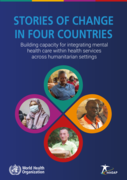
The world is facing an unprecedented range of emergencies. In reaction to these complex adversities, many people experience considerable distress and impairment, and a minority may even go on to develop mental health conditions. Meanwhile, those with pre-existing mental health conditions may experie
...
nce a worsening of their condition and are at risk of neglect, abandonment, abuse and lack of access to support. Unfortunately, evidence-based mental health care is often extremely limited in humanitarian settings. In response, the World Health Organization (WHO) and the United Nations High Commissioner for Refugees (UNHCR) published the Mental Health Gap Action Programme (mhGAP) Humanitarian Intervention Guide (mhGAP-HIG) in 2015. This practical tool supports health-care providers in assessing and offering first-line management of mental, neurological and substance use (MNS) conditions in humanitarian emergency settings.
2 December 2021. The current report, Stories of change from four countries: Building capacity for integrating mental health care within health services across humanitarian settings, describes efforts in four countries to build evidence-based mental health systems in humanitarian emergency settings using the mhGAP-HIG. This report includes three sections, the first describing the importance of scaling up mental health care in emergency contexts, the second outlining case studies (“stories of change”) to scale up the Mental Health Gap Action Programme (mhGAP) programme in four settings and the third describing lessons learned by stakeholders.
more

The Strategic Tool for Assessing Risks (STAR) offers a comprehensive, easy-to-use toolkit and approach to enable national and subnational governments to rapidly conduct a strategic and evidence-based assessment of public health risks for planning and prioritization of health emergency preparedness a
...
nd disaster risk management activities. This guidance describes the principles and methodology of STAR to enhance its adaptation and use at the national or subnational levels.
more

This Global Competency Standards sets the benchmark for the health workforce in providing equality of care to refugees and migrants. Refugee and migrant populations are highly diverse, with significant variation in life experiences, health needs and access to health care. The standards described out
...
line expected behaviours of health workers in delivering quality care to refugees and migrants and can be used to inform the outcomes of education programmes aligned with standards for care. The Competency Standards is designed to provide a foundation to support the development of competency-based curricula tailored to the local context and for health workers to achieve a minimum level of competence. The importance of person-centred, culturally responsive care is emphasized in the nine competency standards, which recognize the need for health workers to be trained, supported and empowered within strong health systems
more
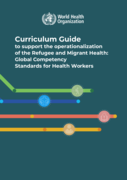
This Curriculum Guide accompanies the Refugee and Migrant Health: Global Competency Standards for Health Workers and the Knowledge Guide to support the operationalization of the Standards. The Curriculum Guide provides guidance for institutions, health organizations and individuals engaged in the ed
...
ucation and training of health practitioners and health administrators to support incorporation of the knowledge, skills and attitudes set out in the Knowledge Guide into curricula and for assessment of the achievement of the relevant learning outcomes and Competency Standards.
more
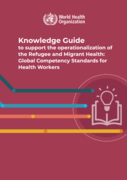
The Knowledge Guide provides guidance on how health workers can apply the Standards to their own practice. For each of the nine competencies and their specific behaviours in the Standards, the Knowledge Guide examines in detail how a health worker's knowledge, skills and attitudes can reach the stat
...
ed benchmark for providing people-centred health services to refugees and migrants. The Knowledge Guide also details the learning outcomes that reflect the behaviours that a health worker will demonstrate once they have achieved the Competency Standards.
The Knowledge Guide is designed for educators and health workers to assist in designing or integrating learning content to enable attainment of the identified knowledge, skills and attitudes.
more
Creating a common approach ro regulation, educational preparation and practice: future direction for nursing & midwifery development in the African Region

Post Graduate programme is essential to prepare nurses to improve the
quality of nursing education and practice in India. .
Post graduate programme in nursing builds upon and extends competence
acquired at the graduate levels, emphasizes application of relevant theories
into nursing practice, ed
...
ucation, administration and development of
research skills.
more

A study conducted by the World Health Organisation Regional Office for Africa. The COVID-19 pandemic has had a significant impact on older persons both globally and in the African region. Although overall the region’s population is younger relative to many other world regions, the WHO AFRO region
...
has a population just over 62 million older people and is ageing rapidly, with the number of older people expected to triple in the next three decades (Aboderin et al., 2020).
more

These guidelines provide a framework for effective action to facilitate access to safe and ethical
testing services for different population groups. The implementation of the a comprehensive
approach, known as HIV Testing Services (HTS) is cardinal as an effective package of services
that diminis
...
hes the impact of the HIV epidemic in our country. All forms of HTS adhere to
the 5Cs: Confidentiality, Counselling, Consent, Correct results and Connection, or linkage
to care, with all based within a human right context. In addition to the 5Cs, however, the
MOHCDGEC emphasizes the use of a variety of approaches to HTS that will reduce the
number of missed opportunities. These include Provider-Initiated Testing and Counselling
testing, Couple counselling and testing, Index testing, and infant and children counselling and
testing in alignment to the revised WHO guidelines. Furthermore, these guidelines accentuate
on the continual provision of integrated HTS service at all levels of the public and private
health service delivery system.
The HTS Providers, managers and other stakeholders
more