
Filter
2991
Text search:
regional
office
for
Africa
Featured
323
790
Language
2846
108
60
47
42
40
16
7
3
3
3
2
2
2
2
2
1
1
1
1
1
1
1
1
1
1
1
1
1
1
1
1
1
1
1
1
1
1
1
1
1
1
1
1
1
Document type
1459
638
396
188
146
61
57
29
8
4
2
1
1
Countries
165
116
100
97
87
84
74
65
60
58
54
52
51
40
40
39
39
39
38
36
35
34
34
32
31
31
25
24
23
18
16
16
15
15
15
14
14
14
14
13
13
13
13
12
12
10
9
9
9
8
8
8
8
8
8
8
7
7
7
7
6
6
6
6
6
5
5
4
4
4
3
3
3
3
3
3
3
3
3
3
2
2
2
2
2
2
2
2
2
2
2
2
2
1
1
1
1
1
1
1
1
1
1
1
1
1
1
1
1
1
1
1
1
1
1
1
1
1
1
Authors & Publishers
570
143
107
84
75
54
51
43
41
36
35
34
31
30
19
18
18
18
17
14
14
13
13
12
12
12
12
12
12
11
11
11
11
11
10
10
9
9
9
9
9
9
8
8
8
8
8
7
7
7
7
7
7
7
7
7
6
6
6
6
6
6
6
6
6
6
6
5
5
5
5
5
5
5
5
5
5
5
5
5
5
5
5
5
5
5
4
4
4
4
4
4
4
4
4
4
4
4
4
4
4
4
4
4
4
4
4
4
4
4
4
4
4
4
4
4
3
3
3
3
3
3
3
3
3
3
3
3
3
3
3
3
3
3
3
3
3
3
3
3
3
3
3
3
3
3
3
3
3
3
3
3
3
3
3
3
3
3
3
3
3
3
3
3
3
3
3
3
3
3
3
3
3
3
3
3
2
2
2
2
2
2
2
2
2
2
2
2
2
2
2
2
2
2
2
2
2
2
2
2
2
2
2
2
2
2
2
2
2
2
2
2
2
2
2
2
2
2
2
2
2
2
2
2
2
2
2
2
2
2
2
2
2
2
2
2
2
2
2
2
2
2
2
2
2
2
2
2
2
2
2
2
2
2
2
2
2
2
2
2
2
2
2
2
2
2
2
2
2
2
2
2
2
2
2
2
2
2
2
2
2
2
2
2
2
2
2
2
2
2
2
2
2
2
2
2
2
2
2
2
2
2
2
2
2
2
2
2
2
2
2
2
2
2
2
2
2
2
2
2
2
2
2
2
2
2
1
1
1
1
1
1
1
1
1
1
1
1
1
1
1
1
1
1
1
1
1
1
1
1
1
1
1
1
1
1
1
1
1
1
1
1
1
1
1
1
1
1
1
1
1
1
1
1
1
1
1
1
1
1
1
1
1
1
1
1
1
1
1
1
1
1
1
1
1
1
1
1
1
1
1
1
1
1
1
1
1
1
1
1
1
1
1
1
1
1
1
1
1
1
1
1
1
1
1
1
1
1
1
1
1
1
1
1
1
1
1
1
1
1
1
1
1
1
1
1
1
1
1
1
1
1
1
1
1
1
1
1
1
1
1
1
1
1
1
1
1
1
1
1
1
1
1
1
1
1
1
1
1
1
1
1
1
1
1
1
1
1
1
1
1
1
1
1
1
1
1
1
1
1
1
1
1
1
1
1
1
1
1
1
1
1
1
1
1
1
1
1
1
1
1
1
1
1
1
1
1
1
1
1
1
1
1
1
1
1
1
1
1
1
1
1
1
1
1
1
1
1
1
1
1
1
1
1
1
1
1
1
1
1
1
1
1
1
1
1
1
1
1
1
1
1
1
1
1
1
1
1
1
1
1
1
1
1
1
1
1
1
1
1
1
1
1
1
1
1
1
1
1
1
1
1
1
1
1
1
1
1
1
1
1
1
1
1
1
1
1
1
1
1
1
1
1
1
1
1
1
1
1
1
1
1
1
1
1
1
1
1
1
1
1
1
1
1
1
1
1
1
1
1
1
1
1
1
1
1
1
1
1
1
1
1
1
1
1
1
1
1
1
1
1
1
1
1
1
1
1
1
1
1
1
1
1
1
1
1
1
1
1
1
1
1
1
1
1
1
1
1
1
1
1
1
1
1
1
1
1
1
1
1
1
1
1
1
1
1
1
1
1
1
1
1
1
1
1
1
1
1
1
1
1
1
1
1
1
1
1
1
1
1
1
1
1
1
1
1
1
1
1
1
1
1
1
1
1
1
1
1
1
1
1
1
1
1
1
1
1
1
1
1
1
1
1
1
1
1
1
1
1
1
1
1
1
1
1
1
1
1
1
1
1
1
1
1
1
1
1
1
1
1
1
1
1
1
1
1
1
1
1
1
1
1
1
1
1
1
1
1
1
1
1
1
1
1
1
1
1
1
1
1
1
1
1
1
1
1
1
1
1
1
1
1
1
1
1
1
1
1
1
1
1
1
1
1
1
1
1
1
1
1
1
1
1
1
1
1
1
1
1
1
1
1
1
1
1
1
1
1
1
1
1
1
1
1
1
1
1
1
1
1
1
1
1
1
1
1
1
1
1
1
1
1
1
1
1
1
1
1
1
1
1
1
1
1
1
1
1
1
1
1
1
1
1
1
1
1
1
1
1
1
1
1
1
1
1
1
1
1
1
1
1
1
1
1
1
1
1
1
1
1
1
1
1
1
1
1
1
1
1
1
1
1
1
1
1
1
1
1
1
1
1
1
1
1
1
1
1
1
1
1
1
1
1
1
1
1
1
1
1
1
1
1
1
1
1
1
1
1
1
1
1
1
1
1
1
1
1
1
1
1
1
1
1
1
1
1
1
1
1
1
1
1
1
1
1
1
1
1
1
1
1
1
1
1
1
1
1
1
1
1
1
1
1
1
1
1
1
1
1
1
1
1
1
1
1
1
1
1
1
1
1
1
1
1
1
1
1
1
1
1
1
1
1
1
1
1
1
1
1
1
1
1
1
1
1
1
1
1
1
1
1
1
1
1
1
1
1
1
1
1
1
1
1
1
1
1
1
1
1
1
1
1
1
1
1
1
1
1
1
1
1
1
1
1
1
1
1
1
1
1
1
1
1
1
1
1
1
1
1
1
1
1
1
1
1
1
1
1
1
1
1
1
1
1
1
1
1
1
1
1
1
1
1
1
1
1
1
1
1
1
1
1
1
1
1
1
1
1
1
1
1
1
1
1
1
1
1
1
1
1
1
1
1
1
1
1
1
1
1
1
1
1
1
1
1
1
1
1
1
1
1
1
1
1
1
1
1
1
1
1
1
1
1
1
1
1
1
1
1
1
1
1
1
1
1
1
1
1
1
1
1
1
1
1
1
1
1
1
1
1
1
1
1
1
1
1
1
1
1
1
1
1
1
1
1
1
1
1
1
1
1
1
1
1
1
1
1
1
1
1
1
1
1
1
1
1
1
1
1
1
1
1
1
1
1
1
1
1
1
1
1
1
1
1
1
1
1
1
1
1
1
1
1
1
1
1
1
1
1
1
1
1
1
1
1
1
1
1
1
1
1
1
1
1
1
1
1
1
1
1
1
1
1
1
1
1
1
1
1
1
1
1
1
1
1
1
1
1
1
1
1
1
1
1
1
1
1
1
1
1
1
1
1
1
1
1
1
1
1
1
1
1
1
1
1
1
1
1
1
1
1
1
1
1
1
1
1
1
1
1
1
1
1
1
1
1
1
1
1
1
1
1
1
1
1
1
1
1
1
1
1
1
1
1
1
1
1
1
1
1
1
1
1
1
1
1
1
1
1
1
1
1
1
1
1
1
1
1
1
1
1
1
1
1
1
1
1
1
1
1
1
1
1
1
1
1
1
1
1
1
1
1
1
1
1
1
1
1
1
1
1
1
1
1
1
1
1
1
1
1
1
1
1
1
1
1
1
1
1
1
1
1
1
1
1
1
1
1
1
1
1
1
1
1
1
1
1
1
1
1
1
1
1
1
1
1
1
1
1
1
1
1
1
1
1
1
1
1
1
1
1
1
1
1
1
1
1
1
1
1
1
1
1
1
1
1
1
1
1
1
1
1
1
1
1
1
1
1
1
1
1
1
1
1
1
1
1
1
1
1
1
1
1
1
1
1
1
1
1
1
1
1
1
1
1
1
1
1
1
1
1
1
1
1
1
1
1
1
1
1
1
1
1
1
1
1
1
1
1
1
1
1
1
1
1
1
1
1
1
1
1
1
1
1
1
1
1
1
1
1
1
1
1
1
1
1
1
1
1
1
1
1
1
1
1
1
1
1
1
1
1
1
1
1
1
1
1
1
1
1
1
1
1
1
1
1
1
1
1
1
1
1
1
1
1
1
1
1
1
1
1
1
1
1
1
1
1
1
1
1
1
1
1
1
1
1
1
1
1
1
1
1
1
1
1
1
1
1
1
1
1
1
1
1
1
1
1
1
1
1
1
1
1
1
1
1
1
1
1
1
1
1
1
1
1
1
1
1
1
1
1
1
1
1
1
1
1
1
1
1
1
1
1
1
1
1
1
1
1
1
1
1
1
1
1
1
1
1
1
1
1
1
1
1
1
1
1
1
1
1
1
1
1
1
1
1
1
1
1
1
1
1
1
1
1
1
1
1
1
1
1
1
1
1
1
1
1
1
1
1
1
1
1
1
1
1
1
1
1
1
1
1
1
1
1
1
1
1
1
1
1
1
1
1
1
1
1
1
1
1
1
1
1
1
1
1
1
1
1
1
1
1
1
1
1
1
1
1
1
1
1
1
1
1
1
1
1
1
1
1
1
1
1
1
1
1
1
1
1
1
1
1
1
1
1
1
1
1
1
1
1
1
1
1
1
1
1
1
1
1
1
1
1
1
1
1
1
1
1
1
1
1
1
1
1
1
1
1
1
1
1
1
1
1
1
1
1
1
1
1
1
1
1
1
1
1
1
1
1
1
1
1
1
1
1
1
1
1
1
1
1
1
1
1
1
1
1
1
1
1
1
1
1
1
1
1
1
1
1
1
1
1
1
1
1
1
1
1
1
1
1
1
1
1
1
1
1
1
1
1
1
1
1
1
1
1
1
1
1
1
1
1
1
1
1
1
1
1
1
1
1
1
1
1
1
1
1
1
1
1
1
1
1
1
1
1
1
1
1
1
1
1
1
1
1
1
1
1
1
1
1
1
1
1
1
1
1
1
1
1
1
1
1
1
1
1
1
1
1
1
1
1
1
1
1
1
1
1
1
1
1
1
1
1
1
1
1
1
1
1
1
1
1
1
1
1
1
1
1
1
1
1
1
1
1
1
1
1
1
1
1
1
1
1
1
1
1
1
1
1
1
1
1
1
1
1
1
1
1
1
1
1
1
1
1
1
1
1
1
1
1
1
1
1
1
1
1
1
1
1
1
1
1
1
1
1
1
1
1
1
Publication Years
1031
1716
228
13
2
1
Category
1046
226
209
175
173
59
33
Toolboxes
238
197
157
151
140
138
107
90
90
87
86
81
77
75
67
53
51
44
44
43
22
18
14
8
8
3
1
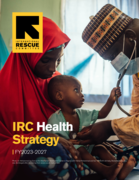
The International Rescue Committee (IRC) is a leading humanitarian agency dedicated to helping people whose lives have been shattered by conflict and disaster to survive, recover, and gain control of their future. Health comprises nearly half of IRC’s program portfolio globally and encompasses thr
...
ee sectors: 1) Primary Health (including child health, sexual and reproductive health and rights, and mental health); 2) Nutrition; and 3) Environmental Health. IRC health programming across its portfolio, in terms of the size and breadth, responds to significant needs in crisis affected settings, improving health and wellbeing while reducing causes of ill-health.
This five-year Health Strategy sharpens our focus on where we can have the most impact. It guides our efforts in planning, technical assistance, business development, advocacy, and internal and external collaboration. Through this strategy, we will invest and grow in areas that will help us achieve high impact at scale for our clients. For the next five years these priorities will include: Nutrition; Immunization: Infectious Disease Prevention and Control; Last Mile Delivery of Primary Health Care: Clean Water.
Our strategy aligns with Strategy 100 (S100) and Strategy Action Plans (SAPs). It lays out how IRC, through health, nutrition, and Environmental Health (EH) programming, will advance the IRC’s S100 ambitions, respond to global trends, and capitalize on our value add. The strategy will be complemented by delivery plans that detail investments, actions, and roles and responsibilities to advance our priorities. At the end of FY24, we will take stock of the implementation of the strategy, measure progress towards achieving our goals, and review if it continues to be fit for purpose.
more
We can't stop at almost. 2025 Goalkeeper Report
recommended
2025 is the first year of this century where child deaths will increase.
But we can stop this reversal before it becomes a trend, even in a time of tight budgets.
With proven solutions and next-generation innovations that do more with less, we can save millions of children's lives, protect the pro
...
gress we've fought so hard for, and wipe out diseases that have plagued humanity for generations.
You can download different languages : English, German, French, Spanish, Russian, Chinese
more

The Ethiopia Multi-Sectorial Cholera Elimination Plan (2022-2028) outlines a national strategy to eliminate cholera in Ethiopia by 2028. The plan follows the Global Roadmap to End Cholera by 2030 and is based on six key pillars: Leadership & Coordination, Water, Sanitation & Hygiene (WASH), Surveill
...
ance & Reporting, Use of Oral Cholera Vaccines (OCV), Healthcare System Strengthening, and Community Engagement.
Ethiopia has historically faced recurrent cholera outbreaks due to poor sanitation, unsafe water, and weak health infrastructure. The plan prioritizes high-risk areas (hotspot woredas) and aims to reduce cholera-related mortality by 90% by 2028. It includes efforts to improve WASH conditions, strengthen disease surveillance, enhance rapid response capabilities, expand vaccination campaigns, and integrate cholera control into broader health policies.
The government, in collaboration with international partners such as WHO, UNICEF, and the Global Task Force for Cholera Control (GTFCC), will implement and monitor the plan. The estimated budget for the initiative is $390 million over eight years. Ethiopia aims to achieve zero cholera transmission in hotspot regions, ensuring sustainable public health improvements.
more
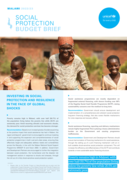
Based on an increasing body of evidence pointing at the positive impact that social assistance has had in Malawi, the region and beyond, government is encouraged to continue investing in and supporting the expansion and comprehensiveness of social protection programmes in both rural and urban areas,
...
ensuring they effectively target and adequately address needs and vulnerabilities across the lifecycle, in line with the Malawi National Social Support Programme (MNSSP II) and Vision 2063. In addition, Government and Development Partners are encouraged to further the integration between social protection, the humanitarian and the disaster risk management sectors in response to shocks and stresses, through the roll out of a fully shock-sensitive social protection system.
more

The Ministry of Health and Social Services has the mandate to fulfil one of the aspirations in Namibia’s Vision 2030 to “transform Namibia into a healthy and food-secure nation”. Namibia strives to provide quality health and social welfare services efficiently and effectively to the population
...
across the country in its quest to achieve universal health coverage. Namibia has identified eHealth as one of its key enablers to achieve universal health coverage.
more

Reflecting its commitment to achieving the Sustainable Development Goals (SDGs), Namibia volunteered to undertake a second national review of the SDGs in 2021. The focus is on three SDG dimensions, namely, Economic, Social, and Environmental. These three dimensions are comprehensively integrated in
...
the fifth National Development Plan (NDP5) pillars: Economic Progression, Social Transformation, Environmental Sustainability, and Good Governance.
more
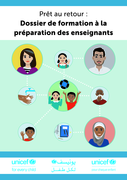
Prêt au retour: dossier de formation à la préparation des enseignants vous guidera à travers une réflexion sur l’impact du COVID-19 sur les pratiques pédagogiques quotidiennes et vous fournira des conseils et des suggestions que vous pourrez appliquer en classe. Les informations fournies ici
...
ne sont qu’une première introduction ; nous espérons que vous les trouverez instructives et utiles, que vous explorerez les sujets plus en profondeur, que vous en discuterez avec vos collègues et que vous utiliserez les ressources disponibles qui vous permettront de changer durablement la vie de vos élèves.
more
Cholera remains a significant public health threat in many countries worldwide. In resource-constrained settings, it disproportionately affects thousands of poor and vulnerable population

Defeating meningitis by 2030: a roadmap
To guide the provision of quality palliative care services across the African region, the African Palliative Care Association (APCA) has developed a framework of core palliative care competencies that can be used by service providers, educators and other stakeholders to guide programmes development.
...
more
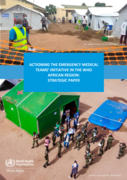
Emergency medical teams (EMT) are first response health care providers – doctors, nurses, paramedics, and others – during outbreaks and emergencies or disasters, working with governments, charities such as nongovernmental organizations (NGOs), armies, and international organizations such as the
...
International Red Cross/Red Crescent movement. They comply with the classification and minimum standards set by the World Health Organization (WHO) and its partners and bring to an emergency their training and self-sufficiency so as not to burden the national health system. EMT initiatives strengthen national surge capacities and facilitate the deployment of internationally classified teams of health- care professionals to countries and territories during emergencies, particularly during disease outbreaks and natural disasters, providing immediate assistance when national health systems are overwhelmed . Considering that they aim to support the provision of quality clinical care services to populations affected by public health emergencies, the expectation is that financial resources and equipment will be available to enable the performance of the requested task.
more
The role of evidence in the journey towards universal health coverage is paramount. Financial risk protection monitoring, the major focus of this report, informs where the WHO African Region stands in reducing the financial hardship people face due to health expenses. This report details the status
...
of financial risk protection and related trends, the drivers of out-of-pocket (OOP) payments and the impact of the COVID-19 pandemic on financial risk protection. As such, it provides evidence coutries can draw on to develop health financing systems and reforms that mitigate financial barriers to accessing health services. Through analysis of country data, cross-country learning and drawing on the published literature, this report proposes recommendations that countries may adapt to their contexts.
more

DOI 10.15252/emmm.201404792 |Published online 30.12.2014
EMBO Molecular Medicine(2014)emmm.201404792
Mapping Children on the Move
recommended
African Committee of Experts on the Rights and Welfare of the Children ACERWC
GIZ; Save the Children; EU
(2018)
CC
In reviewing State Parties report on the implementation of the Charter, the Committee has identified children on the move as an emerging child protection issue in African, and therefore commissioned a study in view of making recommendations to tackle the problem in Member States. The Committee obse
...
rved that there were challenges with regard to upholding the rights and welfare of children on the move and that there are gaps on the type of protection measures and treatment that is be accorded to such children within our beloved Continent.
The study presents key drivers of the children on the move, migration routes, challenges faced by children on the move, policy and institutionalized content protecting children on the move and finally the way forward.
more
