
Filter
2523
Text search:
emotional
Featured
243
547
Language
2372
67
66
51
48
43
17
15
8
8
7
6
6
5
4
4
4
4
4
3
3
3
3
3
3
2
2
2
2
2
2
2
2
2
2
2
2
2
2
1
1
1
1
1
1
1
1
1
1
Document type
1475
352
292
193
84
44
38
21
15
4
3
1
1
Countries
130
97
59
59
46
46
44
43
40
38
36
34
33
32
32
31
29
29
28
26
23
23
21
16
15
15
15
15
14
14
12
11
11
11
10
10
9
9
8
7
6
6
6
6
6
5
5
5
5
5
5
4
4
4
4
3
3
3
3
3
3
3
3
3
3
3
3
3
2
2
2
2
2
2
2
2
2
2
2
2
2
2
2
2
1
1
1
1
1
1
1
1
1
1
1
1
1
1
1
1
1
1
1
1
1
1
1
1
1
1
1
Authors & Publishers
256
98
93
92
69
63
47
43
41
40
38
35
34
24
24
17
17
16
15
13
12
11
11
10
10
10
9
9
9
9
9
8
8
8
7
7
7
7
7
7
7
7
6
6
6
6
6
6
6
6
6
6
6
6
6
5
5
5
5
5
5
5
5
5
5
5
5
5
5
5
5
5
5
5
5
5
4
4
4
4
4
4
4
4
4
4
4
4
4
4
4
4
4
4
4
4
4
4
4
4
3
3
3
3
3
3
3
3
3
3
3
3
3
3
3
3
3
3
3
3
3
3
3
3
3
3
3
3
3
3
3
3
3
3
3
3
3
3
3
3
3
3
3
3
3
3
3
3
3
3
3
3
3
3
3
3
3
3
3
3
3
3
3
3
3
3
3
2
2
2
2
2
2
2
2
2
2
2
2
2
2
2
2
2
2
2
2
2
2
2
2
2
2
2
2
2
2
2
2
2
2
2
2
2
2
2
2
2
2
2
2
2
2
2
2
2
2
2
2
2
2
2
2
2
2
2
2
2
2
2
2
2
2
2
2
2
2
2
2
2
2
2
2
2
2
2
2
2
2
2
2
2
2
2
2
2
2
2
2
2
2
2
2
2
2
2
2
2
2
2
2
2
2
2
2
2
2
2
2
2
2
2
2
2
2
2
2
2
2
2
2
2
2
2
2
2
2
2
2
2
2
2
2
2
2
2
2
2
2
2
2
2
2
2
2
2
2
2
2
2
2
2
2
2
2
2
2
2
2
2
2
2
2
2
2
2
2
2
2
2
2
2
2
2
2
2
2
2
2
2
2
2
2
2
1
1
1
1
1
1
1
1
1
1
1
1
1
1
1
1
1
1
1
1
1
1
1
1
1
1
1
1
1
1
1
1
1
1
1
1
1
1
1
1
1
1
1
1
1
1
1
1
1
1
1
1
1
1
1
1
1
1
1
1
1
1
1
1
1
1
1
1
1
1
1
1
1
1
1
1
1
1
1
1
1
1
1
1
1
1
1
1
1
1
1
1
1
1
1
1
1
1
1
1
1
1
1
1
1
1
1
1
1
1
1
1
1
1
1
1
1
1
1
1
1
1
1
1
1
1
1
1
1
1
1
1
1
1
1
1
1
1
1
1
1
1
1
1
1
1
1
1
1
1
1
1
1
1
1
1
1
1
1
1
1
1
1
1
1
1
1
1
1
1
1
1
1
1
1
1
1
1
1
1
1
1
1
1
1
1
1
1
1
1
1
1
1
1
1
1
1
1
1
1
1
1
1
1
1
1
1
1
1
1
1
1
1
1
1
1
1
1
1
1
1
1
1
1
1
1
1
1
1
1
1
1
1
1
1
1
1
1
1
1
1
1
1
1
1
1
1
1
1
1
1
1
1
1
1
1
1
1
1
1
1
1
1
1
1
1
1
1
1
1
1
1
1
1
1
1
1
1
1
1
1
1
1
1
1
1
1
1
1
1
1
1
1
1
1
1
1
1
1
1
1
1
1
1
1
1
1
1
1
1
1
1
1
1
1
1
1
1
1
1
1
1
1
1
1
1
1
1
1
1
1
1
1
1
1
1
1
1
1
1
1
1
1
1
1
1
1
1
1
1
1
1
1
1
1
1
1
1
1
1
1
1
1
1
1
1
1
1
1
1
1
1
1
1
1
1
1
1
1
1
1
1
1
1
1
1
1
1
1
1
1
1
1
1
1
1
1
1
1
1
1
1
1
1
1
1
1
1
1
1
1
1
1
1
1
1
1
1
1
1
1
1
1
1
1
1
1
1
1
1
1
1
1
1
1
1
1
1
1
1
1
1
1
1
1
1
1
1
1
1
1
1
1
1
1
1
1
1
1
1
1
1
1
1
1
1
1
1
1
1
1
1
1
1
1
1
1
1
1
1
1
1
1
1
1
1
1
1
1
1
1
1
1
1
1
1
1
1
1
1
1
1
1
1
1
1
1
1
1
1
1
1
1
1
1
1
1
1
1
1
1
1
1
1
1
1
1
1
1
1
1
1
1
1
1
1
1
1
1
1
1
1
1
1
1
1
1
1
1
1
1
1
1
1
1
1
1
1
1
1
1
1
1
1
1
1
1
1
1
1
1
1
1
1
1
1
1
1
1
1
1
1
1
1
1
1
1
1
1
1
1
1
1
1
1
1
1
1
1
1
1
1
1
1
1
1
1
1
1
1
1
1
1
1
1
1
1
1
1
1
1
1
1
1
1
1
1
1
1
1
1
1
1
1
1
1
1
1
1
1
1
1
1
1
1
1
1
1
1
1
1
1
1
1
1
1
1
1
1
1
1
1
1
1
1
1
1
1
1
1
1
1
1
1
1
1
1
1
1
1
1
1
1
1
1
1
1
1
1
1
1
1
1
1
1
1
1
1
1
1
1
1
1
1
1
1
1
1
1
1
1
1
1
1
1
1
1
1
1
1
1
1
1
1
1
1
1
1
1
1
1
1
1
1
1
1
1
1
1
1
1
1
1
1
1
1
1
1
1
1
1
1
1
1
1
1
1
1
1
1
1
1
1
1
1
1
1
1
1
1
1
1
1
1
1
1
1
1
1
1
1
1
1
1
1
1
1
1
1
1
1
1
1
1
1
1
1
1
1
1
1
1
1
1
1
1
1
1
1
1
1
1
1
1
1
1
1
1
1
1
1
1
1
1
1
1
1
1
1
1
1
1
1
1
1
1
1
1
1
1
1
1
1
1
1
1
1
1
1
1
1
1
1
1
1
1
1
1
1
1
1
1
1
1
1
1
1
1
1
1
1
1
1
1
1
1
1
1
1
1
1
1
1
1
1
1
1
1
1
1
1
1
1
1
1
1
1
1
1
1
1
1
1
1
1
1
1
1
1
1
1
1
1
1
1
1
1
1
1
1
1
1
1
1
1
1
1
1
1
1
1
1
1
1
1
1
1
1
1
1
1
1
1
1
1
1
1
1
1
1
1
1
1
1
1
1
1
1
1
1
1
1
1
1
1
1
1
1
1
1
1
1
1
1
1
1
1
1
1
1
1
1
1
1
1
1
1
1
1
1
1
1
1
1
1
1
1
1
1
1
1
1
1
1
1
1
1
1
1
1
1
1
1
1
1
1
1
1
1
1
1
1
1
1
1
1
1
1
1
1
1
1
1
1
1
1
1
1
1
1
1
1
1
1
1
1
1
1
1
1
1
1
1
1
1
1
1
1
1
1
1
1
1
1
1
1
1
1
1
1
1
1
1
1
1
1
1
1
1
1
1
1
1
1
1
1
1
1
1
1
1
1
1
1
1
1
1
1
1
1
1
1
1
1
1
1
1
1
1
1
1
1
1
1
1
1
1
1
1
1
1
1
1
1
1
1
1
1
1
1
1
1
1
1
1
1
1
1
1
1
1
1
1
1
1
1
1
1
1
1
1
1
1
1
1
1
1
1
1
1
1
1
1
1
1
1
1
1
1
1
1
1
1
1
1
1
1
1
1
1
1
1
1
1
1
1
1
1
1
1
1
1
1
1
1
1
1
1
1
1
1
1
1
1
1
1
1
1
1
1
1
1
1
1
1
1
1
1
1
1
1
1
1
1
1
1
1
1
1
1
1
1
1
1
1
1
1
1
1
1
1
1
1
1
1
1
1
1
1
1
1
1
1
1
1
1
1
1
1
1
1
1
1
1
1
1
1
1
1
1
1
1
1
1
1
1
1
1
1
1
1
1
1
1
1
1
1
1
1
1
1
1
1
1
1
1
1
1
1
1
1
1
1
1
1
1
1
1
1
1
1
1
1
1
1
1
1
1
1
1
1
1
1
1
1
1
1
1
1
1
1
1
1
1
1
1
1
1
1
1
1
1
1
1
1
1
1
1
1
1
1
1
1
1
1
1
1
1
1
1
1
1
1
1
1
1
1
1
1
1
1
1
1
1
1
1
1
1
1
1
1
1
1
1
1
1
1
1
1
1
1
1
1
1
1
1
1
1
1
1
1
1
1
1
1
1
1
1
1
1
1
1
1
1
1
1
1
1
1
1
1
1
1
1
1
1
1
1
1
1
1
1
1
1
1
1
1
1
1
1
1
1
1
1
1
1
1
1
1
1
1
1
1
1
1
1
1
1
1
1
1
1
1
1
1
1
1
1
1
1
1
1
1
1
1
1
1
1
1
1
1
1
1
1
1
1
1
1
1
1
1
1
1
1
1
1
1
1
1
1
1
1
1
1
1
1
1
1
1
1
1
1
1
1
1
1
1
1
1
1
1
1
1
1
1
1
1
1
1
1
1
1
1
1
1
1
1
1
1
1
1
1
1
1
1
1
1
1
1
1
1
1
1
1
1
1
1
1
1
1
1
1
1
1
1
1
1
1
1
1
1
1
1
1
1
1
1
1
1
1
1
1
1
1
1
1
1
1
1
1
1
1
1
1
1
1
1
1
1
1
1
1
1
1
1
1
1
1
1
1
1
1
1
1
1
1
1
1
1
1
1
1
1
1
1
1
1
1
1
1
1
1
1
1
1
1
1
1
1
1
1
1
1
1
1
1
1
1
1
1
1
1
1
1
1
1
1
1
1
1
1
1
1
1
1
1
1
1
1
1
1
1
1
1
1
1
1
1
1
1
1
1
1
1
1
1
1
1
1
1
1
1
1
1
1
1
1
1
1
1
1
1
1
1
1
1
1
1
1
1
1
1
1
1
1
1
1
1
1
1
1
1
1
1
1
1
1
1
1
1
1
1
1
1
1
1
1
1
1
1
1
1
1
1
1
1
1
1
1
1
1
1
1
1
1
1
1
1
1
1
1
1
1
1
1
1
1
1
1
1
1
1
1
1
1
1
1
1
1
1
1
1
1
1
1
1
1
1
1
1
1
1
1
1
1
1
1
1
1
1
1
1
1
1
1
1
1
1
1
1
1
1
1
1
1
1
1
1
1
1
1
1
1
1
1
1
1
1
1
1
1
1
1
1
1
1
1
1
1
1
1
1
1
1
1
1
1
1
1
1
1
1
1
1
1
1
1
1
1
1
1
1
1
1
1
1
1
1
1
1
1
1
1
1
1
1
1
1
1
1
1
1
1
1
1
1
1
1
1
1
1
1
1
1
1
1
1
1
1
1
1
1
1
1
1
1
1
1
1
1
1
1
1
1
1
1
1
1
1
1
1
1
1
1
1
1
1
1
1
1
1
1
1
1
1
1
1
1
1
1
1
1
1
1
1
1
1
1
1
1
1
1
1
1
1
1
1
1
1
1
1
1
1
1
1
1
Publication Years
675
1566
270
11
1
Category
771
238
143
116
109
102
2
Toolboxes
641
186
183
113
113
93
84
49
40
40
39
38
32
26
21
15
11
10
10
7
7
6
5
3
2
1
1
Updated 2017
Der Praxisleitfaden »Gefluechtete LGBTI-Menschen« soll Asyl- und Migrationsfachpersonen im Umgang mit LGBTI-Asylsuchenden unterstuetzen – das sind Menschen, die aufgrund ihrer sexuellen Orientierung, Geschlechtsidentitaet, Geschlechtsmerkmale und/oder ihres Geschlechtsausdrucks aus ihrer Heimat
...
gefluechtet sind. Diese Asylsuchenden sind besonders verletzlich und auch in der Schweiz leider noch immer mit Diskriminierung konfrontiert. Die Broschuere richtet sich aber auch an Mitarbeitende in den LGBTI-Organisationen, um die Integration der Gefluechteten in die lokalen LGBTI-Communities zu erleichtern, sowie an alle Menschen, die sich fuer dieses Thema interessieren.
more

The CDAC Network commissioned a practice guide to draw both on their experiences and many others’ in order to document approaches, practices and tools to working with rumors. It is aimed primarily at humanitarian programme managers and field staff to provide them with practical tips on how to work
...
with rumors in their response programs in a way that is achievable amid competing demands.
Part One focuses on some of the theory behind rumors: the definition, nature and importance of rumors, and why we need to work with them.
Part Two explains the key steps and considerations to identifying and addressing rumous: listening, verifying and engaging.
Part Three examines different roles and responsibilities in working with rumous, and how anticipation, coordination and partnerships can enhance what you do.
more
Not all that bleeds is Ebola
recommended
How has the DRC Ebola outbreak impacted Sexual and Reproductive Health in North-Kivu?
Recommendations (more specifics found in the assessment):
1. Sexual and reproductive health needs and services are to be embedded in the EVD response from the outset.
2. Reduce delays at every stage of the patie
...
nt journey, particularly for women experiencing obstetric complications, including complications from abortion.
3. Support individuals and communities to mitigate SRH risks posed during and after EVD epidemic:
4. Formulate SRH guidelines for the EVD context involving experts in all relevant fields.
more
Krank und ohne medizinische Versorgung in Deutschland
Der Ärzte der Welt-Gesundheitsreport 2020 beleuchtet Barrieren beim Zugang zu medizinischen Leistungen von Menschen, die von Armut oder prekären Lebens- und Wohnverhältnissen betroffen sind. Ein Schwerpunkt liegt dabei auf der Situation von S
...
chwangeren
more
These guidelines are intended for use by health care workers responsible for performing MMC, as well as DoH officials, nongovernmental organizations
Indem sie die Deklaration „Universal health coverage: moving together to build a healthier world“ unterzeichnet hat, hat die Bundesregierung dieses Ziel im September 2019 noch einmal bekräftigt. Sie hat außerdem zugesichert, sich verstärkt um bisher besonders Benachteiligte zu kümmern und d
...
arauf zu achten, niemanden zurückzulassen („leave no one behind“). Für alle in Deutschland lebenden Menschen müssen demnach die notwendigen Gesundheitsdienste diskriminierungsfrei zugänglich sein.
more
A range of individuals and institutions have important roles in promoting healthy development in adolescents, and in preventing and responding to health problems challenging this population group. Health-care providers (HCP) have important contributions to make in both these areas.
However, situati
...
on analyses and needs assessment exercises carried out in different parts of the world point to shortcomings in their professional capabilities and in their 'human qualities' as a result of which they are unable and oftentimes unwilling to deal with adolescents in an effective and sensitive manner.
more
18 March 2020
WHO and public health authorities around the world are acting to contain the COVID-19 outbreak. However, this time of crisis is generating stress throughout the population. The considerations presented in this document have been developed by the WHO Department of Mental Health and S
...
ubstance Use as a series of messages that can be used in communications to support mental and psychosocial well-being in different target groups during the outbreak.
more

How we respond both now and going forward will help mitigate the impact of COVID-19, and to the extent possible preserve children’s rights to Survive, Learn, and Be Protected. We will focus our efforts on the most critical work essential to maintaining these commitments to the extent possible.
This interim guidance has been updated with advice on safe and appropriate home care for patients with coronavirus disease 2019 (COVID-19) and on the public health measures related to the management of their contacts.
A guide for practical implementation in adult and pediatric emergency department and urgent care settings
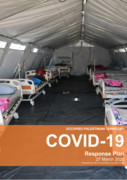
The primary focus of the plan continues to be prevention, preparedness and treatment of the the Novel Coronavirus (COVID-19) outbreak. Central to the plan are the following overall objectives:
To prevent further transmission of COVID-19 in the oPt;
To provide adequate care for patients aff
...
ected by COVID-19 and to support their families and close contacts; and
To mitigate the worst effects of the pandemic.
more
Infectious diseases like COVID-19 can disrupt the environments in which children grow and develop. Disruptions to families, friendships, daily routines and the wider community can have negative consequences for children’s well-being, development and protection. In addition, measures used to preven
...
t and control the spread of COVID-19 can expose children to protection risks. Home-based, facility-based and zonal-based quarantine and isolation measures can all negatively impact children and their families.
The aim of this brief is to support child protection practitioners to better respond to the child protection risks during a COVID-19 pandemic. Part 1 presents the potential child protection risks COVID-19 can pose to children. Part 2 presents programmatic options in line with the 2019 Minimum Standards for Child Protection in Humanitarian Action (CPMS) and the Guidance Note: Protection of Children During Infectious Disease Outbreaks.
more

The Government of India is embarking on a mammoth task to prevent COVID-19 spread among communities. The Rapid Evidence Synthesis team received a request to support the planning and development of resources for ensuring preparedness of FLHWs for COVID-19 . The rapid evidence synthesis was conducted
...
in a period of three days.
The findings highlight what we can learn from recent pandemics such that we are prepared for potential scenarios and challenges due to COVID-19. Key issues which decision-makers need to consider, based on available evidence
more
Guidance Note: Protection of Children during Infectious Disease Outbreaks
Arii M., F. Baele, J. Bedford et al.
The Alliance for children protection in humanitarian action
(2020)
C2
Accessed on 31.03.2020
This Guidance Note aims to provide humanitarian child protection practitioners, particularly child protection advisors and program managers, with guidance on how to engage in responses to infectious disease outbreaks to ensure children’s protection needs are taken into ac
...
count in preparedness for, and during responses to, the outbreaks. The Guidance Note draws upon lessons learned during infectious disease outbreaks globally in a variety of contexts.
more
Repository of resources on disability inclusion and Covid-19
Coregroup; International Disability and Development Consortium (IDDC)
Coregroup; International Disability and Development Consortium (IDDC)
(2020)
C2
Last update: 2 April 2020

The purpose of this document is to provide guidance on how quarantine and isolation can be achieved if there is a suspected or confirmed case in an overcrowded setting. It will focus on informal settlements and collective shelters, but the guidance can be applied in non-refugee settings as well, suc
...
h as detention centres and crowded neighborhoods. This guidance aims to support a coordinated and efficient response. It supports detailed planning at the regional level and is meant to be adapted to the local context. Households residing outside of these shelter types will be expected to follow the self-isolation circular provided by the MoPH. It is preferable, whenever feasible, that people are supported to remain in their homes. This guidance note will be continuously adapted as needed from the National level.
more
Today, the world is facing a learning crisis: While millions of children have entered education systems for the first time, many of them cannot read, write or do basic mathematics, even after several years of primary school.1 This global learning crisis has its roots in children’s earliest years,
...
when failure to invest in quality early childhood education (ECE)results in children starting school already behind in a host of critical skills they need to succeed in primary school.2Investing in the foundations of learning during the child’s early years benefits children,3 families, education systems and societies at large.4 Participation in quality ECE sets in motion a positive learning cycle and is a proven strategy to address the global learning crisis at its roots by closing early learning gaps, strengthening the efficiency of education systems and providing a solid foundation for human capital development and economic grow
more

Introduction The novel Coronavirus (nCoV) epidemic in 2019 -2020 has recently emerged. The route of transmission is not totally known, although it is known that it can spread from person to person, and local health care systems may be ill-equipped to handle a large-scale outbreak. Furthermore, misco
...
nceptions and misinformation about the disease often spreads rapidly in such epidemics.
In previous epidemics mental health and psychosocial support (MHPSS) has been identified as a key priority. MHPSS ensures the well-being of the affected populations, and counter-acts the threats to public health and safety that fear, stigmatization and misconception pose. Access to information, knowledge about the disease and how it spreads, make it easier for the affected to feel supported and calm, and to comply with instructions. Furthermore, psychosocial support to staff and volunteers help the operation as work conditions are extremely stressful.
This briefing note provides background knowledge on the MHPSS aspects related to nCoV and suggests MHPSS activities that can be implemented. The messages can be helpful for those in contact with patients or relatives and feel the strain of working and living during the epidemic. The briefing is aimed both at those working in any capacity with those affected by nCoV and for the MHPSS responders who implement MHPSS activities and interventions for everyone affected.
more
