
Filter
2358
Text search:
country
cooperation
strategy
Featured
176
696
Language
2310
50
37
26
23
13
10
9
5
3
3
3
3
3
2
2
2
2
2
2
2
1
1
1
1
1
1
1
1
1
1
1
1
1
1
1
1
1
1
1
1
1
1
1
1
Document type
1360
455
209
154
121
18
17
16
4
2
1
Countries
134
75
68
67
63
63
62
50
47
47
43
42
41
39
39
38
34
33
33
33
32
30
28
27
24
22
21
21
20
17
16
15
15
15
15
13
12
12
12
11
11
11
11
11
11
10
10
9
9
8
8
8
8
7
7
7
7
6
6
6
5
5
5
5
5
4
4
4
4
4
4
3
3
3
3
3
3
3
3
3
3
3
3
3
3
3
2
2
2
2
2
2
2
2
2
2
2
2
2
2
1
1
1
1
1
1
1
1
1
1
1
1
1
1
1
1
1
1
1
1
1
1
1
1
1
1
1
1
1
1
1
1
1
1
1
1
Authors & Publishers
269
87
77
68
47
45
35
33
22
22
18
17
17
16
15
13
12
12
11
11
10
10
10
10
10
9
9
8
8
8
8
8
7
7
7
7
7
7
7
7
7
7
7
6
6
6
6
6
6
6
6
6
6
6
6
6
5
5
5
5
5
5
5
5
5
5
5
5
5
5
5
5
5
5
4
4
4
4
4
4
4
4
4
4
4
4
4
4
4
4
4
4
4
4
4
4
4
4
4
4
4
4
4
3
3
3
3
3
3
3
3
3
3
3
3
3
3
3
3
3
3
3
3
3
3
3
3
3
3
3
3
3
3
3
3
3
3
3
3
3
3
3
2
2
2
2
2
2
2
2
2
2
2
2
2
2
2
2
2
2
2
2
2
2
2
2
2
2
2
2
2
2
2
2
2
2
2
2
2
2
2
2
2
2
2
2
2
2
2
2
2
2
2
2
2
2
2
2
2
2
2
2
2
2
2
2
2
2
2
2
2
2
2
2
2
2
2
2
2
2
2
2
2
2
2
2
2
2
2
2
2
2
2
2
2
2
2
2
2
2
2
2
2
2
2
2
2
2
2
2
2
2
2
2
2
2
2
2
2
2
2
2
2
2
2
2
2
2
2
2
2
2
2
2
2
2
2
2
2
2
2
2
2
2
2
2
2
2
2
2
2
2
2
2
2
2
1
1
1
1
1
1
1
1
1
1
1
1
1
1
1
1
1
1
1
1
1
1
1
1
1
1
1
1
1
1
1
1
1
1
1
1
1
1
1
1
1
1
1
1
1
1
1
1
1
1
1
1
1
1
1
1
1
1
1
1
1
1
1
1
1
1
1
1
1
1
1
1
1
1
1
1
1
1
1
1
1
1
1
1
1
1
1
1
1
1
1
1
1
1
1
1
1
1
1
1
1
1
1
1
1
1
1
1
1
1
1
1
1
1
1
1
1
1
1
1
1
1
1
1
1
1
1
1
1
1
1
1
1
1
1
1
1
1
1
1
1
1
1
1
1
1
1
1
1
1
1
1
1
1
1
1
1
1
1
1
1
1
1
1
1
1
1
1
1
1
1
1
1
1
1
1
1
1
1
1
1
1
1
1
1
1
1
1
1
1
1
1
1
1
1
1
1
1
1
1
1
1
1
1
1
1
1
1
1
1
1
1
1
1
1
1
1
1
1
1
1
1
1
1
1
1
1
1
1
1
1
1
1
1
1
1
1
1
1
1
1
1
1
1
1
1
1
1
1
1
1
1
1
1
1
1
1
1
1
1
1
1
1
1
1
1
1
1
1
1
1
1
1
1
1
1
1
1
1
1
1
1
1
1
1
1
1
1
1
1
1
1
1
1
1
1
1
1
1
1
1
1
1
1
1
1
1
1
1
1
1
1
1
1
1
1
1
1
1
1
1
1
1
1
1
1
1
1
1
1
1
1
1
1
1
1
1
1
1
1
1
1
1
1
1
1
1
1
1
1
1
1
1
1
1
1
1
1
1
1
1
1
1
1
1
1
1
1
1
1
1
1
1
1
1
1
1
1
1
1
1
1
1
1
1
1
1
1
1
1
1
1
1
1
1
1
1
1
1
1
1
1
1
1
1
1
1
1
1
1
1
1
1
1
1
1
1
1
1
1
1
1
1
1
1
1
1
1
1
1
1
1
1
1
1
1
1
1
1
1
1
1
1
1
1
1
1
1
1
1
1
1
1
1
1
1
1
1
1
1
1
1
1
1
1
1
1
1
1
1
1
1
1
1
1
1
1
1
1
1
1
1
1
1
1
1
1
1
1
1
1
1
1
1
1
1
1
1
1
1
1
1
1
1
1
1
1
1
1
1
1
1
1
1
1
1
1
1
1
1
1
1
1
1
1
1
1
1
1
1
1
1
1
1
1
1
1
1
1
1
1
1
1
1
1
1
1
1
1
1
1
1
1
1
1
1
1
1
1
1
1
1
1
1
1
1
1
1
1
1
1
1
1
1
1
1
1
1
1
1
1
1
1
1
1
1
1
1
1
1
1
1
1
1
1
1
1
1
1
1
1
1
1
1
1
1
1
1
1
1
1
1
1
1
1
1
1
1
1
1
1
1
1
1
1
1
1
1
1
1
1
1
1
1
1
1
1
1
1
1
1
1
1
1
1
1
1
1
1
1
1
1
1
1
1
1
1
1
1
1
1
1
1
1
1
1
1
1
1
1
1
1
1
1
1
1
1
1
1
1
1
1
1
1
1
1
1
1
1
1
1
1
1
1
1
1
1
1
1
1
1
1
1
1
1
1
1
1
1
1
1
1
1
1
1
1
1
1
1
1
1
1
1
1
1
1
1
1
1
1
1
1
1
1
1
1
1
1
1
1
1
1
1
1
1
1
1
1
1
1
1
1
1
1
1
1
1
1
1
1
1
1
1
1
1
1
1
1
1
1
1
1
1
1
1
1
1
1
1
1
1
1
1
1
1
1
1
1
1
1
1
1
1
1
1
1
1
1
1
1
1
1
1
1
1
1
1
1
1
1
1
1
1
1
1
1
1
1
1
1
1
1
1
1
1
1
1
1
1
1
1
1
1
1
1
1
1
1
1
1
1
1
1
1
1
1
1
1
1
1
1
1
1
1
1
1
1
1
1
1
1
1
1
1
1
1
1
1
1
1
1
1
1
1
1
1
1
1
1
1
1
1
1
1
1
1
1
1
1
1
1
1
1
1
1
1
1
1
1
1
1
1
1
1
1
1
1
1
1
1
1
1
1
1
1
1
1
1
1
1
1
1
1
1
1
1
1
1
1
1
1
1
1
1
1
1
1
1
1
1
1
1
1
1
1
1
1
1
1
1
1
1
1
1
1
1
1
1
1
1
1
1
1
1
1
1
1
1
1
1
1
1
1
1
1
1
1
1
1
1
1
1
1
1
1
1
1
1
1
1
1
1
1
1
1
1
1
1
1
1
1
1
1
1
1
1
1
1
1
1
1
1
1
1
1
1
1
1
1
1
1
1
1
1
1
1
1
1
1
1
1
1
1
1
1
1
1
1
1
1
1
1
1
1
1
1
1
1
1
1
1
1
1
1
1
1
1
1
1
1
1
1
1
1
1
1
1
1
1
1
1
1
1
1
1
1
1
1
1
1
1
1
1
1
1
1
1
1
1
1
1
1
1
1
1
1
1
1
1
1
1
1
1
1
1
1
1
1
1
1
1
1
1
1
1
1
1
1
1
1
1
1
1
1
1
1
1
1
1
1
1
1
1
1
1
1
1
1
1
1
1
1
1
1
1
1
1
1
1
1
1
1
1
1
1
1
1
1
1
1
1
1
1
1
1
1
1
1
1
1
1
1
1
1
1
1
1
1
1
1
1
1
1
1
1
1
1
1
1
1
1
1
1
1
1
1
1
1
1
1
1
1
1
1
1
1
1
1
1
1
1
1
1
1
1
1
1
1
1
1
1
1
1
1
1
1
1
1
1
1
1
1
1
1
1
1
1
1
1
1
1
1
1
1
1
1
1
1
1
1
1
1
1
1
1
1
1
1
1
1
1
1
1
1
1
1
1
1
1
1
1
1
1
1
1
1
1
1
1
1
1
1
1
1
1
1
1
1
1
1
1
1
1
1
1
1
1
1
1
1
1
1
1
1
1
1
1
1
1
1
1
1
1
1
1
1
1
1
1
1
1
1
1
1
1
1
1
1
1
1
1
1
1
1
1
1
1
1
1
1
1
1
1
1
1
1
1
1
1
1
1
1
1
1
1
1
1
1
1
1
1
1
1
1
1
1
1
1
1
1
1
1
1
1
1
1
1
1
1
1
1
1
1
1
1
1
1
1
1
1
1
1
1
1
1
1
1
1
1
1
1
1
1
1
1
1
1
1
1
1
1
1
1
1
1
1
1
1
1
1
1
1
1
1
1
1
1
1
1
1
1
1
1
1
1
1
1
1
1
1
1
1
1
1
1
1
1
1
1
1
1
1
1
1
1
1
1
1
1
1
1
1
1
1
1
1
1
1
1
1
1
1
1
1
1
1
1
1
1
1
1
1
1
1
1
1
1
1
1
1
1
1
1
1
1
1
1
1
1
1
1
1
1
1
1
1
1
1
1
1
1
1
1
1
1
1
1
1
1
1
1
1
1
1
1
1
1
1
1
1
1
1
1
1
1
1
1
1
1
1
1
1
1
1
1
1
1
1
1
1
1
1
1
1
1
1
1
1
1
1
1
1
1
1
1
1
1
1
1
1
1
1
1
1
1
1
1
1
1
1
1
1
1
1
1
1
1
1
1
1
1
1
1
1
1
1
1
1
1
1
1
1
1
1
1
1
1
1
1
1
1
1
1
1
1
1
1
1
1
1
1
1
1
1
1
1
1
1
1
1
1
1
1
1
1
1
1
1
1
1
1
1
1
1
1
1
1
1
1
1
1
1
1
1
1
1
1
1
1
1
1
1
1
1
1
1
1
1
1
1
1
1
1
1
1
1
1
1
1
1
1
1
1
1
1
1
1
1
1
1
1
1
1
1
1
1
1
Publication Years
1
624
1470
252
10
1
Category
966
234
152
101
85
33
12
2
Toolboxes
154
150
120
116
92
82
73
69
69
59
58
58
57
43
41
40
33
32
28
23
19
13
11
9
7
3

Working towards better COVID-19 outcomes in the WHO European Region.From the first COVID-19 cases in Europe reported on
24 January 2020, the pandemic reached 1 million cases
within 3 months, 10 million cases within 8 months, and
100 million cases in Europe alone within 2 years. Over
the course o
...
f its two years, COVID-19 has claimed over
1.6 million lives across Europe and Central Asia. The
World Health Organization (WHO) European Region has
accounted for close to a third of the cumulative global
COVID-19 cases and deaths.
more
Bioethics 519 (online) doi:10.1111/bioe.12145 Volume 29 Number 8 2015 pp. 488–596;
Pandemic plans recommend phases of response to an emergent infectious disease (EID) outbreak, and are primarily aimed at preventing and mitigating human-to-human transmission. These plans carry presumptive weight
...
and are increasingly being operationalized at the national, regional and international level with the support of the World Health Organization (WHO). The conventional focus of pandemic preparedness for EIDs of zoonotic origin has been on public health and human welfare. However, thisfocus on human populations has resulted in strategically important disciplinary silos. As the risks of zoonotic diseases have implications that reach across many domains outside traditional public health, including anthropological, environmental, and veterinary fora, a more inclusive ecological perspective is paramount for an effective response to future outbreaks.
more
This guideline covers road-traffic-related air pollution and its links to ill health. It aims to improve air quality and so prevent a range of health conditions and deaths.
his sequel to the Groundswell report includes projections and analysis of internal climate migration for three new regions: East Asia and the Pacific, North Africa, and Eastern Europe and Central Asia. Qualitative analyses of climate-related mobility in countries of the Mashreq and in Small Island D
...
eveloping States (SIDS) are also provided. This new report builds on the scenario-based modeling approach of the previous Groundswell report from 2018, which covered Sub-Saharan Africa, South Asia, and Latin America. The two reports’ combined findings provide, for the first time, a global picture of the potential scale of internal climate migration across the six regions, allowing for a better understanding of how slow-onset climate change impacts, population dynamics, and development contexts shape mobility trends.
Available in English, French, Arabic, Spanish
more
A sourcebook
In 2015, 26% of the deaths of 5.9 million children who died before reaching their fifth birthday could have been prevented
through addressing environmental risks – a shocking missed opportunity. The prenatal and early childhood period represents
a window of particular vulnerability, where enviro
...
nmental hazards can lead to premature birth and other complications,
and increase lifelong disease risk including for respiratory disorders, cardiovascular disease and cancers. The environment
thus represents a major factor in children’s health, as well as a major opportunity for improvement, with effects seen in every
region of the world.
more

India: health system review
Srivastava, Swati, Karan, Anup K., Bhan, Nandita, Mukhopadhya, Indranil. et al.
.World Health Organization (WHO), Regional Office for South-East Asia
(2022)
C_WHO
The Lancet Regional Health - Americas 2022;00: 100248 Published online xxx https://doi.org/10.1016/j.lana.2022.100248.
The Lancet Countdown report, discuss the overlapping social, climate and health challenges in Latin America and the Caribbean, and urge multisectoral and political action to trans
...
form these challenges into opportunities through adaptation and mitigation measures that place peoples’ health and wellbeing at the centre of public policies. Latin American and Caribbean governments are called upon to promote climate-resilient health care systems with adaptation plans that are tailored to guarantee quality access to care for all in this viewpoint.
more
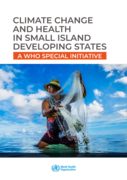
This report has been prepared in response to informal requests by SIDS Member States and territories for WHO assistance in confronting the stark and dire situation which climate change has created in their countries and the impact it is having on their peoples
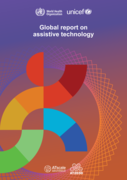
Global Report on assistive technology
recommended
The report notes that the number of people in need of one or more assistive products is likely to rise to 3.5 billion by 2050, due to populations ageing and the prevalence of noncommunicable diseases rising across the world. The report also highlights the vast gap in access between low- and high-inc
...
ome countries. An analysis of 35 countries reveals that access varies from 3% in poorer nations to 90% in wealthy countries.
Affordability is a major barrier to access, the report notes. Around two thirds of people with assistive products reported out-of-pocket payments for them. Others reported relying on family and friends to financially support their needs.
more
Pollution and health: a progress update
recommended
The Lancet Planetary Health Published:May 17, 2022DOI:https://doi.org/10.1016/S2542-5196(22)00090-0
Every year pollution causes 9 million deaths—1 in every 6 deaths worldwide, according to a Lancet Commission on pollution and health.
While the number of deaths caused by household air pollution a
...
nd water pollution decreased from 2015 to 2019, overall deaths remain roughly the same because of a 7% increase in deaths caused by air pollution and toxic chemical pollution.
more
Global asymmetries influence policies for recovery in Latin America and the Caribbean. Nearly 30 years after the Earth Summit and the global adoption of an international development agenda, in practical terms the environmental pillar of the 2030 Agenda for Sustainable Development has not been taken
...
into consideration in recovery policies in the region. This has created major problems in terms of the medium- and long-term direction of regional economies.
more
The WHO Quality Toolkit: Navigating tools to improve the quality of health services helps easy identification and access to a wide range of WHO published materials to improve the quality of health services. These tools support the actions described in the Quality health services: a planning guide, w
...
hich outlines a structured, systems-based approach to improving quality of health services. Whether you work at the facility, sub-national or national level, or in specific communities, you will find resources within the Quality Toolkit to help you carry out essential tasks to improve quality of care
more
Saving lives is the priority of WHO’s response in Ukraine. WHO works to ensure time-critical, lifesaving multisectoral assistance, non-discriminatory access to emergency and essential health services and priority prevention programmes, and laying the foundation for longer-term health systems recov
...
ery and strengthening.
more

The pandemic has emphasized the high risk of avoidable harm to patients, health workers, and the general public, and has identified a range of safety gaps across all core components of health systems at all levels.
The rapid review ‘Implications of the COVID-19 pandemic for patient safety’ ex
...
plores impacts that the COVID-19 pandemic did have on patient safety in terms of risks and avoidable harm, specifically in terms of diagnostic, treatment and care management related issues as well as highlights the main patterns of these implications within the broader health system context.
more
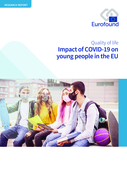
Following a long recovery from the economic crisis (2007–2013), young people in the EU proved to be more vulnerable to the effects of the restrictions put in place to slow the spread of the COVID-19 pandemic. Young people were more likely than older groups to experience job loss, financial insecur
...
ity and mental health problems. They reported reduced life satisfaction and mental well-being associated with the stay-at-home requirements and school closures. While governments responded quickly to the pandemic, most efforts to mitigate the effects of restrictions were temporary measures aimed at preventing job loss and keeping young people in education. This report explores the effects of the pandemic on young people, particularly in terms of their employment, well-being and trust in institutions, and assesses the various policy measures introduced to alleviate these effects.
Summary available in 22 languages
more
Latin America and the Caribbean is characterized by a matrix of social inequality whose axes —such as
socioeconomic stratum, gender, stage in the life cycle, ethnicity and race, territory, disability, and immigration
status— create multiple, often concurrent, situations of exclusion and discri
...
mination. The coronavirus
disease (COVID-19) pandemic has exacerbated wide social gaps and it is no coincidence that Latin America
and the Caribbean is one of the regions in which the health and socioeconomic impacts of the pandemic have
been the most severe, which shows that the costs of inequality are unsustainable
more
