Filter
2078
Text search:
occupational
health
Featured
245
437
Language
1912
87
70
62
41
32
22
10
7
6
4
3
3
3
3
2
2
2
2
2
2
2
2
2
2
2
1
1
1
1
1
1
1
1
1
1
1
1
1
1
1
1
1
Document type
1026
383
306
155
70
56
43
13
9
6
5
4
1
Countries
109
91
76
57
57
43
41
33
30
29
27
27
26
25
25
24
24
22
22
22
21
19
18
18
18
16
16
15
15
15
14
14
13
12
12
11
11
10
9
9
8
8
8
7
7
6
6
6
6
6
5
5
5
5
5
4
4
4
4
4
3
3
3
3
3
2
2
2
2
2
2
2
2
2
2
2
2
2
2
2
2
1
1
1
1
1
1
1
1
1
1
1
1
1
1
1
1
1
1
1
1
1
1
Authors & Publishers
367
98
76
67
55
53
27
26
16
16
15
14
13
11
11
10
10
10
10
9
9
9
9
9
9
8
8
8
8
7
7
7
7
7
7
6
6
6
6
6
6
6
6
6
6
5
5
5
5
5
5
5
5
5
5
5
5
5
5
5
5
5
5
4
4
4
4
4
4
4
4
4
4
4
4
4
4
4
4
4
4
4
4
4
4
4
4
4
4
4
4
4
4
3
3
3
3
3
3
3
3
3
3
3
3
3
3
3
3
3
3
3
3
3
3
3
3
3
3
3
3
3
3
3
3
3
3
3
3
3
3
3
3
3
3
3
3
3
3
3
3
3
3
2
2
2
2
2
2
2
2
2
2
2
2
2
2
2
2
2
2
2
2
2
2
2
2
2
2
2
2
2
2
2
2
2
2
2
2
2
2
2
2
2
2
2
2
2
2
2
2
2
2
2
2
2
2
2
2
2
2
2
2
2
2
2
2
2
2
2
2
2
2
2
2
2
2
2
2
2
2
2
2
2
2
2
2
2
2
2
2
2
2
2
2
2
2
2
2
2
2
2
2
2
2
2
2
2
2
2
2
2
2
2
2
2
2
2
2
2
2
2
2
2
2
2
2
2
2
2
2
2
2
2
2
2
2
1
1
1
1
1
1
1
1
1
1
1
1
1
1
1
1
1
1
1
1
1
1
1
1
1
1
1
1
1
1
1
1
1
1
1
1
1
1
1
1
1
1
1
1
1
1
1
1
1
1
1
1
1
1
1
1
1
1
1
1
1
1
1
1
1
1
1
1
1
1
1
1
1
1
1
1
1
1
1
1
1
1
1
1
1
1
1
1
1
1
1
1
1
1
1
1
1
1
1
1
1
1
1
1
1
1
1
1
1
1
1
1
1
1
1
1
1
1
1
1
1
1
1
1
1
1
1
1
1
1
1
1
1
1
1
1
1
1
1
1
1
1
1
1
1
1
1
1
1
1
1
1
1
1
1
1
1
1
1
1
1
1
1
1
1
1
1
1
1
1
1
1
1
1
1
1
1
1
1
1
1
1
1
1
1
1
1
1
1
1
1
1
1
1
1
1
1
1
1
1
1
1
1
1
1
1
1
1
1
1
1
1
1
1
1
1
1
1
1
1
1
1
1
1
1
1
1
1
1
1
1
1
1
1
1
1
1
1
1
1
1
1
1
1
1
1
1
1
1
1
1
1
1
1
1
1
1
1
1
1
1
1
1
1
1
1
1
1
1
1
1
1
1
1
1
1
1
1
1
1
1
1
1
1
1
1
1
1
1
1
1
1
1
1
1
1
1
1
1
1
1
1
1
1
1
1
1
1
1
1
1
1
1
1
1
1
1
1
1
1
1
1
1
1
1
1
1
1
1
1
1
1
1
1
1
1
1
1
1
1
1
1
1
1
1
1
1
1
1
1
1
1
1
1
1
1
1
1
1
1
1
1
1
1
1
1
1
1
1
1
1
1
1
1
1
1
1
1
1
1
1
1
1
1
1
1
1
1
1
1
1
1
1
1
1
1
1
1
1
1
1
1
1
1
1
1
1
1
1
1
1
1
1
1
1
1
1
1
1
1
1
1
1
1
1
1
1
1
1
1
1
1
1
1
1
1
1
1
1
1
1
1
1
1
1
1
1
1
1
1
1
1
1
1
1
1
1
1
1
1
1
1
1
1
1
1
1
1
1
1
1
1
1
1
1
1
1
1
1
1
1
1
1
1
1
1
1
1
1
1
1
1
1
1
1
1
1
1
1
1
1
1
1
1
1
1
1
1
1
1
1
1
1
1
1
1
1
1
1
1
1
1
1
1
1
1
1
1
1
1
1
1
1
1
1
1
1
1
1
1
1
1
1
1
1
1
1
1
1
1
1
1
1
1
1
1
1
1
1
1
1
1
1
1
1
1
1
1
1
1
1
1
1
1
1
1
1
1
1
1
1
1
1
1
1
1
1
1
1
1
1
1
1
1
1
1
1
1
1
1
1
1
1
1
1
1
1
1
1
1
1
1
1
1
1
1
1
1
1
1
1
1
1
1
1
1
1
1
1
1
1
1
1
1
1
1
1
1
1
1
1
1
1
1
1
1
1
1
1
1
1
1
1
1
1
1
1
1
1
1
1
1
1
1
1
1
1
1
1
1
1
1
1
1
1
1
1
1
1
1
1
1
1
1
1
1
1
1
1
1
1
1
1
1
1
1
1
1
1
1
1
1
1
1
1
1
1
1
1
1
1
1
1
1
1
1
1
1
1
1
1
1
1
1
1
1
1
1
1
1
1
1
1
1
1
1
1
1
1
1
1
1
1
1
1
1
1
1
1
1
1
1
1
1
1
1
1
1
1
1
1
1
1
1
1
1
1
1
1
1
1
1
1
1
1
1
1
1
1
1
1
1
1
1
1
1
1
1
1
1
1
1
1
1
1
1
1
1
1
1
1
1
1
1
1
1
1
1
1
1
1
1
1
1
1
1
1
1
1
1
1
1
1
1
1
1
1
1
1
1
1
1
1
1
1
1
1
1
1
1
1
1
1
1
1
1
1
1
1
1
1
1
1
1
1
1
1
1
1
1
1
1
1
1
1
1
1
1
1
1
1
1
1
1
1
1
1
1
1
1
1
1
1
1
1
1
1
1
1
1
1
1
1
1
1
1
1
1
1
1
1
1
1
1
1
1
1
1
1
1
1
1
1
1
1
1
1
1
1
1
1
1
1
1
1
1
1
1
1
1
1
1
1
1
1
1
1
1
1
1
1
1
1
1
1
1
1
1
1
1
1
1
1
1
1
1
1
1
1
1
1
1
1
1
1
1
1
1
1
1
1
1
1
1
1
1
1
1
1
1
1
1
1
1
1
1
1
1
1
1
1
1
1
1
1
1
1
1
1
1
1
1
1
1
1
1
1
1
1
1
1
1
1
1
1
1
1
1
1
1
1
1
1
1
1
1
1
1
1
1
1
1
1
1
1
1
1
1
1
1
1
1
1
1
1
1
1
1
1
1
1
1
1
1
1
1
1
1
1
1
1
1
1
1
1
1
1
1
1
1
1
1
1
1
1
1
1
1
1
1
1
1
1
1
1
1
1
1
1
1
1
1
1
1
1
1
1
1
1
1
1
1
1
1
1
1
1
1
1
1
1
1
1
1
1
1
1
1
1
1
1
1
1
1
1
1
1
1
1
1
1
1
1
1
1
1
1
1
1
1
1
1
1
1
1
1
1
1
1
1
1
1
1
1
1
1
1
1
1
1
1
1
1
1
1
1
1
1
1
1
1
1
1
1
1
1
1
1
1
1
1
1
1
1
1
1
1
1
1
1
1
1
1
1
1
1
1
1
1
1
1
1
1
1
1
1
1
1
1
1
1
1
1
1
1
1
1
1
1
1
1
1
1
1
1
1
1
1
1
1
1
1
1
1
1
1
1
1
1
1
1
1
1
1
1
1
1
1
1
1
1
1
1
1
1
1
1
1
1
1
1
1
1
1
1
1
1
1
1
1
1
1
1
1
1
1
1
1
1
1
1
1
1
1
1
1
1
1
1
1
1
1
1
1
1
1
1
1
1
1
1
1
1
1
1
1
1
1
1
1
1
1
1
1
1
1
1
1
1
1
1
1
1
1
1
1
1
1
1
1
1
1
1
1
1
1
1
1
1
1
1
1
1
1
1
1
1
1
1
1
1
1
1
1
1
1
1
1
1
1
1
1
1
1
1
1
1
1
1
1
1
1
1
1
1
1
1
1
1
1
1
1
1
1
1
1
1
1
1
1
1
1
1
1
1
1
1
1
1
1
1
1
1
1
1
1
1
1
1
1
1
1
1
Publication Years
694
1162
210
10
2
Category
737
166
129
118
46
25
24
Toolboxes
271
258
146
102
100
98
73
64
57
49
46
45
40
33
32
31
29
28
12
10
8
6
4
2
2
Prepared as an outcome of ICMR Subcommittee on Soft Tissue Sarcoma and Osteosarcoma | This consensus document on Management of Soft Tissue Sarcoma and Osteosarcoma summarizes the modalities of treatment including the site-specific anti-cancer therapies, supportive and palliative care and molecular
...
markers and research questions. It also interweaves clinical, biochemical and epidemiological studies.
more
ECDC MISSION REPORT 19–21 September 2016 ; 14–15 November 2016
This publication seeks to describe the best treatments and practices based on the scientific evidence available at the time of writing as evaluated by the authors and may change as a result of new research. Readers need to apply this knowledge to patients in accordance with the guidelines and laws o
...
f their country of practice. Some medications may not be available in some countries and readers should consult the specific drug information since not all the unwanted effects of medications are mentioned.
more
Journal of Tuberculosis Research, 2016, 4, 1-8
Published Online March 2016 in SciRes. http://www.scirp.org/journal/jtr
http://dx.doi.org/10.4236/jtr.2016.41001
The booklet starts with a general overview of how illicit drugs and the environment are linked within the bigger picture of the Sustainable Development Goals, climate change and environmental sustainability. It highlights direct and indirect linkages and gives examples of the significant local and i
...
ndividual-level impact that drugs can have on the environment. This is followed by a more in-depth overview of the latest scientific evidence for plant-based drugs and for synthetic drugs. For plant-based drugs, for example, this includes an analysis of the relationship between illicit crop cultivation and deforestation. For synthetic drugs, it includes an analysis of waste composition, volumes, and dumping and discharge, as well as the relation with wastewater treatment.
more
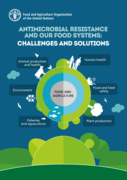
Antimicrobial Resistance and our Food Systems - Challenges and Solutions

How we respond both now and going forward will help mitigate the impact of COVID-19, and to the extent possible preserve children’s rights to Survive, Learn, and Be Protected. We will focus our efforts on the most critical work essential to maintaining these commitments to the extent possible.

Jin et al. Military Medical Research (2020) 7:4 https://doi.org/10.1186/s40779-020-0233-6
Position Article und Guideline
After Corona was declared as a pandemic by WHO, multiple government agencies, development agencies, and departments needed technically accurate materials for their relevant contexts. Department for Labor and Human Resource, Government of Punjab needed something immediate for industrial workers in la
...
rge scale manufacturing settings particularly the textile sector which alone employs millions of workers.
more
Presently, there is no evidence that the virus responsible for the current COVID-19 pandemic is carried by domestic food-producing animals, such as chickens, ducks, other poultry, pigs, cattle, camels, horses, sheep, goats, rabbits, guinea pigs or fish. While live animals can be a source of pathogen
...
s, all types of food can potentially be contaminated through contact with contaminated equipment, surfaces or environments. Proper cleaning and the prevention of cross-contamination are critical in the control of foodborne illnesses. The application of sound principles of environmental sanitation, personal hygiene and established food safety practices will reduce the likelihood that harmful pathogens will threaten the safety of the food supply, regardless of whether the food is sourced from intensive agriculture, small stakeholders or wildlife.
more

23 Dec 2020. The aim of this document is to provide an update on the knowledge surrounding the role of children in the transmission of SARS-CoV-2 and the role of schools in the COVID-19 pandemic, based on the experience in the EU from August–December, 2020. This document also addresses transmissio
...
n to and from staff in school settings, school-related mitigation measures including risk communication, testing, contact tracing and the efficacy of partial and full school closures. This document draws upon and updates evidence presented in the previous report from ECDC on this topic, which was published on August 6, 2020
more

BMJ Global Health2020;5:e001980. doi:10.1136/bmjgh-2019-00198
The guide is organized into the major types of toxicities, the associated symp-toms, possible offending medications, and the suggested nursing assessments and interventions. Some symptoms (e.g. nausea) may be associated with a num-ber of underlying causes and may be mild, or a symptom of
...
a more serious medical situation requiring urgent attention. The pathophysiology for medica-tion-related fatigue and hypersalivation are unclear and these symptoms are not grouped under a specific type of toxicity. Additional information (comments) are provided for each toxicity to highlight relevant clinical information that may assist in management of side effects. Medications more strongly associated with the side effect appear in bold text. The appendices include tools nurses can use to more thoroughly assess patient complaints of pain, depression and neuropathy.
more
Archives of Disease in Childhood 2021;106:238-240.
Ce document fournit des orientations provisoires sur la qualité, les caractéristiques de performance et les normes connexes des équipements de protection individuelle (EPI) à utiliser dans le contexte de COVID-19. Il s'agit notamment des dispositifs médicaux prioritaires de l'OMS, à savoir : l
...
es masques chirurgicaux, les masques non chirurgicaux, les gants, les lunettes de protection, les écrans faciaux, les blouses et les masques N95. Il est destiné aux organismes d'approvisionnement, aux services de santé au travail, aux services ou points focaux de prévention et de contrôle des infections, aux administrateurs d'établissements de santé, aux ingénieurs biomédicaux et des matériaux, aux fabricants d'EPI et aux autorités de santé publique, tant au niveau national qu'au niveau des établissements.
more
This inter-agency guidance document aims to supplement the COVAX demand creation package for COVID-19 vaccines with key considerations for humanitarian contexts and marginalized populations with specific access and communication needs.
21 Sept.2021