
Filter
7664
Text search:
global
action
Featured
667
1828
Language
6843
629
292
216
135
91
73
65
18
13
10
9
8
7
7
6
5
5
5
5
4
4
4
4
4
4
4
3
3
3
3
3
3
3
3
2
2
2
2
2
2
2
2
2
2
2
2
2
1
1
1
1
1
1
1
1
1
1
Document type
3487
1701
990
480
467
201
167
71
39
21
19
7
5
2
1
Countries
552
203
178
145
145
128
126
124
123
121
120
118
108
108
107
98
93
87
82
77
75
73
72
70
65
61
57
57
54
49
49
48
45
44
41
41
40
39
36
36
36
35
34
34
32
31
30
29
28
27
27
27
26
22
20
19
18
18
18
17
16
16
14
13
13
13
13
13
13
12
12
11
11
10
10
9
9
8
8
8
7
7
7
7
7
6
6
6
6
5
5
5
4
4
4
4
4
4
4
4
4
4
4
4
4
3
3
3
3
3
3
3
3
3
3
3
3
2
2
2
2
2
2
2
2
2
2
2
2
2
2
2
2
2
1
1
1
1
1
1
1
1
1
1
1
1
1
1
1
1
1
1
1
1
1
1
Authors & Publishers
1147
315
245
230
211
165
95
89
85
84
59
47
46
45
45
35
32
31
31
30
30
29
27
27
27
27
26
26
25
24
24
24
23
22
22
22
22
21
21
21
20
19
18
17
17
17
17
16
16
16
16
16
16
15
15
15
15
14
13
13
13
13
13
13
13
13
13
13
13
13
12
12
12
12
12
12
12
12
12
12
12
12
12
12
11
11
11
11
11
11
11
11
11
11
11
11
11
10
10
10
10
10
9
9
9
9
9
9
9
9
8
8
8
8
8
8
8
8
8
8
8
8
8
8
7
7
7
7
7
7
7
7
7
7
7
7
7
7
7
7
7
7
7
7
7
7
7
7
7
6
6
6
6
6
6
6
6
6
6
6
6
6
6
6
6
6
6
6
6
6
6
6
6
6
6
6
6
6
6
5
5
5
5
5
5
5
5
5
5
5
5
5
5
5
5
5
5
5
5
5
5
5
5
5
5
5
5
5
5
5
5
5
5
5
5
5
5
5
5
5
5
5
5
5
5
5
5
5
5
5
5
5
5
5
5
5
5
5
5
4
4
4
4
4
4
4
4
4
4
4
4
4
4
4
4
4
4
4
4
4
4
4
4
4
4
4
4
4
4
4
4
4
4
4
4
4
4
4
4
4
4
4
4
4
4
4
4
4
4
4
4
4
4
4
4
4
4
4
4
4
4
4
4
4
4
4
4
4
4
4
4
4
4
4
4
4
4
4
4
4
4
4
3
3
3
3
3
3
3
3
3
3
3
3
3
3
3
3
3
3
3
3
3
3
3
3
3
3
3
3
3
3
3
3
3
3
3
3
3
3
3
3
3
3
3
3
3
3
3
3
3
3
3
3
3
3
3
3
3
3
3
3
3
3
3
3
3
3
3
3
3
3
3
3
3
3
3
3
3
3
3
3
3
3
3
3
3
3
3
3
3
3
3
3
3
3
3
3
3
3
3
3
3
3
3
3
3
3
3
3
3
3
3
3
3
3
3
3
3
3
3
3
3
3
3
3
3
3
3
3
3
3
3
2
2
2
2
2
2
2
2
2
2
2
2
2
2
2
2
2
2
2
2
2
2
2
2
2
2
2
2
2
2
2
2
2
2
2
2
2
2
2
2
2
2
2
2
2
2
2
2
2
2
2
2
2
2
2
2
2
2
2
2
2
2
2
2
2
2
2
2
2
2
2
2
2
2
2
2
2
2
2
2
2
2
2
2
2
2
2
2
2
2
2
2
2
2
2
2
2
2
2
2
2
2
2
2
2
2
2
2
2
2
2
2
2
2
2
2
2
2
2
2
2
2
2
2
2
2
2
2
2
2
2
2
2
2
2
2
2
2
2
2
2
2
2
2
2
2
2
2
2
2
2
2
2
2
2
2
2
2
2
2
2
2
2
2
2
2
2
2
2
2
2
2
2
2
2
2
2
2
2
2
2
2
2
2
2
2
2
2
2
2
2
2
2
2
2
2
2
2
2
2
2
2
2
2
2
2
2
2
2
2
2
2
2
2
2
2
2
2
2
2
2
2
2
2
2
2
2
2
2
2
2
2
2
2
2
2
2
2
2
2
2
2
2
2
2
2
2
2
2
2
2
2
2
2
2
2
2
2
2
2
2
2
2
2
2
2
2
2
2
2
2
2
2
2
2
2
2
2
2
2
2
2
2
2
2
2
2
2
2
2
2
2
2
2
2
2
2
2
2
2
2
2
2
2
2
2
2
2
2
2
2
2
2
2
2
2
2
2
2
2
2
2
2
2
2
2
2
2
2
2
2
2
2
2
2
2
2
2
2
2
2
2
2
2
2
2
2
2
2
2
2
2
2
2
2
2
2
2
2
2
2
2
2
2
2
2
2
2
2
2
1
1
1
1
1
1
1
1
1
1
1
1
1
1
1
1
1
1
1
1
1
1
1
1
1
1
1
1
1
1
1
1
1
1
1
1
1
1
1
1
1
1
1
1
1
1
1
1
1
1
1
1
1
1
1
1
1
1
1
1
1
1
1
1
1
1
1
1
1
1
1
1
1
1
1
1
1
1
1
1
1
1
1
1
1
1
1
1
1
1
1
1
1
1
1
1
1
1
1
1
1
1
1
1
1
1
1
1
1
1
1
1
1
1
1
1
1
1
1
1
1
1
1
1
1
1
1
1
1
1
1
1
1
1
1
1
1
1
1
1
1
1
1
1
1
1
1
1
1
1
1
1
1
1
1
1
1
1
1
1
1
1
1
1
1
1
1
1
1
1
1
1
1
1
1
1
1
1
1
1
1
1
1
1
1
1
1
1
1
1
1
1
1
1
1
1
1
1
1
1
1
1
1
1
1
1
1
1
1
1
1
1
1
1
1
1
1
1
1
1
1
1
1
1
1
1
1
1
1
1
1
1
1
1
1
1
1
1
1
1
1
1
1
1
1
1
1
1
1
1
1
1
1
1
1
1
1
1
1
1
1
1
1
1
1
1
1
1
1
1
1
1
1
1
1
1
1
1
1
1
1
1
1
1
1
1
1
1
1
1
1
1
1
1
1
1
1
1
1
1
1
1
1
1
1
1
1
1
1
1
1
1
1
1
1
1
1
1
1
1
1
1
1
1
1
1
1
1
1
1
1
1
1
1
1
1
1
1
1
1
1
1
1
1
1
1
1
1
1
1
1
1
1
1
1
1
1
1
1
1
1
1
1
1
1
1
1
1
1
1
1
1
1
1
1
1
1
1
1
1
1
1
1
1
1
1
1
1
1
1
1
1
1
1
1
1
1
1
1
1
1
1
1
1
1
1
1
1
1
1
1
1
1
1
1
1
1
1
1
1
1
1
1
1
1
1
1
1
1
1
1
1
1
1
1
1
1
1
1
1
1
1
1
1
1
1
1
1
1
1
1
1
1
1
1
1
1
1
1
1
1
1
1
1
1
1
1
1
1
1
1
1
1
1
1
1
1
1
1
1
1
1
1
1
1
1
1
1
1
1
1
1
1
1
1
1
1
1
1
1
1
1
1
1
1
1
1
1
1
1
1
1
1
1
1
1
1
1
1
1
1
1
1
1
1
1
1
1
1
1
1
1
1
1
1
1
1
1
1
1
1
1
1
1
1
1
1
1
1
1
1
1
1
1
1
1
1
1
1
1
1
1
1
1
1
1
1
1
1
1
1
1
1
1
1
1
1
1
1
1
1
1
1
1
1
1
1
1
1
1
1
1
1
1
1
1
1
1
1
1
1
1
1
1
1
1
1
1
1
1
1
1
1
1
1
1
1
1
1
1
1
1
1
1
1
1
1
1
1
1
1
1
1
1
1
1
1
1
1
1
1
1
1
1
1
1
1
1
1
1
1
1
1
1
1
1
1
1
1
1
1
1
1
1
1
1
1
1
1
1
1
1
1
1
1
1
1
1
1
1
1
1
1
1
1
1
1
1
1
1
1
1
1
1
1
1
1
1
1
1
1
1
1
1
1
1
1
1
1
1
1
1
1
1
1
1
1
1
1
1
1
1
1
1
1
1
1
1
1
1
1
1
1
1
1
1
1
1
1
1
1
1
1
1
1
1
1
1
1
1
1
1
1
1
1
1
1
1
1
1
1
1
1
1
1
1
1
1
1
1
1
1
1
1
1
1
1
1
1
1
1
1
1
1
1
1
1
1
1
1
1
1
1
1
1
1
1
1
1
1
1
1
1
1
1
1
1
1
1
1
1
1
1
1
1
1
1
1
1
1
1
1
1
1
1
1
1
1
1
1
1
1
1
1
1
1
1
1
1
1
1
1
1
1
1
1
1
1
1
1
1
1
1
1
1
1
1
1
1
1
1
1
1
1
1
1
1
1
1
1
1
1
1
1
1
1
1
1
1
1
1
1
1
1
1
1
1
1
1
1
1
1
1
1
1
1
1
1
1
1
1
1
1
1
1
1
1
1
1
1
1
1
1
1
1
1
1
1
1
1
1
1
1
1
1
1
1
1
1
1
1
1
1
1
1
1
1
1
1
1
1
1
1
1
1
1
1
1
1
1
1
1
1
1
1
1
1
1
1
1
1
1
1
1
1
1
1
1
1
1
1
1
1
1
1
1
1
1
1
1
1
1
1
1
1
1
1
1
1
1
1
1
1
1
1
1
1
1
1
1
1
1
1
1
1
1
1
1
1
1
1
1
1
1
1
1
1
1
1
1
1
1
1
1
1
1
1
1
1
1
1
1
1
1
1
1
1
1
1
1
1
1
1
1
1
1
1
1
1
1
1
1
1
1
1
1
1
1
1
1
1
1
1
1
1
1
1
1
1
1
1
1
1
1
1
1
1
1
1
1
1
1
1
1
1
1
1
1
1
1
1
1
1
1
1
1
1
1
1
1
1
1
1
1
1
1
1
1
1
1
1
1
1
1
1
1
1
1
1
1
1
1
1
1
1
1
1
1
1
1
1
1
1
1
1
1
1
1
1
1
1
1
1
1
1
1
1
1
1
1
1
1
1
1
1
1
1
1
1
1
1
1
1
1
1
1
1
1
1
1
1
1
1
1
1
1
1
1
1
1
1
1
1
1
1
1
1
1
1
1
1
1
1
1
1
1
1
1
1
1
1
1
1
1
1
1
1
1
1
1
1
1
1
1
1
1
1
1
1
1
1
1
1
1
1
1
1
1
1
1
1
1
1
1
1
1
1
1
1
1
1
1
1
1
1
1
1
1
1
1
1
1
1
1
1
1
1
1
1
1
1
1
1
1
1
1
1
1
1
1
1
1
1
1
1
1
1
1
1
1
1
1
1
1
1
1
1
1
1
1
1
1
1
1
1
1
1
1
1
1
1
1
1
1
1
1
1
1
1
1
1
1
1
1
1
1
1
1
1
1
1
1
1
1
1
1
1
1
1
1
1
1
1
1
1
1
1
1
1
1
1
1
1
1
1
1
1
1
1
1
1
1
1
1
1
1
1
1
1
1
1
1
1
1
1
1
1
1
1
1
1
1
1
1
1
1
1
1
1
1
1
1
1
1
1
1
1
1
1
1
1
1
1
1
1
1
1
1
1
1
1
1
1
1
1
1
1
1
1
1
1
1
1
1
1
1
1
1
1
1
1
1
1
1
1
1
1
1
1
1
1
1
1
1
1
1
1
1
1
1
1
1
1
1
1
1
1
1
1
1
1
1
1
1
1
1
1
1
1
1
1
1
1
1
1
1
1
1
1
1
1
1
1
1
1
1
1
1
1
1
1
1
1
1
1
1
1
1
1
1
1
1
1
1
1
1
1
1
1
1
1
1
1
1
1
1
1
1
1
1
1
1
1
1
1
1
1
1
1
1
1
1
1
1
1
1
1
1
1
1
1
1
1
1
1
1
1
1
1
1
1
1
1
1
1
1
1
1
1
1
1
1
1
1
1
1
1
1
1
1
1
1
1
1
1
1
1
1
1
1
1
1
1
1
1
1
1
1
1
1
1
1
1
1
1
1
1
1
1
1
1
1
1
1
1
1
1
1
1
1
1
1
1
1
1
1
1
1
1
1
1
1
1
1
1
1
1
1
1
1
1
1
1
1
1
1
1
1
1
1
1
1
1
1
1
1
1
1
1
1
1
1
1
1
1
1
1
1
1
1
1
1
1
1
1
1
1
1
1
1
1
1
1
1
1
1
1
1
1
1
1
1
1
1
1
1
1
1
1
1
1
1
1
1
1
1
1
1
1
1
1
1
1
1
1
1
1
1
1
1
1
1
1
1
1
1
1
1
1
1
1
1
1
1
1
1
1
1
1
1
1
1
1
1
1
1
1
1
1
1
1
1
1
1
1
1
1
1
1
1
1
1
1
1
1
1
1
1
1
1
1
1
1
1
1
1
1
1
1
1
1
1
1
1
1
1
1
1
1
1
1
1
1
1
1
1
1
1
1
1
1
1
1
1
1
1
1
1
1
1
1
1
1
1
1
1
1
1
1
1
1
1
1
1
1
1
1
1
1
1
1
1
1
1
1
1
1
1
1
1
1
1
1
1
1
1
1
1
1
1
1
1
1
1
1
1
1
1
1
1
1
1
1
1
1
1
1
1
1
1
1
1
1
1
1
1
1
1
1
1
1
1
1
1
1
1
1
1
1
1
1
1
1
1
1
1
1
1
1
1
1
1
1
1
1
1
1
1
1
1
1
1
1
1
1
1
1
1
1
1
1
1
1
1
1
1
1
1
1
1
1
1
1
1
1
1
1
1
1
1
1
1
1
1
1
1
1
1
1
1
1
1
1
1
1
1
1
1
1
1
1
1
1
1
1
1
1
1
1
1
1
1
1
1
1
1
1
1
1
1
1
1
1
1
1
1
1
1
1
1
1
1
1
1
1
1
1
1
1
1
1
1
1
1
1
1
1
1
1
1
1
1
1
1
1
1
1
1
1
1
1
1
1
1
1
1
1
1
1
1
1
1
1
1
1
1
1
1
1
1
1
1
1
1
1
1
1
1
1
1
1
1
1
1
1
1
1
1
1
1
1
1
1
1
1
1
1
1
1
1
1
1
1
1
1
1
1
1
1
1
1
1
1
1
1
1
1
1
1
1
1
1
1
1
1
1
1
1
1
1
1
1
1
1
1
1
1
1
1
1
1
1
1
1
1
1
1
1
1
1
1
1
1
1
1
1
1
1
1
1
1
1
1
1
1
1
1
1
1
1
1
1
1
1
1
1
1
1
1
1
1
1
1
1
1
1
1
1
1
1
1
1
1
1
1
1
1
1
1
1
1
1
1
1
1
1
1
1
1
1
1
1
1
1
1
1
1
1
1
1
1
1
1
1
1
1
1
1
1
1
1
1
1
1
1
1
1
1
1
1
1
1
1
1
1
1
1
1
1
1
1
1
1
1
1
1
1
1
1
1
1
1
1
1
1
1
1
1
1
1
1
1
1
1
1
1
1
1
1
1
1
1
1
1
1
1
1
1
1
1
1
1
1
1
1
1
1
1
1
1
1
1
1
1
1
1
1
1
1
1
1
1
1
1
1
1
1
1
1
1
1
1
1
1
1
1
1
1
1
1
1
1
1
1
1
1
1
1
1
1
1
1
1
1
1
1
1
1
1
1
1
1
1
1
1
1
1
1
1
1
1
1
1
1
1
1
1
1
1
1
1
1
1
1
1
1
1
1
1
1
1
1
1
1
1
1
1
1
1
1
1
1
1
1
1
1
1
1
1
1
1
1
1
1
1
1
1
1
1
1
1
1
1
1
1
1
1
1
1
1
1
1
1
1
1
1
1
1
1
1
1
1
1
1
1
1
1
1
1
1
1
1
1
1
1
1
1
1
1
1
1
1
1
1
1
1
1
1
1
1
1
1
1
1
1
1
1
1
1
1
1
1
1
1
1
1
1
1
1
1
1
1
1
1
1
1
1
1
1
1
1
1
1
1
1
1
1
1
1
1
1
1
1
1
1
1
1
1
1
1
1
1
1
1
1
1
1
1
1
1
1
1
1
1
1
1
1
1
1
1
1
1
1
1
1
1
1
1
1
1
1
1
1
1
1
1
1
1
1
1
1
1
1
1
1
1
1
1
1
1
1
1
1
1
1
1
1
1
1
1
1
1
1
1
1
1
1
1
1
1
1
1
1
1
1
1
1
1
1
1
1
1
1
1
1
1
1
1
1
1
1
1
1
1
1
1
1
1
1
1
1
1
1
1
1
1
1
1
1
1
1
1
1
1
1
1
1
1
1
1
1
1
1
1
1
1
1
1
1
1
1
1
1
1
1
1
1
1
1
1
1
1
1
1
1
1
1
1
1
1
1
1
1
1
1
1
1
1
1
1
1
1
1
1
1
1
1
1
1
1
1
1
1
1
1
1
1
1
1
1
1
1
1
1
1
1
1
1
1
1
1
1
1
1
1
1
1
1
1
1
1
1
1
1
1
1
1
1
1
1
1
1
1
1
1
1
1
1
1
1
1
1
1
1
1
1
1
1
1
1
1
1
1
1
1
1
1
1
1
1
1
1
1
1
1
1
1
1
1
1
1
1
1
1
1
1
1
1
1
1
1
1
1
1
1
1
1
1
1
1
1
1
1
1
1
1
1
1
1
1
1
1
1
1
1
1
1
1
1
1
1
1
1
1
1
1
1
1
1
1
1
1
1
1
1
1
1
1
1
1
1
1
1
1
1
1
1
1
1
1
1
1
1
1
1
1
1
1
1
1
1
1
1
1
1
1
1
1
1
1
1
1
1
1
1
1
1
1
1
1
1
1
1
1
1
1
1
1
1
1
1
1
1
1
1
1
1
1
1
1
1
1
1
1
1
1
1
1
1
1
1
1
1
1
1
1
1
1
1
1
1
1
1
1
1
1
1
1
1
1
1
1
1
1
1
1
1
1
1
1
1
1
1
1
1
1
1
1
1
1
1
1
1
1
1
1
1
1
1
1
1
1
1
1
1
1
1
1
1
1
1
1
1
1
1
1
1
1
1
1
1
1
1
1
1
1
1
1
1
1
1
1
1
1
1
1
1
1
1
1
1
1
1
1
1
1
1
1
1
1
1
1
1
1
1
1
1
1
1
1
1
1
1
1
1
1
1
1
1
1
1
1
1
1
1
1
1
1
1
1
1
1
1
1
1
1
1
1
1
1
1
1
1
1
1
1
1
1
1
1
1
1
1
1
1
1
1
1
1
1
1
1
1
1
1
1
1
1
1
1
1
1
1
1
1
1
1
1
1
1
1
1
1
1
1
1
1
1
1
1
1
1
1
1
1
1
1
1
1
1
1
1
1
1
1
1
1
1
1
1
1
1
1
1
1
1
1
1
1
1
1
1
1
1
1
1
1
1
1
1
1
1
1
1
1
1
1
1
1
1
1
1
1
1
1
1
1
1
1
1
1
1
1
1
1
1
1
1
1
1
1
1
1
1
1
1
1
1
1
1
1
1
1
1
1
1
1
1
1
1
1
1
1
1
1
1
1
1
1
1
1
1
1
1
1
1
1
1
1
1
1
1
1
1
1
1
1
1
1
1
1
1
1
1
1
1
1
1
1
1
1
1
1
1
1
1
1
1
1
1
1
1
1
1
1
1
1
1
1
1
1
1
1
1
1
1
1
1
1
1
1
1
1
1
1
1
1
1
1
1
1
1
1
1
1
1
1
1
1
1
1
1
1
1
1
1
1
1
1
1
1
1
1
1
1
1
1
1
1
1
1
1
1
1
1
1
1
1
1
1
1
1
1
1
1
1
1
1
1
1
1
1
1
1
1
1
1
1
1
1
1
1
1
1
1
1
1
1
1
1
1
1
1
1
1
1
1
1
1
1
1
1
1
1
1
1
1
1
1
1
1
1
1
1
1
1
1
1
1
1
1
1
1
1
1
1
1
1
1
1
1
1
1
1
1
1
1
1
1
1
1
1
1
1
1
1
1
1
1
1
1
1
1
1
1
1
1
1
1
1
1
1
1
1
1
1
1
1
1
1
1
1
1
1
1
1
1
1
1
1
1
1
1
1
1
1
1
1
1
1
1
1
1
1
1
1
1
1
1
1
1
1
1
1
1
1
1
1
1
1
1
1
1
1
1
1
1
1
1
1
1
1
1
1
1
1
1
1
1
1
1
1
1
1
1
1
1
1
1
1
1
1
1
1
1
1
1
1
1
1
1
1
1
1
1
1
1
1
1
1
1
1
1
1
1
1
1
1
1
1
1
1
1
1
1
1
1
1
1
1
1
1
1
1
1
1
1
1
1
1
1
1
1
1
1
1
1
1
1
1
1
1
1
1
1
1
1
1
1
1
1
1
1
1
1
1
1
1
1
1
1
1
1
1
1
1
1
1
1
1
1
1
1
1
1
1
1
1
1
1
1
1
1
1
1
1
1
1
1
1
1
1
1
1
1
1
1
1
1
1
1
1
1
1
1
1
1
1
1
1
1
1
1
1
1
1
1
1
1
1
1
1
1
1
1
1
1
1
1
1
1
1
1
1
1
1
1
1
1
1
1
1
1
1
1
1
1
1
1
1
1
1
1
1
1
1
1
1
1
1
1
1
1
1
1
1
1
1
1
1
1
1
1
1
1
1
1
1
1
1
1
1
1
1
1
1
1
1
1
1
1
1
1
1
1
1
1
1
1
1
1
1
1
1
1
1
1
1
1
1
1
1
1
1
1
1
1
1
1
1
1
1
1
1
1
1
1
1
1
1
1
1
1
1
1
1
1
1
1
1
1
1
1
1
1
1
1
1
1
1
1
1
1
1
1
1
1
1
1
1
1
1
1
1
1
1
1
1
1
1
1
1
1
1
1
1
1
1
1
1
1
1
1
1
1
1
1
1
1
1
1
1
1
1
1
1
1
1
1
1
1
1
1
1
1
1
1
1
1
1
1
1
1
1
1
1
1
1
1
1
1
1
1
1
1
1
1
1
1
1
1
1
1
1
1
1
1
1
1
1
1
1
1
1
1
1
1
1
1
1
1
1
1
1
1
1
1
1
1
1
1
1
1
1
1
1
1
1
1
1
1
1
1
1
1
1
1
1
1
1
1
1
1
1
1
1
1
1
1
1
1
1
1
1
1
1
1
1
1
1
1
1
1
1
1
1
1
1
1
1
1
1
1
1
1
1
1
1
1
1
1
1
1
1
1
1
1
1
1
1
1
1
1
1
1
1
1
1
1
1
1
1
1
1
1
1
1
1
1
1
1
1
1
1
1
1
1
1
1
1
1
1
1
1
1
1
1
1
1
1
1
1
1
1
1
1
1
1
1
1
1
1
1
1
1
1
1
1
1
1
1
1
1
1
1
1
1
1
1
1
1
1
1
1
1
1
1
1
1
1
1
1
1
1
1
1
1
1
1
1
1
1
1
1
1
1
1
1
1
1
1
1
1
1
1
1
1
1
1
1
1
1
1
1
1
1
1
1
1
1
1
1
1
1
1
1
1
1
1
1
1
1
1
1
1
1
1
1
1
1
1
1
1
1
1
1
1
1
1
1
1
1
1
1
1
1
1
1
1
1
1
1
1
1
1
1
1
1
1
1
1
1
1
1
1
1
1
1
1
1
1
1
1
1
1
1
1
1
1
1
1
1
1
1
1
1
1
1
1
1
1
1
1
1
1
1
1
1
1
1
1
1
1
1
1
1
1
1
1
1
1
1
1
1
1
1
1
1
1
1
1
1
1
1
1
1
1
1
1
1
1
1
1
1
1
1
1
1
1
1
1
1
1
1
1
1
1
1
1
1
1
1
1
1
1
1
1
1
1
1
1
1
1
1
1
1
1
1
1
1
1
1
1
1
1
1
1
1
1
1
1
1
1
1
1
1
1
1
1
1
1
1
1
1
1
1
1
1
1
1
1
1
1
1
1
1
1
1
1
1
1
1
1
1
1
1
1
1
1
1
1
1
1
1
1
1
1
1
1
1
1
1
1
1
1
1
1
1
1
1
1
1
1
1
1
1
1
1
1
1
1
1
1
1
1
1
1
1
1
1
1
1
1
1
1
1
1
1
1
1
1
1
1
1
1
1
1
1
1
1
1
1
1
1
1
1
1
1
1
1
1
1
1
1
1
1
1
1
1
1
1
1
1
1
1
1
1
1
1
1
1
1
1
1
1
1
1
1
1
1
1
1
1
1
1
1
1
1
1
1
1
1
1
1
1
1
1
1
1
1
1
1
1
1
1
1
1
1
1
1
1
1
1
1
1
1
1
1
1
1
1
1
1
1
1
1
1
1
1
1
1
1
1
1
1
1
1
1
1
1
1
1
1
1
1
1
1
1
1
1
1
1
1
1
1
1
1
1
1
1
1
1
1
1
1
1
1
1
1
1
1
1
1
1
1
1
1
1
1
1
1
1
1
1
1
1
1
1
1
1
1
1
1
1
1
1
1
1
1
1
1
1
1
1
1
1
1
1
1
1
1
1
1
1
1
1
1
1
1
1
1
1
1
1
1
1
1
1
1
1
1
1
1
1
1
1
1
1
1
1
1
1
1
1
1
1
1
1
1
1
1
1
1
1
1
1
1
1
1
1
1
1
1
1
1
1
1
1
1
1
1
1
1
1
1
1
1
1
1
1
1
1
1
1
1
1
1
1
1
1
1
1
1
1
1
1
1
1
1
1
1
1
1
1
1
1
1
1
1
1
1
1
1
1
1
1
1
1
1
1
1
1
1
1
1
1
1
1
1
1
1
1
1
1
1
1
1
1
1
1
1
1
1
1
1
1
1
1
1
1
1
1
1
1
1
1
1
1
1
1
1
1
1
1
1
1
1
1
1
1
1
1
1
1
1
1
1
1
1
1
1
1
1
1
1
1
1
1
1
1
1
1
1
1
1
1
1
1
1
1
1
1
1
1
1
1
1
1
1
1
1
1
1
1
1
1
1
1
1
1
1
Publication Years
1
2768
4341
529
22
2
1
Category
2574
588
507
452
436
139
52
3
Toolboxes
651
586
466
380
349
333
244
227
222
206
203
197
188
164
160
142
141
120
117
111
61
53
46
42
35
2
1
The World Health Organization (WHO) recognizes the challenges countries face for maintaining their COVID-19 response while addressing competing public health challenges, conflicts, climate change and economic crises. WHO continues to support countries in adjusting COVID-19 strategies to reflect succ
...
esses to date and leverage what has been learned through national responses.
To assist national and global efforts to end the COVID-19 emergency worldwide, WHO updated the COVID-19 (Global Preparedness, Readiness and Response plan) in 2022 and outlined two strategic objectives.
more
In 1997, the Fiftieth World Health Assembly adopted resolution WHA50.29 on the elimination of
lymphatic filariasis as a public health problem. Preliminary guidance from WHO printed in 2011 referred to “verification” as the official process by which the achievements of the
...
Global Programme to Eliminate Lymphatic Filariasis (GPELF) would be confirmed. For the sake of harmonization, the terminology now used for elimination of lymphatic filariasis as a public health problem is “validation”. In 2015, the WHO Strategic and Technical Advisory Group for Neglected Tropical Diseases endorsed standardized processes for confirming and acknowledging success for all neglected tropical diseases targeted for eradication, elimination of transmission, or elimination as a public health problem.
more

La lutte contre l’épidémie de Covid-19 nous montre de manière cinglante que, sur le terrain de l’action en santé publique, les logiques de promotion de la santé sont bel et bien minoritaires. Pendant cette période de crise, la décision
p
...
olitique et sanitaire se base largement sur un modèle hygiéniste. Ce dernier s’est déployé comme si la promotion de la santé (appelée à devenir à ses origines une «nouvelle santé publique») n’avait jamais existé, comme si tout un corpus
d’enseignements n’avait pu franchir les murs des écoles, comme si un ensemble de pratiques menées depuis un demi-siècle à différentes échelles n’avaient pas démontré leur efficacité et été reconnues scientifiquement.
more
Since the first edition of the CDAC snapshot of communication, community engagement and accountability (CCEA) across the Ukraine response was published in May 2022, a conscious effort has been made by international, national and local responders to ramp up CCEA
...
action. Progress has been made in establishing coordination mechanisms and launching activities, particularly around accountability to affected people (AAP). As CCEA work continues to scale up on the ground, a greater focus and more effort are still needed on community-facing information and two-way communication; this should be accorded a higher priority than at present.
more

Atlas of African Health Statistics 2022: Health situation analysis of the WHO African Region
Since 2019, we have been implementing Phase 2 of the regional Transformation Agenda, which informs and aligns with the global WHO Transformation, to ensure
...
WHO is accountable, driven by re- sults and providing value for money in the pursuit of better health. Our global priority in this period is to contribute to delivering on the triple billion targets of expanding universal health coverage, protecting people from emergencies, and promoting health and well-being for people across the Region.
This year’s Atlas of African Health Statistics is being produced in the context of the COVID-19 pandemic that we have been expe- riencing for over two years. The ongoing coronavirus pandemic, together with other health emergencies in the WHO African Re- gion, is yet again testing the strength and resilience of our health systems. Indeed, the impact of COVID-19 is visible in the disruption of services. The report also presents the latest data for more than 50 health-related indicators of the Sustainable Development Goals and WHO’s “triple billion” targets and provides comprehensive country-level statistics using the results chain of the AFRO frame- work of actions for strengthening health systems to achieve UHC and the health-related SDGs.
more
The Strategic Advisory Group of Experts (SAGE) on Immunization held a meeting on 3-6 October 2022. This report summarizes the discussions, conclusions and recommendations.
It covers the following items:
Global Reports
Immunization Agenda 2030 a
...
nd Regional reports
Monkeypox
RSV
COVID-19 vaccines
Polio vaccination
Ebola (Sudan ebolavirus outbreak update)
more

The WHO continuously reviews available data on SARS-CoV-2 variants of concern. For this version, the global epidemiological
situation of the COVID-19 pandemic as of 21 January 2022 – at a time when the Omicron VOC had been identified in 171
coun
...
tries across all six WHO Regions and was rapidly replacing Delta worldwide – was considered Omicron has a substantial growth advantage, higher secondary attack rates and a higher observed reproduction number than Delta.
There is now significant evidence that immune evasion contributes to the rapid spread of Omicron. Other factors may be a shorter
serial interval (by about 0.8 to 1.2 days compared to Delta) and potential increased intrinsic transmission fitness . There is
growing evidence that with Omicron, there is lower vaccine effectiveness (VE) against infection and symptomatic disease soon after vaccination compared to Delta. There is also evidence of accelerated waning of VE over time of the primary series against infection and symptomatic disease for the studied vaccines. Further studies are required to better understand the drivers of transmission and declining incidence in various settings. These factors include the intrinsic transmission fitness properties of the virus, degree of immune evasion, vaccination coverage and level of vaccine-derived and post-infection immunity, levels of social mixing and degree of application of public health and social measures (PHSM).
more
Mothers, newborns, young children and adolescents are losing 20 percent of their health and social services due to the COVID-19 pandemic says a Panel of senior global health experts.
Violence against women and girls is widespread in the Region of the Americas, resulting in enormous consequences for the health and wellbeing of women and girls, their families and communities. These costs are unacceptable and they can be prevented through evidence-based
...
action, including the health sector through its policies and protocols, as well as in collaboration with other sectors. This report remains the first of its kind and is a major milestone for the Region. It is specifically informed by the commitments of Member States in the regional Strategy and Plan of Action on Strengthening the Health System to Address Violence against Women. The report provides an analysis of efforts to advance the prevention of violence against women through health policies, clinical protocols, multisectoral plans and related approaches across the Americas. Attention to this topic is timely, as the COVID-19 pandemic has created new visibility for this area of work. This report offers critical information on efforts in the Region that can be learned from and used to build upon in the future to prevent and respond to violence against all women and girls everywhere.
more
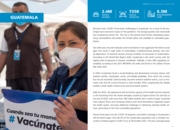
Recovery from COVID-19 has been challenging in Guatemala. As a result of the prolonged socio-economic impact of the pandemic, the average poverty rate nationwide has increased by almost 5%. This rise in the poverty level further exacerbates preexisting vulnerabilities and erodes the limited safety n
...
ets available to vulnerable populations. Year after year, recurrent disasters and humanitarian crises aggravate the historic social gaps that result in high levels of vulnerability, multidimensional poverty, and overall deprivation of essential services among hundreds of thousands of Guatemalans. According to the World Risk Report 2020, Guatemala is the tenth country with the highest level of exposure to disaster worldwide. Globally, it ranks 28th regarding vulnerability according to the 2021 INFORM’s risk index and 62nd in the Global Climate Risk Index 2021.
In 2020, Guatemala faced a record-breaking and devastating hurricane season with extreme rainfall, catastrophic winds, and deadly landslides, from which the country has not yet recovered. Unfortunately, recurrent extreme weather events, such as Hurricane Julia that hit Central America in early October 2022, progressively but deeply eroded a weak health infrastructure and local health systems.
more

The KMC implementation strategy targets a broad audience. These include policy-makers and programme managers at national, regional and local levels, government and nongovernmental organizations working in the area of maternal and newborn care, global
...
and national professional associations, public and private hospital management at all levels of care, and facility- and community-based maternal and infant care providers.
more
The Africa Centres for Disease Control and Prevention (Africa CDC) Biosafety and Biosecurity Initiative was launched by the Africa CDC in April 2019 with the aim of strengthening the African Union (AU) Member States’ biosafety and biosecurity systems and enabling them to comply with national and i
...
nternational requirements for biosafety and biosecurity including the International Health Regulations (IHR) (2005), the Biological Weapons Convention (BWC), and United Nations Security Council Resolution (UNSCR) 1540 and the multi-country Global Health Security Agenda (GHSA). The World Health Organization (WHO) Joint External Evaluation (JEE) and the Global Health Security Index report confirmed the known capacity gaps in biosafety and biosecurity among Africa Union Member (AU).
The regional consultations by Africa CDC conducted between 2019-2021 highlighted the deficiency or limited availability of standardized and regionally recognized training programs in the continent, limiting biosafety and biosecurity capacity building efforts in the region. In response, Africa CDC working with AU Member States developed a home grown, implementable and accessible professional training and certification program that is both recognized and endorsed by AU Member States. The Regional Training and Certification Program for Biosafety and Biosecurity Professionals, for African Biosafety and Biosecurity Professionals (RTCP-BBP) has four (4) areas of specialization, namely
Selection, Installation, Maintenance and Certification of Biological Safety Cabinets
Biorisk Management
Design and Maintenance of Facilities Handling High Risk Pathogens (Biocontainment Engineering)
Biological Waste management
more
The Africa Centres for Disease Control and Prevention (Africa CDC) Biosafety and Biosecurity Initiative was launched by the Africa CDC in April 2019 with the aim of strengthening the African Union (AU) Member States’ biosafety and biosecurity systems and enabling them to comply with national and i
...
nternational requirements for biosafety and biosecurity including the International Health Regulations (IHR) (2005), the Biological Weapons Convention (BWC), and United Nations Security Council Resolution (UNSCR) 1540 and the multi-country Global Health Security Agenda (GHSA). The World Health Organization (WHO) Joint External Evaluation (JEE) and the Global Health Security Index report confirmed the known capacity gaps in biosafety and biosecurity among Africa Union Member (AU).
The regional consultations by Africa CDC conducted between 2019-2021 highlighted the deficiency or limited availability of standardized and regionally recognized training programs in the continent, limiting biosafety and biosecurity capacity building efforts in the region. In response, Africa CDC working with AU Member States developed a home grown, implementable and accessible professional training and certification program that is both recognized and endorsed by AU Member States. The Regional Training and Certification Program for Biosafety and Biosecurity Professionals, for African Biosafety and Biosecurity Professionals (RTCP-BBP) has four (4) areas of specialization, namely
- Selection, Installation, Maintenance and Certification of Biological Safety Cabinets
- Biorisk Management
- Design and Maintenance of Facilities Handling High Risk Pathogens (Biocontainment Engineering)
- Biological Waste management
more
Promoting and protecting health is essential to human welfare and sustained economic and social development. This was recognized more than 30 years ago by the Alma-Ata Declaration signatories, who noted that Health for All would contribute
both to a better quality of life and also to
...
global peace and security
more
As the Group of Eight (G8) world leaders meet in Saint Petersburg, Russia for this year’s G8 Summit, it is important to take stock of international efforts to finance the response to the global HIV/AIDS epidemic. Financing a sufficient and sustain
...
ed response to the epidemic has emerged as one of the world’s greatest challenges, and one that will be with us for the foreseeable future. Often, those countries most affected are also least able to respond, increasing their vulnerability to HIV/AIDS and in turn further complicating their ability to address the epidemic, as is the case for many nations in sub-Saharan Africa. In addition, concerns have been raised about “second wave” nations, particularly China, India, and Russia, which stand on the brink of generalized epidemics if more is not done now
more
En 2006, la session extraordinaire des ministres de la Santé de l’Union africaine a adopté le Plan d’action de Maputo pour la mise en œuvre du cadre politique continental sur la santé et les droits sexuels et
reproductifs (SDSR), qui a expi
...
ré fin 2015. L’objectif était que toutes les parties prenantes et partenaires
d’unir leurs forces et de redoubler d’efforts, afin qu’ensemble, la mise en œuvre efficace du cadre politique continental, y compris l’accès universel à la santé sexuelle et reproductive d’ici 2015, dans tous les
pays d’Afrique puisse être réalisée. Le Plan d’action révisé de Maputo (MPoA) 2016-2030 a ensuite été
approuvé par les chefs d’État de l’Union africaine lors du 27e sommet de l’UA en juillet 2016 à Kigali,
au Rwanda. Le plan renforce l’appel en faveur d’un accès universel à des services complets de santé
sexuelle et reproductive en Afrique et jette les bases des objectifs de développement durable, en particulier les objectifs 3 et 5, ainsi que de l’Agenda 2063 de l’Union africaine.
more
After introducing Ethiopia's WASH sector challenges and trends, the plan describes IRC Ethiopia's vision and strategy which draws from IRC and Water For People's joint framework - Destination 2030. It then details the organisational changes and business development needed to implement the strategic
...
plan. Detailed targets are provided in the annexes.
At IRC, we believe that turning on a working tap should not be a surprise or cause for celebration. We believe in a world where water, sanitation and hygiene services are fundamental utilities that everyone is able to take for granted. For good.
We face a complex challenge. Every year, thousands of projects within and beyond the WASH sector fail – the result of short-term targets and interventions, at the cost of longterm service solutions.
This leaves around a third of the world’s poorest people without access to the most basic of human rights, and leads directly to economic, social and health problems on a global scale. IRC exists to continually challenge and shape the established practices of the WASH sector.
Through collaboration and the active application of our expertise, we work with governments, service providers and international organisations to deliver systems and services that are truly built to last.
more

Mental health problems are common and cause great suffering to individuals and communities around the world. They have a significant impact not only on the physical and mental health of those affected but also on their families and the communities they live in. At the same time, all communities have
...
their own traditional mechanisms for support and contain a range wide of resources that can be helpful in preventing mental health conditions from developing, promoting positive mental health and supporting the recovery of people that are struggling with a mental health condition.
In the wider context, people living with a mental health condition are often excluded from their communities and experience various violations to their basic human rights (discrimination, violence, exclusion from employment opportunities). The World Health Organization (WHO) estimates that the mean prevalence of global mental health disorders is 10.8% while the prevalence in emergency settings is 22.1% in any conflict-affected population.
During emergencies and crisis, the stigma, exclusion and discrimination towards people living with mental health conditions is often higher, which can cause isolation and protection issues. Communities can play a crucial role in promoting mental health as well as enhancing primary care and access. Their role is to help reduce mental health inequalities by providing community resources that connect people to community-based resources and by providing mental health education. This also helps to reduce the massive mental health treatment gap.
more

Cardiovascular diseases (CVDs) are a growing public health problem in Ghana and other African countries. Strokes and other CVDs have become a leading cause of death due to increasing risk factors such as hypertension. According to the Global Burden
...
of Disease study (GBD), ischaemic heart disease was the fourth leading cause of death in Ghana in 2016. The prevalence of hyper-
tension, a major risk factor for CVDs, is increasing rapidly and ranges from 19% to 48%, according to the Ghana Health Service Annual Report, 2017, due to rising life expectancy and the increasing prevalence of contributing factors such as overweight/obesity. Early diagnosis and adequate management of the risk factors can reduce the fatal consequences of CVDs.
At the heart of improving risk assessment and management of CVDs are nationally approved guidelines, which facilitate standardisation of care approaches.
These guidelines developed by experts from all levels of health care and stakeholders capture all recommended approaches and necessary information for clinicians and other healthcare workers on CVDs. They also serve as a practical guide for assessing and managing the most important CVDs prevalent in Ghana and can be used at all levels of care namely health facilities without a doctor; with a general practitioner and with a physician specialist.
more
Desde el 2016, la Organización Panamericana de la Salud (OPS) ha promovido la implementación de la Iniciativa HEARTS en las Américas, una adaptación regional de la estrategia Global HEARTS de la Organización Mundial de la Salud (OMS). Durante e
...
ste tiempo, 33 países de la Región de las Américas se han comprometido a implementar HEARTS y la OPS ha desarrollado una amplia variedad de herramientas clínicas para asistir a los equipos de salud en su trabajo cotidiano e impulsarlos a buscar la mejora continua de la calidad. Este compendio pretende presentar en un solo documento, y de manera simple y didáctica, todos los recursos técnicos desarrollados por la Iniciativa HEARTS en las Américas para facilitar su implementación en la práctica diaria del ámbito clínico. El lector notará que cada herramienta se detalla en una sola página y se presenta en un formato modular. Por lo tanto, cada herramienta se puede utilizar en conjunto o por separado según sea necesario. Además, en la parte inferior de cada herramienta, el lector encontrará las referencias y los enlaces para acceder a los textos completos en caso de que los usuarios deseen profundizar más su conocimiento respecto a cada tema.
more
