
Filter
2561
Text search:
information
and
communication
technology
Featured
238
774
Language
2492
63
32
30
25
15
12
3
3
3
2
2
2
2
2
1
1
1
1
1
1
1
1
1
Document type
1373
429
318
192
149
41
34
11
3
3
3
3
1
1
Countries
111
107
103
68
64
60
58
56
56
53
49
46
45
42
42
38
36
34
33
32
28
27
22
18
18
17
16
15
14
13
13
13
13
12
11
11
11
9
9
9
9
7
7
7
6
6
6
6
6
5
5
4
4
4
4
4
3
3
3
3
3
3
3
3
3
2
2
2
2
2
2
2
2
2
2
2
2
2
2
2
2
1
1
1
1
1
1
1
1
1
1
1
1
1
1
1
1
1
1
1
Authors & Publishers
354
87
73
65
64
46
41
34
18
17
16
16
14
13
13
13
12
12
11
11
10
10
10
10
10
9
9
9
9
9
8
8
8
8
8
8
8
8
8
7
7
7
7
7
7
7
7
7
7
7
7
6
6
6
6
6
6
6
6
6
6
6
6
6
5
5
5
5
5
5
5
5
5
5
5
5
5
5
5
5
4
4
4
4
4
4
4
4
4
4
4
4
4
4
4
4
4
4
4
4
4
4
4
4
4
4
4
4
4
4
4
4
3
3
3
3
3
3
3
3
3
3
3
3
3
3
3
3
3
3
3
3
3
3
3
3
3
3
3
3
3
3
3
3
3
3
3
3
3
3
3
3
3
3
2
2
2
2
2
2
2
2
2
2
2
2
2
2
2
2
2
2
2
2
2
2
2
2
2
2
2
2
2
2
2
2
2
2
2
2
2
2
2
2
2
2
2
2
2
2
2
2
2
2
2
2
2
2
2
2
2
2
2
2
2
2
2
2
2
2
2
2
2
2
2
2
2
2
2
2
2
2
2
2
2
2
2
2
2
2
2
2
2
2
2
2
2
2
2
2
2
2
2
2
2
2
2
2
2
2
2
2
2
2
2
2
2
2
2
2
2
2
2
2
2
2
2
2
2
2
2
2
2
2
2
2
2
2
2
2
2
2
2
2
2
2
2
2
2
2
2
2
2
2
2
2
2
2
2
2
2
2
1
1
1
1
1
1
1
1
1
1
1
1
1
1
1
1
1
1
1
1
1
1
1
1
1
1
1
1
1
1
1
1
1
1
1
1
1
1
1
1
1
1
1
1
1
1
1
1
1
1
1
1
1
1
1
1
1
1
1
1
1
1
1
1
1
1
1
1
1
1
1
1
1
1
1
1
1
1
1
1
1
1
1
1
1
1
1
1
1
1
1
1
1
1
1
1
1
1
1
1
1
1
1
1
1
1
1
1
1
1
1
1
1
1
1
1
1
1
1
1
1
1
1
1
1
1
1
1
1
1
1
1
1
1
1
1
1
1
1
1
1
1
1
1
1
1
1
1
1
1
1
1
1
1
1
1
1
1
1
1
1
1
1
1
1
1
1
1
1
1
1
1
1
1
1
1
1
1
1
1
1
1
1
1
1
1
1
1
1
1
1
1
1
1
1
1
1
1
1
1
1
1
1
1
1
1
1
1
1
1
1
1
1
1
1
1
1
1
1
1
1
1
1
1
1
1
1
1
1
1
1
1
1
1
1
1
1
1
1
1
1
1
1
1
1
1
1
1
1
1
1
1
1
1
1
1
1
1
1
1
1
1
1
1
1
1
1
1
1
1
1
1
1
1
1
1
1
1
1
1
1
1
1
1
1
1
1
1
1
1
1
1
1
1
1
1
1
1
1
1
1
1
1
1
1
1
1
1
1
1
1
1
1
1
1
1
1
1
1
1
1
1
1
1
1
1
1
1
1
1
1
1
1
1
1
1
1
1
1
1
1
1
1
1
1
1
1
1
1
1
1
1
1
1
1
1
1
1
1
1
1
1
1
1
1
1
1
1
1
1
1
1
1
1
1
1
1
1
1
1
1
1
1
1
1
1
1
1
1
1
1
1
1
1
1
1
1
1
1
1
1
1
1
1
1
1
1
1
1
1
1
1
1
1
1
1
1
1
1
1
1
1
1
1
1
1
1
1
1
1
1
1
1
1
1
1
1
1
1
1
1
1
1
1
1
1
1
1
1
1
1
1
1
1
1
1
1
1
1
1
1
1
1
1
1
1
1
1
1
1
1
1
1
1
1
1
1
1
1
1
1
1
1
1
1
1
1
1
1
1
1
1
1
1
1
1
1
1
1
1
1
1
1
1
1
1
1
1
1
1
1
1
1
1
1
1
1
1
1
1
1
1
1
1
1
1
1
1
1
1
1
1
1
1
1
1
1
1
1
1
1
1
1
1
1
1
1
1
1
1
1
1
1
1
1
1
1
1
1
1
1
1
1
1
1
1
1
1
1
1
1
1
1
1
1
1
1
1
1
1
1
1
1
1
1
1
1
1
1
1
1
1
1
1
1
1
1
1
1
1
1
1
1
1
1
1
1
1
1
1
1
1
1
1
1
1
1
1
1
1
1
1
1
1
1
1
1
1
1
1
1
1
1
1
1
1
1
1
1
1
1
1
1
1
1
1
1
1
1
1
1
1
1
1
1
1
1
1
1
1
1
1
1
1
1
1
1
1
1
1
1
1
1
1
1
1
1
1
1
1
1
1
1
1
1
1
1
1
1
1
1
1
1
1
1
1
1
1
1
1
1
1
1
1
1
1
1
1
1
1
1
1
1
1
1
1
1
1
1
1
1
1
1
1
1
1
1
1
1
1
1
1
1
1
1
1
1
1
1
1
1
1
1
1
1
1
1
1
1
1
1
1
1
1
1
1
1
1
1
1
1
1
1
1
1
1
1
1
1
1
1
1
1
1
1
1
1
1
1
1
1
1
1
1
1
1
1
1
1
1
1
1
1
1
1
1
1
1
1
1
1
1
1
1
1
1
1
1
1
1
1
1
1
1
1
1
1
1
1
1
1
1
1
1
1
1
1
1
1
1
1
1
1
1
1
1
1
1
1
1
1
1
1
1
1
1
1
1
1
1
1
1
1
1
1
1
1
1
1
1
1
1
1
1
1
1
1
1
1
1
1
1
1
1
1
1
1
1
1
1
1
1
1
1
1
1
1
1
1
1
1
1
1
1
1
1
1
1
1
1
1
1
1
1
1
1
1
1
1
1
1
1
1
1
1
1
1
1
1
1
1
1
1
1
1
1
1
1
1
1
1
1
1
1
1
1
1
1
1
1
1
1
1
1
1
1
1
1
1
1
1
1
1
1
1
1
1
1
1
1
1
1
1
1
1
1
1
1
1
1
1
1
1
1
1
1
1
1
1
1
1
1
1
1
1
1
1
1
1
1
1
1
1
1
1
1
1
1
1
1
1
1
1
1
1
1
1
1
1
1
1
1
1
1
1
1
1
1
1
1
1
1
1
1
1
1
1
1
1
1
1
1
1
1
1
1
1
1
1
1
1
1
1
1
1
1
1
1
1
1
1
1
1
1
1
1
1
1
1
1
1
1
1
1
1
1
1
1
1
1
1
1
1
1
1
1
1
1
1
1
1
1
1
1
1
1
1
1
1
1
1
1
1
1
1
1
1
1
1
1
1
1
1
1
1
1
1
1
1
1
1
1
1
1
1
1
1
1
1
1
1
1
1
1
1
1
1
1
1
1
1
1
1
1
1
1
1
1
1
1
1
1
1
1
1
1
1
1
1
1
1
1
1
1
1
1
1
1
1
1
1
1
1
1
1
1
1
1
1
1
1
1
1
1
1
1
1
1
1
1
1
1
1
1
1
1
1
1
1
1
1
1
1
1
1
1
1
1
1
1
1
1
1
1
1
1
1
1
1
1
1
1
1
1
1
1
1
1
1
1
1
1
1
1
1
1
1
1
1
1
1
1
1
1
1
1
1
1
1
1
1
1
1
1
1
1
1
1
1
1
1
1
1
1
1
1
1
1
1
1
1
1
1
1
1
1
1
1
1
1
1
1
1
1
1
1
1
1
1
1
1
1
1
1
1
1
1
1
1
1
1
1
1
1
1
1
1
1
1
1
1
1
1
1
1
1
1
1
1
1
1
1
1
1
1
1
1
1
1
1
1
1
1
1
1
1
1
1
1
1
1
1
1
1
1
1
1
1
1
1
1
1
1
1
1
1
1
1
1
1
1
1
1
1
1
1
1
1
1
1
1
1
1
1
1
1
1
1
1
1
1
1
1
1
1
1
1
1
1
1
1
1
1
1
1
1
1
1
1
1
1
1
1
1
1
1
1
1
1
1
1
1
1
1
1
1
1
1
1
1
1
1
1
1
1
1
1
1
1
1
1
1
1
1
1
1
1
1
1
1
1
1
1
1
1
1
1
1
1
1
1
1
1
1
1
1
1
1
1
1
1
1
1
1
1
1
1
1
1
1
1
1
1
1
1
1
1
1
1
1
1
1
1
1
1
1
1
1
1
1
1
1
1
1
1
1
1
1
1
1
1
1
1
1
1
1
1
1
1
1
1
1
1
1
1
1
1
1
1
1
1
1
1
1
1
1
1
1
1
1
1
1
1
1
1
1
1
1
1
1
1
1
1
1
1
1
1
1
1
1
1
1
1
1
1
1
1
1
1
1
1
1
1
1
1
1
1
1
1
1
1
1
1
1
1
1
1
1
1
1
1
1
1
1
1
1
1
1
1
1
1
1
1
1
1
1
1
1
1
1
1
1
1
1
1
1
1
1
1
1
1
1
1
1
1
1
1
1
1
1
1
1
1
1
1
1
1
1
1
1
1
1
1
1
1
1
1
1
1
1
1
1
1
1
1
1
1
1
1
1
1
1
1
1
1
1
1
1
1
1
1
1
1
1
1
1
1
1
1
1
1
1
1
1
1
1
1
1
1
1
1
1
1
1
1
1
1
1
1
1
1
1
1
1
1
1
1
1
1
1
1
1
1
1
1
1
1
1
1
1
1
1
1
1
1
1
1
1
1
1
1
1
1
1
1
1
1
1
1
1
1
1
1
1
1
1
1
1
1
1
1
1
1
Publication Years
791
1567
191
10
2
Category
1030
212
187
148
120
48
26
1
Toolboxes
214
197
130
126
103
92
79
71
60
56
55
54
52
50
44
39
36
24
23
22
19
15
11
10
7
1
Better Parenting Nigeria is a parenting education program whose goal is to see that families have the knowledge and skills needed to raise healthy, safe and resilient children. The program aims to e
...
nsure that:
The caregiver-child relationship is strengthened;
Caregiver capacity to understand family needs and access resources and services is
increased; and
Caregiver capacity to protect children from all forms of harm and exploitation is
improved.
This Facilitator’s Manual is for the facilitator to use to support the community discussions, provide targeted messaging, and recommend suggestions for knowledge and experience sharing. It should be used hand-in-hand with the Community Discussion Guide.
more
Antibiotics have been a critical public health tool since the discovery of Penicillin in 1928, saving the lives of millions of people around the world. In developing country like ours, where the burden of treatable disease is very high and access to
...
health facilities and laboratories is difficult, antibiotics have long acted as miracle drugs. Today, however, the emergence of drug
resistance in bacteria is reversing the miracles of the past eighty years, with drug choices for the treatment of many bacterial infections becoming increasingly limited, expensive, and in some cases, nonexistent. Diseases previously regarded as relatively easy to manage are much harder to treat as doctors must use “last-resort” drugs that are more costly, take longer to work
and are often unavailable or unaffordable in developing countries. Moreover, regular prescription of antibiotics, random treatment, over the counter sales, inadequate dosage, inclusion of antibiotics in animal feeds and agriculture has contributed equally to emergence of antibiotics resistance as silent epidemic within the country.
more
A Students' Toolkit.
How does the digital transformation of health care change the daily routine of a healthcare professional? Which knowledge and skills will healthcare professionals need? Are universities in Europe preparing their students well e
...
nough to work within a digitised health system?
This toolkit prepared by the European Medical Students’ Association (EMSA) provides an insightful context, an introduction to the topic of digital health and a framework to encourage future healthcare professionals to start activities and discussions at their university.
more
School health programmes are the most cost-effective way to influence health behaviours in young people. The purpose of this two-part handbook is to support schools as they seek to implement interventions in order to reduce the main modifiable risk behaviours for noncommunicable disea
...
ses. This Practical application handbook provides advice to schools on providing young people with the knowledge, attitudes, beliefs and life skills necessary for making informed decisions, and creating a healthy school environment that can reduce the risk of NCDs
more

1 June 2020
Countries around the world are facing the challenge of increased demand for care of people with COVID-19, compounded by fear, misinformation and limitations on movement that disrupt the delivery of health care for all conditions. Mainta
...
ining essential health services: operational guidance for the COVID-19 context recommends practical actions that countries can take at national, subregional and local levels to reorganize and safely maintain access to high-quality, essential health services in the pandemic context. It also outlines sample indicators for monitoring essential health services, and describes considerations on when to stop and restart services as COVID-19 transmission recedes and surges. This document expands on the content of pillar 9 of the COVID-19 strategic preparedness and response plan, supersedes the earlier Operational guidance for maintaining essential health services during an outbreak, and complements the recently-released Community-based health care, including outreach and campaigns, in the context of the COVID-19 pandemic. It is intended for decision-makers and managers at the national and subnational levels.
This is an update to COVID-19: Operational guidance for maintaining essential health services during an outbreak: Interim guidance, 25 March 2020
more
This Module, Count me in! Inclusive WASH in Ethiopia, was prepared by Ethiopian authors with support from The Open University UK. It was first published in June 2018. The contributors of original material are:Girma Aboma, Manager, GAA Economic Development ConsultBethel Shiferaw, SPCC Disability Incl
...
usion Advisor, Ethiopian Center for Disability and Development
more
Countries around the world are facing the challenge of increased demand for care of people with COVID-19, compounded by fear, misinformation and limitations on movement that disrupt the delivery of health care for all conditions. Maintaining essenti
...
al health services: operational guidance for the COVID-19 context recommends practical actions that countries can take at national, subregional and local levels to reorganize and safely maintain access to high-quality, essential health services in the pandemic context. It also outlines sample indicators for monitoring essential health services, and describes considerations on when to stop and restart services as COVID-19 transmission recedes and surges.
more
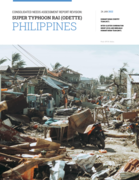
Eight years after Super Typhoon Haiyan, the most destructive storm to ever hit the Philippines, Super Typhoon Rai brought similar torrential rains, violent winds, mudslides, floods and storm surges to central parts of the Philippines, leaving a wide
...
path of destruction and debris in its wake. While not as powerful as Haiyan in terms of wind strength, evidence shows that Rai damaged houses, infrastructure and livelihoods on a comparable scale or in even greater numbers. Most striking, Rai damaged 1.57 million homes, 500,000 more than Haiyan, across 11 of the Philippines 17 regions, with around 180,000-200,000 people still displaced – either still in evacuation centers or staying with friends, family or other temporary housing.
more
March 2022. This report on good practices to combat AMR focuses on activities across human, animal, and environmental health in European countries. The report provides a description of practices, how they were implemented, achievements,
...
and why the practice was unique.
more

Saving lives is the priority of WHO’s response in Ukraine. WHO works to ensure time-critical, lifesaving multisectoral assistance, non-discriminatory access to emergency and essential health services and
...
priority prevention programmes, and laying the foundation for longer-term health systems recovery and strengthening.
more
Not long ago, on the occasion of the 100th anniversary of the discovery of Chagas disease, several campaigns denounced the scant progress has been made in diffrent spheres- medical, scientific and politcal- but major challanges still remain. This is
...
an appropriate time to celebrate what has been achieved and to take the next step.
more

PLOS Glob Public Health 3(7): e0001132. https://doi.org/10.1371/journal.
pgph.0001132
This paper proposes a framework for strategic communications for malaria governance that involves five key elements: knowing the audience, defining the message, designing a medium, identifying a messenger,
...
and selecting the timing
more
Surgical Care At The District Hospital
recommended
Promotion of the quality of clinical care through the identification, promotion and standardization of appropriate procedures, equipment and materials, particularly at district hospital level.
Evaluation of Community Management of Acute Malnutrition (CMAM)
Sheila Reed, Camille Eric Kouam, Krishna Belbase et al.
United Nations Children’s Fund (UNICEF) Evaluation Office
(2013)
This evaluation is the first systematic effort by UNICEF to generate evidence on how well its global as well as country level Community Management of Acute Malnutrition (CMAM) strategies have worked, including their acceptance and ownership in vario
...
us contexts and appropriateness of investments in capacity development and supply components. Overall, the evaluation recommends that UNICEF continue to promote and support CMAM as a viable approach to preventing and addressing severe acute malnutrition (SAM), with an emphasis on prevention through strengthening community outreach and integrating CMAM into national health systems and with other intervention
more
A key purpose of the Recovery Toolkit is to support countries in the reactivation of health services which may have suffered as a result of the emergency. These services include ongoing programmes such as immunization and vaccinations, maternal
...
and child health services, and noncommunicable diseases.
more
Report of the Office of the United Nations High Commissioner for Human Rights | The present study focuses on inclusive education as a means to realize the universal right to education, including for persons with disabilities. It analyses the relevant provisions of the Convention on the Rights of Per
...
sons with Disabilities, highlights good practices and discusses challenges and strategies for the establishment of inclusive education systems.
more
This document has been developed as a guide to allinstitutions producing health care waste in planning and implementation of interventions that will reduce mismanagement of hazardous waste in Zambia.The National Health-Care Waste
...
Management Plan for 2015 to 2019 provides an overview of the situation analysis, the proposed activities and the health care facility waste generating processes in Zambia and presents options for minimizing health-care waste generation through source reduction. The hazardous wastes generated by health care facilities are a challenge in Zambia as handling, storage, transportation and final disposal leaves much to be desired.
more
Securing the future from drug-resistant infections
Interagency Coordination Group on Antimicrobial Resistance IAGG
World Health Organisation WHO
(2019)
C_WHO
Antimicrobial resistance is a global crisis that threatens a century of progress in health and achievement of the Sustainable Development Goals. There is no time to wait. Unless the world acts urgently, antimicrobial resistance will have disastrous
...
impact within a generation.
more
In most contexts, the social stigma surrounding mental health issues exists because of cultural norms and a lack of understanding of mental health’s complexities and realities, resulting in isolat
...
ion, increased vulnerability, and lack of support for people with mental health problems.
This stigma has been exacerbated during COVID-19, as more people may need mental health or psycho-social support but cannot access it due to the cessation of in-person services and limited remote care option
more
12 May 2021. This third survey in the series shows that the COVID-19 pandemic continues to impact societies, not only in terms of health, but also social and economic conditions and day-to-day life
