
Filter
2219
Text search:
sexual
and
gender
based
violence
Featured
194
626
Language
2150
65
52
40
30
13
12
8
5
5
4
3
3
3
3
3
2
2
2
2
2
2
2
2
2
2
2
1
1
1
1
1
1
1
1
1
1
1
1
1
1
1
1
1
1
1
1
1
1
Document type
1247
401
207
115
105
44
43
37
5
5
3
1
1
Countries
100
84
76
64
59
53
52
47
45
44
44
44
44
40
38
38
38
34
30
29
28
27
25
24
22
21
20
20
20
20
19
17
17
16
15
14
13
13
12
12
12
11
10
10
9
8
8
8
7
7
6
6
6
6
6
5
5
5
5
4
4
4
4
4
4
4
4
4
3
3
3
3
3
3
3
2
2
2
2
2
2
2
2
2
2
1
1
1
1
1
1
1
1
1
1
1
1
1
1
1
1
1
1
1
1
1
1
1
Authors & Publishers
181
73
72
67
57
48
48
35
32
29
29
24
24
24
21
20
20
20
18
18
17
16
15
15
15
14
14
12
12
12
12
12
11
11
11
10
10
10
9
9
8
8
8
8
8
8
7
7
7
7
7
7
7
6
6
6
6
6
6
6
6
5
5
5
5
5
5
5
5
5
5
5
5
4
4
4
4
4
4
4
4
4
4
4
4
4
4
4
4
4
4
4
4
4
4
4
4
4
4
4
4
4
4
3
3
3
3
3
3
3
3
3
3
3
3
3
3
3
3
3
3
3
3
3
3
3
3
3
3
3
3
3
3
3
3
3
3
3
3
3
3
3
3
3
3
3
2
2
2
2
2
2
2
2
2
2
2
2
2
2
2
2
2
2
2
2
2
2
2
2
2
2
2
2
2
2
2
2
2
2
2
2
2
2
2
2
2
2
2
2
2
2
2
2
2
2
2
2
2
2
2
2
2
2
2
2
2
2
2
2
2
2
2
2
2
2
2
2
2
2
2
2
2
2
2
2
2
2
2
2
2
2
2
2
2
2
2
2
2
2
2
2
2
2
2
2
2
2
2
2
2
2
2
2
2
2
2
2
2
2
2
2
2
2
2
2
2
2
2
2
2
2
2
2
2
2
2
1
1
1
1
1
1
1
1
1
1
1
1
1
1
1
1
1
1
1
1
1
1
1
1
1
1
1
1
1
1
1
1
1
1
1
1
1
1
1
1
1
1
1
1
1
1
1
1
1
1
1
1
1
1
1
1
1
1
1
1
1
1
1
1
1
1
1
1
1
1
1
1
1
1
1
1
1
1
1
1
1
1
1
1
1
1
1
1
1
1
1
1
1
1
1
1
1
1
1
1
1
1
1
1
1
1
1
1
1
1
1
1
1
1
1
1
1
1
1
1
1
1
1
1
1
1
1
1
1
1
1
1
1
1
1
1
1
1
1
1
1
1
1
1
1
1
1
1
1
1
1
1
1
1
1
1
1
1
1
1
1
1
1
1
1
1
1
1
1
1
1
1
1
1
1
1
1
1
1
1
1
1
1
1
1
1
1
1
1
1
1
1
1
1
1
1
1
1
1
1
1
1
1
1
1
1
1
1
1
1
1
1
1
1
1
1
1
1
1
1
1
1
1
1
1
1
1
1
1
1
1
1
1
1
1
1
1
1
1
1
1
1
1
1
1
1
1
1
1
1
1
1
1
1
1
1
1
1
1
1
1
1
1
1
1
1
1
1
1
1
1
1
1
1
1
1
1
1
1
1
1
1
1
1
1
1
1
1
1
1
1
1
1
1
1
1
1
1
1
1
1
1
1
1
1
1
1
1
1
1
1
1
1
1
1
1
1
1
1
1
1
1
1
1
1
1
1
1
1
1
1
1
1
1
1
1
1
1
1
1
1
1
1
1
1
1
1
1
1
1
1
1
1
1
1
1
1
1
1
1
1
1
1
1
1
1
1
1
1
1
1
1
1
1
1
1
1
1
1
1
1
1
1
1
1
1
1
1
1
1
1
1
1
1
1
1
1
1
1
1
1
1
1
1
1
1
1
1
1
1
1
1
1
1
1
1
1
1
1
1
1
1
1
1
1
1
1
1
1
1
1
1
1
1
1
1
1
1
1
1
1
1
1
1
1
1
1
1
1
1
1
1
1
1
1
1
1
1
1
1
1
1
1
1
1
1
1
1
1
1
1
1
1
1
1
1
1
1
1
1
1
1
1
1
1
1
1
1
1
1
1
1
1
1
1
1
1
1
1
1
1
1
1
1
1
1
1
1
1
1
1
1
1
1
1
1
1
1
1
1
1
1
1
1
1
1
1
1
1
1
1
1
1
1
1
1
1
1
1
1
1
1
1
1
1
1
1
1
1
1
1
1
1
1
1
1
1
1
1
1
1
1
1
1
1
1
1
1
1
1
1
1
1
1
1
1
1
1
1
1
1
1
1
1
1
1
1
1
1
1
1
1
1
1
1
1
1
1
1
1
1
1
1
1
1
1
1
1
1
1
1
1
1
1
1
1
1
1
1
1
1
1
1
1
1
1
1
1
1
1
1
1
1
1
1
1
1
1
1
1
1
1
1
1
1
1
1
1
1
1
1
1
1
1
1
1
1
1
1
1
1
1
1
1
1
1
1
1
1
1
1
1
1
1
1
1
1
1
1
1
1
1
1
1
1
1
1
1
1
1
1
1
1
1
1
1
1
1
1
1
1
1
1
1
1
1
1
1
1
1
1
1
1
1
1
1
1
1
1
1
1
1
1
1
1
1
1
1
1
1
1
1
1
1
1
1
1
1
1
1
1
1
1
1
1
1
1
1
1
1
1
1
1
1
1
1
1
1
1
1
1
1
1
1
1
1
1
1
1
1
1
1
1
1
1
1
1
1
1
1
1
1
1
1
1
1
1
1
1
1
1
1
1
1
1
1
1
1
1
1
1
1
1
1
1
1
1
1
1
1
1
1
1
1
1
1
1
1
1
1
1
1
1
1
1
1
1
1
1
1
1
1
1
1
1
1
1
1
1
1
1
1
1
1
1
1
1
1
1
1
1
1
1
1
1
1
1
1
1
1
1
1
1
1
1
1
1
1
1
1
1
1
1
1
1
1
1
1
1
1
1
1
1
1
1
1
1
1
1
1
1
1
1
1
1
1
1
1
1
1
1
1
1
1
1
1
1
1
1
1
1
1
1
1
1
1
1
1
1
1
1
1
1
1
1
1
1
1
1
1
1
1
1
1
1
1
1
1
1
1
1
1
1
1
1
1
1
1
1
1
1
1
1
1
1
1
1
1
1
1
1
1
1
1
1
1
1
1
1
1
1
1
1
1
1
1
1
1
1
1
1
1
1
1
1
1
1
1
1
1
1
1
1
1
1
1
1
1
1
1
1
1
1
1
1
1
1
1
1
1
1
1
1
1
1
1
1
1
1
1
1
1
1
1
1
1
1
1
1
1
1
1
1
1
1
1
1
1
1
1
1
1
1
1
1
1
1
1
1
1
1
1
1
1
1
1
1
1
1
1
1
1
1
1
1
1
1
1
1
1
1
1
1
1
1
1
1
1
1
1
1
1
1
1
1
1
1
1
1
1
1
1
1
1
1
1
1
1
1
1
1
1
1
1
1
1
1
1
1
1
1
1
1
1
1
1
1
1
1
1
1
1
1
1
1
1
1
1
1
1
1
1
1
1
1
1
1
1
1
1
1
1
1
1
1
1
1
1
1
1
1
1
1
1
1
1
1
1
1
1
1
1
1
1
1
1
1
1
1
1
1
1
1
1
1
1
1
1
1
1
1
1
1
1
1
1
1
1
1
1
1
1
1
1
1
1
1
1
1
1
1
1
1
1
1
1
1
1
1
1
1
1
1
1
1
1
1
1
1
1
1
1
1
1
1
1
1
1
1
1
1
1
1
1
1
1
1
1
1
1
1
1
1
1
1
1
1
1
1
1
1
1
1
1
1
1
1
1
1
1
1
1
1
1
1
1
1
1
1
1
1
1
1
1
1
1
1
1
1
1
1
1
1
1
1
1
1
1
1
1
1
1
1
1
1
1
1
1
1
1
1
1
1
1
1
1
1
1
1
1
1
1
1
1
1
1
1
1
1
1
1
1
1
1
1
1
1
1
1
1
1
1
1
1
1
1
1
1
1
1
1
1
1
1
1
1
1
1
1
1
1
1
1
1
1
1
1
1
1
1
1
1
1
1
1
1
1
1
1
1
1
1
1
1
1
1
1
1
1
1
1
1
1
1
1
1
1
1
1
1
1
1
1
1
1
1
1
1
1
1
1
1
1
Publication Years
1
735
1324
155
4
Category
935
242
159
91
57
49
1
Toolboxes
264
171
168
163
153
126
43
43
35
34
31
26
21
11
8
6
5
3
3
2
2
2
2
1
1
1
1
Infectious diseases, such as COVID-19, can have a significant impact on children’s and their caregivers’
wellbeing beyond the disease itself. In terms of child protection, there are three main potential
secondary impacts:
- Neglect
...
and lack of parental care.
- Mental health and Psychosocial distress.
- Increased exposure to violence, including sexual violence, physical and emotional abuse.
more

The most frequent health problems of newly arrived refugees and migrants include accidental injuries, hypothermia, burns, gastrointestinal illnesses, cardiovascular events, pregnancy- and delivery-r
...
elated complications, diabetes and hypertension. Female refugees and migrants frequently face specific challenges, particularly in maternal, newborn and child health, sexual and reproductive health, and violence. The exposure of refugees and migrants to the risks associated with population movements – psychosocial disorders, reproductive health problems, higher newborn mortality, drug abuse, nutrition disorders, alcoholism and exposure to violence – increase their vulnerability to noncommunicable diseases (NCDs)
more

Every five minutes a child dies as the result of violence, according to a ground-breaking report from Unicef UK. The report reveals that the vast majority of children are killed outside warzones and
...
that physical, sexual and emotional abuse is widespread with millions of children unsafe in their homes, schools and communities. Some 345 children could die from violence each day in the next year, unless governments act.
The report also finds that:
(1) Children who are victims of violence have brain activity similar to soldiers exposed to combat;
(2) A third of children who are victims of violence are likely to develop long-lasting symptoms of post-traumatic stress disorder;
(3) Those living in poverty are more likely to be victims of violence, wherever they live in the world;
(4) Over 7% of child deaths due to violence each day are the result of interpersonal violence, rather than conflict.
more
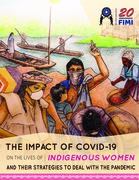
The International Forum of Indigenous Women (IIWF) has prepared this report in order to have a
document for analysis and systematization of the impacts of the COVID-19 pandemic on the lives
of Indigenous Women,
...
and to identify the strategies promoted by them. This document is expected
to serve as a political tool for advocacy. The methodology used in this analysis is a gender and
Indigenous Women’s collective and individual human rights approach. The results are mainly based
on a global, participatory survey, conducted in English, French and Spanish languages, aimed at
indigenous women’s organizations and leaders.
more

he United Nations Development Programme’s (UNDP) Gender Equality Strategy 2022-2025 has
been created during turbulent times. Multiple crises and risks are threatening the world
...
and
we are witnessing an alarming backlash against women’s rights and gender equality. Since the
COVID-19 pandemic hit, women have been nearly twice as likely to lose their jobs compared to
men. Yet less than 20 percent of policy measures implemented by countries across the world have
addressed women’s economic insecurity. Gender inequality also takes a toll on men and other
affected groups. For men, rigid gender norms can fuel risky behaviours resulting in violence, poor
health, and lower life expectancy.
more
HIV, viral hepatitis and STI epidemics, particularly among people who inject drugs and other key populations, continue to be fuelled by laws and po
...
licies criminalizing sex work; drug use or possession; diverse forms of gender expression and sexuality; stigma and discrimination; gender discrimination; violence; lack of community empowerment and other violations of human rights. These sociostructural factors limit access to health services, constrain how these services are
delivered and diminish their effectiveness.
more
The thirty-seventh meeting of the Programme, Budget and Administration Committee was held in Geneva from 25 to 27 January 2023 and chaired by Ms Aishath Rishmee (Maldives). The Committee adopted its
...
agenda and agreed its programme of work. In his opening remarks, the Director-General emphasized the crucial work on the financial future of the Organization, most significantly implementation of the Programme budget 2022−2023 and development of the Proposed programme budget 2024−2025, which would be the first to benefit from the agreed increase in assessed contributions. He welcomed the work of the Agile Member States Task Group on Strengthening WHO’s Budgetary, Programmatic and Financing Governance with its recommendations for long-term improvements in reform, prevention of and response to sexual abuse and harassment, new web-based information portals and a new replenishment process for consideration by Member States. Efforts were also under way to improve impact at country level, and he would continue to report to Member States on progress. He was heading an agile, proactive and fast-responding WHO, committed to implementing plans approved by Member States.
more

The National Strategic Plan is based on the following guiding principles:
1) Life-course approach: adolescence is a key decade in the course of life that influences the health outcomes later in life.
2) Comprehensive approach: It recogniz ... es the cross cutting health and development needs of young people such as intentional and unintentional injuries and violence, SRH, HIV/AIDS, mental health, substance use, violence, substance use and substance use disorders, infectious diseases and common conditions.
3) Equity and rights-based approach: focusing on equitable access to services to all adolescents including vulnerable groups and the recognizing the need to move from aspirations to obligations in fulflling young people rights for the highest attainable standard of health.
4) Multisectoral approach: recognizing cognizant of the fact that holistic development of young people requires multisectoral approach involving education, social welfare. more
1) Life-course approach: adolescence is a key decade in the course of life that influences the health outcomes later in life.
2) Comprehensive approach: It recogniz ... es the cross cutting health and development needs of young people such as intentional and unintentional injuries and violence, SRH, HIV/AIDS, mental health, substance use, violence, substance use and substance use disorders, infectious diseases and common conditions.
3) Equity and rights-based approach: focusing on equitable access to services to all adolescents including vulnerable groups and the recognizing the need to move from aspirations to obligations in fulflling young people rights for the highest attainable standard of health.
4) Multisectoral approach: recognizing cognizant of the fact that holistic development of young people requires multisectoral approach involving education, social welfare. more
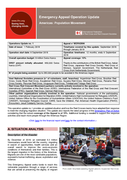
By December of 2019, an estimated 5.3 million Venezuelans would have left the country, migrating in search of opportunities, health services and an overall search to improve the socio-economic conditions of themselves
...
and their families. This is the largest migration in the history of the Americas. Migrants are one of the most vulnerable populations, exposed to human trafficking, abuse, exploitation and violence.
This Emergency Appeal seeks funds to reach this vulnerable population through a range of services that are aimed at preserving the dignity of migrant populations and increasing their wellbeing. These services are: shelter; livelihoods and basic needs; health services; water, sanitation and hygiene services; protection gender and inclusion. T
more
This policy will serve as a cornerstone from which to address the accessibility of Family Planning services and to encourage its integration with services for HIV/AIDS, maternal health, child health, and
...
other development initiatives. This policy is timely, as Rwanda is embarking on the introduction of community-based provision of Family Planning through community health workers. In addition, the expansion of adolescent sexual and reproductive health programs is a pillar of this policy that will help attract and retain the next generation of Family Planning users. These efforts are anticipated to trigger a paradigm change in the way Family Planning services are provided and accessed in order to contribute towards a healthy and productive Rwanda for all.
more
Northern: Chandigarh, Delhi, Haryana, Himachal Pradesh, Jammu & Kashmir, Punjab, Rajasthan, and Uttarakhand
Central: Chhattisgarh, Madhya Pradesh and Uttar Pradesh
Eastern: Andaman & Nicob ... ar, Bihar, Jharkhand, Odisha and West Bengal
This technical document consists of epidemiological profiles (fact-sheets) for States and districts based on information available from multiple data sources including the HIV Sentinel Surveillance (HSS) and the Integrated Biological and Behavioural Surveillance (IBBS). Given the need for focussed prevention efforts in low/high prevalence and vulnerable States/districts, the information presented will be useful for policy makers, program planners at national/State/ district level, researchers, and academicians in identification of areas for priority attention and also to derive meaningful conclusions for programme planning, implementation, monitoring and scale-up. This document will be a quick reference for the HIV/AIDS situation in a State/district, risk and safe behaviour of the high risk groups, their level of knowledge about STIs and HIV/AIDS, experience of violence, HIV testing and ART awareness and exposure to HIV/AIDS prevention. more
Central: Chhattisgarh, Madhya Pradesh and Uttar Pradesh
Eastern: Andaman & Nicob ... ar, Bihar, Jharkhand, Odisha and West Bengal
This technical document consists of epidemiological profiles (fact-sheets) for States and districts based on information available from multiple data sources including the HIV Sentinel Surveillance (HSS) and the Integrated Biological and Behavioural Surveillance (IBBS). Given the need for focussed prevention efforts in low/high prevalence and vulnerable States/districts, the information presented will be useful for policy makers, program planners at national/State/ district level, researchers, and academicians in identification of areas for priority attention and also to derive meaningful conclusions for programme planning, implementation, monitoring and scale-up. This document will be a quick reference for the HIV/AIDS situation in a State/district, risk and safe behaviour of the high risk groups, their level of knowledge about STIs and HIV/AIDS, experience of violence, HIV testing and ART awareness and exposure to HIV/AIDS prevention. more
West: Drada & Nagar Haveli, Daman & Diu, Goa, Gujarat, Maharashtra
South: Andhra Pradesh & Telangana, Karnataka, Kerala, Puducherry, Tamil Nadu
This technical document consists of epidemiological profiles (fact-sheets) for States and distr ... icts based on information available from multiple data sources including the HIV Sentinel Surveillance (HSS) and the Integrated Biological and Behavioural Surveillance (IBBS). Given the need for focussed prevention efforts in low/high prevalence and vulnerable States/districts, the information presented will be useful for policy makers, program planners at national/State/ district level, researchers, and academicians in identification of areas for priority attention and also to derive meaningful conclusions for programme planning, implementation, monitoring and scale-up. This document will be a quick reference for the HIV/AIDS situation in a State/district, risk and safe behaviour of the high risk groups, their level of knowledge about STIs and HIV/AIDS, experience of violence, HIV testing and ART awareness and exposure to HIV/AIDS prevention. more
South: Andhra Pradesh & Telangana, Karnataka, Kerala, Puducherry, Tamil Nadu
This technical document consists of epidemiological profiles (fact-sheets) for States and distr ... icts based on information available from multiple data sources including the HIV Sentinel Surveillance (HSS) and the Integrated Biological and Behavioural Surveillance (IBBS). Given the need for focussed prevention efforts in low/high prevalence and vulnerable States/districts, the information presented will be useful for policy makers, program planners at national/State/ district level, researchers, and academicians in identification of areas for priority attention and also to derive meaningful conclusions for programme planning, implementation, monitoring and scale-up. This document will be a quick reference for the HIV/AIDS situation in a State/district, risk and safe behaviour of the high risk groups, their level of knowledge about STIs and HIV/AIDS, experience of violence, HIV testing and ART awareness and exposure to HIV/AIDS prevention. more
Globally, 85,000 women and girls were killed intentionally in 2023. 60 per cent of these homicides—51,000—were committed by an intimate partner or other family member. 140 women and girls die ev
...
ery day at the hands of their partner or a close relative, which means one woman or girl is killed every 10 minutes.
more
Sexual exploitation, sexual abuse and sexual harassment (SEAH) violate the rights
...
and wellbeing of the people we serve and the people with whom we serve. Such behaviours are directly in opposition to WHO’s values and our abiding responsibility to do no harm. WHO uses the umbrella term “sexual misconduct” to encompass the full spectrum of prohibited and unwanted behaviour of a sexual nature (including rape and sexual assault) as described in WHO’s 2023 Policy for preventing and addressing sexual misconduct (1). This is because all such acts are prohibited – whether perpetrated by WHO’s own personnel or by implementing partners – and therefore constitute misconduct. The term sexual misconduct is also easier to communicate and translate, as
victims and survivors do not always understand the complicated acronyms and definitions used by the United Nations (UN) and the humanitarian sector. However, we use the terms sexual misconduct and SEAH interchangeably as required when we interact with UN and other stakeholders.
more
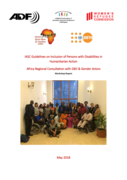
This one-day consultation workshop brought together both organizations of persons with disabilities (DPOs) and humanitarian actors to:-Identify priority areas for gender mainstreaming
...
and GBV prevention and response across the Guidelines.-Collect useful resources, promising practices and other relevant information for gender and GBV actors to be integrated into the Guidelines.-Map opportunities for gender and GBV actors in the region to contribute to later phases of the Guidelines development and roll-out process.
more
The WHO Global Health Estimates show that nearly half a million deaths (493 471) occurred in the WHO European Region due to violence and injuries in 2016. This represents a decline of 29% from 2000.
...
Injuries account for 5.3% of all deaths and 9.6 of all years of life lost. They are a leading cause of death in people aged 15–29 years and the second leading cause of death for young people aged 5–14. The three leading causes of injury deaths are self-directed violence (141 089), falls (83 325) and road-traffic injuries (78 198). Inequalities in injury deaths exist in the Region, with mortality rates 2.4 times higher in males than in females and 1.5 times higher in middle-income compared to high-income countries.
more
One of the principles underpinning the delivery of all essential services and coordination of those services is the “survivor-centered approach”, which places the human rights, needs, and wishes
...
of women and girl survivors at the centre of service delivery.
A key challenge faced by many entities working to end violence against women is ensuring that survivors’ voices and inputs are incorporated into policies, practices, and procedures on response. Survivors have diverse needs and face different risks. Not all women and girls experience violence in the same way. An effective intervention takes into account the realities of their unique circumstances, addresses individual needs, and reduces the risk for further harm and suffering.
UN Women, together with Global Rights for Women, have developed “Safe consultations with survivors of violence against women and girls”, which is designed to provide practical steps, safety measures, and actions that government agencies, civil society and survivor organizations, and United Nations’ entities can take to incorporate survivors' voices into systemic reform efforts, through safe and meaningful consultations.
This guidance is intended to help policymakers develop survivor-centered programming on ending violence against women and girls that meets the needs of diverse groups of women and girls, including those who are at higher risk of experiencing violence and discrimination. It is applicable to programming across the health, justice and policing, and social services sectors, as well as coordination of these sectors, and will help improve the standard and delivery of essential services for women and girls who have experienced violence.
more
UNHCR invested significantly in risk mitigation, prevention and response to sexual exploitation and abuse (SEA) in the Europe region in 2022-2023,
...
in particular in connection with the Ukraine emergency, where the risks were considered high due to the unprecedented scale and speed of displacement, mostly women and children, combined with high turnover of humanitarian staff and the range of new and untraditional actors involved in the response. PSEA also remains a priority for UNHCR’s work for other refugees, internally displaced and stateless persons across the region.
This compilation highlights the 10 most promising practices that were initiated by UNHCR and its partners in the Europe region in 2022-2023. These practices are shared with the aim to inspire further work on PSEA in the region and elsewhere and encourage continuous learning and exchange.
more
The education sector forms an important part of the child protection response in refugee settings, and UNHCR’s Education Strategy (2012-16) reflects a focus on refugee education as a core component of UNHCR’s protection mandate. The right to edu
...
cation for all children also forms part of the United Nations Convention on the Rights of the Child. UNHCR’s Education Strategy promotes the importance of schools as safe learning environments, emphasises improving access to quality education for refugee children and maximises the protective benefits of participation in school. It advocates for the integration of refugee children into national education systems.
more
Refugees and migrants face unacceptable and extreme forms of violence on mixed migration routes from East
...
and West Africa to and through North Africa. This report provides clear and strong findings based on almost 16,000 interviews with refugees and migrants all along the migration routes. It provides clear data on the extent to which refugees and migrants face various violations of their rights, and identifies who are generally reported to be responsible and should thus be held accountable.
more
