Filter
1866
Text search:
Drug
abuse
Featured
172
452
Language
1768
47
44
34
16
10
8
7
6
5
5
4
3
3
3
3
3
2
2
2
2
2
2
2
2
1
1
1
1
1
1
1
1
1
1
1
1
1
1
1
1
1
1
1
1
1
1
1
1
1
1
1
Document type
1280
204
160
83
47
33
23
11
8
8
4
1
1
Countries / Regions
111
66
54
49
38
38
38
37
36
34
33
31
28
28
27
26
25
24
24
23
21
20
18
18
17
15
15
15
14
13
13
11
11
11
9
7
6
6
6
5
5
5
5
5
5
5
4
3
3
3
3
3
3
3
3
3
3
3
2
2
2
2
2
2
2
2
2
2
2
2
2
2
2
2
2
2
2
1
1
1
1
1
1
1
1
1
1
1
1
1
1
1
1
1
1
1
1
1
1
1
1
1
1
1
1
1
Authors & Publishers
176
103
85
60
47
43
39
37
28
25
23
22
21
20
18
16
15
13
13
12
10
10
10
9
9
9
9
9
9
9
9
9
9
9
7
7
7
7
7
6
6
6
6
6
6
6
6
6
6
6
6
6
6
6
5
5
5
5
5
5
5
4
4
4
4
4
4
4
4
4
4
4
4
4
4
4
4
4
4
4
4
4
4
3
3
3
3
3
3
3
3
3
3
3
3
3
3
3
3
3
3
3
3
3
3
3
3
3
3
3
3
3
3
3
3
3
3
3
3
3
3
3
2
2
2
2
2
2
2
2
2
2
2
2
2
2
2
2
2
2
2
2
2
2
2
2
2
2
2
2
2
2
2
2
2
2
2
2
2
2
2
2
2
2
2
2
2
2
2
2
2
2
2
2
2
2
2
2
2
2
2
2
2
2
2
2
2
2
2
2
2
2
2
2
2
2
2
2
2
2
2
2
2
2
2
2
2
2
2
2
2
2
2
2
2
2
2
2
2
2
2
2
2
2
2
2
2
2
2
2
2
2
2
2
2
2
2
2
2
2
2
2
2
2
2
2
2
2
2
2
2
2
2
2
2
2
2
2
2
2
2
2
2
2
2
2
2
2
2
2
2
2
2
2
2
2
1
1
1
1
1
1
1
1
1
1
1
1
1
1
1
1
1
1
1
1
1
1
1
1
1
1
1
1
1
1
1
1
1
1
1
1
1
1
1
1
1
1
1
1
1
1
1
1
1
1
1
1
1
1
1
1
1
1
1
1
1
1
1
1
1
1
1
1
1
1
1
1
1
1
1
1
1
1
1
1
1
1
1
1
1
1
1
1
1
1
1
1
1
1
1
1
1
1
1
1
1
1
1
1
1
1
1
1
1
1
1
1
1
1
1
1
1
1
1
1
1
1
1
1
1
1
1
1
1
1
1
1
1
1
1
1
1
1
1
1
1
1
1
1
1
1
1
1
1
1
1
1
1
1
1
1
1
1
1
1
1
1
1
1
1
1
1
1
1
1
1
1
1
1
1
1
1
1
1
1
1
1
1
1
1
1
1
1
1
1
1
1
1
1
1
1
1
1
1
1
1
1
1
1
1
1
1
1
1
1
1
1
1
1
1
1
1
1
1
1
1
1
1
1
1
1
1
1
1
1
1
1
1
1
1
1
1
1
1
1
1
1
1
1
1
1
1
1
1
1
1
1
1
1
1
1
1
1
1
1
1
1
1
1
1
1
1
1
1
1
1
1
1
1
1
1
1
1
1
1
1
1
1
1
1
1
1
1
1
1
1
1
1
1
1
1
1
1
1
1
1
1
1
1
1
1
1
1
1
1
1
1
1
1
1
1
1
1
1
1
1
1
1
1
1
1
1
1
1
1
1
1
1
1
1
1
1
1
1
1
1
1
1
1
1
1
1
1
1
1
1
1
1
1
1
1
1
1
1
1
1
1
1
1
1
1
1
1
1
1
1
1
1
1
1
1
1
1
1
1
1
1
1
1
1
1
1
1
1
1
1
1
1
1
1
1
1
1
1
1
1
1
1
1
1
1
1
1
1
1
1
1
1
1
1
1
1
1
1
1
1
1
1
1
1
1
1
1
1
1
1
1
1
1
1
1
1
1
1
1
1
1
1
1
1
1
1
1
1
1
1
1
1
1
1
1
1
1
1
1
1
1
1
1
1
1
1
1
1
1
1
1
1
1
1
1
1
1
1
1
1
1
1
1
1
1
1
1
1
1
1
1
1
1
1
1
1
1
1
1
1
1
1
1
1
1
1
1
1
1
1
1
1
1
1
1
1
1
1
1
1
1
1
1
1
1
1
1
1
1
1
1
1
1
1
1
1
1
1
1
1
1
1
1
1
1
1
1
1
1
1
1
1
1
1
1
1
1
1
1
1
1
1
1
1
1
1
1
1
1
1
1
1
1
1
1
1
1
1
1
1
1
1
1
1
1
1
1
1
1
1
1
1
1
1
1
1
1
1
1
1
1
1
1
1
1
1
1
1
1
1
1
1
1
1
1
1
1
1
1
1
1
1
1
1
1
1
1
1
1
1
1
1
1
1
1
1
1
1
1
1
1
1
1
1
1
1
1
1
1
1
1
1
1
1
1
1
1
1
1
1
1
1
1
1
1
1
1
1
1
1
1
1
1
1
1
1
1
1
1
1
1
1
1
1
1
1
1
1
1
1
1
1
1
1
1
1
1
1
1
1
1
1
1
1
1
1
1
1
1
1
1
1
1
1
1
1
1
1
1
1
1
1
1
1
1
1
1
1
1
1
1
1
1
1
1
1
1
1
1
1
1
1
1
1
1
1
1
1
1
1
1
1
1
1
1
1
1
1
1
1
1
1
1
1
1
1
1
1
1
1
1
1
1
1
1
1
1
1
1
1
1
1
1
1
1
1
1
1
1
1
1
1
1
1
1
1
1
1
1
1
1
1
1
1
1
1
1
1
1
1
1
1
1
1
1
1
1
1
1
1
1
1
1
1
1
1
1
1
1
1
1
1
1
1
1
1
1
1
1
1
1
1
1
1
1
1
1
1
1
1
1
1
1
1
1
1
1
1
1
1
1
1
1
1
1
1
1
1
1
1
1
1
1
1
1
1
1
1
1
1
1
1
1
1
1
1
1
1
1
1
1
1
1
1
1
1
1
1
1
1
1
1
1
1
1
1
1
1
1
1
1
1
1
1
1
1
1
1
1
1
1
1
1
1
1
1
1
1
1
1
1
1
1
1
1
1
1
1
1
1
1
1
1
1
1
1
1
1
1
1
1
1
1
1
1
1
1
1
1
1
1
1
1
1
1
1
1
1
1
1
1
1
1
1
1
1
1
1
1
1
1
1
1
1
1
1
1
1
1
1
1
1
1
1
1
1
1
1
1
1
1
1
1
1
1
1
1
1
1
1
1
1
1
1
1
1
1
1
1
1
1
1
1
1
1
1
1
1
1
1
1
1
1
1
1
1
1
1
1
1
1
1
1
1
1
1
1
1
1
1
1
1
1
1
1
1
1
1
1
1
1
1
1
1
1
1
1
1
1
1
1
1
1
1
1
1
1
1
1
1
1
1
1
1
1
1
1
1
1
1
1
1
1
1
1
1
1
1
1
1
1
1
1
1
1
1
1
1
1
1
1
1
1
1
1
1
1
1
1
1
1
1
1
1
1
1
1
1
1
1
1
1
1
1
1
1
1
1
1
1
1
1
1
1
1
1
1
1
1
1
1
1
1
1
1
1
1
1
1
1
1
1
1
1
1
1
1
1
1
1
1
1
1
1
1
1
1
1
1
1
1
1
1
1
1
1
1
1
1
1
1
1
1
1
1
1
1
1
1
1
1
1
1
1
1
1
1
1
1
1
1
1
1
1
1
1
1
1
1
1
1
1
1
1
1
1
1
1
1
1
1
1
1
1
1
1
1
1
1
1
1
1
1
1
1
1
1
1
1
1
1
1
1
1
1
1
1
1
1
1
1
1
1
1
1
1
1
1
1
1
1
1
1
1
1
1
1
1
1
1
1
1
1
1
1
1
1
1
1
1
1
1
1
1
1
1
1
1
1
1
1
1
1
1
1
1
1
1
1
1
1
1
1
1
1
1
1
1
1
1
1
1
1
1
1
1
1
1
1
1
1
1
1
1
1
1
1
1
1
1
1
1
1
1
1
1
1
1
1
1
1
1
1
1
1
1
1
1
1
1
1
1
1
1
1
1
1
1
1
1
1
1
1
1
1
1
1
1
1
1
1
1
1
1
1
1
1
1
1
1
1
1
1
1
1
1
1
1
1
1
1
1
1
1
1
1
1
1
1
1
1
1
1
1
1
1
1
1
1
1
1
1
1
1
1
1
1
1
1
1
1
1
1
1
1
1
1
1
1
1
1
1
1
1
1
1
1
1
1
1
1
1
1
1
1
1
1
1
1
1
1
1
1
1
1
1
1
1
1
1
1
1
1
1
1
1
1
1
1
1
1
1
1
1
1
1
1
1
1
1
1
1
1
1
1
1
1
1
1
1
1
1
1
1
1
1
1
1
1
1
1
1
1
1
1
1
1
1
Publication Years
328
1307
221
9
1
Category
707
102
89
84
43
32
4
Toolboxes
531
190
119
49
46
41
39
30
29
23
22
19
14
11
11
10
7
6
5
4
3
2
2
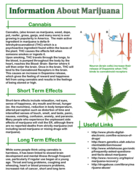
The pamphlet "Marijuana" explains the effects and risks of cannabis use. It describes THC, the psychoactive compound in cannabis, which binds to cannabinoid receptors in the brain, causing effects like relaxation, altered perception, and euphoria. Short-term effects include red eyes, hunger, and anx
...
iety, while long-term effects may involve memory loss, lung problems, and slowed brain development, especially with early and frequent use. It highlights the potential for negative impacts on mental and physical health while noting there are no direct deaths solely from marijuana use. The pamphlet provides links to resources for further information and recovery options.
more
Welcome to the Global Information System on Resources for the Prevention and Treatment of Substance Use Disorders. These pages present data collected from WHO Member States in broad categories: governance, policy and financing, service organization and delivery, human resources and national informat
...
ion systems. The latest data were collected in 2014 with the WHO Global Survey on Resources for Prevention and Treatment of Substance Use Disorders (ATLAS-SU survey). The global information system presents all available data to monitor the progress in advancing treatment coverage for substance use disorders (health target 3.5 of the Sustainable Development Goals 2030)
more
2024 GLOBAL AIDS UPDATE
Thematic briefing note

Assisted partner services, which contact partners of people with HIV and invite them for testing, are highly effective in diagnosing people unaware of their HIV status and offer a promising model for reaching the partners of people who inject drugs, a study carried out in Kenya has found. The study
...

findings are published in the May edition of Lancet Global Health.
more
The World Health Organization (WHO) provides an overview of alcohol consumption and its global impact. Alcohol, containing ethanol, is a psychoactive and toxic substance that can lead to dependence. In 2019, alcohol consumption was responsible for approximately 2.6 million deaths worldwide, with 1.6
...
million resulting from noncommunicable diseases, 700,000 from injuries, and 300,000 from communicable diseases. Men accounted for the majority of these deaths, totaling 2 million, compared to 600,000 among women. Additionally, an estimated 400 million people aged 15 and older were living with alcohol use disorders in 2019.
more
The document is a summary report by the World Health Organization (WHO) Regional Office for the Eastern Mediterranean, focusing on a capacity-building workshop held in Abu Dhabi in 2019. The workshop addressed the management and care of substance use disorders, aiming to improve technical and manage
...
rial capacities in areas such as policy development, treatment services, prevention, monitoring, and international collaboration. Participants included representatives from 12 countries, WHO collaborating centers, and other UN agencies.
more
In this entry we are looking at smoking, alcohol consumption and the use of illicit drugs. We are studying who is using these substances, how their use has changed over time, and we are presenting the estimates of their impact on health. Collectively, smoking, alcohol and illicit
...
drug use kills 11.8 million people each year. This is more than the number of deaths from all cancers
more
Best Practice Portal
recommended
The Best practice portal is designed to help you find practical and reliable information on what works (and what doesn’t) in the areas of prevention, treatment, harm reduction and social reintegration. It will help you identify tried and tested interventions quickly, allocate resources to what's e
...
ffective, and improve interventions applying tools, standards and guidelines.
more
International Journal of Drug Policy 24 (2013) e91-98
Drug Advisory Board
Drugs and age - Drugs and associated issues among young people and older people
United Nations Office on Drugs and Crime
(2018)
C2
World Drug Report 2018
-4-
Essential Drug list on page 36!!
The World Health Organization's Eastern Mediterranean Regional Office (WHO EMRO) highlights the significant health and social consequences of harmful alcohol use. Excessive alcohol consumption is linked to over 200 diseases and injuries, including liver cirrhosis, pancreatitis, various cancers, hemo
...
rrhagic stroke, and hypertension. Globally, it results in approximately 3.3 million deaths annually, surpassing fatalities from HIV/AIDS, violence, or tuberculosis. In the Eastern Mediterranean Region, while overall alcohol consumption is low, there is a concerning rise among adolescents and young adults, with patterns of heavy episodic drinking posing significant health risks. In response, the WHO has developed a global strategy to reduce the harmful use of alcohol, aiming to improve health and social outcomes by decreasing disease and death associated with alcohol consumption.
more
The report provides an overview of alcohol consumption, related health harm, and policy responses in 30 European countries (EU Member States, Norway, and Switzerland). It highlights the high levels of alcohol consumption in the WHO European Region, which contribute to a significant disease burden co
...
mpared to other regions. The report covers trends in alcohol consumption and harm between 2010 and 2016, noting some progress in reducing alcohol-attributable mortality but stagnation in consumption reduction and heavy episodic drinking.
The assessment of alcohol policies shows variability in implementation across countries, particularly in areas like pricing and reducing the negative consequences of drinking. It emphasizes the need for stronger evidence-based policies, such as better regulation, taxation, and accessibility restrictions, to further reduce alcohol-related harm and achieve health-related Sustainable Development Goals.
more
The World Health Organization (WHO) launched the SAFER initiative in 2018 to address the global health and societal challenges posed by alcohol-related harm. The initiative outlines five key strategies aimed at reducing alcohol consumption and its associated consequences. These include strengthening
...

restrictions on alcohol availability by implementing and enforcing policies to limit its accessibility and advancing drink-driving countermeasures, such as low blood alcohol concentration limits and random breath testing, to reduce alcohol-impaired driving incidents.
Additionally, SAFER emphasizes facilitating access to screening, brief interventions, and treatment for individuals with alcohol use disorders, ensuring that healthcare systems are equipped to provide effective support. Another core strategy is enforcing comprehensive bans or restrictions on alcohol advertising, sponsorship, and promotion to minimize its influence, particularly on vulnerable populations such as youth. Finally, the initiative advocates raising alcohol prices through excise taxes and pricing policies to make it less affordable and thereby reduce consumption.
By implementing these evidence-based, cost-effective measures, the SAFER initiative aims to reduce the global burden of alcohol-related deaths and disabilities, fostering healthier societies worldwide.
more
The pamphlet "Alcohol and Depressants" explains the effects of depressants, including alcohol. Depressants slow brain activity by increasing the release of inhibitory neurotransmitters like GABA, leading to effects such as sedation, decreased anxiety, and reduced heart rate. Alcohol, a legal depress
...
ant, causes short-term effects like impaired judgment, vomiting, and blackouts, while long-term use can result in alcoholism, liver disease, strokes, and cancer. Alcohol withdrawal can be life-threatening, causing seizures and heart complications. The pamphlet emphasizes the importance of safe usage and provides resources for treatment and further information.
more
Just under 2.5 million people die annually due to alcohol use. This global estimate, however, excludes most of the health burden
borne by others than the alcohol user. Alcohol’s harm to others includes a multitude of conditions, such as trauma from traffic crashes, fetal disorders due to prenatal
...
exposure to alcohol, as well as interpersonal and intimate partner violence. While alcohol’s causal role in these conditions is well-established, alcohol’s harm to others’ contribution to the overall health burden of alcohol remains unknown. This knowledge gap leads to a situation in which alcohol policy and prevention strategies largely focus on the reduction of alcohol’s detrimental health harms on the alcohol users, neglecting affected others and population groups most vulnerable to these harms, including women and children. In this article, we seek to elucidate why estimates for alcohol’s harm to others are lacking and offer guidance for future research. We also argue that a full assessment of the alcohol health burden that includes the harm caused by others’ alcohol use would enhance the visibility and public awareness of such harms, and advancing the evaluation of policy interventions to mitigate them.
more
Guidelines for treatment of drug-susceptible tuberculosisand patient care
2017 Update