
Filter
626
Text search:
Неинфекционные
заболевания
Featured
15
15
Language
Document type
258
83
83
43
35
28
25
16
14
12
10
10
8
1
Countries
355
66
16
13
9
8
8
8
5
4
4
4
3
3
2
2
2
2
2
2
2
2
1
1
1
1
1
1
1
1
1
1
1
1
1
1
1
1
1
1
1
1
1
1
1
1
Authors & Publishers
Publication Years
Category
571
56
27
17
8
3
Toolboxes
545
18
16
6
4
4
2
2
1
1
1
1
1
Type 2 diabetes mellitus (T2DM) is a chronic condition characterized by insulin resistance and an inability to properly regulate blood sugar levels. The two most important risk factors for T2DM are a family history of diabetes and obesity, though age, race, diet, and exercise level also impact risk.
...
Diabetes - Printable Poster & Tools
recommended
Printable Posters & Tools: Below are posters and tools you can use in your workplace to support people living with diabetes.
Download diabetes posters for your workplace - Handy tools to support people with diabetes - diabetes resources.
The course aims to cover the types of NCDs and risk factors, the challenges of delivering NCD services in primary health care, elements of WHO technical packages (PEN and HEARTS) for NCDs and how to adapt these packages in primary health care.
SEARO NCD PEN-HEARTS is a series of four courses with
...

Here’s an easy to follow visual guide for all you need to know about diabetes including its signs, causes, risk factors, complications and tips to manage the condition.
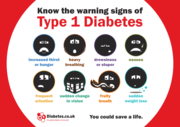
Know the warning signs of Type 1 Diabetes. You could save a life.
Contents Summary Glycemic Index Individual foods Mixed meal or diet Glycemic Load Disease Prevention Type 2 diabetes mellitus Cardiovascular disease Cancer Gallbladder disease
Contents Summary Glycemic Index Individual foods Mixed meal or diet Glycemic Load Disease Prevention Type 2 diabetes mellitus Cardiovascular disease Cancer Gallbladder disease

Contents Summary Glycemic Index Individual foods Mixed meal or diet Glycemic Load Disease Prevention Type 2 diabetes mellitus Cardiovascular disease Cancer Gallbladder disease
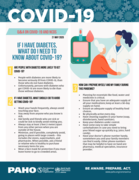
ARE PEOPLE WITH DIABETES MORE LIKELY TO GET COVID-19? People with diabetes are more likely to become seriously ill from COVID-19, than those who do not have diabetes. Unfortunately, persons with diabetes who get COVID-19 are more likely to die than those without diabetes.
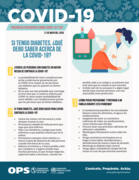
ARE PEOPLE WITH DIABETES MORE LIKELY TO GET COVID-19?
• People with diabetes are more likely to become seriously ill from COVID-19, than those who do not have diabetes.
• Unfortunately, persons with diabetes who get COVID-19 are more likely to die than those without diabetes.
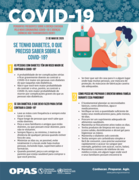
ARE PEOPLE WITH DIABETES MORE LIKELY TO GET COVID-19?
• People with diabetes are more likely to become seriously ill from COVID-19, than those who do not have diabetes.
• Unfortunately, persons with diabetes who get COVID-19 are more likely to die than those without diabetes.
What is Diabetes? Diabetes means you have too much sugar in your blood. High blood sugar problems starts when your body no longer makes enough of chemical, or hormone, called insulin.
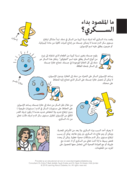
What is Diabetes? Diabetes means you have too much sugar in your blood. High blood sugar problems starts when your body no longer makes enough of chemical, or hormone, called insulin.
What is Diabetes? Diabetes means you have too much sugar in your blood. High blood sugar problems starts when your body no longer makes enough of chemical, or hormone, called insulin.
The website "Learning About Diabetes" provides easy-to-understand educational materials for people with diabetes and their families. It focuses on improving diabetes self-management through visually engaging resources, such as illustrated guides, videos, and tools. The content covers topics like blo
...
The website "Learning About Diabetes" provides easy-to-understand educational materials for people with diabetes and their families. It focuses on improving diabetes self-management through visually engaging resources, such as illustrated guides, videos, and tools. The content covers topics like blo
...
What is Diabetes? Diabetes means you have too much sugar in your blood. High blood sugar problems starts when your body no longer makes enough of chemical, or hormone, called insulin.
What is Diabetes?
Diabetes means you have too much sugar in your blood. High blood sugar problems starts when your body no longer makes enough of chemical, or hormone, called insulin.
The website "Learning About Diabetes" provides easy-to-understand educational materials for people with diabetes and their families. It focuses on improving diabetes self-management through visually engaging resources, such as illustrated guides, videos, and tools. The content covers topics like blo
...

The YouTube channel "Diabetes Africa" serves as a platform to unite healthcare professionals, entrepreneurs, and decision-makers across Africa and its diaspora with the goal of eradicating diabetes. The channel focuses on identifying and promoting innovative solutions and champions in the fight agai
...
