
Filter
2234
Text search:
Congo
Featured
218
681
Language
Document type
1140
492
196
126
108
58
46
27
17
10
8
3
3
Countries
488
152
113
111
104
101
101
93
90
84
75
74
60
55
53
48
45
42
40
39
39
36
35
28
28
25
22
22
20
19
18
16
15
15
15
14
13
13
12
12
11
11
11
10
10
10
9
9
9
8
8
7
7
6
6
6
5
5
5
5
5
4
4
4
4
4
4
4
3
3
3
3
3
3
3
3
3
3
3
3
2
2
2
2
2
2
2
2
2
2
2
2
1
1
1
1
1
1
1
1
1
1
1
1
1
1
1
1
1
1
1
1
1
1
Authors & Publishers
Publication Years
Category
715
166
164
128
114
36
15
1
Toolboxes
362
195
115
104
78
75
73
73
72
64
62
51
50
37
35
27
26
26
25
20
20
17
9
9
7
2
2
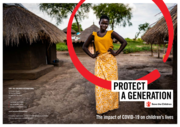
An estimated 99% of children worldwide – or more than 2.3 billion children – live in one of the 186 countries that have implemented some form of restrictions due to COVID-191. Although children are not at a high risk of direct harm from the virus, they are disproportionately affected by its hid
...
Le HCSP a fondé ses recommandations sur les connaissances actuellement disponibles en particulier les publications scientifiques relatives au COVID-19 mais aussi de recommandations relatives à la prise en charge des pneumonies post grippales, et des pneumonies sévères en réanimation.
Cet avi
...
Preparación y respuesta a la emergencia del COVID-19
Tips for Engaging Communities during COVID-19 in Low-Resource Settings, Remotely and In-Person
recommended
This brief provides key considerations for engaging communities on COVID-19 and tips for how to engage where there are movement restrictions and physical distancing measures in place, particularly in low-resource settings.
Only 8,730 asylum applications were registered in the EU+ in April, the lowest since at least 2008, and a massive 87% decrease from pre-COVID-19 levels in January and February.
The European Asylum Support Office (EASO) has released a special report which shows that the COVID-19 related travel restr
...
This document has been developed for the WHO Regional Office for the Eastern Mediterranean to establish a regional plan of action to support the countries of the Region to rapidly accelerate the scaling up of their capacities for the prevention and early detection of, and
...
This is a short technical brief with important steps and resources on how country programs can track and address rumors around COVID-19 (as needed). The guide includes a number of great resources and links while also sharing nuggets from global, collective thinking around rumors.

Coronavirus Disease-19 (COVID-19) was declared a global pandemic on 11 March 2020, and Malawi declared its first case on 2 April. As of 30 April, there were 36 confirmed positive cases of COVID-19 and 3 deaths. A State of Disaster was declared by President Arthur Peter Mutharika on 20 March and a 21
...
How should humanitarian organisations prepare and respond to COVID-19 in humanitarian settings in low- and middle-income countries?
This Rapid Learning Review outlines 14 actions, insights and ideas for humanitarian actors to consider in their COVID-19 responses. It summarises and synthesises the
...
Une liste de 40 questions clés visant à aider les gouvernements à veiller au respect des droits humains dans leurs réponses à la pandémie
The equation is simple: we cannot effectively respond to a global pandemic when millions of people are still caught in warzones. We cannot treat sick people when hospitals are being bombed, or prevent the spread of coronavirus when tens of millions are forced to flee from violence. We must have a gl
...
Nos enfrentamos a la mayor desaceleración económica de la que se tenga memoria. El sistema humanitario se está preparando para un drástico aumento de los conflictos, la inseguridad alimentaria y la pobreza a medida que las economías se contraen y desaparecen los ingresos por exportaciones, las
...
It is too early to know the full impact of COVID-19 on Africa. To date the experience has been varied. There are causes for concern, but also reasons for hope. Early estimates were pessimistic regarding the pandemic’s impact on the continent. But the relatively low numbers of COVID-19 cases report
...

This guidance note is meant to assist humanitarian actors, youth-led organizations, and young people themselves across sectors, working at local, country, regional, and global levels in their response to the novel coronavirus pandemic. It begins diagnostically, exploring the impacts of coronavirus d
...
Monitoring and evaluation framework
recommended
COVID‑19 strategic preparedness and response
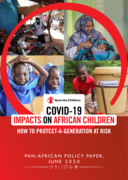
This policy paper underscores that, although children do not represent a high-risk group for direct COVID-19 fatality, the pandemic posts far-reaching secondary impacts that heighten risks to African children’s rights and wellbeing.

Physical distancing measures are important to reduce COVID-19 transmission. However, when stringently applied, they can result in negative health and socio-economic impacts. This report draws on a rapid review of available literature, case studies from across Africa and expert knowledge to make reco
...
Guiding the work of medica mondiale is an attitude of sensitivity towards both trauma and stress.
This stress- and trauma-sensitive approach has a strengthening and relieving effect on the affected
people and also the activists, specialist staff and working groups. For medica mondiale, trauma as a
...
