Filter
2256
Text search:
socioeconomic
factors
Featured
187
571
Language
2213
54
48
33
23
16
13
4
4
1
1
1
1
1
1
1
Document type
1154
592
199
127
115
30
19
9
4
2
2
1
1
Countries
147
86
65
52
49
48
46
41
38
38
37
35
35
34
33
33
31
31
29
29
26
20
20
20
20
19
17
16
15
15
15
14
13
11
10
10
10
9
9
8
8
8
7
7
7
6
6
6
6
6
6
6
6
5
5
5
5
5
5
5
4
4
4
3
3
3
3
3
3
2
2
2
2
2
2
2
2
2
2
2
2
2
2
2
2
2
2
2
2
1
1
1
1
1
1
1
1
1
1
1
1
1
1
1
1
1
1
1
1
1
1
1
1
1
1
1
Authors & Publishers
319
107
95
72
65
30
28
28
26
25
22
21
19
15
14
14
13
13
12
11
11
10
10
9
9
9
8
8
8
7
7
7
7
6
6
6
6
6
6
6
6
6
5
5
5
5
5
5
5
5
5
5
5
4
4
4
4
4
4
4
4
4
4
4
4
4
4
4
4
4
4
4
4
4
4
4
4
3
3
3
3
3
3
3
3
3
3
3
3
3
3
3
3
3
3
3
3
3
3
3
3
3
3
3
3
3
3
3
3
3
3
3
3
3
3
3
3
3
3
3
3
3
3
3
3
3
3
3
3
3
3
3
3
3
3
3
3
3
2
2
2
2
2
2
2
2
2
2
2
2
2
2
2
2
2
2
2
2
2
2
2
2
2
2
2
2
2
2
2
2
2
2
2
2
2
2
2
2
2
2
2
2
2
2
2
2
2
2
2
2
2
2
2
2
2
2
2
2
2
2
2
2
2
2
2
2
2
2
2
2
2
2
2
2
2
2
2
2
2
2
2
2
2
2
2
2
2
2
2
2
2
2
2
2
2
2
2
2
2
2
2
2
2
2
2
2
2
2
2
2
2
2
2
2
2
2
2
2
2
2
2
2
2
2
2
2
2
2
2
2
2
2
2
2
2
2
2
2
2
2
2
2
2
1
1
1
1
1
1
1
1
1
1
1
1
1
1
1
1
1
1
1
1
1
1
1
1
1
1
1
1
1
1
1
1
1
1
1
1
1
1
1
1
1
1
1
1
1
1
1
1
1
1
1
1
1
1
1
1
1
1
1
1
1
1
1
1
1
1
1
1
1
1
1
1
1
1
1
1
1
1
1
1
1
1
1
1
1
1
1
1
1
1
1
1
1
1
1
1
1
1
1
1
1
1
1
1
1
1
1
1
1
1
1
1
1
1
1
1
1
1
1
1
1
1
1
1
1
1
1
1
1
1
1
1
1
1
1
1
1
1
1
1
1
1
1
1
1
1
1
1
1
1
1
1
1
1
1
1
1
1
1
1
1
1
1
1
1
1
1
1
1
1
1
1
1
1
1
1
1
1
1
1
1
1
1
1
1
1
1
1
1
1
1
1
1
1
1
1
1
1
1
1
1
1
1
1
1
1
1
1
1
1
1
1
1
1
1
1
1
1
1
1
1
1
1
1
1
1
1
1
1
1
1
1
1
1
1
1
1
1
1
1
1
1
1
1
1
1
1
1
1
1
1
1
1
1
1
1
1
1
1
1
1
1
1
1
1
1
1
1
1
1
1
1
1
1
1
1
1
1
1
1
1
1
1
1
1
1
1
1
1
1
1
1
1
1
1
1
1
1
1
1
1
1
1
1
1
1
1
1
1
1
1
1
1
1
1
1
1
1
1
1
1
1
1
1
1
1
1
1
1
1
1
1
1
1
1
1
1
1
1
1
1
1
1
1
1
1
1
1
1
1
1
1
1
1
1
1
1
1
1
1
1
1
1
1
1
1
1
1
1
1
1
1
1
1
1
1
1
1
1
1
1
1
1
1
1
1
1
1
1
1
1
1
1
1
1
1
1
1
1
1
1
1
1
1
1
1
1
1
1
1
1
1
1
1
1
1
1
1
1
1
1
1
1
1
1
1
1
1
1
1
1
1
1
1
1
1
1
1
1
1
1
1
1
1
1
1
1
1
1
1
1
1
1
1
1
1
1
1
1
1
1
1
1
1
1
1
1
1
1
1
1
1
1
1
1
1
1
1
1
1
1
1
1
1
1
1
1
1
1
1
1
1
1
1
1
1
1
1
1
1
1
1
1
1
1
1
1
1
1
1
1
1
1
1
1
1
1
1
1
1
1
1
1
1
1
1
1
1
1
1
1
1
1
1
1
1
1
1
1
1
1
1
1
1
1
1
1
1
1
1
1
1
1
1
1
1
1
1
1
1
1
1
1
1
1
1
1
1
1
1
1
1
1
1
1
1
1
1
1
1
1
1
1
1
1
1
1
1
1
1
1
1
1
1
1
1
1
1
1
1
1
1
1
1
1
1
1
1
1
1
1
1
1
1
1
1
1
1
1
1
1
1
1
1
1
1
1
1
1
1
1
1
1
1
1
1
1
1
1
1
1
1
1
1
1
1
1
1
1
1
1
1
1
1
1
1
1
1
1
1
1
1
1
1
1
1
1
1
1
1
1
1
1
1
1
1
1
1
1
1
1
1
1
1
1
1
1
1
1
1
1
1
1
1
1
1
1
1
1
1
1
1
1
1
1
1
1
1
1
1
1
1
1
1
1
1
1
1
1
1
1
1
1
1
1
1
1
1
1
1
1
1
1
1
1
1
1
1
1
1
1
1
1
1
1
1
1
1
1
1
1
1
1
1
1
1
1
1
1
1
1
1
1
1
1
1
1
1
1
1
1
1
1
1
1
1
1
1
1
1
1
1
1
1
1
1
1
1
1
1
1
1
1
1
1
1
1
1
1
1
1
1
1
1
1
1
1
1
1
1
1
1
1
1
1
1
1
1
1
1
1
1
1
1
1
1
1
1
1
1
1
1
1
1
1
1
1
1
1
1
1
1
1
1
1
1
1
1
1
1
1
1
1
1
1
1
1
1
1
1
1
1
1
1
1
1
1
1
1
1
1
1
1
1
1
1
1
1
1
1
1
1
1
1
1
1
1
1
1
1
1
1
1
1
1
1
1
1
1
1
1
1
1
1
1
1
1
1
1
1
1
1
1
1
1
1
1
1
1
1
1
1
1
1
1
1
1
1
1
1
1
1
1
1
1
1
1
1
1
1
1
1
1
1
1
1
1
1
1
1
1
1
1
1
1
1
1
1
1
1
1
1
1
1
1
1
1
1
1
1
1
1
1
1
1
1
1
1
1
1
1
1
1
1
1
1
1
1
1
1
1
1
1
1
1
1
1
1
1
1
1
1
1
1
1
1
1
1
1
1
1
1
1
1
1
1
1
1
1
1
1
1
1
1
1
1
1
1
1
1
1
1
1
1
1
1
1
1
1
1
1
1
1
1
1
1
1
1
1
1
1
1
1
1
1
1
1
1
1
1
1
1
1
1
1
1
1
1
1
1
1
1
1
1
1
1
1
1
1
1
1
1
1
1
1
1
1
1
1
1
1
1
1
1
1
1
1
1
1
1
1
1
1
1
1
1
1
1
1
1
1
1
1
1
1
1
1
1
1
1
1
1
1
1
1
1
1
1
1
1
1
1
1
1
1
1
1
1
1
1
1
1
1
1
1
1
1
1
1
1
1
1
1
1
1
1
1
1
1
1
1
1
1
1
1
1
1
1
1
1
1
1
1
1
1
1
1
1
1
1
1
1
1
1
1
1
1
1
1
1
1
1
1
1
1
1
1
1
1
1
1
1
1
1
1
1
1
1
1
1
1
1
1
1
1
1
1
1
1
1
1
1
1
1
1
1
1
1
1
1
1
1
1
1
1
1
1
1
1
1
1
1
1
1
1
1
1
1
1
1
1
1
1
1
1
1
1
1
1
1
1
1
1
1
1
1
1
1
1
1
1
1
1
1
1
1
1
1
1
1
1
1
1
1
1
1
1
1
1
1
1
1
1
1
1
1
1
1
1
1
1
1
1
1
1
1
1
1
1
1
1
1
1
1
1
1
1
1
1
1
1
1
1
1
1
1
1
1
1
1
1
1
1
1
1
1
1
1
1
1
1
1
1
1
1
1
1
1
1
1
1
1
1
1
1
1
1
1
1
1
1
1
1
1
1
1
1
1
1
1
1
1
1
1
1
1
1
1
1
1
1
1
1
1
1
1
1
1
1
1
1
1
1
1
1
1
1
1
1
1
1
1
1
1
1
1
1
1
1
1
1
1
1
1
1
1
1
1
1
1
1
1
1
1
1
1
1
1
1
1
1
1
1
1
1
1
1
1
1
1
1
1
1
1
1
1
1
1
1
1
1
1
1
1
1
1
1
1
1
1
1
1
1
1
1
1
1
1
1
1
1
1
1
1
1
1
1
1
1
1
1
1
1
1
1
1
1
1
1
1
1
1
1
1
1
1
1
1
1
1
1
1
1
1
1
1
1
1
1
1
1
1
1
1
1
1
1
1
1
1
1
1
1
1
1
1
1
1
1
1
1
1
1
1
1
1
1
1
1
1
1
1
1
1
1
1
1
1
1
1
1
1
1
1
1
1
1
1
1
1
1
1
1
1
1
1
1
1
1
1
1
1
1
1
1
1
1
1
1
1
1
1
1
1
1
1
1
1
1
1
1
1
1
1
1
1
1
1
1
1
1
1
1
1
1
1
1
1
1
1
1
1
1
1
1
1
1
1
1
1
1
1
1
1
1
1
1
1
1
1
1
1
1
1
1
1
1
1
1
1
1
1
1
1
1
1
1
1
1
1
1
1
1
1
1
1
1
1
1
1
1
1
1
1
1
1
1
1
1
1
1
1
1
1
1
1
1
1
1
1
1
1
1
1
1
1
1
1
1
1
1
1
1
1
1
1
1
1
1
1
1
1
1
1
1
1
1
1
1
1
1
1
1
1
1
1
1
1
1
1
1
1
1
1
1
1
1
1
1
1
1
1
1
1
1
1
1
1
1
1
1
1
1
1
1
1
1
1
1
1
1
1
1
1
1
1
1
1
1
1
1
1
1
1
1
1
1
1
1
1
1
1
1
1
1
1
1
1
1
1
1
1
1
1
1
1
1
1
1
1
1
1
1
1
1
1
1
1
1
1
1
1
1
1
1
1
1
1
1
1
1
1
1
1
1
1
1
1
1
1
1
1
1
1
1
1
1
1
1
1
1
1
1
1
1
1
1
1
1
1
1
1
1
1
1
1
1
1
1
1
1
1
1
1
1
1
1
1
1
1
1
1
1
1
1
1
1
1
1
1
1
1
1
1
1
1
1
1
1
1
1
1
1
1
1
1
1
1
1
1
1
1
1
1
1
1
1
1
1
1
1
1
1
1
1
1
1
1
1
1
1
1
1
1
1
1
1
1
1
1
1
1
Publication Years
741
1345
164
5
1
Category
849
205
136
114
107
32
8
Toolboxes
226
185
142
125
110
95
74
70
54
53
51
46
35
32
32
29
28
19
16
10
10
8
7
4
3
World J Meta-Anal. Aug 26, 2017; 5(4): 103-123
Published online Aug 26, 2017. doi: 10.13105/wjma.v5.i4.103

This treatment guideline is intended to assist clinicians in the Behavioral Health department in treatment planning and service delivery for patients with Post Traumatic Stress Disorder (PTSD). It may also assist clinicians treating patients who have some of the signs and symptoms of PTSD but who do
...
not meet the full criteria of PTSD. The treatment guideline is not intended to cover every aspect of clinical practice, but to focus specifically on the treatment models and modalities that clinicians in our outpatient treatment setting could provide. These guidelines were developed through a process of literature review and discussion amongst clinicians in the Behavioral Health department and represent a consensus recommendation for service provision for this disorder. The guideline is intended to inform both clinical and administrative practices with the explicit goals of outlining treatment that is: effective, efficient, culturally relevant and acceptable to clinicians, program managers, and patients.
more
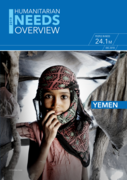
The humanitarian crisis in Yemen remains the worst in the world. Nearly four years of conflict and severe economic decline are driving the country to the brink of famine and exacerbating needs in all sectors. An estimated 80 per cent of the population – 24 million people – require some form of h
...
umanitarian or protection assistance, including 14.3 million who are in acute need. Severity of needs is deepening, with the number of people in acute need a staggering 27 per cent higher than last year. Two-thirds of all districts in the country are already pre-famine, and one-third face a convergence of multiple acute vulnerabilities
more
Report of the Global Thematic Consultation on Population Dynamics
An output of a series of workshops on psychosocial support held in 2004-2005 by the Bernard van Leer Foundation and the Coalition on Children Affected by AIDS. Authors Linda Richter, Geoff Foster and Lorraine Sherr discuss the issues surrounding psychosocial care and support for children made vulner
...
able by the HIV/AIDS pandemic and make recommendations for future priorities and programming directions. Includes the ""Call To Action"" for Toronto 2006.
more
The International Rescue Committee (IRC) and the United Nations Children’s Fund (UNICEF) have newly developed "Caring for Child Survivors of Sexual Abuse Guidelines" for health and psychosocial providers in humanitarian settings - “CCS Guidelines”. The CCS Guidelines are based on global resear
...
ch and evidence-based field practice, and bring a much-needed fresh and practical approach to helping child survivors, and their families, recover and heal from the oftentimes devastating impacts of sexual abuse. The guidelines walk the reader through the core knowledge, attitude and skill competencies required for service providers to effectively care for children and families affected by sexual abuse. In addition, the guidelines outline how to provide case management and basic psychosocial care for child survivors, as well as best practices for coordinating care.
more

Background: Post-Traumatic Stress Disorder (PTSD) develops following some stressful events. There has been increasing recognition that children who have been exposed to traumatic events like child sexual abuse can develop post-traumatic stress disorder just like adults.
Objective: To determine prev
...
alence of PTSD in sexually abused children seen at the Gender Based Violence Recovery Centre at Kenyatta National Hospital.
Design: A cross sectional descriptive study.
Setting: Gender Based Violence Recovery Centre – Kenyatta National Hospital. Subjects One hundred and forty-nine (n = 149) sexually abused children were recruited in the study.
more
Children and adolescents treated for post-traumatic stress disorder at the Free State Psychiatric Complex
Calitz, F.J., de Jongh, N.J., Horn, A., Nel, M.L. & Joubert, G.
South African Journal of Psychology
(2014)
CC
Background. Children and adolescents can develop post-traumatic stress disorder (PTSD) after exposure to a range of traumatic events, including domestic, political or community violence, violent crime, physical and sexual abuse, hijacking, witnessing a violent crime and motor vehicle accidents. This
...
is particularly critical given the substantial challenge that PTSD poses to the healthy physical, cognitive and emotional development of children and adolescents.
more
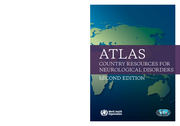
Atlas - Country Resources for neurological disorders
World Health Organization, WFN
(2017)
C_WHO
Second edition
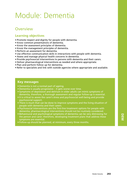
mhGAP Training Manual for the mhGAP Intervention Guide for mental, neurological and substance use disorders in non-specialized health settings – version 2.0 (for field testing)
Accessed 06.03.2019
This compendium collates current tools and resources on quality improvement developed by the WHO Service Delivery and Safety Department and provides examples of how the tools and resources have been applied in country settings. The target audience for this document are ministries of health, facility
...
quality improvement teams, researchers and development agencies. WHO technical programmes, regional and country offices can also use the document in their technical cooperation work with the identified audience. Those working to improve the quality of health service delivery can also make good use of this resource
more
Atlas - Multiple Sclerosis resources in the world
World Health Organization; Multiple Sclerosis international federation
(2008)
C_WHO
Much remains unknown about displaced communities in out-of-camp areas as identification constraints hinder knowledge on the overall situation and preeminent needs of an area. When compared to regularly monitored in-camp populations, less is known about the health, sanitation, livelihoods, food secur
...
ity, nutritional status, protection situation, and school attainment of out-of-camp populations.
more
PLoS Med 15(7): e1002615. https://doi.org/10.1371/journal. pmed.1002615
Developmental Disabilities
Institute of Medicine (US); Committee on Nervous System Disorders in Developing Countries; National Academy of Sciences
(2001)
C2
Neurological, Psychiatric, and Developmental Disorders: Meeting the Challenge in the Developing World
Institute of Medicine (US) Committee on Nervous System Disorders in Developing Countries.
Washington (DC): National Academies Press (US); 2001.