
Filter
1706
Text search:
facts
Featured
164
400
Language
Document type
889
251
173
123
99
63
45
15
12
10
9
9
4
2
1
Countries
93
62
37
37
34
34
33
33
29
28
27
27
25
24
21
20
20
19
19
16
14
14
12
12
11
10
10
10
10
9
9
9
9
9
8
8
8
8
8
8
8
7
7
7
7
6
5
5
5
5
5
4
4
4
4
4
4
4
4
4
3
3
3
3
3
3
3
3
3
3
3
2
2
2
2
2
2
2
2
2
2
2
2
2
2
2
2
2
2
2
1
1
1
1
1
1
1
1
1
1
1
1
1
1
1
1
1
1
1
1
1
1
1
1
1
1
1
1
1
1
Authors & Publishers
Publication Years
Category
534
121
109
108
99
83
8
Toolboxes
194
173
98
72
65
59
56
52
46
44
44
37
33
30
26
26
25
17
17
15
14
10
9
9
2
1
The lack of an African research ethics framework during epidemic emergencies (EE) has been a glaring concern
amongst African scholars for decades. In the context of major public health emergencies of continental and global health concern over the last five years, such as Ebola in 2019, COVID in 202
...
The COVID-19 Supply Portal is a purpose-built tool to facilitate national authorities and all implementing partners supporting COVID-19 National Action Plans to request critical supplies.
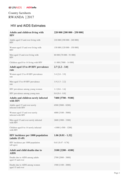
Accessed August 2018
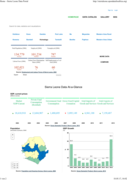
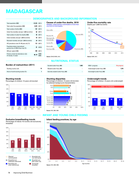
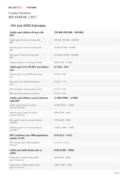
Accessed online August 2018
Leitbegriffe der Gesundheitsförderung und Prävention: Glossar zu Konzepten, Strategien und Methoden
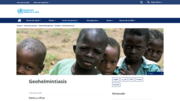
Las geohelmintiasis son una de las parasitosis más comunes en el mundo, y se estima que 1500 millones de personas, el 24 % de la población mundial, están infestadas. Estas infestaciones afectan a las comunidades más pobres y desfavorecidas de zonas tropicales y subtropicales con un acceso defici
...
Les géohelminthiases comptent parmi les infections les plus courantes dans le monde, plus de 1,5 milliard de personnes, soit près de 24 % de la population mondiale, étant infestées à l’échelle mondiale. Ces infections touchent les communautés les plus pauvres et les plus défavorisées ayan
...
Передающиеся через почву гельминтозы (ППГ) относятся к наиболее распространенным инвазиям во всем мире и, согласно расчетам, поражают 1,5 млрд человек, или 24% мировоÐ
...
عد عدوى الديدان الطفيلية المنقولة بالتربة من بين أكثر أنواع العدوى شيوعاً في العالم، مع وجود ما يقدّر بـ1,5 مليار شخص مصاب بها في جميع أنحاء العالم، أو ما يعادل 24٪ من Ø
...
What countries need: Investments needed for 2010 targets
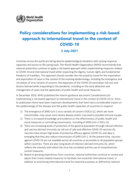
Countries across the world are facing diverse epidemiological situations with varying response
capacities and access to life saving tools. The World Health Organization (WHO) recommends that national authorities continue to apply a risk-based approach when implementing measures related to COVID-19
...
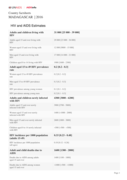
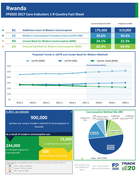
Explore 2016-17 estimates of FP2020 Core Indicators in these country Summary Sheets produced by FP2020 and Track20.
Enfrentando la enfermedad de Alzheimer en los países en desarrollo.
Rev Neuropsiquiatr 80 (2), 2017 (P. 105-110)
Recibido: 03/02/2017 Aceptado: 12/06/2017
7 February 2019
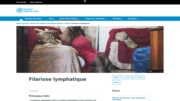
La filariose lymphatique, communément appelée éléphantiasis, est une maladie tropicale négligée. L’infection se produit lorsque les parasites filaires responsables de la maladie sont transmis à l’homme par des moustiques. Généralement contractée dans l’enfance, cette infection provoq
...
Les pays du monde entier sont confrontés à des situations épidémiologiques diverses, et disposent de capacités de réaction différentes et d’un accès inégal aux outils permettant de sauver des vies. L’Organisation mondiale de la Santé (OMS) recommande aux autorités nationales de contin
...
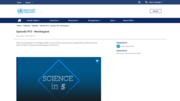
What are the symptoms of monkeypox? Who is at risk and how can we protect ourselves? Why is WHO concerned about it? WHO’s Dr Rosamund Lewis explains in Science in 5.
