
Filter
4511
Text search:
infected
Featured
509
1120
Language
4252
140
138
96
63
55
39
35
14
9
8
8
7
7
6
6
6
6
5
5
5
5
4
4
4
3
3
3
3
3
3
3
3
2
2
2
2
2
2
2
2
2
1
1
1
1
1
1
1
1
1
1
1
1
1
1
1
1
1
1
1
1
1
1
1
1
Document type
2201
778
698
232
201
137
111
45
37
22
22
11
10
2
1
Countries
247
167
159
144
121
113
92
90
86
83
82
76
66
62
59
58
57
55
52
51
48
40
40
39
37
36
35
35
34
33
33
31
29
26
26
24
24
23
21
21
21
18
17
16
16
16
15
15
14
13
13
13
12
12
10
10
9
9
9
9
8
8
8
7
7
7
7
6
6
6
6
6
5
5
5
5
5
5
4
4
4
4
4
4
3
3
3
3
3
3
3
3
3
3
2
2
2
2
2
2
2
2
2
2
2
2
2
1
1
1
1
1
1
1
1
1
1
1
1
1
1
1
1
1
1
1
1
1
1
1
1
Authors & Publishers
642
235
144
124
88
87
76
73
65
59
49
41
40
38
32
32
31
30
26
25
24
23
21
19
19
19
16
16
16
16
15
15
15
14
14
14
14
14
13
13
13
12
12
12
12
12
12
12
12
12
11
11
11
11
11
10
10
10
10
10
10
10
9
9
9
9
9
8
8
8
8
8
8
8
8
8
8
8
8
7
7
7
7
7
7
7
7
7
7
6
6
6
6
6
6
6
6
6
6
6
6
6
6
6
6
6
6
6
6
6
6
6
6
5
5
5
5
5
5
5
5
5
5
5
5
5
5
5
5
5
5
5
5
5
5
5
5
5
4
4
4
4
4
4
4
4
4
4
4
4
4
4
4
4
4
4
4
4
4
4
4
4
4
4
4
4
4
4
4
4
4
4
4
4
4
4
4
4
4
4
4
4
4
4
4
4
4
4
4
4
3
3
3
3
3
3
3
3
3
3
3
3
3
3
3
3
3
3
3
3
3
3
3
3
3
3
3
3
3
3
3
3
3
3
3
3
3
3
3
3
3
3
3
3
3
3
3
3
3
3
3
3
3
3
3
3
3
3
3
3
3
3
3
3
3
3
3
3
3
3
3
3
3
3
3
3
3
3
3
3
3
3
3
3
3
3
3
3
3
3
3
3
3
3
3
2
2
2
2
2
2
2
2
2
2
2
2
2
2
2
2
2
2
2
2
2
2
2
2
2
2
2
2
2
2
2
2
2
2
2
2
2
2
2
2
2
2
2
2
2
2
2
2
2
2
2
2
2
2
2
2
2
2
2
2
2
2
2
2
2
2
2
2
2
2
2
2
2
2
2
2
2
2
2
2
2
2
2
2
2
2
2
2
2
2
2
2
2
2
2
2
2
2
2
2
2
2
2
2
2
2
2
2
2
2
2
2
2
2
2
2
2
2
2
2
2
2
2
2
2
2
2
2
2
2
2
2
2
2
2
2
2
2
2
2
2
2
2
2
2
2
2
2
2
2
2
2
2
2
2
2
2
2
2
2
2
2
2
2
2
2
2
2
2
2
2
2
2
2
2
2
2
2
2
2
2
2
2
2
2
2
2
2
2
2
2
2
2
2
2
2
2
2
2
2
2
2
2
2
2
2
2
2
2
2
2
2
2
2
2
2
2
2
2
2
2
2
2
2
2
2
2
2
2
2
2
2
2
2
2
2
2
2
2
2
1
1
1
1
1
1
1
1
1
1
1
1
1
1
1
1
1
1
1
1
1
1
1
1
1
1
1
1
1
1
1
1
1
1
1
1
1
1
1
1
1
1
1
1
1
1
1
1
1
1
1
1
1
1
1
1
1
1
1
1
1
1
1
1
1
1
1
1
1
1
1
1
1
1
1
1
1
1
1
1
1
1
1
1
1
1
1
1
1
1
1
1
1
1
1
1
1
1
1
1
1
1
1
1
1
1
1
1
1
1
1
1
1
1
1
1
1
1
1
1
1
1
1
1
1
1
1
1
1
1
1
1
1
1
1
1
1
1
1
1
1
1
1
1
1
1
1
1
1
1
1
1
1
1
1
1
1
1
1
1
1
1
1
1
1
1
1
1
1
1
1
1
1
1
1
1
1
1
1
1
1
1
1
1
1
1
1
1
1
1
1
1
1
1
1
1
1
1
1
1
1
1
1
1
1
1
1
1
1
1
1
1
1
1
1
1
1
1
1
1
1
1
1
1
1
1
1
1
1
1
1
1
1
1
1
1
1
1
1
1
1
1
1
1
1
1
1
1
1
1
1
1
1
1
1
1
1
1
1
1
1
1
1
1
1
1
1
1
1
1
1
1
1
1
1
1
1
1
1
1
1
1
1
1
1
1
1
1
1
1
1
1
1
1
1
1
1
1
1
1
1
1
1
1
1
1
1
1
1
1
1
1
1
1
1
1
1
1
1
1
1
1
1
1
1
1
1
1
1
1
1
1
1
1
1
1
1
1
1
1
1
1
1
1
1
1
1
1
1
1
1
1
1
1
1
1
1
1
1
1
1
1
1
1
1
1
1
1
1
1
1
1
1
1
1
1
1
1
1
1
1
1
1
1
1
1
1
1
1
1
1
1
1
1
1
1
1
1
1
1
1
1
1
1
1
1
1
1
1
1
1
1
1
1
1
1
1
1
1
1
1
1
1
1
1
1
1
1
1
1
1
1
1
1
1
1
1
1
1
1
1
1
1
1
1
1
1
1
1
1
1
1
1
1
1
1
1
1
1
1
1
1
1
1
1
1
1
1
1
1
1
1
1
1
1
1
1
1
1
1
1
1
1
1
1
1
1
1
1
1
1
1
1
1
1
1
1
1
1
1
1
1
1
1
1
1
1
1
1
1
1
1
1
1
1
1
1
1
1
1
1
1
1
1
1
1
1
1
1
1
1
1
1
1
1
1
1
1
1
1
1
1
1
1
1
1
1
1
1
1
1
1
1
1
1
1
1
1
1
1
1
1
1
1
1
1
1
1
1
1
1
1
1
1
1
1
1
1
1
1
1
1
1
1
1
1
1
1
1
1
1
1
1
1
1
1
1
1
1
1
1
1
1
1
1
1
1
1
1
1
1
1
1
1
1
1
1
1
1
1
1
1
1
1
1
1
1
1
1
1
1
1
1
1
1
1
1
1
1
1
1
1
1
1
1
1
1
1
1
1
1
1
1
1
1
1
1
1
1
1
1
1
1
1
1
1
1
1
1
1
1
1
1
1
1
1
1
1
1
1
1
1
1
1
1
1
1
1
1
1
1
1
1
1
1
1
1
1
1
1
1
1
1
1
1
1
1
1
1
1
1
1
1
1
1
1
1
1
1
1
1
1
1
1
1
1
1
1
1
1
1
1
1
1
1
1
1
1
1
1
1
1
1
1
1
1
1
1
1
1
1
1
1
1
1
1
1
1
1
1
1
1
1
1
1
1
1
1
1
1
1
1
1
1
1
1
1
1
1
1
1
1
1
1
1
1
1
1
1
1
1
1
1
1
1
1
1
1
1
1
1
1
1
1
1
1
1
1
1
1
1
1
1
1
1
1
1
1
1
1
1
1
1
1
1
1
1
1
1
1
1
1
1
1
1
1
1
1
1
1
1
1
1
1
1
1
1
1
1
1
1
1
1
1
1
1
1
1
1
1
1
1
1
1
1
1
1
1
1
1
1
1
1
1
1
1
1
1
1
1
1
1
1
1
1
1
1
1
1
1
1
1
1
1
1
1
1
1
1
1
1
1
1
1
1
1
1
1
1
1
1
1
1
1
1
1
1
1
1
1
1
1
1
1
1
1
1
1
1
1
1
1
1
1
1
1
1
1
1
1
1
1
1
1
1
1
1
1
1
1
1
1
1
1
1
1
1
1
1
1
1
1
1
1
1
1
1
1
1
1
1
1
1
1
1
1
1
1
1
1
1
1
1
1
1
1
1
1
1
1
1
1
1
1
1
1
1
1
1
1
1
1
1
1
1
1
1
1
1
1
1
1
1
1
1
1
1
1
1
1
1
1
1
1
1
1
1
1
1
1
1
1
1
1
1
1
1
1
1
1
1
1
1
1
1
1
1
1
1
1
1
1
1
1
1
1
1
1
1
1
1
1
1
1
1
1
1
1
1
1
1
1
1
1
1
1
1
1
1
1
1
1
1
1
1
1
1
1
1
1
1
1
1
1
1
1
1
1
1
1
1
1
1
1
1
1
1
1
1
1
1
1
1
1
1
1
1
1
1
1
1
1
1
1
1
1
1
1
1
1
1
1
1
1
1
1
1
1
1
1
1
1
1
1
1
1
1
1
1
1
1
1
1
1
1
1
1
1
1
1
1
1
1
1
1
1
1
1
1
1
1
1
1
1
1
1
1
1
1
1
1
1
1
1
1
1
1
1
1
1
1
1
1
1
1
1
1
1
1
1
1
1
1
1
1
1
1
1
1
1
1
1
1
1
1
1
1
1
1
1
1
1
1
1
1
1
1
1
1
1
1
1
1
1
1
1
1
1
1
1
1
1
1
1
1
1
1
1
1
1
1
1
1
1
1
1
1
1
1
1
1
1
1
1
1
1
1
1
1
1
1
1
1
1
1
1
1
1
1
1
1
1
1
1
1
1
1
1
1
1
1
1
1
1
1
1
1
1
1
1
1
1
1
1
1
1
1
1
1
1
1
1
1
1
1
1
1
1
1
1
1
1
1
1
1
1
1
1
1
1
1
1
1
1
1
1
1
1
1
1
1
1
1
1
1
1
1
1
1
1
1
1
1
1
1
1
1
1
1
1
1
1
1
1
1
1
1
1
1
1
1
1
1
1
1
1
1
1
1
1
1
1
1
1
1
1
1
1
1
1
1
1
1
1
1
1
1
1
1
1
1
1
1
1
1
1
1
1
1
1
1
1
1
1
1
1
1
1
1
1
1
1
1
1
1
1
1
1
1
1
1
1
1
1
1
1
1
1
1
1
1
1
1
1
1
1
1
1
1
1
1
1
1
1
1
1
1
1
1
1
1
1
1
1
1
1
1
1
1
1
1
1
1
1
1
1
1
1
1
1
1
1
1
1
1
1
1
1
1
1
1
1
1
1
1
1
1
1
1
1
1
1
1
1
1
1
1
1
1
1
1
1
1
1
1
1
1
1
1
1
1
1
1
1
1
1
1
1
1
1
1
1
1
1
1
1
1
1
1
1
1
1
1
1
1
1
1
1
1
1
1
1
1
1
1
1
1
1
1
1
1
1
1
1
1
1
1
1
1
1
1
1
1
1
1
1
1
1
1
1
1
1
1
1
1
1
1
1
1
1
1
1
1
1
1
1
1
1
1
1
1
1
1
1
1
1
1
1
1
1
1
1
1
1
1
1
1
1
1
1
1
1
1
1
1
1
1
1
1
1
1
1
1
1
1
1
1
1
1
1
1
1
1
1
1
1
1
1
1
1
1
1
1
1
1
1
1
1
1
1
1
1
1
1
1
1
1
1
1
1
1
1
1
1
1
1
1
1
1
1
1
1
1
1
1
1
1
1
1
1
1
1
1
1
1
1
1
1
1
1
1
1
1
1
1
1
1
1
1
1
1
1
1
1
1
1
1
1
1
1
1
1
1
1
1
1
1
1
1
1
1
1
1
1
1
1
1
1
1
1
1
1
1
1
1
1
1
1
1
1
1
1
1
1
1
1
1
1
1
1
1
1
1
1
1
1
1
1
1
1
1
1
1
1
1
1
1
1
1
1
1
1
1
1
1
1
1
1
1
1
1
1
1
1
1
1
1
1
1
1
1
1
1
1
1
1
1
1
1
1
1
1
1
1
1
1
1
1
1
1
1
1
1
1
1
1
1
1
1
1
1
1
1
1
1
1
1
1
1
1
1
1
1
1
1
1
1
1
1
1
1
1
1
1
1
1
1
1
1
1
1
1
1
1
1
1
1
1
1
1
1
1
1
1
1
1
1
1
1
1
1
1
1
1
1
1
1
1
1
1
1
1
1
1
1
1
1
1
1
1
1
1
1
1
1
1
1
1
1
1
1
1
1
1
1
1
1
1
1
1
1
1
1
1
1
1
1
1
1
1
1
1
1
1
1
1
1
1
1
1
1
1
1
1
1
1
1
1
1
1
1
1
1
1
1
1
1
1
1
1
1
1
1
1
1
1
1
1
1
1
1
1
1
1
1
1
1
1
1
1
1
1
1
1
1
1
1
1
1
1
1
1
1
1
1
1
1
1
1
1
1
1
1
1
1
1
1
1
1
1
1
1
1
1
1
1
1
1
1
1
1
1
1
1
1
1
1
1
1
1
1
1
1
1
1
1
1
1
1
1
1
1
1
1
1
1
1
1
1
1
1
1
1
1
1
1
1
1
1
1
1
1
1
1
1
1
1
1
1
1
1
1
1
1
1
1
1
1
1
1
1
1
1
1
1
1
1
1
1
1
1
1
1
1
1
1
1
1
1
1
1
1
1
1
1
1
1
1
1
1
1
1
1
1
1
1
1
1
1
1
1
1
1
1
1
1
1
1
1
1
1
1
1
1
1
1
1
1
1
1
1
1
1
1
1
1
1
1
1
1
1
1
1
1
1
1
1
1
1
1
1
1
1
1
1
1
1
1
1
1
1
1
1
1
1
1
1
1
1
1
1
1
1
1
1
1
1
1
1
1
1
1
1
1
1
1
1
1
1
1
1
1
1
1
1
1
1
1
1
1
1
1
1
1
1
1
1
1
1
1
1
1
1
1
1
1
1
1
1
1
1
1
1
1
1
1
1
1
1
1
1
1
1
1
1
1
1
1
1
1
1
1
1
1
1
1
1
1
1
1
1
1
1
1
1
1
1
1
1
1
1
1
1
1
1
1
1
1
1
1
1
1
1
1
1
1
1
1
1
1
1
1
1
1
1
1
1
1
1
1
1
1
1
1
1
1
1
1
1
1
1
1
1
1
1
1
1
1
1
1
1
1
1
1
1
1
1
1
1
1
1
1
1
1
1
1
1
1
1
1
1
1
1
1
1
1
1
1
1
1
1
1
1
1
1
1
1
1
1
1
1
1
1
1
1
1
1
1
1
1
1
1
1
1
1
1
1
1
1
1
1
1
1
1
1
1
1
1
1
1
1
1
1
1
1
1
1
1
1
1
1
1
1
1
1
1
1
1
1
1
1
1
1
1
1
1
1
1
1
1
1
1
1
1
1
1
1
1
1
1
1
1
1
1
1
1
1
1
1
1
1
1
1
1
1
1
1
1
1
1
1
1
1
1
1
1
1
1
1
1
1
1
1
1
1
1
1
1
1
1
1
1
1
1
1
1
1
1
1
1
1
1
1
1
1
1
1
1
1
1
1
1
1
1
1
1
1
1
1
1
1
1
1
1
1
1
1
1
1
1
1
1
1
1
1
1
1
1
1
1
1
1
1
1
1
1
1
1
1
1
1
1
1
1
1
1
1
1
1
1
1
1
1
1
1
1
1
1
1
1
1
1
1
1
1
1
1
1
1
1
1
1
1
1
1
1
1
1
1
1
1
1
1
1
1
1
1
1
1
1
1
1
1
1
1
1
1
1
1
1
1
1
1
1
1
1
1
1
1
1
1
1
1
1
1
1
1
1
1
1
1
1
1
1
1
1
1
1
1
1
1
1
1
1
1
1
1
1
1
1
1
1
1
1
1
1
1
1
1
1
1
1
1
1
1
1
1
1
1
1
1
1
1
1
1
1
1
1
1
1
1
1
1
1
1
1
1
1
1
1
1
1
1
1
1
1
1
1
1
1
1
1
1
1
1
1
1
1
1
1
1
1
1
1
1
1
1
1
1
1
1
1
1
1
1
1
1
1
1
1
1
1
1
1
1
1
1
1
1
1
1
1
1
1
1
1
1
1
1
1
1
1
1
1
1
1
1
1
1
1
1
1
1
1
1
1
1
1
1
1
1
1
1
1
1
1
1
1
1
1
1
1
1
1
1
1
Publication Years
1584
2552
348
26
1
Category
1713
412
173
167
156
117
61
2
Toolboxes
725
414
364
337
228
113
94
93
92
86
84
79
74
66
52
49
47
44
38
31
29
25
22
10
6
2

Countries, partners, and donors are committed to the global elimination of blinding trachoma by 2020.
Achieving this public health milestone requires more than funding; it requires health personnel with the
right mix of skills, and well supported and managed health systems. Mass drug administratio
...
n (MDA)
with Zithromax®, the Pfizer, Inc. donated antibiotic, is a key component of the SAFE strategy, endorsed
by the World Health Organization. There is growing
recognition that improving all aspects of MDA, from
planning to training, recording to reporting, and
receipt of drug to distribution (the supply chain), will
be necessary if MDA programmes are going to reduce
the community burden of Chlamydia trachomatis, and
eliminate trachoma as a cause of blindness by 2020.
more
Pathogens . 2021 Nov 16;10(11):1493.doi: 10.3390/pathogens10111493
.Chronic manifestations of Chagas disease present as disabling and life-threatening condi-tions affecting mainly the cardiovascular and gastrointestinal systems. Although meaningful research has outlined the different molecular mech
...
anisms underlying Trypanosoma cruzi’s infection and the host-parasite interactions that follow, prompt diagnosis and treatment remain a challenge, particu-larly in developing countries and also in those where the disease is considered non-endemic. This review intends to present an up-to-date review of the parasite’s life cycle, genetic diversity, virulence factors, and infective mechanisms, as well as the epidemiology, clinical presentation, diagnosis, and treatment options of the main chronic complications of Chagas disease.
more
Front Chem. 2021; 9: 622286.
Published online 2021 Mar 12. doi: 10.3389/fchem.2021.622286

Not long ago, on the occasion of the 100th anniversary of the discovery of Chagas disease, several campaigns denounced the scant progress has been made in diffrent spheres- medical, scientific and politcal- but major challanges still remain. This is an appropriate time to celebrate what has been ach
...
ieved and to take the next step.
more
Abstract: Chagas disease is caused by infection with the protozoan Trypanosoma cruzi, and although over 100 years have passed since the discovery of Chagas disease, it still presents an increasing problem for global public health. A plethora of information concerning the chronic phase of human Chaga
...
s disease, particularly the severe cardiac form, is available in the literature. However, information concerning events during the acute phase of the disease is scarce. In this review, we will discuss the current status of acute Chagas disease cases globally, the immunological findings related to the acute phase and their possible influence in disease outcome, and reactivation of Chagas disease in immunocompromised individuals, a key point for transplantation and HIV invection management.
more
PLoS Negl Trop Dis 13(10): e0007694. In 2005, the World Health Organization (WHO) recognized Chagas disease (CD; Trypanosoma cruzi infection) as a neglected tropical disease (NTD) [1] and included it into the global plan to combat NTDs [2]. The Target 3.3 of the United Nations Sustainable Developmen
...
t Goals (UN/SDG) aims at ending the epidemics of NTDs by 2030 [3]. Mother-to-child (congenital/connatal) transmission is currently the main mode of transmission of T. cruzi over blood transfusions and organ transplantations in vector-free areas within and outside Latin America (LA). Based on recent demonstrations that congenital transmission can be prevented [4–7], WHO has shifted its objective, in 2018, from control to elimination of congenital CD (cCD).
more
Mem Inst Oswaldo Cruz, Rio de Janeiro, Vol. 117: e200460, 2022
Integrating the multiple dimensions of the problem into a coherent approach adapted to field realities and needs represents an immense challenge, but the payoff is more effective and sustainable experiences, with higher social awareness
...
, increased case detection and follow-up, improved adherence to care, and integrated participation of various actors from multiple action levels. Information, Education, and Communication (IEC) initiatives have great potential for impact in the implementation of multidimensional programs of prevention and control successfully customised to the diverse and complex contexts where Chagas disease persists.
more
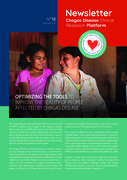
To support its R&D activities on Chagas disease, DNDi launched the Chagas Clinical Research Platform (CCRP). The platform brings together partners, experts, and stakeholders to provide support for evaluation and development of new treatments for Chagas disease. The patient-centred platform aims to f
...
acilitate clinical research, provide a forum for technical discussions, develop a critical mass of expertise, and strengthen institutional research capacities. In addition, it identifies and reviews priority needs, works towards standardization of methodology to assess drug efficacy and reviews alternatives for using current approved drugs (new schemes, doses, combination) and special scenarios (resistance).
more
Frequently Asked Questions on Chikungunya Fever
World Health Organization - Regional Office for South-East Asia
WHO Regional Office for South-East Asia
(2013)
CC
Information on Chikungunya Fever
Prevalence of Schistosoma Haematobium Measured by a Mobile Health System in an Unexplored Endemic Region in the Subprefecture of Torrock, Chad
Layaye, D.; E de Bruijn, M.; de Jong, T.;
JMIR Publication Advancing Digital Health and Open Science
(2019)
CC
Schistosoma haematobium is a parasitic digenetic trematode responsible for schistosomiasis (also known as bilharzia). The disease is caused by penetration of the skin by the parasite, spread by intermediate host molluscs in stagnant waters, and can be treated by administration of praziquantel. Schis
...
tosomiasis is considered to be an important but neglected tropical disease.
more
Arsenical monotherapies were previously very successful for treating human African trypanosomiasis (HAT).
Melarsoprol resistance emerged as early as the 1970s and was widespread by the late 1990s.
Melarsoprol resistance represents the only example of widespread drug resistance in HAT patients wher
...
e the genetic mechanism has been established.
The current goal of elimination of HAT as a public health problem by 2020 may be undermined by the emergence and spread of resistance to current or new drugs.
Insights into potential resistance mechanisms for current and new drugs will facilitate predictions of the likelihood of resistance and will also facilitate rational approaches to minimizing, monitoring, and tackling the future emergence of resistance.
more
The development of this target product profile (TPP) was led by the WHO Department of Control of Ne-
glected Tropical Diseases (NTD) following standard WHO guidance for TPP development. In order to
identify and prioritize diagnostic needs, a WHO NTD Diagnostics Technical Advisory Group (DTAG)
was
...
formed, and different subgroups were created to advise on specific NTDs, including a subgroup
working on the human African trypanosomiasis (HAT) diagnostic innovation needs. This group of in-
dependent experts included leading scientists, public health officials and endemic-country end-user rep-
resentatives. Standard WHO Declaration of Interest procedures were followed. A landscape analysis of
the available products and of the development pipeline was conducted, and the salient areas with unmet
needs were identified
more
Human African trypanosomiasis (HAT) has been an alarming global public health issue. The disease affects mainly poor and marginalized people in low-resource settings and is caused by two subspecies of haemoflagellate parasite, Trypanosoma brucei and transmitted by tsetse flies. Progress made in HAT
...
control during the past decade has prompted increasing global dialogue on its elimination and eradication. The disease is targeted by the World Health Organization (WHO) for elimination as a public health problem by 2020 and to terminate its transmission globally by 2030, along-side other Neglected Tropical Diseases (NTD). Several methods have been used to control tsetse flies and the disease transmitted by them. Old and new tools to control the disease are available with constraints.
Currently, there are no vaccines available. Efforts towards intervention to control the disease over the past decade have seen considerable progress and remarkable success with incidence dropping progressively, reversing the upward trend of reported cases. This gives credence in a real progress in its elimination. This study reviews various control measures, progress and a highlight of control issues, vector and parasite barriers that may have been hindering progress towards its elimination.
more
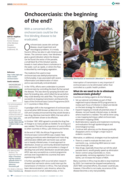
Onchocerciasis causes skin and eye disease, visual impairment and neurological problems. It is mostly found in Africa, but also in Latin America and Yemen. The common name, ‘river blindness,’ gives a good indication where the disease can be found: the vector of the parasite, a small black fly of
...
the Simulium species, breeds in rivers where there is turbulence in the water, such as rapids, or where the flow is disturbed by overhanging vegetation.
more
Leptospirosis is a bacterial zoonotic disease of worldwide importance, though relatively neglected in many African countries including sub Saharan Africa that is among areas with high burden of this disease. The disease is often mistaken for other febrile illnesses such as dengue, malaria, rickettsi
...
oses and enteric fever. Leptospirosis is an occupational disease likely to affect people working in environments prone to infestation with rodents which are the primary reservoir hosts of this disease. Some of the populations at risk include: sugarcane plantation workers, wetland farmers, fishermen and abattoir workers. In this study we investigated the prevalence of antibodies against Leptospira among sugarcane plantation and factory workers, fishing communities as well as among rodents and shrews in domestic and peridomestic environments within the study areas.
more
Leptospirosis is an infectious disease caused by pathogenic organisms belonging to the genus Leptospira, that are transmitted directly or indirectly from animals to humans. Leptospirosis is a major direct zoonosis. Humanto-human transmission occurs only very rarely.
PLoS Negl Trop Dis 14(1): e0007999. January 30, 2020 is the first-ever World Neglected Tropical Diseases Day (World NTD Day), a day when we celebrate the achievements made towards control of the world’s NTDs, yet recognize the daunting challenges we face in the control and elimination of these con
...
ditions.
more
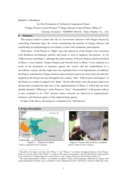
This project aimed to reduce the risk of vector-borne infection with Chagas disease by
controlling triatomine bugs, the vectors transmitting the parasite of Chagas disease, and
establishing an epidemiological surveillance system with community participation.
The purpose of this guide is to provide practical advice for health staff undertaking infectious disease preparedness and response activities to ensure that access to safe abortion care (SAC) is maintained when an infectious disease outbreak occurs. It is an operational guide which can serve to supp
...
ort health actors to maintain SAC services during outbreaks and ensure that necessary SAC considerations are integrated within outbreak responses; it is not a clinical guide. The locational focus of this document is humanitarian and fragile settings; however, recommendations may apply to infectious disease outbreaks in all low-resource populations. This guide is intended to complement Sexual and Reproductive Health and Rights During Infectious Disease Outbreaks: Operational Guidance for Humanitarian and Fragile Settings.
more
Taeniasis and cysticercosis caused by the parasite T. solium affect vulnerable populations,
mainly in Latin America, sub-Saharan Africa and Asia, where pigs (the intermediate host) roam
free and poor sanitation allows pigs access to human faeces.
