
Filter
2361
Text search:
child
psychosocial
support
Featured
262
623
Language
2214
84
50
43
40
19
16
13
12
5
5
5
4
4
3
3
3
3
3
2
2
2
2
2
2
2
1
1
1
1
1
1
1
1
1
1
1
1
1
1
Document type
1351
329
270
133
104
57
47
45
15
7
2
1
Countries
87
80
79
78
52
51
51
51
50
49
46
43
38
37
35
35
34
33
32
26
24
24
22
21
21
21
20
19
19
18
16
16
15
15
15
14
13
13
11
10
10
9
9
9
8
8
8
7
7
7
7
7
7
6
6
6
6
6
5
5
4
4
4
4
4
4
3
3
3
3
3
3
3
3
3
2
2
2
2
2
2
2
2
2
2
2
2
2
2
2
1
1
1
1
1
1
1
1
1
1
1
1
1
1
1
1
1
1
1
Authors & Publishers
240
82
81
77
68
66
49
44
39
37
37
30
26
25
21
20
20
19
19
18
17
16
16
14
14
14
13
13
12
12
12
11
11
11
10
9
9
9
9
9
8
8
7
7
7
7
7
7
7
7
6
6
6
6
6
6
6
6
6
6
5
5
5
5
5
5
5
5
5
5
5
5
5
5
5
5
5
5
5
5
4
4
4
4
4
4
4
4
4
4
4
4
4
4
4
4
4
4
4
4
4
4
4
4
4
4
4
4
4
4
4
4
4
4
4
3
3
3
3
3
3
3
3
3
3
3
3
3
3
3
3
3
3
3
3
3
3
3
3
3
3
3
3
3
3
3
3
3
3
3
3
3
3
3
3
3
3
3
3
3
3
3
3
3
3
3
3
2
2
2
2
2
2
2
2
2
2
2
2
2
2
2
2
2
2
2
2
2
2
2
2
2
2
2
2
2
2
2
2
2
2
2
2
2
2
2
2
2
2
2
2
2
2
2
2
2
2
2
2
2
2
2
2
2
2
2
2
2
2
2
2
2
2
2
2
2
2
2
2
2
2
2
2
2
2
2
2
2
2
2
2
2
2
2
2
2
2
2
2
2
2
2
2
2
2
2
2
2
2
2
2
2
2
2
2
2
2
2
2
2
2
2
2
2
2
2
2
2
2
2
2
2
2
2
2
2
2
2
2
2
2
2
2
2
2
2
2
2
2
2
2
2
2
2
2
2
1
1
1
1
1
1
1
1
1
1
1
1
1
1
1
1
1
1
1
1
1
1
1
1
1
1
1
1
1
1
1
1
1
1
1
1
1
1
1
1
1
1
1
1
1
1
1
1
1
1
1
1
1
1
1
1
1
1
1
1
1
1
1
1
1
1
1
1
1
1
1
1
1
1
1
1
1
1
1
1
1
1
1
1
1
1
1
1
1
1
1
1
1
1
1
1
1
1
1
1
1
1
1
1
1
1
1
1
1
1
1
1
1
1
1
1
1
1
1
1
1
1
1
1
1
1
1
1
1
1
1
1
1
1
1
1
1
1
1
1
1
1
1
1
1
1
1
1
1
1
1
1
1
1
1
1
1
1
1
1
1
1
1
1
1
1
1
1
1
1
1
1
1
1
1
1
1
1
1
1
1
1
1
1
1
1
1
1
1
1
1
1
1
1
1
1
1
1
1
1
1
1
1
1
1
1
1
1
1
1
1
1
1
1
1
1
1
1
1
1
1
1
1
1
1
1
1
1
1
1
1
1
1
1
1
1
1
1
1
1
1
1
1
1
1
1
1
1
1
1
1
1
1
1
1
1
1
1
1
1
1
1
1
1
1
1
1
1
1
1
1
1
1
1
1
1
1
1
1
1
1
1
1
1
1
1
1
1
1
1
1
1
1
1
1
1
1
1
1
1
1
1
1
1
1
1
1
1
1
1
1
1
1
1
1
1
1
1
1
1
1
1
1
1
1
1
1
1
1
1
1
1
1
1
1
1
1
1
1
1
1
1
1
1
1
1
1
1
1
1
1
1
1
1
1
1
1
1
1
1
1
1
1
1
1
1
1
1
1
1
1
1
1
1
1
1
1
1
1
1
1
1
1
1
1
1
1
1
1
1
1
1
1
1
1
1
1
1
1
1
1
1
1
1
1
1
1
1
1
1
1
1
1
1
1
1
1
1
1
1
1
1
1
1
1
1
1
1
1
1
1
1
1
1
1
1
1
1
1
1
1
1
1
1
1
1
1
1
1
1
1
1
1
1
1
1
1
1
1
1
1
1
1
1
1
1
1
1
1
1
1
1
1
1
1
1
1
1
1
1
1
1
1
1
1
1
1
1
1
1
1
1
1
1
1
1
1
1
1
1
1
1
1
1
1
1
1
1
1
1
1
1
1
1
1
1
1
1
1
1
1
1
1
1
1
1
1
1
1
1
1
1
1
1
1
1
1
1
1
1
1
1
1
1
1
1
1
1
1
1
1
1
1
1
1
1
1
1
1
1
1
1
1
1
1
1
1
1
1
1
1
1
1
1
1
1
1
1
1
1
1
1
1
1
1
1
1
1
1
1
1
1
1
1
1
1
1
1
1
1
1
1
1
1
1
1
1
1
1
1
1
1
1
1
1
1
1
1
1
1
1
1
1
1
1
1
1
1
1
1
1
1
1
1
1
1
1
1
1
1
1
1
1
1
1
1
1
1
1
1
1
1
1
1
1
1
1
1
1
1
1
1
1
1
1
1
1
1
1
1
1
1
1
1
1
1
1
1
1
1
1
1
1
1
1
1
1
1
1
1
1
1
1
1
1
1
1
1
1
1
1
1
1
1
1
1
1
1
1
1
1
1
1
1
1
1
1
1
1
1
1
1
1
1
1
1
1
1
1
1
1
1
1
1
1
1
1
1
1
1
1
1
1
1
1
1
1
1
1
1
1
1
1
1
1
1
1
1
1
1
1
1
1
1
1
1
1
1
1
1
1
1
1
1
1
1
1
1
1
1
1
1
1
1
1
1
1
1
1
1
1
1
1
1
1
1
1
1
1
1
1
1
1
1
1
1
1
1
1
1
1
1
1
1
1
1
1
1
1
1
1
1
1
1
1
1
1
1
1
1
1
1
1
1
1
1
1
1
1
1
1
1
1
1
1
1
1
1
1
1
1
1
1
1
1
1
1
1
1
1
1
1
1
1
1
1
1
1
1
1
1
1
1
1
1
1
1
1
1
1
1
1
1
1
1
1
1
1
1
1
1
1
1
1
1
1
1
1
1
1
1
1
1
1
1
1
1
1
1
1
1
1
1
1
1
1
1
1
1
1
1
1
1
1
1
1
1
1
1
1
1
1
1
1
1
1
1
1
1
1
1
1
1
1
1
1
1
1
1
1
1
1
1
1
1
1
1
1
1
1
1
1
1
1
1
1
1
1
1
1
1
1
1
1
1
1
1
1
1
1
1
1
1
1
1
1
1
1
1
1
1
1
1
1
1
1
1
1
1
1
1
1
1
1
1
1
1
1
1
1
1
1
1
1
1
1
1
1
1
1
1
1
1
1
1
1
1
1
1
1
1
1
1
1
1
1
1
1
1
1
1
1
1
1
1
1
1
1
1
1
1
1
1
1
1
1
1
1
1
1
1
1
1
1
1
1
1
1
1
1
1
1
1
1
1
1
1
1
1
1
1
1
1
1
1
1
1
1
1
1
1
1
1
1
1
1
1
1
1
1
1
1
1
1
1
1
1
1
1
1
1
1
1
1
1
1
1
1
1
1
1
1
1
1
1
1
1
1
1
1
1
1
1
1
1
1
1
1
1
1
1
1
1
1
1
1
1
1
1
1
1
1
1
1
1
1
1
1
1
1
1
1
1
1
1
1
1
1
1
1
1
1
1
1
1
1
1
1
1
1
1
1
1
1
1
1
1
1
1
1
1
1
1
1
1
1
1
1
1
1
1
1
1
1
1
1
1
1
1
1
1
1
1
1
1
1
1
1
1
1
1
1
1
1
1
1
1
1
1
1
1
1
1
1
1
1
1
1
1
1
1
1
1
1
1
1
1
1
1
1
1
1
1
1
1
1
1
1
1
1
1
1
1
1
1
1
1
1
1
1
1
1
1
1
1
1
1
1
1
1
1
1
1
1
1
1
1
1
1
1
1
1
1
1
1
1
1
1
1
1
1
1
1
1
1
1
1
1
1
1
1
1
1
1
1
1
1
1
1
1
1
1
1
1
1
1
1
1
1
1
1
1
1
1
1
1
1
1
1
1
1
1
1
1
1
1
1
1
1
1
1
1
1
1
1
1
1
1
1
1
1
1
1
1
1
1
1
1
1
1
1
1
1
1
1
1
1
1
1
1
1
1
1
1
1
1
1
1
1
1
1
1
1
1
1
1
1
1
1
1
1
1
1
1
1
1
1
1
1
1
1
1
1
1
1
1
1
1
1
1
1
1
1
1
1
1
1
1
1
1
1
1
1
1
1
1
1
1
1
1
1
1
1
1
1
1
1
1
1
1
1
1
1
1
1
1
1
1
1
1
1
1
1
1
1
1
1
1
1
1
1
1
1
1
1
1
1
1
1
1
1
1
1
1
1
1
1
1
1
1
1
1
1
1
1
1
1
1
1
1
1
1
1
1
1
1
1
1
1
1
1
1
1
1
1
1
1
1
1
1
1
1
1
1
1
1
1
1
1
1
1
1
1
1
1
1
1
1
1
1
1
1
1
1
1
1
1
1
1
1
1
1
1
1
1
1
1
1
1
1
1
1
Publication Years
715
1461
182
3
Category
857
177
151
111
86
77
2
2
Toolboxes
487
227
167
165
106
100
70
61
58
57
34
22
21
19
18
16
9
8
5
5
3
3
2
2
1
1

This document is based on currently available scientific evidence on treatment for drug use disorders and sets out a framework for the implementation of the Standards, in line with principles of public health care. The Standards identify major components and features of effective systems for the tre
...
atment of drug use disorders. They describe treatment modalities and interventions to match the needs of people at different stages and severities of drug use disorders, in a manner consistent with the treatment of any chronic disease or health condition. The Standards are aspirational, and such, national or local treatment services or systems need not attempt to meet all the standards and recommendations made in this document all at once. However over time, progressive quality improvement, with ‘evidence-based and ethical practice’ as an objective, can and should be expected to achieve better organized, more effective and ethical systems and services for people with drug use disorders.
more
Burns are a global public health problem, accounting for close to 200,000 deaths annually. The majority of these occur in low- and middle-income countries, where a number of constraints complicate the public health task of addressing burns. While the primary prevention of burns in low- and middle-in
...
come countries is a pressing need, the World Health Organization (WHO) also actively encourages further development of burn-care systems, including the training of health-care providers in the appropriate triage and management of people with burns.
more
BMJ 2020; 370 doi: https://doi.org/10.1136/bmj.m3026 (Published 11 August 2020)
The BMJ "practice pointer" inlcudes a one-page visual summary of assessment and initial management of patients with persistant symptoms following acute SARS-CoV-2 infection

The meningitis road map has been designated as a flagship global strategy of the WHO’s Thirteenth General Programme of Work, 2019–2023 and is an essential component in achieving universal health coverage.
The road map will reinforce and combine with wider initiatives, such as those aimed at s
...
trengthening primary health care and health systems, increasing immunization coverage, improving global health security, fighting antimicrobial resistance and advocating for the rights of persons with disabilities. It will complement other global control strategies, such as those addressing sepsis, pneumonia, tuberculosis and HIV. Implementation will be a challenge for all countries across the world, but especially in resource-poor settings where the burden of meningitis is greatest. The targets for the visionary and strategic goals will be adapted to regional and local contexts.
more
This summary covers the preventive approach to breast cancer control and includes prophylactic medications, prophylactic surgery and lifestyle modifications for breast cancer prevention. Health professional training and individual risk assessments and counseling are also discussed.
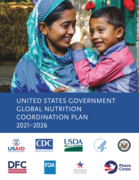
English Manual and Guideline on World about Food and Nutrition, Health and Epidemic; published on 30 Nov 2021 by USAID

Countries reported disruptions in all health-care settings. In more than half of countries surveyed, many people are still unable to access care at the primary care and community care levels. Significant disruptions have also been reported in emergency care, particularly concerning given the impact
...
on people with urgent health needs. Thirty-six per cent of countries reported disruptions to ambulance services; 32% to 24-hour emergency room services; and 23% to emergency surgeries.
Elective surgeries have also been disrupted in 59% of countries, which can have accumulating consequences on health and well-being as the pandemic continues. Disruptions to rehabilitative care and palliative care were also reported in around half of the countries surveyed.
Major barriers to health service recovery include pre-existing health systems issues which have been exacerbated by the pandemic as well as decreased demand for care.
more
Globally, approximately 56.8 million people are in need of palliative care
services; 78% of them living in low and middle-income country yet only
about 12% have their needs being met causing great suffering for many.
Il vise à permettre aux participants de
d'en savoir plus sur les réactions des enfants à la détresse
de savoir ce que sont les premiers secours psychologiques pour les enfants et ce qu'ils ne sont pas
de comprendre les trois principes d'action "Regarder, Écouter et Relier" en r
...
elation avec les enfants
se sont exercés à fournir les premiers secours psychologiques à un enfant et à une personne qui s'en occupe en situation de détresse
avoir pris en compte les réactions et les situations complexes
be aware of the importance of self-care when helping others.
more
Stats SA has released an in-depth report on persons with disabilities. The report, written using Census 2011 data, is the first in a series of in-depth analyses of various Census 2011 variables, such as ageing and education.
The report provides statistical evidence relating to the prevalence of dis
...
ability and characteristics of persons with disabilities at both individual and household levels. Two methods were used to profile disability prevalence and patterns based on the six functional domains, namely seeing, hearing, communication, remembering/concentrating, walking and self-care. These two methods were:
- the level/degree of difficulty in a specific functional domain and;
- the disability index.
more
A implementation Matrix approved by the Cabinet of the Government of South Africa
Pakistan, one of the countries that is most vulnerable to climate change, received more than three times its usual rainfall in August 2022. Torrential rains and flash-flooding began in early July 2022, severely damaging living areas, schools and other communal buildings in refugee villages and host
...
communities. Unprecedented and unrelenting rainfall and flooding in late August 2022 worsened the already fragile humanitarian situation. Nearly 1,700 people are reported to have died, and over 12,800 were injured, including at least 4,000 children
more

One of the principles underpinning the delivery of all essential services and coordination of those services is the “survivor-centered approach”, which places the human rights, needs, and wishes of women and girl survivors at the centre of service delivery.
A key challenge faced by many entit
...
ies working to end violence against women is ensuring that survivors’ voices and inputs are incorporated into policies, practices, and procedures on response. Survivors have diverse needs and face different risks. Not all women and girls experience violence in the same way. An effective intervention takes into account the realities of their unique circumstances, addresses individual needs, and reduces the risk for further harm and suffering.
UN Women, together with Global Rights for Women, have developed “Safe consultations with survivors of violence against women and girls”, which is designed to provide practical steps, safety measures, and actions that government agencies, civil society and survivor organizations, and United Nations’ entities can take to incorporate survivors' voices into systemic reform efforts, through safe and meaningful consultations.
This guidance is intended to help policymakers develop survivor-centered programming on ending violence against women and girls that meets the needs of diverse groups of women and girls, including those who are at higher risk of experiencing violence and discrimination. It is applicable to programming across the health, justice and policing, and social services sectors, as well as coordination of these sectors, and will help improve the standard and delivery of essential services for women and girls who have experienced violence.
more
This report provides insight into the work that UNFPA has been doing to tackle FGM across borders in these border areas, where country offices are implementing a wide range of initiatives to address the issue. The information provided in this report is structured into four pillars, namely those list
...
ed in the regional action plan to eliminate cross-border FGM endorsed by the Governments that participated in the interministerial meeting on ending cross-border FGM held in 2019.
more
The full-scale invasion of Ukraine has caused a deterioration in the level of access to health-care services and medicines in the country, particularly for people living in regions close to the front line and areas that are not partially or fully controlled by the Government of Ukraine, and for peop
...
le who have been internally displaced. Cost and time constraints involved in getting to and from health facilities, as well as limited transportation options were the main barriers to accessing essential health-care services. At the same time, the findings show that the country’s health system remains resilient and that overall access to health services is fairly high.This report is based on data collected through a quantitative cross-sectional survey of self-reported health needs of the general population in Ukraine. It presents results of the first round survey conducted in September 2022 and could help to address the specific health-care needs of the population groups concerned.
more

A lot has happened this year. While we continued to tackle the COVID-19 pandemic, we were hit by disease outbreaks and
humanitarian crises. Yet, despite these challenges, we marched on, resolute in resolving critical health systems issues to increase
access to quality healthcare services. To furth
...
er our vision and bring concrete actions to reality, under
the leadership of the Government of South Sudan, we developed the Health Sector Strategic Plan to define the strategic
approaches, key interventions, mapping resource needs, and the implementation framework to strengthen the health system
to deliver essential quality health services equitably for 2023 to 2027. For WHO, this Plan will usher in a new reality -- access
to lifesaving or health-promoting interventions is doable and possible, making the health sector fairer, especially for those
unable to pay
more
