
Filter
2726
Text search:
World
Health
Organization
WHO,
Regional
Office
for
Africa
Featured
Recommendations
292
New Publications
680
Language
Document type
No document type
1375
Studies & Reports
535
Guidelines
372
Manuals
172
Strategic & Response Plan
137
Training Material
53
Fact sheets
38
Situation Updates
29
Resource Platforms
6
Infographics
5
Brochures
2
App
1
Online Courses
1
Countries / Regions
Global
147
Ethiopia
93
Sierra Leone
85
Africa
82
Kenya
81
Liberia
75
Uganda
64
Tanzania
50
Zambia
48
Nigeria
47
Ghana
47
Malawi
42
South Africa
41
India
35
Guinea
34
Western and Central Europe
34
Rwanda
33
Mozambique
31
Namibia
31
West and Central Africa
30
South Sudan
28
East and Southern Africa
27
Congo, Democratic Republic of
26
Syria
25
Middle East and North Africa
25
Senegal
24
Asia
23
Nepal
22
South–East Asia Region
20
Latin America and the Carribbean
18
Ukraine
17
Lesotho
17
Yemen
17
Zimbabwe
15
Bangladesh
14
Cameroon
13
Central African Republic
13
Angola
13
Eastern Europe
13
Somalia
11
Botswana
10
Myanmar / Burma
10
Burkina Faso
9
Mali
9
Guinea-Bissau
9
Sudan
9
Eswatini/ Swaziland
9
Russia
9
Pakistan
8
Afghanistan
8
Cambodia
8
China
8
Madagascar
8
Haiti
7
Philippines
7
Thailand
7
Brazil
7
Côte d’Ivoire / Ivory Coast
6
Chad
6
Gambia
6
Eastern Europe and Central Asia
6
Togo
5
Benin
5
Colombia
5
Sri Lanka
5
Venezuela
5
Jordan
4
Lebanon
4
Indonesia
4
Burundi
4
Western Pacific Region
4
North Macedonia
3
Laos
3
Iran
3
Georgia
3
Mauritius
3
Morocco
2
Saudi Arabia
2
Iraq
2
Papua New Guinea
2
Peru
2
Mexico
2
Albania
2
Djibouti
2
Southern Africa
2
Kyrgyzstan
2
Kazakhstan
2
Portugal
2
Bosnia and Herzegovina
2
USA
1
Niger
1
Germany
1
Turkey
1
Mauritania
1
Argentina
1
Hungary
1
Ecuador
1
Greece
1
Libya
1
Palestine
1
Armenia
1
Timor Leste/ East Timor
1
Tajikistan
1
Qatar
1
Bulgaria
1
Estonia
1
Moldova
1
Vietnam
1
North America
1
Turkmenistan
1
Jamaica
1
Japan
1
Belgium
1
Tunisia
1
United Kingdom
1
Norway
1
Spain
1
Belarus
1
Israel
1
Authors & Publishers
Publication Years
Category
Countries
860
Clinical Guidelines
218
Key Resources
188
Public Health
167
Women & Child Health
156
Capacity Building
54
Pharmacy & Technologies
33
Toolboxes
HIV
257
COVID-19
212
Mental Health
173
TB
137
Planetary Health
127
Ebola & Marburg
120
Disability
105
Rapid Response
87
NTDs
87
AMR
83
Global Health Education
70
Caregiver
68
Conflict
64
2.0 Rapid Response
61
Refugee
54
Pharmacy
50
Health Financing Toolbox
44
NCDs
42
Malaria
40
Natural Hazards
21
Zika
20
Cholera
16
Polio
14
Specific Hazards
7
Social Ethics
6
Typhoon
3
South Sudan
1

The ECA, says over 300,000 Africans could lose their lives due to COVID-19. This, as the pandemic continues to impact on the Continent’s struggling economies whose growth is expected to slow down from 3.2 percent to 1.8 percent in a best-case scenario, pushing close to 27 million people into extr
...
5th edition.
There has been no systematic comparison of how the policy response to past infectious disease outbreaks and epidemics was funded. This study aims to collate and analyse funding for the Ebola epidemic and Zika outbreak between 2014 and 2019 in order
...
Financing Global Health 2014 is the sixth edition of this annually produced report on global health financing. As in previous years, this report captures trends in development assistance
...
International Perspectives and Future Directions
Financing Global Health 2015 is the seventh edition of IHME’s annual series on global health financing. This report captures trends in development assistance
...
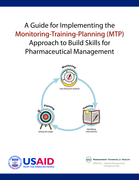
In the mid-1980s, recognizing the limitations of traditional training and that the knowledge and skills acquired are not necessarily applied back in the workplace, MSH developed the Monitoring‐Training-Planning (MTP) approach to assist the Ecuadorian Ministry of
...

Antimicrobials are medicines, including antibiotics, antivirals, antifungals, and antiparasitics, that are used to prevent and treat infections in humans, animals, and plants. Antimicrobial Resistance (AMR) arises when bacteria, viruses, fungi, and parasites no longer respond to these medicines, ren
...
For humanitarian organisations to respond effectively to complex crises, they require access to up-to-date evidence-based guidance. The COVID-19 crisis has highlighted the importance of updating global guidance to context-specific and evolving needs
...
