
Filter
2500
Text search:
national
preparedness
plan
Featured
276
695
Language
Document type
1083
430
363
240
224
56
49
45
4
4
1
1
Countries
146
87
76
73
72
62
59
52
52
50
42
41
41
38
35
35
34
28
27
26
24
24
23
23
22
21
20
20
18
16
15
15
15
14
14
14
14
13
11
10
10
9
9
8
8
8
8
8
8
8
8
7
7
7
7
7
7
7
6
6
6
6
6
6
5
5
5
4
4
4
4
4
4
4
4
4
3
3
3
3
2
2
2
2
2
2
2
2
2
2
2
2
2
2
2
2
2
2
2
2
2
1
1
1
1
1
1
1
1
1
1
1
1
1
1
1
1
1
1
1
1
1
1
1
1
1
Authors & Publishers
Publication Years
Category
939
328
128
96
85
39
19
Toolboxes
432
163
157
120
109
104
97
89
63
57
56
51
51
45
40
39
37
29
29
29
19
19
18
15
4
1
1
Preliminary Key Findings from Interviews in Accra on the Ebola Response
The report will describe how the Ebola Response MPTF, which has attracted contributions from 38 Member States, one business and many individuals, has offered a transparent and strategic tool to support the Ebola response. As of 31 January 2015, the Fund had total pledges amounting to US$142 million,
...

Real Time Evaluation of the Ebola Control Programs in Guinea, Sierra Leone and Liberia. Final Report
The scope includes the assessment of activities to improve the response to affected populations, stakeholders, partners and donors, building on lessons learnt so far in this outbreak.

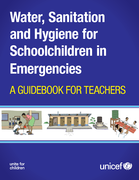
This guidebook for people in school settings is intended to offer strategies for use and adaptation with children and families to re-establish routines of hygiene with basic access to water and sanitation services through an approach that visibly shows that the school is WASHfriendly, inclusive - so
...
front cover © Jonathan Hyams/Save the Children
Reduce Risk, Protect Health Facilities, Save Lives

The document provides detailed guidelines for managing cholera outbreaks, focusing on prevention, diagnosis, treatment, and control strategies. It emphasizes the importance of setting up Cholera Treatment Centers (CTCs), ensuring access to clean water, promoting hygiene, and utilizing oral rehydrati
...
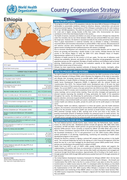
The Multi-Cluster/Sector Initial Rapid Assessment (MIRA) is a joint needs assessment tool that can be used in sudden onset emergencies, including IASC System-Wide Level 3 Emergency Responses (L3 Responses).
Disaster Management Reference Handbook Series Overview.
Floods, storms, and wind account for large proportions of displacement compared to other disasters. Floods are the most frequent type of disaster whereas wind-related disasters constitute the biggest losses in terms of economic damage, displac
...
Supplement to the Healthcare Waste Management Toolkit for Global Fund
Practitioners and Policy Makers
