
Filter
2016
Text search:
Sampling
Featured
155
606
Language
1930
52
30
22
11
8
7
6
4
3
3
1
1
1
1
1
1
1
1
1
1
1
1
1
1
1
1
1
1
1
1
Document type
1095
423
280
113
41
25
15
13
5
2
2
1
Countries
129
68
68
65
64
54
49
47
43
42
39
39
37
36
33
33
31
30
27
24
23
22
19
18
15
15
14
14
14
13
12
11
11
10
10
10
10
10
10
9
8
8
7
7
7
7
7
7
6
6
6
5
5
5
5
5
4
4
4
4
4
4
4
4
4
3
3
3
3
3
3
3
3
2
2
2
2
2
2
2
2
2
2
2
2
2
2
2
2
2
1
1
1
1
1
1
1
1
1
1
1
1
1
1
1
1
1
1
1
1
Authors & Publishers
267
84
79
40
39
38
38
37
36
24
24
18
16
13
13
13
11
10
9
7
7
7
7
7
7
7
6
6
6
6
6
6
6
6
5
5
5
5
5
5
5
5
5
5
5
5
5
5
5
4
4
4
4
4
4
4
4
4
4
4
4
4
4
4
4
4
4
4
4
4
4
4
4
4
4
3
3
3
3
3
3
3
3
3
3
3
3
3
3
3
3
3
3
3
3
3
3
3
3
3
3
3
3
3
3
3
3
3
3
3
3
3
3
3
3
3
3
3
3
3
2
2
2
2
2
2
2
2
2
2
2
2
2
2
2
2
2
2
2
2
2
2
2
2
2
2
2
2
2
2
2
2
2
2
2
2
2
2
2
2
2
2
2
2
2
2
2
2
2
2
2
2
2
2
2
2
2
2
2
2
2
2
2
2
2
2
2
2
2
2
2
2
2
2
2
2
2
2
2
2
2
2
2
2
2
2
2
2
2
2
2
2
2
2
2
2
2
2
2
2
2
2
2
2
2
2
2
2
1
1
1
1
1
1
1
1
1
1
1
1
1
1
1
1
1
1
1
1
1
1
1
1
1
1
1
1
1
1
1
1
1
1
1
1
1
1
1
1
1
1
1
1
1
1
1
1
1
1
1
1
1
1
1
1
1
1
1
1
1
1
1
1
1
1
1
1
1
1
1
1
1
1
1
1
1
1
1
1
1
1
1
1
1
1
1
1
1
1
1
1
1
1
1
1
1
1
1
1
1
1
1
1
1
1
1
1
1
1
1
1
1
1
1
1
1
1
1
1
1
1
1
1
1
1
1
1
1
1
1
1
1
1
1
1
1
1
1
1
1
1
1
1
1
1
1
1
1
1
1
1
1
1
1
1
1
1
1
1
1
1
1
1
1
1
1
1
1
1
1
1
1
1
1
1
1
1
1
1
1
1
1
1
1
1
1
1
1
1
1
1
1
1
1
1
1
1
1
1
1
1
1
1
1
1
1
1
1
1
1
1
1
1
1
1
1
1
1
1
1
1
1
1
1
1
1
1
1
1
1
1
1
1
1
1
1
1
1
1
1
1
1
1
1
1
1
1
1
1
1
1
1
1
1
1
1
1
1
1
1
1
1
1
1
1
1
1
1
1
1
1
1
1
1
1
1
1
1
1
1
1
1
1
1
1
1
1
1
1
1
1
1
1
1
1
1
1
1
1
1
1
1
1
1
1
1
1
1
1
1
1
1
1
1
1
1
1
1
1
1
1
1
1
1
1
1
1
1
1
1
1
1
1
1
1
1
1
1
1
1
1
1
1
1
1
1
1
1
1
1
1
1
1
1
1
1
1
1
1
1
1
1
1
1
1
1
1
1
1
1
1
1
1
1
1
1
1
1
1
1
1
1
1
1
1
1
1
1
1
1
1
1
1
1
1
1
1
1
1
1
1
1
1
1
1
1
1
1
1
1
1
1
1
1
1
1
1
1
1
1
1
1
1
1
1
1
1
1
1
1
1
1
1
1
1
1
1
1
1
1
1
1
1
1
1
1
1
1
1
1
1
1
1
1
1
1
1
1
1
1
1
1
1
1
1
1
1
1
1
1
1
1
1
1
1
1
1
1
1
1
1
1
1
1
1
1
1
1
1
1
1
1
1
1
1
1
1
1
1
1
1
1
1
1
1
1
1
1
1
1
1
1
1
1
1
1
1
1
1
1
1
1
1
1
1
1
1
1
1
1
1
1
1
1
1
1
1
1
1
1
1
1
1
1
1
1
1
1
1
1
1
1
1
1
1
1
1
1
1
1
1
1
1
1
1
1
1
1
1
1
1
1
1
1
1
1
1
1
1
1
1
1
1
1
1
1
1
1
1
1
1
1
1
1
1
1
1
1
1
1
1
1
1
1
1
1
1
1
1
1
1
1
1
1
1
1
1
1
1
1
1
1
1
1
1
1
1
1
1
1
1
1
1
1
1
1
1
1
1
1
1
1
1
1
1
1
1
1
1
1
1
1
1
1
1
1
1
1
1
1
1
1
1
1
1
1
1
1
1
1
1
1
1
1
1
1
1
1
1
1
1
1
1
1
1
1
1
1
1
1
1
1
1
1
1
1
1
1
1
1
1
1
1
1
1
1
1
1
1
1
1
1
1
1
1
1
1
1
1
1
1
1
1
1
1
1
1
1
1
1
1
1
1
1
1
1
1
1
1
1
1
1
1
1
1
1
1
1
1
1
1
1
1
1
1
1
1
1
1
1
1
1
1
1
1
1
1
1
1
1
1
1
1
1
1
1
1
1
1
1
1
1
1
1
1
1
1
1
1
1
1
1
1
1
1
1
1
1
1
1
1
1
1
1
1
1
1
1
1
1
1
1
1
1
1
1
1
1
1
1
1
1
1
1
1
1
1
1
1
1
1
1
1
1
1
1
1
1
1
1
1
1
1
1
1
1
1
1
1
1
1
1
1
1
1
1
1
1
1
1
1
1
1
1
1
1
1
1
1
1
1
1
1
1
1
1
1
1
1
1
1
1
1
1
1
1
1
1
1
1
1
1
1
1
1
1
1
1
1
1
1
1
1
1
1
1
1
1
1
1
1
1
1
1
1
1
1
1
1
1
1
1
1
1
1
1
1
1
1
1
1
1
1
1
1
1
1
1
1
1
1
1
1
1
1
1
1
1
1
1
1
1
1
1
1
1
1
1
1
1
1
1
1
1
1
1
1
1
1
1
1
1
1
1
1
1
1
1
1
1
1
1
1
1
1
1
1
1
1
1
1
1
1
1
1
1
1
1
1
1
1
1
1
1
1
1
1
1
1
1
1
1
1
1
1
1
1
1
1
1
1
1
1
1
1
1
1
1
1
1
1
1
1
1
1
1
1
1
1
1
1
1
1
1
1
1
1
1
1
1
1
1
1
1
1
1
1
1
1
1
1
1
1
1
1
1
1
1
1
1
1
1
1
1
1
1
1
1
1
1
1
1
1
1
1
1
1
1
1
1
1
1
1
1
1
1
1
1
1
1
1
1
1
1
1
1
1
1
1
1
1
1
1
1
1
1
1
1
1
1
1
1
1
1
1
1
1
1
1
1
1
1
1
1
1
1
1
1
1
1
1
1
1
1
1
1
1
1
1
1
1
1
1
1
1
1
1
1
1
1
1
1
1
1
1
1
1
1
1
1
1
1
1
1
1
1
1
1
1
1
1
1
1
1
1
1
1
1
1
1
1
1
1
1
1
1
1
1
1
1
1
1
1
1
1
1
1
1
1
1
1
1
1
1
1
1
1
1
1
1
1
1
1
1
1
1
1
1
1
1
1
1
1
1
1
1
1
1
1
1
1
1
1
1
1
1
1
1
1
1
1
1
1
1
1
1
1
1
1
1
1
1
1
1
1
1
1
1
1
1
1
1
1
1
1
1
1
1
1
1
1
1
1
1
1
1
1
1
1
1
1
1
1
1
1
1
1
1
1
1
1
1
1
1
1
1
1
1
1
1
1
1
1
1
1
1
1
1
1
1
1
1
1
1
1
1
1
1
1
1
1
1
1
1
1
1
1
1
1
1
1
1
1
1
1
1
1
1
1
1
1
1
1
1
1
1
1
1
1
1
1
1
1
1
1
1
1
1
1
1
1
1
1
1
1
1
1
1
1
1
1
1
1
1
1
1
1
1
1
1
1
1
1
1
1
1
1
1
1
1
1
1
1
1
1
1
1
1
1
1
1
1
1
1
1
1
1
1
1
1
1
1
1
1
1
1
1
1
1
1
1
1
1
1
1
1
1
1
1
1
1
1
1
1
1
1
1
1
1
1
1
1
1
1
1
1
1
1
1
1
1
1
1
1
1
1
1
1
1
1
1
1
1
1
1
1
1
1
1
1
1
1
1
1
1
1
1
1
1
1
1
1
1
1
1
1
1
1
1
1
1
1
1
1
1
1
1
1
1
1
1
1
1
1
1
1
1
1
1
1
1
1
1
1
1
1
1
1
1
1
1
1
1
1
1
1
1
1
1
1
1
1
1
1
1
1
1
1
1
1
1
1
1
1
1
1
1
1
1
1
1
1
1
1
1
1
1
1
1
1
1
1
1
1
1
1
1
1
1
1
1
1
1
1
1
1
1
1
1
1
1
1
1
1
1
1
1
1
1
1
1
1
1
1
1
1
1
1
1
1
1
1
1
1
1
1
1
1
1
1
1
1
1
1
1
1
1
1
1
1
1
1
1
1
1
1
1
1
1
1
1
1
1
1
1
1
1
1
1
1
1
1
1
1
1
1
1
1
1
1
1
1
1
1
1
1
1
1
1
1
1
1
1
1
1
1
1
1
1
1
1
1
1
1
1
1
1
1
1
1
1
1
1
1
1
1
1
1
1
1
1
1
1
1
1
1
1
1
1
1
1
1
1
1
1
1
1
1
1
1
1
1
1
1
1
1
1
1
1
1
1
1
1
1
1
1
1
1
1
1
1
1
1
1
1
1
1
1
1
1
1
1
1
1
1
1
1
1
1
Publication Years
542
1262
202
8
2
Category
977
143
124
90
79
48
15
Toolboxes
147
114
78
74
66
58
58
52
49
49
43
37
37
34
29
28
26
23
21
20
16
15
15
5
4
Prepared by the Independent Panel for Pandemic Preparedness and Response for the WHO Executive Board, January 2021
“The world was not as prepared as it should have been, and it must do better,” concludes a WHO panel reviewing the pandemic response "
COVID-19: Community Insights from the Asia Pacific Region
Latinovic, L.; et al.
nternational Federation of Red Cross and Red Crescent Societies (IFRC), et al.
(2020)
C1
Indonesia, Malaysia, Myanmar, and Pakistan
Spetember 2020
The Federal Ministry of Health (FMOH) has been coordinating sector wide reforms that aim to improve equity and quality of health services. It is widely known that; the sector is growing in line the overall growth and transformation plan of the country and the sector is bein
...
g guided by the health sector transformation plan (HSTP). As part of these efforts, to achieve the targets set, the sector identified information revolution as one of the transformational agendas. In the meantime, Appropriate and timely use of health and health-related information is an essential element in the process of transforming the health sector.
more
The growing understanding of how sequence information can contribute to improved public health is driving global investments in sequencing facilities and programmes. The falling cost and complexity of generating GSD provides opportunities for expanding sequencing capacity; however, challenges to wid
...
espread implementation remain. This document provides policy-makers and stakeholders with guidance on how to maximize the public health benefit of SARS-CoV-2 genomic sequencing activities in the short and long term as the pandemic continues to unfold. Practical considerations for the implementation of a virus genomic sequencing programme and an overview of the public health objectives of genomic sequencing are covered. This guidance focuses on SARS-CoV-2 but is applicable to other pathogens of public health concern.
more
Ces orientations se concentrent sur le SARS-CoV-2, mais s'appliquent également à d'autres agents pathogènes préoccupants pour la santé publique.

Published:February 02, 2021DOI:https://doi.org/10.1016/S0140-6736(21)00234-8
The WHO COVID-19 LENS (Living Evidence Synthesis) working group consolidated available evidence, based on rapid reviews of the literature and results of a living systematic review on pregnancy and COVID-19 (up to October 7, 2020), on potential mechanisms of vertical transmission of infectious pathog
...
ens, feasibility of vertical transmission of SARS-CoV-2, data related to interpretation of positive SARS-CoV-2 virologic and serologic neonatal tests, lessons from diagnosis of other congenital infections, and existing proposed definitions to classify timing of vertical transmission of SARS-CoV-2.
more
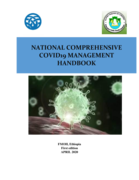
National Comprehensive Covid19 Management Handbook First Edition 2020
Ministry of Health, Federal Democratic Republic of Ethiopia
Ministry of Health, Federal Democratic Republic of Ethiopia
(2020)
C1
Cognizant of the need for standardization of the response for COVID-19, the Federal Ministry of Health prepared this national guideline in an effort to contain the epidemic before it overwhelms the health care facilities. This national guideline is expected to guide policy makers and h
...
ealth professionals at all level. A standardized approaches to will assist effective and efficient utilization of the limited resource of the country, minimizes dilemma and confusion on case management. To this effect, the FMOH has established National COVID-19 advisory committee. The committee members are from different specialties with very good experiences in disaster management and prevention and treatment of infectious disease epidemics. The input from the committee is used to make decisions at the national level about theepidemics in the weeks and months to come. The FMOH would like to acknowledge the members of the national advisory committee for their commitment and unreserved effort in finalizing the task in a very short period of time and advising the Ministry on various issues related to the epidemics at this critical time.
more

Assessment on Family Planning Needs of People Living with Disabilities: Case of Addis Ababa, Ethiopia
United States Agency for International Development USAID
United States Agency for International Development USAID
(2017)
C1
.This assessment was conducted using focus group discussion(FGD)with peopleliving with disabilities who were members of the Ethiopian National Association of the Deaf(Person with hearing impairment), Ethiopian National Association of the Deaf -Blind ( Person with hearing and visual impairment), Ethi
...
opian National Association of the Blind (Person with visual impairment), Ethiopian National Association of the Physically Handicapped (Person with physical impairment), Ethiopian National Association of Intellectual Disability (Person with intellectual disability). In total 152 people living with disabilities participated in the discussion groups.Results from the assessment were analysed based on themes and are presented by each group in the following report.
more
Abstract-The paper precisely and briefly explains the socio-economic challenges of persons with disabilities with focus on Ethiopia. The findings of the paper also indicates that, across the countries persons with disabilities have poorer health accesses, lower education achievements,
...
less social and economic participation and less rate of income than Persons disabilities experience barriers in accessing services that many of us have long taken for granted, including health, education, employment, transport and information as well as rehabilitation. These difficulties are exacerbated with high level of disability disadvantaged individuals. Based on the findings of this study, major socio-economic remedy directions are recommended which will be included in future policy enactment and implementations.
more
The Ethiopian Hospital Services Transformation Guidelines (EHSTG) build on and expand the Ethiopian Hospital Reform Implementation Guidelines (EHRIG) and are consistent with the Health Sector Transformation Plan (HSTP). The EHSTG, which is consistent with the national focu
...
s on quality improvement in health care, contains a common set of guidelines to help hospital Chief Executive Officers(CEOs), managers, and clinicians (care providers) in steering the consistent implementation of these transformational systems and processes in hospitals throughout the country. The EHSTG focused on selected management and clinical functions, including new individual service specific chapters for Emergency Medical, Outpatient and Inpatient Services, Nursing and Midwifery, Maternal, Neonatal and Child Health and Teaching Hospitals’ Management. These guidelines also incorporate recent lessons from the operationalization of the EHRIG, as well as, new national initiatives such as the Guidelines for the Management of Federal Hospitals in Ethiopia, Hospital Development Army (HDA), Clean and Safe Hospital (CASH), and Auditable Pharmaceutical Transaction and Service (APTS).
II10 Pharmacy ChapterIt is expected that the guidelines will continuously evolve as new evidence emerges regarding improved hospital care and practices that are better tailored to needs and circumstances of different tiers of public hospitals. We are grateful to all partners that have participated in the production of these guidelines. Special thanks go to our colleagues at the Clinton Health Access Initiative for their substantial contributions and support throughout the development of these guidelines as well as their dedicated efforts in support of our health reform efforts in so many other capacities
more
Antimicrobial resistance (AMR) surveillance plays an important role in the early detection of resistant strains of public health importance and prompt response to outbreaks in hospitals and the community. Surveillance findings are needed to inform medical practice, antibiotic stewardship, and policy
...
and interventions to combat AMR. Appropriate use of antimicrobials, informed by surveillance, improves patients’ treatment outcomes and reduces the emergence and spread of AMR. This protocol describes the steps and procedures to establish/enhance AMR surveillance in Latin America and the Caribbean.
more
19 February 2021
The overall objective of this prospective meta-analyses (PMA) is to estimate the effect of anti-IL-6 therapy compared with usual care in hospitalized patients with suspected or confirmed COVID-19. The primary comparison is of the class effect of anti-IL-6 therapies. It will also es
...
timate the effects of specific anti-IL-6 therapies.
more
A guide to support implementation of health service Quality Improvement activities in Ethiopian health facilities
Closing the immunisation gap in Ethiopia: a formative evaluation of ‘The Fifth Child Project’
Shiferaw Dechasa Demissie, et al.
International Rescue Committee, London School of Hygiene & Tropical Medicine, Assosa Referral Hospital
(2019)
C1
1 March 2021 This roadmap aims to define the key questions users should consider to assess indoor ventilation and the major steps needed to reach recommended ventilation levels or simply improve indoor air quality (IAQ) in order to reduce the risk of spread of COVID-19.
It also includes recommendat
...
ions on how to assess and measure the different parameters, specifically in health care, non-residential and residential settings whenever a person is under home care or home quarantine.
more
Vaccines 2021, 9(2), 160; https://doi.org/10.3390/vaccines9020160
Au cours de la dernière décennie, les données de séquençage génétique des agents pathogènes ont gagné en importance et contribuent désormais de façon déterminante à la détection et à la maîtrise des flambées de maladies infectieuses, en facilitant la mise au point de
...
produits de diagnostic, de médicaments et de vaccins et en guidant lesactivités de riposte aux flambées(1-11). L’émergence du nouveau coronavirus, par la suite désigné « coronavirus 2 du syndrome respiratoire aigu sévère » (SARS-CoV-2), a encore accentué l’importance des données de séquençage génétique.
more
En el último decenio, los datos de las secuencias genéticas de los patógenos han adquirido un papel crucial en la detección y el manejo de los brotes de enfermedades infecciosas, contribuyendo al desarrollo de pruebas diagnósticas, medicamentos y vacunas y orientando la respuesta sanitaria.
