
Filter
2526
Text search:
Climate
Change
Featured
204
549
Language
2397
113
101
52
52
39
32
29
8
5
5
4
4
4
3
3
3
2
2
2
2
1
1
1
1
1
1
1
1
1
1
1
Document type
892
815
231
188
160
70
50
45
23
18
15
12
5
Countries
242
69
53
50
50
43
38
37
34
33
28
27
27
26
24
24
23
21
21
21
20
19
19
18
17
16
16
16
16
16
15
14
12
12
11
11
11
10
10
10
10
10
10
9
9
9
9
9
8
8
8
8
8
8
8
8
7
7
6
6
5
5
5
5
4
4
4
4
4
3
3
3
3
3
3
2
2
2
2
2
2
2
2
2
2
2
2
2
2
2
1
1
1
1
1
1
1
1
1
1
1
1
1
1
1
1
1
1
1
1
1
1
1
1
1
1
1
1
1
1
1
1
Authors & Publishers
310
90
81
53
46
42
42
30
29
21
18
17
17
16
15
15
14
14
13
13
13
12
11
11
11
11
10
10
10
10
9
9
9
9
8
8
8
8
7
7
7
7
7
7
7
7
7
6
6
6
6
6
6
6
6
6
6
6
6
6
5
5
5
5
5
5
5
5
5
5
5
5
5
5
5
5
4
4
4
4
4
4
4
4
4
4
4
4
4
4
4
4
4
4
4
4
4
4
4
4
4
3
3
3
3
3
3
3
3
3
3
3
3
3
3
3
3
3
3
3
3
3
3
3
3
3
3
3
3
3
3
3
3
3
3
3
3
3
3
3
3
3
3
3
3
3
3
3
3
3
3
3
3
3
3
3
3
2
2
2
2
2
2
2
2
2
2
2
2
2
2
2
2
2
2
2
2
2
2
2
2
2
2
2
2
2
2
2
2
2
2
2
2
2
2
2
2
2
2
2
2
2
2
2
2
2
2
2
2
2
2
2
2
2
2
2
2
2
2
2
2
2
2
2
2
2
2
2
2
2
2
2
2
2
2
2
2
2
2
2
2
2
2
2
2
2
2
2
2
2
2
2
2
2
2
2
2
2
2
2
2
2
2
2
2
2
2
2
2
2
2
2
2
2
2
2
2
2
2
2
2
2
2
2
2
2
2
2
2
2
2
2
2
2
2
2
2
2
2
2
2
2
2
2
2
2
2
2
2
2
2
2
2
1
1
1
1
1
1
1
1
1
1
1
1
1
1
1
1
1
1
1
1
1
1
1
1
1
1
1
1
1
1
1
1
1
1
1
1
1
1
1
1
1
1
1
1
1
1
1
1
1
1
1
1
1
1
1
1
1
1
1
1
1
1
1
1
1
1
1
1
1
1
1
1
1
1
1
1
1
1
1
1
1
1
1
1
1
1
1
1
1
1
1
1
1
1
1
1
1
1
1
1
1
1
1
1
1
1
1
1
1
1
1
1
1
1
1
1
1
1
1
1
1
1
1
1
1
1
1
1
1
1
1
1
1
1
1
1
1
1
1
1
1
1
1
1
1
1
1
1
1
1
1
1
1
1
1
1
1
1
1
1
1
1
1
1
1
1
1
1
1
1
1
1
1
1
1
1
1
1
1
1
1
1
1
1
1
1
1
1
1
1
1
1
1
1
1
1
1
1
1
1
1
1
1
1
1
1
1
1
1
1
1
1
1
1
1
1
1
1
1
1
1
1
1
1
1
1
1
1
1
1
1
1
1
1
1
1
1
1
1
1
1
1
1
1
1
1
1
1
1
1
1
1
1
1
1
1
1
1
1
1
1
1
1
1
1
1
1
1
1
1
1
1
1
1
1
1
1
1
1
1
1
1
1
1
1
1
1
1
1
1
1
1
1
1
1
1
1
1
1
1
1
1
1
1
1
1
1
1
1
1
1
1
1
1
1
1
1
1
1
1
1
1
1
1
1
1
1
1
1
1
1
1
1
1
1
1
1
1
1
1
1
1
1
1
1
1
1
1
1
1
1
1
1
1
1
1
1
1
1
1
1
1
1
1
1
1
1
1
1
1
1
1
1
1
1
1
1
1
1
1
1
1
1
1
1
1
1
1
1
1
1
1
1
1
1
1
1
1
1
1
1
1
1
1
1
1
1
1
1
1
1
1
1
1
1
1
1
1
1
1
1
1
1
1
1
1
1
1
1
1
1
1
1
1
1
1
1
1
1
1
1
1
1
1
1
1
1
1
1
1
1
1
1
1
1
1
1
1
1
1
1
1
1
1
1
1
1
1
1
1
1
1
1
1
1
1
1
1
1
1
1
1
1
1
1
1
1
1
1
1
1
1
1
1
1
1
1
1
1
1
1
1
1
1
1
1
1
1
1
1
1
1
1
1
1
1
1
1
1
1
1
1
1
1
1
1
1
1
1
1
1
1
1
1
1
1
1
1
1
1
1
1
1
1
1
1
1
1
1
1
1
1
1
1
1
1
1
1
1
1
1
1
1
1
1
1
1
1
1
1
1
1
1
1
1
1
1
1
1
1
1
1
1
1
1
1
1
1
1
1
1
1
1
1
1
1
1
1
1
1
1
1
1
1
1
1
1
1
1
1
1
1
1
1
1
1
1
1
1
1
1
1
1
1
1
1
1
1
1
1
1
1
1
1
1
1
1
1
1
1
1
1
1
1
1
1
1
1
1
1
1
1
1
1
1
1
1
1
1
1
1
1
1
1
1
1
1
1
1
1
1
1
1
1
1
1
1
1
1
1
1
1
1
1
1
1
1
1
1
1
1
1
1
1
1
1
1
1
1
1
1
1
1
1
1
1
1
1
1
1
1
1
1
1
1
1
1
1
1
1
1
1
1
1
1
1
1
1
1
1
1
1
1
1
1
1
1
1
1
1
1
1
1
1
1
1
1
1
1
1
1
1
1
1
1
1
1
1
1
1
1
1
1
1
1
1
1
1
1
1
1
1
1
1
1
1
1
1
1
1
1
1
1
1
1
1
1
1
1
1
1
1
1
1
1
1
1
1
1
1
1
1
1
1
1
1
1
1
1
1
1
1
1
1
1
1
1
1
1
1
1
1
1
1
1
1
1
1
1
1
1
1
1
1
1
1
1
1
1
1
1
1
1
1
1
1
1
1
1
1
1
1
1
1
1
1
1
1
1
1
1
1
1
1
1
1
1
1
1
1
1
1
1
1
1
1
1
1
1
1
1
1
1
1
1
1
1
1
1
1
1
1
1
1
1
1
1
1
1
1
1
1
1
1
1
1
1
1
1
1
1
1
1
1
1
1
1
1
1
1
1
1
1
1
1
1
1
1
1
1
1
1
1
1
1
1
1
1
1
1
1
1
1
1
1
1
1
1
1
1
1
1
1
1
1
1
1
1
1
1
1
1
1
1
1
1
1
1
1
1
1
1
1
1
1
1
1
1
1
1
1
1
1
1
1
1
1
1
1
1
1
1
1
1
1
1
1
1
1
1
1
1
1
1
1
1
1
1
1
1
1
1
1
1
1
1
1
1
1
1
1
1
1
1
1
1
1
1
1
1
1
1
1
1
1
1
1
1
1
1
1
1
1
1
1
1
1
1
1
1
1
1
1
1
1
1
1
1
1
1
1
1
1
1
1
1
1
1
1
1
1
1
1
1
1
1
1
1
1
1
1
1
1
1
1
1
1
1
1
1
1
1
1
1
1
1
1
1
1
1
1
1
1
1
1
1
1
1
1
1
1
1
1
1
1
1
1
1
1
1
1
1
1
1
1
1
1
1
1
1
1
1
1
1
1
1
1
1
1
1
1
1
1
1
1
1
1
1
1
1
1
1
1
1
1
1
1
1
1
1
1
1
1
1
1
1
1
1
1
1
1
1
1
1
1
1
1
1
1
1
1
1
1
1
1
1
1
1
1
1
1
1
1
1
1
1
1
1
1
1
1
1
1
1
1
1
1
1
1
1
1
1
1
1
1
1
1
1
1
1
1
1
1
1
1
1
1
1
1
1
1
1
1
1
1
1
1
1
1
1
1
1
1
1
1
1
1
1
1
1
1
1
1
1
1
1
1
1
1
1
1
1
1
1
1
1
1
1
1
1
1
1
1
1
1
1
1
1
1
1
1
1
1
1
1
1
1
1
1
1
1
1
1
1
1
1
1
1
1
1
1
1
1
1
1
1
1
1
1
1
1
1
1
1
1
1
1
1
1
1
1
1
1
1
1
1
1
1
1
1
1
1
1
1
1
1
1
1
1
1
1
1
1
1
1
1
1
1
1
1
1
1
1
1
1
1
1
1
1
1
1
1
1
1
1
1
1
1
1
1
1
1
1
1
1
1
1
1
1
1
1
1
1
1
1
1
1
1
1
1
1
1
1
1
1
1
1
1
1
1
1
1
1
1
1
1
1
1
1
1
1
1
1
1
1
1
1
1
1
1
1
1
1
1
1
1
1
1
1
1
1
1
1
1
1
1
1
1
1
1
1
1
1
1
1
1
1
1
1
1
1
1
1
1
1
1
1
1
1
1
1
1
1
1
1
1
1
1
1
1
1
1
1
1
1
1
1
1
1
1
1
1
1
1
1
1
1
1
1
1
1
1
1
1
1
1
1
1
1
1
1
1
1
1
1
1
1
1
1
1
1
1
1
1
1
1
1
1
1
1
1
1
1
1
1
1
1
1
1
1
1
1
1
1
1
1
1
1
1
1
1
1
1
1
1
1
1
1
1
1
1
1
1
1
1
1
1
1
1
1
1
1
1
1
1
1
1
1
1
1
1
1
1
1
1
1
1
1
1
1
1
1
1
1
1
1
1
1
1
1
1
1
1
1
1
1
1
1
1
1
1
1
1
1
1
1
1
1
1
1
1
1
1
1
1
1
1
1
1
1
1
1
1
1
1
1
1
1
1
1
1
1
1
1
1
1
1
1
1
1
1
1
1
1
1
1
1
1
1
1
1
1
1
1
1
1
1
1
1
1
1
1
1
1
1
1
1
1
1
1
1
1
1
1
1
1
1
1
1
1
1
1
1
1
1
1
1
1
1
1
1
1
1
1
1
1
1
1
1
1
1
1
1
1
1
1
1
1
1
1
1
1
1
1
1
1
1
1
1
1
1
1
1
1
1
1
1
1
1
1
1
1
1
1
1
1
1
1
1
1
1
1
1
1
1
1
1
1
1
1
1
1
1
1
1
1
1
1
1
1
1
1
1
1
1
1
1
1
1
1
1
1
1
1
1
1
1
1
1
1
1
1
1
1
1
1
1
1
1
1
1
1
1
1
1
1
1
1
1
1
1
1
1
1
1
1
1
1
1
1
1
1
1
1
1
1
1
1
1
1
1
1
1
1
1
1
1
1
1
1
1
1
1
1
1
1
1
1
1
1
1
Publication Years
1
1188
1173
154
9
1
Category
755
290
135
94
69
46
13
Toolboxes
604
165
162
111
100
97
92
77
73
71
63
57
54
50
43
33
31
31
30
23
20
19
14
9
4
2
1

The purpose of this ‘Facilitator Guidebook’ is to help the Course Coordinator deliver and document consistently high-quality CBDRR training courses.
- Module 1: Understanding the Basics: introduces the participants to the basics of CBDRR implementation of MRCS, general aspects of CBDRR in ... the context of Myanmar.
- Module 2: Implementing the Program: introduces the participants to the 9 CBDRR steps that are followed by MRCS when implementing community- and school-based programs and key points.
- Module 3: Ensuring Sustainability: introduces the participants to two aspects that are often forgotten when it comes to program implementation.
- Module 4: Being a Facilitator:introduces the participants to facilitation skills and some exercises are carried out that willhelp the participants to be a facilitator of the course themselves in the end. more
- Module 1: Understanding the Basics: introduces the participants to the basics of CBDRR implementation of MRCS, general aspects of CBDRR in ... the context of Myanmar.
- Module 2: Implementing the Program: introduces the participants to the 9 CBDRR steps that are followed by MRCS when implementing community- and school-based programs and key points.
- Module 3: Ensuring Sustainability: introduces the participants to two aspects that are often forgotten when it comes to program implementation.
- Module 4: Being a Facilitator:introduces the participants to facilitation skills and some exercises are carried out that willhelp the participants to be a facilitator of the course themselves in the end. more
The CBDRR Step-by-Step Methodology aims to guide the effective implementation of new community-based as well as school-based interventions implemented by MRCS as well as other DRR actors in Myanmar identifying key steps that need to be followed under each program as well as minimum activities for ea
...
ch of the steps.
more
This handbook presents basic content and tips for implementing a school-based risk reduction programme. It is organised into five modules: its importance; approach and process; activities to benefit children up to five years old; activities for students aged 5–17; and activities for young people a
...
nd volunteers aged 17–24.
A generic framework for school-based risk reduction initiatives is illustrated in a diagram on p.10. The Comprehensive School Safety framework suggests a series of continuing activities that include: identifying the hazards in and around a school; conducting drills; preparing contingency and disaster management plans by involving parents, teachers and students; and building on the capacities of an institution and individuals to cope with the challenges during an unforeseen event. It also consists of three pillars: safe learning facilities; school disaster management; and risk reduction and resilience education. more
A generic framework for school-based risk reduction initiatives is illustrated in a diagram on p.10. The Comprehensive School Safety framework suggests a series of continuing activities that include: identifying the hazards in and around a school; conducting drills; preparing contingency and disaster management plans by involving parents, teachers and students; and building on the capacities of an institution and individuals to cope with the challenges during an unforeseen event. It also consists of three pillars: safe learning facilities; school disaster management; and risk reduction and resilience education. more
This guideline consists of two main parts:
i.) Guidelines for Red Cross and Red Crescent national societies on how to start up and engage with other stakeholders in country in rolling out disaster risk reduction (DRR) education and awareness activities for children - not only in school, but also ... in the community;
ii.) Games and activities to engage children with key lessons and messages to carry away. With a focus on Southeast Asia, cases from Viet Nam and Indonesia are highlighted. more
i.) Guidelines for Red Cross and Red Crescent national societies on how to start up and engage with other stakeholders in country in rolling out disaster risk reduction (DRR) education and awareness activities for children - not only in school, but also ... in the community;
ii.) Games and activities to engage children with key lessons and messages to carry away. With a focus on Southeast Asia, cases from Viet Nam and Indonesia are highlighted. more

Natural Disaster Management Law, Myanmar
(2013)
C1
(The Pyidaungsu Hluttaw Law No. 21,2013)
No publication year indicated
In the context of the floods in August 2015 in Myanmar, the Disaster Risk Reduction Working Group (DRR WG) was requested to provide clear recommendations to the DMH (Department of Hydrology and Meteorology)to strengthen preparedness activities, in particular for t ... he next Monsoon season. UNDP as the lead of the DRR WG’s Policy Technical Task force carried out a desk review on EW (Early Warning) from all the DRR WG’s members at national and community levels. The document synthesizes the received information related to baseline surveys, lessons learned from the 2015’s floods, studies, project documents and initial recommendations on EW. Those serve as a base to this analysis and its overall recommendations. more
In the context of the floods in August 2015 in Myanmar, the Disaster Risk Reduction Working Group (DRR WG) was requested to provide clear recommendations to the DMH (Department of Hydrology and Meteorology)to strengthen preparedness activities, in particular for t ... he next Monsoon season. UNDP as the lead of the DRR WG’s Policy Technical Task force carried out a desk review on EW (Early Warning) from all the DRR WG’s members at national and community levels. The document synthesizes the received information related to baseline surveys, lessons learned from the 2015’s floods, studies, project documents and initial recommendations on EW. Those serve as a base to this analysis and its overall recommendations. more
Torrential rains and the onset of Cyclone Komen triggered severe and widespread floods and landslides in July and August 2015 across 12 out of 14 states and regions in Myanmar. An estimated 1.6 million individuals were recorded as having been temporarily displaced from their homes by the disaster, a
...
nd 132 lost their lives. Up to 5.2 million people were exposed to the floods and landslides in the 40 most heavily affected townships. Within the 40 most-affected townships, 775,810 individuals have been displaced, accounting for approximately half of the total displaced population.
The Project recognizes that although the major target disaster is cyclones, the methodology of the Project activities to enhance the capacity of EWS, HRD and CBDRM is also applicable to mitigate the damage of floods. By analyzing the results of a survey based on the experience of the Project activities, the Project can contribute to describe tangible lessons learned and future recommendations for the counterpart agencies and disaster management related agencies of the Government of Myanmar. more
The Project recognizes that although the major target disaster is cyclones, the methodology of the Project activities to enhance the capacity of EWS, HRD and CBDRM is also applicable to mitigate the damage of floods. By analyzing the results of a survey based on the experience of the Project activities, the Project can contribute to describe tangible lessons learned and future recommendations for the counterpart agencies and disaster management related agencies of the Government of Myanmar. more

The guidance aspires
• To emphasize the 'need' to mainstream disaster risk reduction (DRR) in the health sector initiatives.
• To identify key approaches for mainstreaming DRR in the health sector in Myanmar, particularly in rural areas, based on the good practices, innovative approach ... es and lessons learned of Government, UN agencies, NGOs and others involved in the Cyclone Nargis recovery.
• Identify key ‘vulnerabilities and opportunities’ for creating a ‘safer health system’ in Myanmar.
No publication year indicated. more
• To emphasize the 'need' to mainstream disaster risk reduction (DRR) in the health sector initiatives.
• To identify key approaches for mainstreaming DRR in the health sector in Myanmar, particularly in rural areas, based on the good practices, innovative approach ... es and lessons learned of Government, UN agencies, NGOs and others involved in the Cyclone Nargis recovery.
• Identify key ‘vulnerabilities and opportunities’ for creating a ‘safer health system’ in Myanmar.
No publication year indicated. more
The scope of the Guidance is primarily the education in rural settings in Myanmar, but it covers some of the issues which have pan Myanmar implication and relevance. Considering the importance, complexity and vastness of the subject, similar type of initiatives on urban school and education system a
...
nd other issues needs to be taken up in future.
The Guidance has four sections namely Introduction to this Guidance, Rationale for Mainstreaming DRR in the Education Sector, How to Mainstream Disaster Risk Reduction in Reconstruction Process of Education Sector in Myanmar and Creating an Enabling Environment for Safer Education. The Guidance also includes good practices of various agencies involved in Cyclone Nargis education sector recovery as example.
No publication year indicated. more
The Guidance has four sections namely Introduction to this Guidance, Rationale for Mainstreaming DRR in the Education Sector, How to Mainstream Disaster Risk Reduction in Reconstruction Process of Education Sector in Myanmar and Creating an Enabling Environment for Safer Education. The Guidance also includes good practices of various agencies involved in Cyclone Nargis education sector recovery as example.
No publication year indicated. more
Joint data assessment by the Central Statistical Organization and UNDP
The report shows that the National Statistical System of Myanmar has some work ahead of it in terms of preparing for the monitoring of the SDG indicators. Only 44 of the SDG indicators are currently produced and readily avai ... lable at the national level. However, the good news is that many (97) of the missing indicators can be computed from existing data sources – often with little effort - and don’t require any additional data collection. The report concludes that Myanmar is in a decent position to start monitoring the SDGs, and should start as soon as possible in putting its existing data to full use for the SDGs. more
The report shows that the National Statistical System of Myanmar has some work ahead of it in terms of preparing for the monitoring of the SDG indicators. Only 44 of the SDG indicators are currently produced and readily avai ... lable at the national level. However, the good news is that many (97) of the missing indicators can be computed from existing data sources – often with little effort - and don’t require any additional data collection. The report concludes that Myanmar is in a decent position to start monitoring the SDGs, and should start as soon as possible in putting its existing data to full use for the SDGs. more

The Strategic Framework for Emergency Preparedness is a unifying framework which identifies the principles and elements of effective country health emergency preparedness. It adopts the major lessons of previous initiatives and lays out the planning and implementation process by which countries can
...
determine their priorities and develop or strengthen their operational capacities. The framework capitalizes on the strengths of current initiatives and pushes for more integrated action at a time when there is both increased political will and increased funding available to support preparedness efforts.
more

The strategic priorities of the CCS 2014–2018 are:
(1) Strengthening the health system.
(2) Enhancing the achievement of communicable disease control targets.
(3) Controlling the growth of the noncommunicable disease burden.
(4) Promoting health throughout the life course.
... (5) Strengthening capacity for emergency risk management and surveillance systems for various health threats. more
(1) Strengthening the health system.
(2) Enhancing the achievement of communicable disease control targets.
(3) Controlling the growth of the noncommunicable disease burden.
(4) Promoting health throughout the life course.
... (5) Strengthening capacity for emergency risk management and surveillance systems for various health threats. more

The health of the people and health services are in crisis, and together as partners this plan commits us to strategies aimed at achieving our goal of:
Strengthened primary health care for all, and improved service delivery for the rural majority and the urban disadvantaged.
Original fi ... le: 67 MB more
Strengthened primary health care for all, and improved service delivery for the rural majority and the urban disadvantaged.
Original fi ... le: 67 MB more
MYANMAR/BURMA Breaking Barriers: Advocating Sexual and Reproductive Health and Rights
McGuin, Rachael; Nang Lao Liang Won (Researcher)
Asian-Pacific Resource and Research Centre for Women (ARROW)
(2016)
C1
arrow country studies
Political developments in Myanmar/Burma prompted the Asian-Pacific Resource and Research Centre for Women (ARROW) in 2013 to undertake a small-scale scoping study to re-evaluate and refine its advocacy strategies for sexual and reproductive health and rights (SRHR), and to s ... trengthen partnerships for advocacy with civil society organisations (CSO) working on SRHR in the country. The study aimed to identify the status of and the potential for SRHR advocacy by CSOs in Central Myanmar/Burma and in Eastern states along the Thai-Myanmar/Burma border, and increase the current knowledge base on SRHR issues, gaps, and challenges. more
Political developments in Myanmar/Burma prompted the Asian-Pacific Resource and Research Centre for Women (ARROW) in 2013 to undertake a small-scale scoping study to re-evaluate and refine its advocacy strategies for sexual and reproductive health and rights (SRHR), and to s ... trengthen partnerships for advocacy with civil society organisations (CSO) working on SRHR in the country. The study aimed to identify the status of and the potential for SRHR advocacy by CSOs in Central Myanmar/Burma and in Eastern states along the Thai-Myanmar/Burma border, and increase the current knowledge base on SRHR issues, gaps, and challenges. more
In view of the ongoing political, peace and reconciliation, administrative and economic reforms as well as plans to establish the United Nations Development Assistance Framework (UNDAF) in 2018, WFP extended the current Protracted Relief and Recovery Operation (PRRO 200299), launched in January 2
...
013, by two years to include 2016 and 2017, with approved budget USD 343 million. To echo this extension and provide a more appropriate response to the country's rapid and multi-pronged transition, WFP adopted a transition strategy with gradually reduced emphasis on humanitarian assistance and greater focus on early recovery and development interventions. WFP's strategic engagement in-country was driven by the overarching goal to assist Myanmar to achieve the national Zero Hunger Challenge by 2025, and was guided by three priorities: emergency preparedness and response; nutrition; and provision of social safety nets.
more

State of Health in the WHO African Region
recommended
This report is not a country scorecard. Rather, its purpose is to act as a compass to guide progress towards health in the SDGs.
There has been a significant improvement in the state of health in the region with healthy life expectancy - time spent in full health - in the region increasing from 50
...
.9 years to 53.8 between 2012 and 2015 - the most marked increase of any region in the world.
What is making Africans sick is changing. The top killers are still lower respiratory infections, HIV and diarrhoeal disease and countries have routinely focused on preventing and treating this trio, often through specialized programmes. The payoff has been significant declines in deaths due to these diseases. There has been a 50% reduction in the burden of disease caused by what have been the top 10 killers since 2000 and death rates have dropped from 87.7 to 51.1 deaths per 100,000 persons between 2000 and 2015...
Chronic diseases like heart disease and cancer are now claiming more lives with a person aged 30 to 70 in the region having a one in five chance of dying from a noncommunicable disease (NCDs).
Countries are specifically failing to provide essential services to two critical age groups – adolescents and the elderly...
more
This plan guides FAO’s response to prevent the levels of food insecurity and malnutrition from worsening. It sets out key emergency agricultural livelihood interventions to be implemented within the framework of the 2018 Yemen Humanitarian Response Plan (HRP)
Lancet Glob Health 2018 Published Online September 12, 2018 http://dx.doi.org/10.1016/S2214-109X(18)30409-1
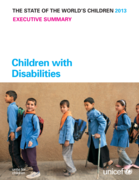
The State of the World’s Children 2013: Children with Disabilities examines the barriers – from inaccessible buildings to dismissive attitudes, from invisibility in official statistics to vicious discrimination – that deprive children with disabilities of their rights and keep them from partic
...
ipating fully in society. The report also lays out some of the key elements of inclusive societies that respect and protect the rights of all children, regardless of disability, and progress in helping all children to flourish and make their contribution to the world.
more
