
Filter
2704
Text search:
persons
with
disability
Featured
258
638
Language
2578
104
71
48
34
22
19
13
11
7
7
6
6
6
5
5
4
4
4
4
4
4
4
3
3
3
3
3
3
3
3
3
3
3
2
2
2
2
2
2
2
2
2
2
2
1
1
1
1
1
1
1
1
1
1
1
1
Document type
1686
367
251
177
109
51
32
17
8
3
2
1
Countries
137
98
77
64
57
55
50
48
46
46
43
43
40
38
38
37
37
32
30
30
29
28
24
23
21
20
20
20
19
19
18
14
13
12
11
11
10
9
9
8
8
8
8
8
7
7
7
7
7
7
7
7
7
7
6
6
6
6
6
5
5
5
5
4
4
4
4
3
3
3
3
3
3
3
3
3
2
2
2
2
2
2
2
2
2
2
2
2
2
2
1
1
1
1
1
1
1
1
1
1
1
1
1
1
1
1
1
1
1
1
1
1
1
1
1
1
1
1
1
1
1
1
1
Authors & Publishers
284
111
96
69
60
58
55
40
35
31
29
28
25
24
23
22
20
19
17
17
16
15
14
13
13
12
11
11
11
11
11
11
10
10
10
9
9
9
9
9
9
9
9
9
9
8
8
8
8
8
8
8
7
7
7
7
7
6
6
6
6
6
6
6
6
6
6
6
6
6
5
5
5
5
5
5
5
5
5
5
5
5
5
5
5
5
5
5
5
5
5
5
4
4
4
4
4
4
4
4
4
4
4
4
4
4
4
4
4
4
4
4
4
4
4
4
4
4
4
4
4
3
3
3
3
3
3
3
3
3
3
3
3
3
3
3
3
3
3
3
3
3
3
3
3
3
3
3
3
3
3
3
3
3
3
3
3
3
3
3
3
3
3
3
3
3
3
3
3
3
3
3
3
3
3
3
3
3
3
2
2
2
2
2
2
2
2
2
2
2
2
2
2
2
2
2
2
2
2
2
2
2
2
2
2
2
2
2
2
2
2
2
2
2
2
2
2
2
2
2
2
2
2
2
2
2
2
2
2
2
2
2
2
2
2
2
2
2
2
2
2
2
2
2
2
2
2
2
2
2
2
2
2
2
2
2
2
2
2
2
2
2
2
2
2
2
2
2
2
2
2
2
2
2
2
2
2
2
2
2
2
2
2
2
2
2
2
2
2
2
2
2
2
2
2
2
2
2
2
2
2
2
2
2
2
2
2
1
1
1
1
1
1
1
1
1
1
1
1
1
1
1
1
1
1
1
1
1
1
1
1
1
1
1
1
1
1
1
1
1
1
1
1
1
1
1
1
1
1
1
1
1
1
1
1
1
1
1
1
1
1
1
1
1
1
1
1
1
1
1
1
1
1
1
1
1
1
1
1
1
1
1
1
1
1
1
1
1
1
1
1
1
1
1
1
1
1
1
1
1
1
1
1
1
1
1
1
1
1
1
1
1
1
1
1
1
1
1
1
1
1
1
1
1
1
1
1
1
1
1
1
1
1
1
1
1
1
1
1
1
1
1
1
1
1
1
1
1
1
1
1
1
1
1
1
1
1
1
1
1
1
1
1
1
1
1
1
1
1
1
1
1
1
1
1
1
1
1
1
1
1
1
1
1
1
1
1
1
1
1
1
1
1
1
1
1
1
1
1
1
1
1
1
1
1
1
1
1
1
1
1
1
1
1
1
1
1
1
1
1
1
1
1
1
1
1
1
1
1
1
1
1
1
1
1
1
1
1
1
1
1
1
1
1
1
1
1
1
1
1
1
1
1
1
1
1
1
1
1
1
1
1
1
1
1
1
1
1
1
1
1
1
1
1
1
1
1
1
1
1
1
1
1
1
1
1
1
1
1
1
1
1
1
1
1
1
1
1
1
1
1
1
1
1
1
1
1
1
1
1
1
1
1
1
1
1
1
1
1
1
1
1
1
1
1
1
1
1
1
1
1
1
1
1
1
1
1
1
1
1
1
1
1
1
1
1
1
1
1
1
1
1
1
1
1
1
1
1
1
1
1
1
1
1
1
1
1
1
1
1
1
1
1
1
1
1
1
1
1
1
1
1
1
1
1
1
1
1
1
1
1
1
1
1
1
1
1
1
1
1
1
1
1
1
1
1
1
1
1
1
1
1
1
1
1
1
1
1
1
1
1
1
1
1
1
1
1
1
1
1
1
1
1
1
1
1
1
1
1
1
1
1
1
1
1
1
1
1
1
1
1
1
1
1
1
1
1
1
1
1
1
1
1
1
1
1
1
1
1
1
1
1
1
1
1
1
1
1
1
1
1
1
1
1
1
1
1
1
1
1
1
1
1
1
1
1
1
1
1
1
1
1
1
1
1
1
1
1
1
1
1
1
1
1
1
1
1
1
1
1
1
1
1
1
1
1
1
1
1
1
1
1
1
1
1
1
1
1
1
1
1
1
1
1
1
1
1
1
1
1
1
1
1
1
1
1
1
1
1
1
1
1
1
1
1
1
1
1
1
1
1
1
1
1
1
1
1
1
1
1
1
1
1
1
1
1
1
1
1
1
1
1
1
1
1
1
1
1
1
1
1
1
1
1
1
1
1
1
1
1
1
1
1
1
1
1
1
1
1
1
1
1
1
1
1
1
1
1
1
1
1
1
1
1
1
1
1
1
1
1
1
1
1
1
1
1
1
1
1
1
1
1
1
1
1
1
1
1
1
1
1
1
1
1
1
1
1
1
1
1
1
1
1
1
1
1
1
1
1
1
1
1
1
1
1
1
1
1
1
1
1
1
1
1
1
1
1
1
1
1
1
1
1
1
1
1
1
1
1
1
1
1
1
1
1
1
1
1
1
1
1
1
1
1
1
1
1
1
1
1
1
1
1
1
1
1
1
1
1
1
1
1
1
1
1
1
1
1
1
1
1
1
1
1
1
1
1
1
1
1
1
1
1
1
1
1
1
1
1
1
1
1
1
1
1
1
1
1
1
1
1
1
1
1
1
1
1
1
1
1
1
1
1
1
1
1
1
1
1
1
1
1
1
1
1
1
1
1
1
1
1
1
1
1
1
1
1
1
1
1
1
1
1
1
1
1
1
1
1
1
1
1
1
1
1
1
1
1
1
1
1
1
1
1
1
1
1
1
1
1
1
1
1
1
1
1
1
1
1
1
1
1
1
1
1
1
1
1
1
1
1
1
1
1
1
1
1
1
1
1
1
1
1
1
1
1
1
1
1
1
1
1
1
1
1
1
1
1
1
1
1
1
1
1
1
1
1
1
1
1
1
1
1
1
1
1
1
1
1
1
1
1
1
1
1
1
1
1
1
1
1
1
1
1
1
1
1
1
1
1
1
1
1
1
1
1
1
1
1
1
1
1
1
1
1
1
1
1
1
1
1
1
1
1
1
1
1
1
1
1
1
1
1
1
1
1
1
1
1
1
1
1
1
1
1
1
1
1
1
1
1
1
1
1
1
1
1
1
1
1
1
1
1
1
1
1
1
1
1
1
1
1
1
1
1
1
1
1
1
1
1
1
1
1
1
1
1
1
1
1
1
1
1
1
1
1
1
1
1
1
1
1
1
1
1
1
1
1
1
1
1
1
1
1
1
1
1
1
1
1
1
1
1
1
1
1
1
1
1
1
1
1
1
1
1
1
1
1
1
1
1
1
1
1
1
1
1
1
1
1
1
1
1
1
1
1
1
1
1
1
1
1
1
1
1
1
1
1
1
1
1
1
1
1
1
1
1
1
1
1
1
1
1
1
1
1
1
1
1
1
1
1
1
1
1
1
1
1
1
1
1
1
1
1
1
1
1
1
1
1
1
1
1
1
1
1
1
1
1
1
1
1
1
1
1
1
1
1
1
1
1
1
1
1
1
1
1
1
1
1
1
1
1
1
1
1
1
1
1
1
1
1
1
1
1
1
1
1
1
1
1
1
1
1
1
1
1
1
1
1
1
1
1
1
1
1
1
1
1
1
1
1
1
1
1
1
1
1
1
1
1
1
1
1
1
1
1
1
1
1
1
1
1
1
1
1
1
1
1
1
1
1
1
1
1
1
1
1
1
1
1
1
1
1
1
1
1
1
1
1
1
1
1
1
1
1
1
1
1
1
1
1
1
1
1
1
1
1
1
1
1
1
1
1
1
1
1
1
1
1
1
1
1
1
1
1
1
1
1
1
1
1
1
1
1
1
1
1
1
1
1
1
1
1
1
1
1
1
1
1
1
1
1
1
1
1
1
1
1
1
1
1
1
1
1
1
1
1
1
1
1
1
1
1
1
1
1
1
1
1
1
1
1
1
1
1
1
1
1
1
1
1
1
1
1
1
1
1
1
1
1
1
1
1
1
1
1
1
1
1
1
1
1
1
1
1
1
1
1
1
1
1
1
1
1
1
1
1
1
1
1
1
1
1
1
1
1
1
1
1
1
1
1
1
1
1
1
1
1
1
1
1
1
1
1
1
1
1
1
1
1
1
1
1
1
1
1
1
1
1
1
1
1
1
1
1
1
1
1
1
1
1
1
1
1
1
1
1
1
1
1
1
1
1
1
1
1
1
1
1
1
1
1
1
1
1
1
1
1
1
1
1
1
1
1
1
1
1
1
1
1
1
1
1
1
1
1
1
1
1
1
1
1
1
1
1
1
1
1
1
1
1
1
1
1
1
1
1
1
1
1
1
1
1
1
1
1
1
1
1
1
1
1
1
1
1
1
1
1
1
1
1
1
1
1
1
1
1
1
1
1
1
1
1
1
1
1
1
1
1
1
1
1
1
1
1
1
1
1
1
1
1
1
1
1
1
1
1
1
1
1
1
1
1
1
1
1
1
1
1
1
1
1
1
1
1
1
1
1
1
1
1
1
1
1
1
1
1
1
1
1
1
1
1
1
1
1
1
1
1
1
1
1
1
1
1
1
1
1
1
1
1
1
1
1
1
1
1
1
1
1
1
1
1
1
1
1
1
1
1
1
1
1
1
1
1
1
1
1
1
1
1
1
1
1
1
1
1
1
1
1
1
1
1
1
1
1
1
1
1
1
1
1
1
1
1
1
1
1
1
1
1
1
1
1
1
1
1
1
1
1
1
1
1
1
1
1
1
1
1
1
1
1
1
1
1
1
1
1
1
1
1
1
1
1
1
1
1
1
1
1
1
1
1
1
1
1
1
1
1
1
1
1
1
1
1
1
1
1
1
1
1
1
1
1
1
1
1
1
1
1
1
1
1
1
1
1
1
1
1
1
1
1
Publication Years
1
689
1732
269
12
1
Category
1005
172
159
155
129
38
6
Toolboxes
574
401
149
121
105
67
55
48
46
45
43
39
37
34
21
17
11
10
8
7
7
6
5
3
1
1

Guidelines.
The guidelines set out essential actions that humanitarian actors must take in order to effectively identify and respond to the needs and rights of persons with disabilities who are mos
...
t at risk of being left behind in humanitarian settings.
The recommended actions in each chapter place persons with disabilities at the centre of humanitarian action, both as actors and as members of affected populations. They are specific to persons with disabilities and to the context of humanitarian action and build on existing and more general standards and guidelines.
These are the first humanitarian guidelines to be developed with and by persons with disabilities and their representative organizations in association with traditional humanitarian stakeholders. Based on the outcomes of a comprehensive global and regional multi-stakeholder consultation process, they are designed to promote the implementation of quality humanitarian programmes in all contexts and across all regions, and to establish and increase both the inclusion of persons with disabilities and their meaningful participation in all decisions that concern them.
more
Part 2: Part 2 Beyond the evidence: Implications for innovation and practice
Part 2 of the Gap Analysis presents the insights from individuals working in humanitarian response, disability inclusion and older age inclusion. This report begins by lo
...
oking at how an agenda for the inclusion of people with disability and older people in humanitarian response has been established. The report then considers the ways in which standards and guidance inform humanitarian practice and the challenges associated with translating commitments into practice. Finally, the report identifies seven areas where there are key gaps and opportunities presenting the potential for innovation in research and practice.
more
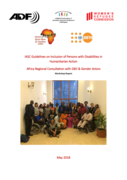
This one-day consultation workshop brought together both organizations of persons with disabilities (DPOs) and humanitarian actors to:-Identify priority areas for gender mainstreaming and GBV preven
...
tion and response across the Guidelines.-Collect useful resources, promising practices and other relevant information for gender and GBV actors to be integrated into the Guidelines.-Map opportunities for gender and GBV actors in the region to contribute to later phases of the Guidelines development and roll-out process.
more
The Toolkit is a resource that may be used by businesses of all sizes in the different sectors. The guidelines provided in the Toolkit are intentionally general so they can easily be adapted by employers to their specific business culture, working environment and human resource procedures.
The Tool
...
kit will be particularly relevant to designated employers in terms of the Employment Equity Act 55 of 1998. Human resources personnel, DPO’s and all organisations pursuing greater employment opportunities
for persons with disabilities will find the Toolkit similarly useful.
more
This report presents the findings from a ‘deep dive’ undertaken by UNICEF East Asia and the Pacific Regional Office to consider the experiences in Cambodia, Indonesia, the Lao People’s Democratic Republic, Malaysia, Myanmar, the Philippines and the Pacific. The target audience for this report
...
includes OPDs and humanitarian actors at global, regional, and country levels.
more

Developed as part of the UN Women–WHO Global Joint Programme on Violence Against Women Data, this briefing note focuses on the measurement of violence against women with disability and is one in a
...
series of methodological briefing notes for strengthening the measurement and data collection of violence against particular groups of women or specific aspects of violence against women.
The briefing note is meant for researchers, national statistics offices, and others involved in data collection on violence against women. It provides an overview of the challenges in the availability, measurement, and collection of data on violence against women with disability and outlines recommendations for good practice in measurement, with the aim of strengthening ongoing and future data collection efforts and increasing the availability of such data.
The inclusion of women with disability and the issue of disability within population-based surveys and research on violence against women is necessary for an improved understanding of populations of women at specific risk of violence. This knowledge would also allow more tailored prevention strategies and response/services and programmes to be designed in a way that addresses the specific needs of women with disability.
more
Human Rights based research into COVID-19 related violations with focus on persons with disabilities
The goal of the study was to assess the feasibility of the COVID-19 measures and their resultant impact on Persons with Disabilities in Malawi.
Specifically, the study addressed the following objec
...
tives:
a) To evaluate Government’s response to COVID-19 following the adoption of the new measures of COVID-19 in January 2021 in line with principles and norms of human rights. (This includes establishing the extent to which the new measures have been implemented)
b) To assess the extent to which the provision health service delivery specifically access to health for PWDs including vaccine inflammation and facilities.
c) To establish the key COVID-19 related human rights violations during the pandemic period affecting PWDs
d) To assess the extent to which Government (and other nonstate actors) have implemented the recommendations from the preliminary MHRC statement
e) To provide advice and make recommendations to the Executive, Parliament and other stakeholders on how they can improve their response to COVID-19 from a rights perspective with a focus on PWDs.
more
In many countries, people with disabilities still face multiple barriers when accesing health services. This case study details the challenges encountered on the way, the lessons drawn from it and achievements to date. You could also download a long
...
version: http://health.bmz.de/good-practices/GHPC/Every_person_counts/Every_person_counts_long_ENG.pdf
more
While the ratification of the Convention and its Optional Protocol has proceeded rapidly, knowledge on how to implement and monitor them has not kept pace. Conscious of this challenge, my Office has developed this Training Guide on the Convention and its Optional Protocol. It is complemented by eigh
...
t training modules, designed to inform and empower those who are involved in ratifying, implementing and monitoring the two instruments. While the Training Guide is mainly targeted at facilitators of training courses on the Convention and its Optional Protocol, it acknowledges that each and every one of us has a role to play. I recommend wide dissemination of the training package, and its use by all those who want to embark upon the essential journey towards greater awareness and effective implementation of the rights of persons with disabilities and, ultimately, the building of an inclusive society for all.
more

Guidance on Disability Inclusion for GBV Partners in Lebanon.
Applied research concerning inclusion of persons with disabilities in systems of social protection
London School of Hygiene and Tropical Medicine and the Technische Universität München; REPOA
GIZ; German Federal Ministry for Economic Cooperation and Development (BMZ)
(2015)
C1
Social Protection Policy Analysis, Tanzania

CBR Workers’ Training Needs for People with Communication Disability
Yeap, C.E., Ibrahim, H., Van Dort, S., et al.
Disability, CBR & Inclusive Development Journal (DCIDJ)
(2016)
CC
This study, although not generalizable, builds up the literature on worker training needs in developing countries, and would be of benefit for speech-language pathologists and worker trainers. This paper aimed to investigate the training needs of Malaysian workers in relation to people
...
with communication disability. The primary aim was to investigate common self-perceived training needs in relation to communication disability and to find how important these needs are to workers. A secondary aim was to explore the relationship between selected worker variables and training needs.
more
Attitudes of Parents towards Behavioural Management of Children with Intellectual Disability
Amina Mushtaq, Attiya Inam, Muhammad Abiodullah
Disability, CBR & Inclusive Development Journal (DCIDJ)
(2015)
CC
The study was designed to understand the attitudes of parents of children with intellectual disabilities, with regard to the management of problematic behaviour of their children, and to identify wh
...
ether the mothers or the fathers had more positive attitudes.
more

Effect of Music Intervention on the Behaviour Disorders of Children with Intellectual Disability using Strategies from Applied Behaviour Analysis
Ritu Kalgotra, Jaspal Singh Warwal
Disability, CBR & Inclusive Development Journal (DCIDJ)
(2017)
CC
The effect of music intervention on mild and moderate Intellectually
disabled children was studied in non-randomized pre-test post-test control
group design at an Indian state (Jammu) J&K
While the COVID-19 pandemic threatens all members of society, persons with disabilities are disproportionately impacted due to attitudinal, environmental and institutional barriers that are reproduc
...
ed in the COVID-19 response.
more
