
Filter
1020
Text search:
chronic
pulmonary
diseases
Featured
136
205
Language
Document type
422
213
208
61
36
30
21
13
7
3
2
2
1
1
Countries
134
68
37
33
28
27
24
22
19
18
16
16
14
13
13
12
12
11
10
10
10
9
9
8
8
7
6
6
6
6
5
4
4
4
3
3
3
3
3
3
3
2
2
2
2
2
2
2
2
2
2
2
1
1
1
1
1
1
1
1
1
1
1
1
1
1
1
1
1
1
1
1
1
1
1
1
1
1
1
1
1
1
1
Authors & Publishers
Publication Years
Category
381
198
122
31
20
19
7
Toolboxes
189
158
76
43
42
26
25
24
24
18
14
13
12
9
8
7
6
6
6
4
4
3
2
2
1

The WHO fact sheet on household air pollution highlights that around 2.1 billion people rely on solid fuels like wood and coal for cooking, using open fires or inefficient stoves. This leads to severe indoor air pollution, contributing to about 3.2 million premature deaths each year, including over
...
Worldwide, around 2.3 billion people still cook using solid fuels (such as wood, crop waste, charcoal, coal and dung) and kerosene in open fires and inefficient stoves. Most of these people are poor and live in low- and middle-income countries. There is a large discrepancy in access to cleaner cooki
...
The WHO fact sheet on household air pollution highlights that around 2.1 billion people rely on solid fuels like wood and coal for cooking, using open fires or inefficient stoves. This leads to severe indoor air pollution, contributing to about 3.2 million premature deaths each year, including over
...

The document provides step-by-step instructions for using a Flexhaler dry powder inhaler effectively. It emphasizes proper inhalation technique, including priming the device, loading a dose, and breathing correctly. It also advises users to rinse their mouth after use and highlights the importance o
...

The document "ABCs of Using a Nebulizer" by the American Lung Association provides instructions for using a nebulizer effectively for COPD or other lung conditions. It covers assembling the device, using it for treatment, and proper cleaning procedures to ensure medication efficacy. The guide also o
...

The Pan African Thoracic Society is a major professional organization representing Lung Health in Africa. Africa carries a disproportionally high burden of respiratory morbidity and mortality relative to the population size.

Asthma is the most common chronic respiratory disease (CRD) worldwide and is estimated to affect 262 million causing significant mortality and morbidity, and has emerged as an important public health problem in many Latin American (LA) countries ove
...

Occupational exposures to respirable crystalline silica occur in a variety of
industries and occupations because of its extremely common natural occurrence and the wide uses of materials and products that contain it. At least 1.7 million U.S. workers are potentially exposed to respirable crystallin
...
The article presents findings from the BREATHE study, which assessed the distribution of COPD-related symptoms in the Middle East and North Africa (MENA) region. The study involved a large cross-sectional survey in 11 countries, collecting data on respiratory symptoms, smoking habits, and potential
...

PATS and ERS
Paediatric Webinar Series
Paediatric Respiratory Reserch: meet the experts
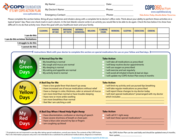
Please complete the section below. Bring all your medicines and inhalers along with a complete list to doctor’s office visits. Think about your ability to perform these activities on a typical “green” day. Place one check mark in each column. In the last (blank) column write in an activity you
...

Asthma is the most common chronic condition in children worldwide. It affects daytime activities, sleep and school attendance and causes anxiety to parents, families and other carers. The quality of asthma diagnosis and management globally still nee
...

The GAAPP (Global Allergy and Asthma Patient Platform) website provides information on COPD, explaining its symptoms, risk factors, and treatment options. It emphasizes the importance of early diagnosis and proper management to improve patient outcomes and quality of life. The platform aims to suppo
...

PATS and ERS
Paediatric Webinar Series
Air pollution and the lung in children:
the evidence for exposure and prevention measures
Asthma is one of the neglected diseases in Africa with a high prevalence. Allergic fungal diseases have been reported to complicate asthma progression and treatment outcomes. However, data about fun
...

Childhood Respiratory Diseases & the Environment learning objectives
•To understand how the respiratory tract is affected by the environment
•To describe respiratory diseases linked to the
...

Bonchial asthma is the most common chronic respiratory disease in the world. In Kenya, it has been estimated that about 7.5% of the Kenyan population, nearly 4 million people, are currently living with asthma. Many cases tend to be underdiagnosed an
...
Part of Comprehensive Primary Health Care
Comprehensive Primary Health Care has an important role in the primary and secondary prevention of several disease conditions, including non-communicable diseases which today contribute to over 60% of the mortality in India. The provision of Compreh
...

Severe and difficult asthma in a low- and middle-income country (LMIC) can relate to lack of availability of basic medications; potentially reversible factors such as poor adherence or comorbidities such as obesity inhibiting a good response to treatment; and (rarely) true severe, therapy-resistant
...
