
Filter
3891
Text search:
World
Health
Organisation
WHO
Featured
Recommendations
313
New Publications
899
Language
Document type
No document type
1928
Studies & Reports
845
Guidelines
447
Strategic & Response Plan
178
Manuals
171
Fact sheets
99
Training Material
79
Situation Updates
59
Infographics
29
Resource Platforms
18
Brochures
14
Online Courses
10
Videos
9
App
4
Dashboards/Maps
1
Countries / Regions
Global
199
India
177
South Africa
115
Nigeria
88
Kenya
87
Zambia
81
Uganda
79
Sierra Leone
75
Africa
75
Latin America and the Carribbean
72
Western and Central Europe
67
Nepal
61
Myanmar / Burma
57
Ghana
55
Namibia
55
Malawi
52
Syria
44
Tanzania
44
Rwanda
36
Liberia
34
Zimbabwe
33
Ethiopia
32
Congo, Democratic Republic of
31
Ukraine
31
Bangladesh
29
Haiti
27
Lesotho
26
Germany
25
Mozambique
24
Senegal
23
Indonesia
23
East and Southern Africa
23
Cameroon
22
South Sudan
22
Guinea
20
Cambodia
20
West and Central Africa
20
Asia
20
Eastern Europe
20
Botswana
18
South–East Asia Region
18
Philippines
16
Middle East and North Africa
16
Russia
15
Mali
14
Burkina Faso
13
Benin
13
Central African Republic
13
Eswatini/ Swaziland
13
Brazil
12
Madagascar
12
Pakistan
11
Chad
11
Vietnam
11
Niger
10
China
10
Sri Lanka
10
Laos
9
Thailand
8
Argentina
8
Colombia
8
Western Pacific Region
8
Venezuela
8
Côte d’Ivoire / Ivory Coast
7
Iraq
7
Jordan
7
Afghanistan
7
Lebanon
7
Yemen
7
Somalia
6
Turkey
6
Sudan
6
Angola
6
Togo
5
Mexico
5
Tajikistan
5
Kyrgyzstan
5
France
5
Malaysia
4
Peru
4
Guatemala
4
Eastern Europe and Central Asia
4
Poland
4
Moldova
4
Iran
4
United Kingdom
4
Spain
4
Guinea-Bissau
3
Serbia
3
Hungary
3
Burundi
3
Ecuador
3
El Salvador
3
Bolivia
3
Libya
3
Chile
3
Congo-Brazzaville
3
Timor Leste/ East Timor
3
Kazakhstan
3
Georgia
3
Jamaica
3
Japan
3
Mauritius
3
Portugal
3
Morocco
2
Gambia
2
Mauritania
2
Singapore
2
North Macedonia
2
Croatia
2
Cuba
2
Honduras
2
Greece
2
Nicaragua
2
Paraguay
2
Fiji
2
Bhutan
2
Albania
2
Armenia
2
Southern Africa
2
Qatar
2
Romania
2
Uzbekistan
2
Gabon
2
Tunisia
2
Belarus
2
Israel
2
USA
1
Saudi Arabia
1
Egypt
1
Ireland
1
Papua New Guinea
1
Dominican Republic
1
Switzerland
1
Palestine
1
North Korea
1
Italy
1
Mongolia
1
Bulgaria
1
Lithuania
1
Slovakia
1
Australia
1
North America
1
Uruguay
1
Turkmenistan
1
Denmark
1
Maldives
1
Norway
1
Algeria
1
Azerbaijan
1
Bosnia and Herzegovina
1
Eritrea
1
Authors & Publishers
Publication Years
Category
Countries
1396
Key Resources
253
Clinical Guidelines
239
Public Health
197
Women & Child Health
169
Capacity Building
61
Pharmacy & Technologies
33
Annual Report MEDBOX
2
Toolboxes
COVID-19
311
Mental Health
274
Disability
263
Planetary Health
197
HIV
193
AMR
192
TB
138
Caregiver
114
Global Health Education
112
NTDs
105
Conflict
98
Ebola & Marburg
96
Refugee
96
Rapid Response
95
Health Financing Toolbox
84
NCDs
70
Malaria
63
2.0 Rapid Response
47
Cholera
44
Natural Hazards
43
Pharmacy
42
Social Ethics
22
Specific Hazards
20
Zika
18
Polio
15
Typhoon
1
Those who clean are the first line of defense against health care-associated infections (HAIs), and support efforts to reduce antimicrobial resistance (AMR).
Strengthening the training of this im
...
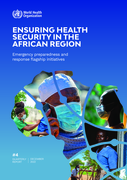
The World Health Organization Regional Office for Africa (WHO AFRO), in accordance with recommendations from various
...
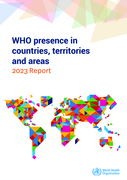
The 2023 Country Presence Report provides an overview of what WHO does in countries to advance towards the SDGs and implement GPW13, how we do it, with whom we work, and what is needed to overcome challenges for achieving results and impact in count
...
As of 21 September, the diphtheria oubreak has resulted in a total of 453 deaths recorded among all confirmed cases (Case Fatality Rate/ CFR: 6.3%). A total of 11,587 suspected and 7,202 confirmed cases have been reported with 99 local government areas (LGAs) affected across 18 states. Event has be
...
Findings, interpretations and conclusions
expressed in this document are based on infor-
mation gathered by GIZ and its consultants,
partners and contributors from reliable sources.
WHO needs US$ 87.4 million over 6 months, from September 2024 to February 2025, to work with countries, partners and other stakeholders to stop and contain the current outbreak of mpox.
The chapter Closing the Gap: The Health Disparities of Older LGBTI People in the Americas, is part of the publication series titled ‘Decade of Healthy Aging: situation and challenges’. In order to outline the current knowledge available on the s
...
The 2018 global health financing report presents health spending data for all WHO Member States between 2000 and 2016 based on the SHA 2011 methodo
...
New WHO Global Air Quality Guidelines (AQGs) provide clear evidence of the damage air pollution inflicts on human health, at even lower concentrations than previously understood. The guidelines reco
...
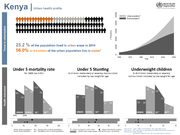

In 2015, to advance the global and national response to antimicrobial resistance (AMR), the World Health Assembly issued resolution WHA68.7 calling for all Member States to develop AMR national acti
...
Energy use in the home is a vital and ubiquitous feature of human society. Energy
is used for a wide variety of purposes, including cooking, space heating, light-
ing, small-scale income generation, various household tasks, and entertainment.
This report describes the “Building health workers capacity on air pollution and health” pilot workshop held in Ghana in 2022 which aimed at testing the training material of the first
...
Prevention offers the greatest public health potential and the most cost-effective long-term cancer control strategy. However, with today’s multiple media streams, the general public is often overwhelmed by an abundance of confusing or ambiguous m
...
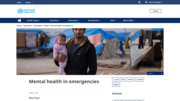
WHO-endorsed interagency mental health and psychosocial support guidelines for an effective response to emergencies recommend services at a number of levels – from basic services to clinical care.
...
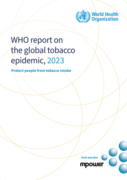
The ninth WHO report on the global tobacco epidemic tracks the progress made by countries in tobacco control since 2008 and, marks 15 years since the introduction of the MPOWER technical package which is designed to help countries implement the dema
...
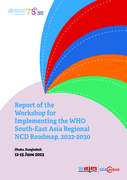
Workshop Report: Dhaka, Bangladesh 12-15 June 2023
The availability of controlled medicines is crucial for patients requiring palliative care, pain relief and symptom management. Many individuals worldwide, especially in low- and middle-income countries, continue to experience limited access to these essential medicines. Enhancing access to controll
...
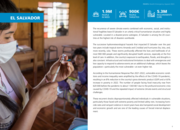
The recurrence of severe climate events combined with economic, social, and institutional fragilities leave El Salvador in an utterly critical humanitarian situation and highly vulnerable. Located in a disaster-prone subregion, El Salvador is among the 20 countries at the highest risk of disasters w
...
This article summarises the process involved in developing the updated guideline and includes an infographic to highlight key IPC recommendations from the guideline, following the patient care pathway from the community to a healthcare facility to discharge.
