
Filter
327
Text search:
HIV/AIDS
Indicator
Survey
Featured
27
157
Language
Document type
237
47
22
10
4
2
2
2
Countries
35
25
24
16
16
15
14
11
11
10
10
10
8
8
7
7
6
5
4
4
4
3
3
3
3
3
3
2
2
2
2
1
1
1
1
1
1
1
1
1
1
1
1
1
1
1
1
1
1
Authors & Publishers
Publication Years
Category
248
10
8
7
3
3
Toolboxes
43
12
3
3
2
2
2
2
2
2
1
1
1
1
1
1
1
A Policy analysis
Reporting Period 2010-2011


The project will support preventive actions, traditional medicine and the coordination and
implementation capacities of the national framework for HIV/AIDS control.
WHO’s sentinel surveys of acquired HIV resistance to dolutegravir among people receiving dolutegravir-containing antiretroviral therapy is intended for easy and frequent implementation. Results from sentinel surveys provide insight into the prevalence and year-over-year trends of dolutegravir resi
...
5th edition.
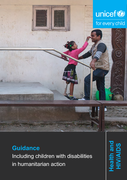
Guidance | Preparedness - Response and early recovery - Recovery and reconstruction
The TB section of the toolkit presents selected (a) programmatic output and (b) outcome and impact indicators for TB. In addition to recommended monitoring programs and measuring the outcomes and impact of TB programs, indicators for the strengthening of health systems, strengthening of community sy
...

WHO guideline on HIV service delivery
recommended
Updated guidance on the integration of diabetes, hypertension and mental health services, and interventions to support adherence to antiretroviral therapy. The guideline offers practical implementation guidance for countries and key stakeholders as well as outlining key research gaps. As life expec
...
Preprint VeriXiv 2025, 2:226 Last updated: 20 OCT 2025
