
Filter
368
Text search:
FAO,
WFP
Featured
Recommendations
22
New Publications
165
Language
Document type
No document type
223
Studies & Reports
72
Strategic & Response Plan
38
Manuals
12
Situation Updates
9
Guidelines
9
Fact sheets
3
Training Material
2
Countries / Regions
Sierra Leone
23
South Sudan
21
Myanmar / Burma
18
Global
16
Liberia
13
Nepal
13
Syria
13
Ethiopia
12
Haiti
12
Yemen
11
Guinea
10
Congo, Democratic Republic of
10
Bangladesh
10
Sudan
7
Lesotho
7
Uganda
6
Philippines
6
Malawi
6
Mozambique
6
Namibia
6
Ukraine
6
Nigeria
5
Ghana
5
Zimbabwe
5
Kenya
5
Central African Republic
5
Somalia
4
Zambia
4
Latin America and the Carribbean
4
Africa
4
Venezuela
4
Pakistan
3
Afghanistan
3
Turkey
3
Rwanda
3
Indonesia
3
Burundi
3
Madagascar
3
East and Southern Africa
3
West and Central Africa
3
Asia
3
Iraq
2
Jordan
2
Germany
2
Eswatini/ Swaziland
2
South–East Asia Region
2
Burkina Faso
1
Senegal
1
Mali
1
Côte d’Ivoire / Ivory Coast
1
Cameroon
1
Niger
1
Lebanon
1
Egypt
1
Tanzania
1
Cambodia
1
South Africa
1
Papua New Guinea
1
Benin
1
Vanuatu
1
Peru
1
Colombia
1
Ecuador
1
Botswana
1
Sri Lanka
1
Middle East and North Africa
1
Western Pacific Region
1
Eastern Europe and Central Asia
1
Western and Central Europe
1
Paraguay
1
Solomon Islands
1
Eastern Europe
1
North Korea
1
Djibouti
1
Iran
1
Japan
1
Authors & Publishers
Publication Years
Category
Countries
163
Key Resources
63
Women & Child Health
13
Public Health
9
Capacity Building
3
Clinical Guidelines
2
Toolboxes
Conflict
47
Natural Hazards
35
COVID-19
31
Ebola & Marburg
28
Planetary Health
23
Global Health Education
19
Rapid Response
10
Refugee
6
HIV
6
Typhoon
5
Health Financing Toolbox
4
2.0 Rapid Response
4
Zika
2
South Sudan
1
Mental Health
1
Specific Hazards
1
Caregiver
1
NCDs
1
English Analysis on World about Disaster Management and Protection and Human Rights; published on 12 Jan 2021 by IFRC
In this report a nutrition governance framework was applied to research and analyse the provincial experience with nutrition policy in Pakistan, looking both at chronic and acute malnutrition. Twenty-one in-depth interviews with key stakeholders were also conducted along with a review of published a
...
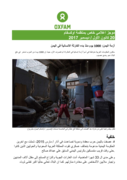
Some 90 per cent of Yemen’s food has to be imported and since a Saudi-led coalition imposed a blockade of the country’s key northern ports more than a month ago, only over a third of the food its people need is coming in.
More than 7 million people are now at acute risk of famine
The United Nations Network on Migration is committed to supporting all partners in pursuit of the implementation of the Global Compact for Safe, Orderly and Regular Migration, recognizing that this cooperative framework provides an invaluable tool for ensuring inclusive, collective responses to COVI
...
Part 2 Measurement
Since the end of 2018, there has been a significant upsurge in violence in Rakhine State after armed conflict broke out between the Arakan Army (AA) and the Myanmar Military. The violence escalated following attacks by the AA against military sites in January 2019 and subsequent counter-attacks by t
...
USD$ 28 million allocated from UN Central Emergency Fund to assist people affected by Boko Haram’s insurgency.
Boko Haram, insecurity exert misery in Cameroon’s Far North Region.
Millions of people in Ebola-affected countries risk serious food shortages during the June-August lean
...
This scoping study done in Myanmar offers the chance for FoodSTART+ to explore prospects for future partnerships in another important country of the region. The study was done from October 2016 to February 2017 and included visits to selected major potato and cassava production areas to meet with re
...
Sphere Handbook in Haitian Creole
recommended
The Sphere Handbook "Humanitarian Charter and Minimum Standards in Disaster Response" is now available in Haitian Creole.
This translation has been coordinated by Oxfam Canada and funded by the following members of the Policy Action Group on Emergency Response (PAGER Canada): World Vision Canada,
...
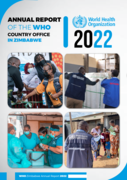
This report highlights the work of the World Health Organization (WHO) in Zimbabwe towards contributing to the triple billion targets in the context of the Sustainable Development Goals (SDGs
