
Filter
7440
Text search:
developing
world
Featured
672
1843
Language
7118
220
188
144
106
68
54
27
9
9
7
6
6
5
5
5
4
4
4
4
4
3
3
3
3
3
3
3
3
3
3
3
3
2
2
2
2
2
2
2
2
2
2
2
2
2
1
1
1
1
1
1
1
1
1
1
1
1
1
1
1
1
1
1
Document type
3846
1419
985
472
318
150
143
40
23
14
13
10
2
1
Countries
417
301
206
161
144
143
136
133
128
123
115
114
111
102
94
92
87
86
84
81
72
71
58
51
51
50
49
49
47
43
42
40
37
37
36
33
33
33
29
28
27
27
25
25
24
23
23
22
20
19
17
17
16
16
16
16
16
15
14
14
14
13
13
13
13
13
11
10
10
9
9
8
8
8
8
6
6
6
6
5
5
5
5
5
5
5
5
5
4
4
4
4
4
4
3
3
3
3
3
3
3
3
3
3
3
2
2
2
2
2
2
2
2
2
2
2
2
2
2
2
2
2
2
1
1
1
1
1
1
1
1
1
1
1
1
1
1
1
1
1
1
1
1
1
1
1
Authors & Publishers
1134
353
239
221
191
150
135
111
63
58
58
57
38
38
36
34
32
30
27
25
24
24
24
23
23
23
23
23
22
22
22
21
21
20
20
19
18
18
18
18
17
17
17
16
16
16
16
15
15
15
15
15
15
15
15
15
14
14
14
14
14
14
13
13
13
13
13
12
12
12
12
12
12
12
12
12
11
11
11
11
11
11
11
11
11
10
10
10
10
10
9
9
9
9
9
9
9
9
9
9
9
9
9
9
8
8
8
8
8
8
8
8
8
8
8
8
8
8
8
8
7
7
7
7
7
7
7
7
7
7
7
7
7
7
7
7
7
7
7
7
6
6
6
6
6
6
6
6
6
6
6
6
6
6
6
6
6
6
6
6
6
6
6
6
6
6
6
6
6
5
5
5
5
5
5
5
5
5
5
5
5
5
5
5
5
5
5
5
5
5
5
5
5
5
5
5
5
5
5
5
5
5
5
5
5
5
5
5
5
5
5
5
5
5
5
5
5
5
5
5
5
5
5
5
5
4
4
4
4
4
4
4
4
4
4
4
4
4
4
4
4
4
4
4
4
4
4
4
4
4
4
4
4
4
4
4
4
4
4
4
4
4
4
4
4
4
4
4
4
4
4
4
4
4
4
4
4
4
4
4
4
4
4
4
4
4
4
4
4
4
4
3
3
3
3
3
3
3
3
3
3
3
3
3
3
3
3
3
3
3
3
3
3
3
3
3
3
3
3
3
3
3
3
3
3
3
3
3
3
3
3
3
3
3
3
3
3
3
3
3
3
3
3
3
3
3
3
3
3
3
3
3
3
3
3
3
3
3
3
3
3
3
3
3
3
3
3
3
3
3
3
3
3
3
3
3
3
3
3
3
3
3
3
3
3
3
3
3
3
3
3
3
3
3
3
3
3
3
3
3
3
3
3
3
3
3
3
3
3
3
3
3
3
3
3
3
3
3
3
3
3
3
3
3
3
3
3
3
3
3
3
3
3
3
3
3
3
3
3
3
3
3
3
3
3
2
2
2
2
2
2
2
2
2
2
2
2
2
2
2
2
2
2
2
2
2
2
2
2
2
2
2
2
2
2
2
2
2
2
2
2
2
2
2
2
2
2
2
2
2
2
2
2
2
2
2
2
2
2
2
2
2
2
2
2
2
2
2
2
2
2
2
2
2
2
2
2
2
2
2
2
2
2
2
2
2
2
2
2
2
2
2
2
2
2
2
2
2
2
2
2
2
2
2
2
2
2
2
2
2
2
2
2
2
2
2
2
2
2
2
2
2
2
2
2
2
2
2
2
2
2
2
2
2
2
2
2
2
2
2
2
2
2
2
2
2
2
2
2
2
2
2
2
2
2
2
2
2
2
2
2
2
2
2
2
2
2
2
2
2
2
2
2
2
2
2
2
2
2
2
2
2
2
2
2
2
2
2
2
2
2
2
2
2
2
2
2
2
2
2
2
2
2
2
2
2
2
2
2
2
2
2
2
2
2
2
2
2
2
2
2
2
2
2
2
2
2
2
2
2
2
2
2
2
2
2
2
2
2
2
2
2
2
2
2
2
2
2
2
2
2
2
2
2
2
2
2
2
2
2
2
2
2
2
2
2
2
2
2
2
2
2
2
2
2
2
2
2
2
2
2
2
2
2
2
2
2
2
2
2
2
2
2
2
2
2
2
2
2
2
2
2
2
2
2
2
2
2
2
2
2
2
2
2
2
2
2
2
2
2
2
2
2
2
2
2
2
2
2
2
2
2
2
2
2
2
2
2
2
2
2
2
2
2
2
2
2
2
2
2
2
1
1
1
1
1
1
1
1
1
1
1
1
1
1
1
1
1
1
1
1
1
1
1
1
1
1
1
1
1
1
1
1
1
1
1
1
1
1
1
1
1
1
1
1
1
1
1
1
1
1
1
1
1
1
1
1
1
1
1
1
1
1
1
1
1
1
1
1
1
1
1
1
1
1
1
1
1
1
1
1
1
1
1
1
1
1
1
1
1
1
1
1
1
1
1
1
1
1
1
1
1
1
1
1
1
1
1
1
1
1
1
1
1
1
1
1
1
1
1
1
1
1
1
1
1
1
1
1
1
1
1
1
1
1
1
1
1
1
1
1
1
1
1
1
1
1
1
1
1
1
1
1
1
1
1
1
1
1
1
1
1
1
1
1
1
1
1
1
1
1
1
1
1
1
1
1
1
1
1
1
1
1
1
1
1
1
1
1
1
1
1
1
1
1
1
1
1
1
1
1
1
1
1
1
1
1
1
1
1
1
1
1
1
1
1
1
1
1
1
1
1
1
1
1
1
1
1
1
1
1
1
1
1
1
1
1
1
1
1
1
1
1
1
1
1
1
1
1
1
1
1
1
1
1
1
1
1
1
1
1
1
1
1
1
1
1
1
1
1
1
1
1
1
1
1
1
1
1
1
1
1
1
1
1
1
1
1
1
1
1
1
1
1
1
1
1
1
1
1
1
1
1
1
1
1
1
1
1
1
1
1
1
1
1
1
1
1
1
1
1
1
1
1
1
1
1
1
1
1
1
1
1
1
1
1
1
1
1
1
1
1
1
1
1
1
1
1
1
1
1
1
1
1
1
1
1
1
1
1
1
1
1
1
1
1
1
1
1
1
1
1
1
1
1
1
1
1
1
1
1
1
1
1
1
1
1
1
1
1
1
1
1
1
1
1
1
1
1
1
1
1
1
1
1
1
1
1
1
1
1
1
1
1
1
1
1
1
1
1
1
1
1
1
1
1
1
1
1
1
1
1
1
1
1
1
1
1
1
1
1
1
1
1
1
1
1
1
1
1
1
1
1
1
1
1
1
1
1
1
1
1
1
1
1
1
1
1
1
1
1
1
1
1
1
1
1
1
1
1
1
1
1
1
1
1
1
1
1
1
1
1
1
1
1
1
1
1
1
1
1
1
1
1
1
1
1
1
1
1
1
1
1
1
1
1
1
1
1
1
1
1
1
1
1
1
1
1
1
1
1
1
1
1
1
1
1
1
1
1
1
1
1
1
1
1
1
1
1
1
1
1
1
1
1
1
1
1
1
1
1
1
1
1
1
1
1
1
1
1
1
1
1
1
1
1
1
1
1
1
1
1
1
1
1
1
1
1
1
1
1
1
1
1
1
1
1
1
1
1
1
1
1
1
1
1
1
1
1
1
1
1
1
1
1
1
1
1
1
1
1
1
1
1
1
1
1
1
1
1
1
1
1
1
1
1
1
1
1
1
1
1
1
1
1
1
1
1
1
1
1
1
1
1
1
1
1
1
1
1
1
1
1
1
1
1
1
1
1
1
1
1
1
1
1
1
1
1
1
1
1
1
1
1
1
1
1
1
1
1
1
1
1
1
1
1
1
1
1
1
1
1
1
1
1
1
1
1
1
1
1
1
1
1
1
1
1
1
1
1
1
1
1
1
1
1
1
1
1
1
1
1
1
1
1
1
1
1
1
1
1
1
1
1
1
1
1
1
1
1
1
1
1
1
1
1
1
1
1
1
1
1
1
1
1
1
1
1
1
1
1
1
1
1
1
1
1
1
1
1
1
1
1
1
1
1
1
1
1
1
1
1
1
1
1
1
1
1
1
1
1
1
1
1
1
1
1
1
1
1
1
1
1
1
1
1
1
1
1
1
1
1
1
1
1
1
1
1
1
1
1
1
1
1
1
1
1
1
1
1
1
1
1
1
1
1
1
1
1
1
1
1
1
1
1
1
1
1
1
1
1
1
1
1
1
1
1
1
1
1
1
1
1
1
1
1
1
1
1
1
1
1
1
1
1
1
1
1
1
1
1
1
1
1
1
1
1
1
1
1
1
1
1
1
1
1
1
1
1
1
1
1
1
1
1
1
1
1
1
1
1
1
1
1
1
1
1
1
1
1
1
1
1
1
1
1
1
1
1
1
1
1
1
1
1
1
1
1
1
1
1
1
1
1
1
1
1
1
1
1
1
1
1
1
1
1
1
1
1
1
1
1
1
1
1
1
1
1
1
1
1
1
1
1
1
1
1
1
1
1
1
1
1
1
1
1
1
1
1
1
1
1
1
1
1
1
1
1
1
1
1
1
1
1
1
1
1
1
1
1
1
1
1
1
1
1
1
1
1
1
1
1
1
1
1
1
1
1
1
1
1
1
1
1
1
1
1
1
1
1
1
1
1
1
1
1
1
1
1
1
1
1
1
1
1
1
1
1
1
1
1
1
1
1
1
1
1
1
1
1
1
1
1
1
1
1
1
1
1
1
1
1
1
1
1
1
1
1
1
1
1
1
1
1
1
1
1
1
1
1
1
1
1
1
1
1
1
1
1
1
1
1
1
1
1
1
1
1
1
1
1
1
1
1
1
1
1
1
1
1
1
1
1
1
1
1
1
1
1
1
1
1
1
1
1
1
1
1
1
1
1
1
1
1
1
1
1
1
1
1
1
1
1
1
1
1
1
1
1
1
1
1
1
1
1
1
1
1
1
1
1
1
1
1
1
1
1
1
1
1
1
1
1
1
1
1
1
1
1
1
1
1
1
1
1
1
1
1
1
1
1
1
1
1
1
1
1
1
1
1
1
1
1
1
1
1
1
1
1
1
1
1
1
1
1
1
1
1
1
1
1
1
1
1
1
1
1
1
1
1
1
1
1
1
1
1
1
1
1
1
1
1
1
1
1
1
1
1
1
1
1
1
1
1
1
1
1
1
1
1
1
1
1
1
1
1
1
1
1
1
1
1
1
1
1
1
1
1
1
1
1
1
1
1
1
1
1
1
1
1
1
1
1
1
1
1
1
1
1
1
1
1
1
1
1
1
1
1
1
1
1
1
1
1
1
1
1
1
1
1
1
1
1
1
1
1
1
1
1
1
1
1
1
1
1
1
1
1
1
1
1
1
1
1
1
1
1
1
1
1
1
1
1
1
1
1
1
1
1
1
1
1
1
1
1
1
1
1
1
1
1
1
1
1
1
1
1
1
1
1
1
1
1
1
1
1
1
1
1
1
1
1
1
1
1
1
1
1
1
1
1
1
1
1
1
1
1
1
1
1
1
1
1
1
1
1
1
1
1
1
1
1
1
1
1
1
1
1
1
1
1
1
1
1
1
1
1
1
1
1
1
1
1
1
1
1
1
1
1
1
1
1
1
1
1
1
1
1
1
1
1
1
1
1
1
1
1
1
1
1
1
1
1
1
1
1
1
1
1
1
1
1
1
1
1
1
1
1
1
1
1
1
1
1
1
1
1
1
1
1
1
1
1
1
1
1
1
1
1
1
1
1
1
1
1
1
1
1
1
1
1
1
1
1
1
1
1
1
1
1
1
1
1
1
1
1
1
1
1
1
1
1
1
1
1
1
1
1
1
1
1
1
1
1
1
1
1
1
1
1
1
1
1
1
1
1
1
1
1
1
1
1
1
1
1
1
1
1
1
1
1
1
1
1
1
1
1
1
1
1
1
1
1
1
1
1
1
1
1
1
1
1
1
1
1
1
1
1
1
1
1
1
1
1
1
1
1
1
1
1
1
1
1
1
1
1
1
1
1
1
1
1
1
1
1
1
1
1
1
1
1
1
1
1
1
1
1
1
1
1
1
1
1
1
1
1
1
1
1
1
1
1
1
1
1
1
1
1
1
1
1
1
1
1
1
1
1
1
1
1
1
1
1
1
1
1
1
1
1
1
1
1
1
1
1
1
1
1
1
1
1
1
1
1
1
1
1
1
1
1
1
1
1
1
1
1
1
1
1
1
1
1
1
1
1
1
1
1
1
1
1
1
1
1
1
1
1
1
1
1
1
1
1
1
1
1
1
1
1
1
1
1
1
1
1
1
1
1
1
1
1
1
1
1
1
1
1
1
1
1
1
1
1
1
1
1
1
1
1
1
1
1
1
1
1
1
1
1
1
1
1
1
1
1
1
1
1
1
1
1
1
1
1
1
1
1
1
1
1
1
1
1
1
1
1
1
1
1
1
1
1
1
1
1
1
1
1
1
1
1
1
1
1
1
1
1
1
1
1
1
1
1
1
1
1
1
1
1
1
1
1
1
1
1
1
1
1
1
1
1
1
1
1
1
1
1
1
1
1
1
1
1
1
1
1
1
1
1
1
1
1
1
1
1
1
1
1
1
1
1
1
1
1
1
1
1
1
1
1
1
1
1
1
1
1
1
1
1
1
1
1
1
1
1
1
1
1
1
1
1
1
1
1
1
1
1
1
1
1
1
1
1
1
1
1
1
1
1
1
1
1
1
1
1
1
1
1
1
1
1
1
1
1
1
1
1
1
1
1
1
1
1
1
1
1
1
1
1
1
1
1
1
1
1
1
1
1
1
1
1
1
1
1
1
1
1
1
1
1
1
1
1
1
1
1
1
1
1
1
1
1
1
1
1
1
1
1
1
1
1
1
1
1
1
1
1
1
1
1
1
1
1
1
1
1
1
1
1
1
1
1
1
1
1
1
1
1
1
1
1
1
1
1
1
1
1
1
1
1
1
1
1
1
1
1
1
1
1
1
1
1
1
1
1
1
1
1
1
1
1
1
1
1
1
1
1
1
1
1
1
1
1
1
1
1
1
1
1
1
1
1
1
1
1
1
1
1
1
1
1
1
1
1
1
1
1
1
1
1
1
1
1
1
1
1
1
1
1
1
1
1
1
1
1
1
1
1
1
1
1
1
1
1
1
1
1
1
1
1
1
1
1
1
1
1
1
1
1
1
1
1
1
1
1
1
1
1
1
1
1
1
1
1
1
1
1
1
1
1
1
1
1
1
1
1
1
1
1
1
1
1
1
1
1
1
1
1
1
1
1
1
1
1
1
1
1
1
1
1
1
1
1
1
1
1
1
1
1
1
1
1
1
1
1
1
1
1
1
1
1
1
1
1
1
1
1
1
1
1
1
1
1
1
1
1
1
1
1
1
1
1
1
1
1
1
1
1
1
1
1
1
1
1
1
1
1
1
1
1
1
1
1
1
1
1
1
1
1
1
1
1
1
1
1
1
1
1
1
1
1
1
1
1
1
1
1
1
1
1
1
1
1
1
1
1
1
1
1
1
1
1
1
1
1
1
1
1
1
1
1
1
1
1
1
1
1
1
1
1
1
1
1
1
1
1
1
1
1
1
1
1
1
1
1
1
1
1
1
1
1
1
1
1
1
1
1
1
1
1
1
1
1
1
1
1
1
1
1
1
1
1
1
1
1
1
1
1
1
1
1
1
1
1
1
1
1
1
1
1
1
1
1
1
1
1
1
1
1
1
1
1
1
1
1
1
1
1
1
1
1
1
1
1
1
1
1
1
1
1
1
1
1
1
1
1
1
1
1
1
1
1
1
1
1
1
1
1
1
1
1
1
1
1
1
1
1
1
1
1
1
1
1
1
1
1
1
1
1
1
1
1
1
1
1
1
1
1
1
1
1
1
1
1
1
1
1
1
1
1
1
1
1
1
1
1
1
1
1
1
1
1
1
1
1
1
1
1
1
1
1
1
1
1
1
1
1
1
1
1
1
1
1
1
1
1
1
1
1
1
1
1
1
1
1
1
1
1
1
1
1
1
1
1
1
1
1
1
1
1
1
1
1
1
1
1
1
1
1
1
1
1
1
1
1
1
1
1
1
1
1
1
1
1
1
1
1
1
1
1
1
1
1
1
1
1
1
1
1
1
1
1
1
1
1
1
1
1
1
1
1
1
1
1
1
1
1
1
1
1
1
1
1
1
1
1
1
1
1
1
1
1
1
1
1
1
1
1
1
1
1
1
1
1
1
1
1
1
1
1
1
1
1
1
1
1
1
1
1
1
1
1
1
1
1
1
1
1
1
1
1
1
1
1
1
1
1
1
1
1
1
1
1
1
1
1
1
1
1
1
1
1
1
1
1
1
1
1
1
1
1
1
1
1
1
1
1
1
1
1
1
1
1
1
1
1
1
1
1
1
1
1
1
1
1
1
1
1
1
1
1
1
1
1
1
1
1
1
1
1
1
1
1
1
1
1
1
1
1
1
1
1
1
1
1
1
1
1
1
1
1
1
1
1
1
1
1
1
1
1
1
1
1
1
1
1
1
1
1
1
1
1
1
1
1
1
1
1
1
1
1
1
1
1
1
1
1
1
1
1
1
1
1
1
1
1
1
1
1
1
1
1
1
1
1
1
1
1
1
1
1
1
1
1
1
1
1
1
1
1
1
1
1
1
1
1
1
1
1
1
1
1
1
1
1
1
1
1
1
1
1
1
1
1
1
1
1
1
1
1
1
1
1
1
1
1
1
1
1
1
1
1
1
1
1
1
1
1
1
1
1
1
1
1
1
1
1
1
1
1
1
1
1
1
1
1
1
1
1
1
1
1
1
1
1
1
1
1
1
1
1
1
1
1
1
1
1
1
1
1
1
1
1
1
1
1
1
1
1
1
1
1
1
1
1
1
1
1
1
1
1
1
1
1
1
1
1
1
1
1
1
1
1
1
1
1
1
1
1
1
1
1
1
1
1
1
1
1
1
1
1
1
1
1
1
1
1
1
1
1
1
1
1
1
1
1
1
1
1
1
1
1
1
1
1
1
1
1
1
1
1
1
1
1
1
1
1
1
1
1
1
1
1
1
1
1
1
1
1
1
1
1
1
1
1
1
1
1
1
1
1
1
1
1
1
1
1
1
1
1
1
1
1
1
1
1
1
1
1
1
1
1
1
1
1
1
1
1
1
1
1
1
1
1
1
1
1
1
1
1
1
1
1
1
1
1
1
1
1
1
1
1
1
1
1
1
1
1
1
1
1
1
1
1
1
1
1
1
1
1
1
1
1
1
1
1
1
1
1
1
1
1
1
1
1
1
1
1
1
1
1
1
1
1
1
1
1
1
1
1
1
1
1
1
1
1
1
1
1
1
1
1
1
1
1
1
1
1
1
1
1
1
1
1
1
1
1
1
1
1
1
1
1
1
1
1
1
1
1
1
1
1
1
1
1
1
1
1
1
1
1
1
1
1
1
1
1
1
1
1
1
1
1
1
1
1
1
1
1
1
1
1
1
1
1
1
1
1
1
1
1
1
1
1
1
1
1
1
1
1
1
1
1
1
1
1
1
1
1
1
1
1
1
1
1
1
1
1
1
1
1
1
1
1
1
1
1
1
1
1
1
1
1
1
1
1
1
1
1
1
1
1
1
1
1
1
1
1
1
1
1
1
1
1
1
1
1
1
1
1
1
1
1
1
1
1
1
1
1
1
1
1
1
1
1
1
1
1
1
1
1
1
1
1
1
1
1
1
1
1
1
1
1
1
1
1
1
1
1
1
1
1
1
1
1
1
1
1
1
1
1
1
1
1
1
1
1
1
1
1
1
1
1
1
1
1
1
1
1
1
1
1
1
1
1
1
1
1
1
1
1
1
1
1
1
1
1
1
1
1
1
1
1
1
1
1
1
1
1
1
1
1
1
1
1
1
1
1
1
1
1
1
1
1
1
1
1
1
1
1
1
1
1
1
1
1
1
1
1
1
1
1
1
1
1
1
1
1
1
1
1
1
1
1
1
1
1
1
1
1
1
1
1
1
1
1
1
1
1
1
1
1
1
1
1
1
1
1
1
1
1
1
1
1
1
1
1
1
1
1
1
1
1
1
1
1
1
1
1
1
1
1
1
1
1
1
1
1
1
1
1
1
1
1
1
1
1
1
1
1
1
1
1
1
1
1
1
1
1
1
1
1
1
1
1
1
1
1
1
1
1
1
1
1
1
1
1
1
1
1
1
1
1
1
1
1
1
1
1
1
1
1
1
1
1
1
1
1
1
1
1
1
1
1
1
1
1
1
1
1
1
1
1
1
1
1
1
1
1
1
1
1
1
1
1
1
1
1
1
1
1
1
1
1
1
1
1
1
1
1
1
1
1
1
1
1
1
1
1
1
1
1
1
1
1
1
1
1
1
1
1
1
1
1
1
1
1
1
1
1
1
1
1
1
1
1
1
1
1
1
1
1
1
1
1
1
1
1
1
1
1
1
1
1
1
1
1
1
1
1
1
1
1
1
1
1
1
1
1
1
1
1
1
1
1
1
1
1
1
1
1
1
1
1
1
1
1
1
1
1
1
1
1
1
1
1
1
1
1
1
1
1
1
1
1
1
1
1
1
1
1
1
1
1
1
1
1
1
1
1
1
1
1
1
1
1
1
1
1
1
1
1
1
1
1
1
1
1
1
1
1
1
1
1
1
1
1
1
1
1
1
1
1
1
1
1
1
1
1
1
1
1
1
1
1
1
1
1
1
1
1
1
1
1
1
1
1
1
1
1
1
1
1
1
1
1
1
1
1
1
1
1
1
1
1
1
1
1
1
1
1
1
1
1
1
1
1
1
1
1
1
1
1
1
1
1
1
1
1
1
1
1
1
1
1
1
1
1
1
1
1
1
1
1
1
1
1
1
1
1
1
1
1
1
1
1
1
1
1
1
1
1
1
1
1
1
1
1
1
1
1
1
1
1
1
1
1
1
1
1
1
1
1
1
1
1
1
1
1
1
1
1
1
1
1
1
1
1
1
1
1
1
1
1
1
1
1
1
1
1
1
1
1
1
1
1
1
1
1
1
1
1
1
1
1
1
1
1
1
1
1
1
1
1
1
1
1
1
1
1
1
1
1
1
1
1
1
1
1
1
1
1
1
1
1
1
1
1
1
1
1
1
1
1
1
1
1
1
1
1
1
1
1
1
1
1
1
1
1
1
1
1
1
1
1
1
1
1
1
1
1
1
1
1
1
1
1
1
1
1
1
1
1
1
1
1
1
1
1
1
1
1
1
1
1
1
1
1
1
1
1
1
1
1
1
1
1
1
1
1
1
1
1
1
1
1
1
1
1
1
1
1
1
1
1
1
1
1
1
1
1
1
1
1
1
1
1
1
1
1
1
1
1
1
1
1
1
1
1
1
1
1
1
1
1
1
1
1
1
1
1
1
1
1
1
1
1
1
1
1
1
1
1
1
1
1
1
1
1
1
1
1
1
1
1
1
1
1
1
1
1
1
1
1
1
1
1
1
1
1
1
1
1
1
1
1
1
1
1
1
1
1
1
1
1
1
1
1
1
1
1
1
1
1
1
1
1
1
1
1
1
1
1
1
1
1
1
1
1
1
1
1
1
1
1
1
1
1
1
1
1
1
1
1
1
1
1
1
1
1
1
1
1
1
1
1
1
1
1
1
1
1
1
1
1
1
1
1
1
1
1
1
1
1
1
1
1
1
1
1
1
1
1
1
1
1
1
1
1
1
1
1
1
1
1
1
1
1
1
1
1
1
1
1
1
1
1
1
1
1
1
1
1
1
1
1
1
1
1
1
1
1
1
1
1
1
1
1
1
1
1
1
1
1
1
1
1
1
1
1
1
1
1
1
1
1
1
1
1
1
1
1
1
1
1
1
1
1
1
1
1
1
1
1
1
1
1
1
1
1
1
1
1
1
1
1
1
1
1
1
1
1
1
1
1
1
1
1
1
1
1
1
1
1
1
1
1
1
1
1
1
1
1
1
1
1
1
1
1
1
1
1
1
1
1
1
1
1
1
1
1
1
1
1
1
1
1
1
1
1
1
1
1
1
1
1
1
1
1
1
1
1
1
1
1
1
1
1
1
1
1
1
1
1
1
1
1
1
1
1
1
1
1
1
1
1
1
1
1
1
1
1
1
1
1
1
1
1
1
1
1
1
1
1
1
1
1
1
1
1
1
1
1
1
1
1
1
1
1
1
1
1
1
1
1
1
1
1
1
1
1
1
1
1
1
1
1
1
1
1
1
1
1
1
1
1
1
1
1
1
1
1
1
1
1
1
1
1
1
1
1
1
1
1
1
1
1
1
1
1
1
1
1
1
1
1
1
1
1
1
1
1
1
1
1
1
1
1
1
1
1
1
1
1
1
1
1
1
1
1
1
1
1
1
1
1
1
1
1
1
1
1
1
1
1
1
1
1
1
1
1
1
1
1
1
1
1
1
1
1
1
1
1
1
1
1
1
1
1
1
1
1
1
1
1
1
1
1
1
1
1
1
1
1
1
1
1
1
1
1
1
1
1
1
1
1
1
1
1
1
1
1
1
1
1
1
1
1
1
1
1
1
1
1
1
1
1
1
1
1
1
1
1
1
1
1
1
1
1
1
1
1
1
1
1
1
1
1
1
1
1
1
1
1
1
1
1
1
1
1
1
1
1
1
1
1
1
1
1
1
1
1
1
1
1
1
1
1
1
1
1
1
1
1
1
1
1
1
1
1
1
1
1
1
1
1
1
1
1
1
1
1
1
1
1
1
1
1
1
1
1
1
1
1
1
1
1
1
1
1
1
1
1
1
1
1
1
1
1
1
1
1
1
1
1
1
1
1
1
1
1
1
1
1
1
1
1
1
1
1
1
1
1
1
1
1
1
1
1
1
1
1
1
1
1
1
1
1
1
1
1
1
1
1
1
1
1
1
1
1
1
1
1
1
1
1
1
1
1
1
1
1
1
1
1
1
1
1
1
1
1
1
1
1
1
1
1
1
1
1
1
1
1
1
1
1
1
1
1
1
1
1
1
1
1
1
1
1
1
1
1
1
1
1
1
1
1
1
1
1
1
1
1
1
1
1
1
1
1
1
1
1
1
1
1
1
1
1
1
1
1
1
1
1
1
1
1
1
1
1
1
1
1
1
1
1
1
1
1
1
1
1
1
1
1
1
1
1
1
1
1
1
1
1
1
1
1
1
1
1
1
1
1
1
1
1
1
1
1
1
1
1
1
1
1
1
1
1
1
1
1
1
1
1
1
1
1
1
1
1
1
1
1
1
1
1
1
1
1
1
1
1
1
1
1
1
1
1
1
1
1
1
1
1
1
1
1
1
1
1
1
1
1
1
1
1
1
1
1
1
1
1
1
1
1
1
1
1
1
1
1
1
1
1
1
1
1
1
1
1
1
1
1
1
1
1
1
1
1
1
1
1
1
1
1
1
1
1
1
1
1
1
1
1
1
1
1
1
1
1
1
1
1
1
1
1
1
1
1
1
1
1
1
1
1
1
1
1
1
1
1
1
1
1
1
1
1
1
1
1
Publication Years
1
2206
4430
755
43
4
1
Category
2501
538
531
467
453
166
66
1
Toolboxes
673
514
404
388
381
251
229
200
199
177
176
167
165
161
147
138
133
109
100
94
46
45
44
42
41
5
1
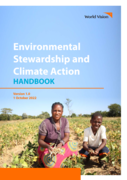
Climate change presents the single biggest threat to human development, and its widespread impacts disproportionately burden the poorest and most vulnerable households in fragile and rural developing contexts – particularly women and children.
Ac
...
cording to the Intergovernmental Panel on Climate Change’s (IPCC) latest report, ‘between 2010 and 2020, droughts, floods and storms killed 15 times as many people in highly vulnerable countries, particularly in Africa — which is responsible for less than 3 percent of global emissions – than in the wealthiest countries’.
Recognising environmental degradation and climate change are key accelerators of extreme child vulnerability, World Vision (WV) approved the Environmental Stewardship Management Policy (‘the Policy’) and Guidelines (‘the Guidelines’) in 2021.
To support the implementation of the Policy and Guidelines, WV has developed this Environmental Stewardship and Climate Action Handbook (‘the Handbook’) to help offices across the WV Partnership implement best practice environmental management strategies both in the field and in our operations and facilities.
Integrating environmental stewardship and climate action into all our work – whether that be in our Area Programmes, grant projects, responses to disasters or advocacy – is critical to achieving WV’s strategy.
As a Christian organisation we are compelled to follow the ways of Jesus Christ, calling us to care for the ‘least of these’ (Matthew 25:40) – the vulnerable children who are disproportionately impacted by climate change. Our response to the degradation of the environment is not motivated by political expediency or funding – but because we are called to steward God’s creation (Genesis 1:28).
more
Infertility is a disease of the male or female reproductive system defined by the failure to achieve a pregnancy after 12 months or more of regular unprotected sexual intercourse. Understanding the magnitude of infertility is critical for developing
...
appropriate interventions, for monitoring access to quality fertility care, and for mitigating risk factors for and consequences of infertility.
The objective of this report is to provide estimates of the global and regional prevalence of infertility by analyzing all relevant and representative studies from 1990 to 2021, taking into account different study approaches. This report also provides insight into how the estimation of infertility prevalence can be improved to obtain more reliable and actionable data. These estimates improve the understanding of the burden of infertility, and provide a basis for appropriate policies and services to achieve universal access to fertility care for all.
more
Global growth is projected to slow significantly amid high inflation, tight monetary policy, and more restrictive credit conditions. The possibility of more widespread bank turmoil and tighter monetary policy could result in even weaker global growth and lead to financial dislocations in the most vu
...
lnerable emerging market and developing economies (EMDEs). Comprehensive policy action is needed to foster macroeconomic and financial stability. Among many EMDEs, and especially in low-income countries, bolstering fiscal sustainability will require generating higher revenues, making spending more efficient, and improving debt management practices. Continued international cooperation is also necessary to tackle climate change, support populations affected by crises and hunger, and provide debt relief where needed.
more
WHO has published the first-ever guidance on the clinical management of diphtheria. The only previously available guidance was an operational protocol. The new guidance followed the rigorous process for developing guidance at WHO.
It addresses th
...
e use of Diphtheria Antitoxin (DAT) in the treatment of diphtheria. There is a worldwide shortage of DAT and evidence based recommendations on the use of DAT were requested by many Member States.
The guidance also includes new recommendations on antibiotics. In patients with suspected or confirmed diphtheria, WHO recommends using macrolide antibiotics (azithromycin, erythromycin) rather than penicillin antibiotics.
This clinical practice guideline has been rapidly developed recognizing the global increase in diphtheria outbreaks. Outbreaks of diphtheria in Nigeria, Guinea and neighbouring countries in 2023 have highlighted the urgent need for evidence-based clinical practice guidelines for the treatment of diphtheria. Given the sporadic nature of outbreaks, many clinicians in the affected regions have never managed acute diphtheria and its related complications. Diphtheria remains a neglected disease and vaccination is the top priority. At the same time, for patients with diphtheria, access to antibiotics, DAT and supportive care can be lifesaving.
more

Rwanda’s national health sector is focused on the equitable delivery of high-quality health services. The Government of Rwanda (GoR) recognizes that developing human resources in the health sector is a critical factor to the well-being of the popu
...
lation. Development of the health workforce has been guided by the Human Resources for Health (HRH) Programme (2012-2019) and its successor, the National Strategy for Health Professions Development (NSHPD) (2020-2030). Rwanda has made significant progress in enhancing its skilled health workforce, with notable improvements in the health professional-to-population ratio over the past decade, attaining 13.4 doctors, nurses, midwives, pharmacists, and dentists per 10 000 people in 2022. Despite such progress, health workforce levels remain below national and global recommendations.
more

Malaria in pregnancy is a significant health problem in malaria-endemic areas. It not only causes substantial childhood morbidity and mortality but also increases the risks of adverse events for pregnant women and their developing fetuses. Most of t
...
he burden in these areas is due to infection with Plasmodium falciparum. Artemisinin-based combination therapy (ACT) has been recommended as first-line treatment for uncomplicated P. falciparum malaria in all populations, including pregnant women in their second and third trimesters, since 2006. However, for women in their first trimester of pregnancy, WHO recommended as first-line treatment a combination of quinine and clindamycin.
Based on a review of the evidence conducted in 2022, WHO now recommends artemether–lumefantrine, the ACT with the most human safety data available, as the preferred treatment for uncomplicated P. falciparum malaria in the first trimester of pregnancy. This document presents all relevant evidence on the effects and safety in early pregnancy of artemisinins and partner medicines used in ACTs from both studies in experimental animals and observational studies in humans.
more

This document suggests mechanisms that countries can use to respond to emergencies and disasters taking a whole of society and whole of government approach ensuring multisectoral engagement for health actions. It helps to run a participatory process of dev
...
eloping the national health response operations plan that brings together all relevant sectors, public health experts, civil society and the international community under government leadership and facilitate ownership, adoption, testing through simulation and finally successful implementation in responding to emergencies and disasters from multiple hazards.
more
This Urban Flood Risk Handbook: Assessing Risk and Identifying Interventions is a roadmap for conducting an urban flood risk assessment in any city in the world. It includes practical guidance for a flood risk assessment project, covering the key ha
...
zard and risk modeling stages as well as the evaluation of different flood-mitigating infrastructure intervention options and management of the project. The Handbook has been developed based on lessons learned from implementing urban flood risk assessments around the world in a diversity of contexts. It is intended for a wide variety of practitioners: project managers, city officials, and anyone else interested in conducting a strategic study of a city's flood risk and developing potential solutions for it. We expect this Handbook tocontribute to the understanding of urban flood risk, make this specialized knowledge more accessible to a wider public, and support the process of building cities that are not only capable of withstanding floods but also provide safe, inclusive, and sustainable environments for all their residents.
more
Over the past few decades and throughout the world, the landscape of adolescent health has been altered dramatically. Currently, the total population of adolescents between the ages of 10 and 19 years is 1.2 billion – the largest generation of you
...
ng people in history. The vast majority of adolescents (85%) live in developing countries where, in many areas, they make up more than a third of the population. They face a variety of different experiences given the diverse political, economic, social and cultural realities within their communities. Although, for many, adolescence is a period of learning and building confidence in a nurturing environment, for others it is a period of heightened risk and complex challenges.
more
WHO e-Pocketbook for hospital care for children
recommended
The WHO e-Pocketbook provides up-to-date, evidence-based clinical guidelines for children requiring hospital care. It is the electronic version of the widely used Pocket book of Hospital Care for Children (Blue Pocketbook). Designed for doctors, nurses and other health workers responsible for the ca
...
re of children, these guidelines focus on the management of major causes of childhood mortality in developing countries. Please download your free application for your iPhone. The Android platform will be available soon.
more
Psoriasis, which can involve the skin, nails and joints, is a chronic, painful, disfiguring and disabling noncommunicable disease (NCD) for which there is no cure. It negatively impacts on quality of life. Some of those who suffer from the disease develop chronic, inflammatory arthritis (psoriatic a
...
rthritis) that leads to joint deformations and disability. People with psoriasis are also reported to be at increased risk of developing other serious clinical conditions such as cardiovascular and other NCDs
more
Health care-associated infections (HAI) are one of the most common adverse events in care delivery and a major public health problem with an impact on morbidity, mortality and quality of life. At any one time, up to 7% of patients in developed and 10% in d
...
eveloping countries will acquire at least one HAI. These infections also present a significant economic burden at the societal level. However, a large percentage are preventable through effective infection prevention and control (IPC) measures.
more
What is good ear care? Should we clean our ears? How can noise affect our ears?
Many myths and misconceptions are associated with ear problems and hearing loss. 360 million persons across the world have disabling hearing loss. About half of all the
...
se cases are easily prevented or treated. Following good ear care practices, such as reducing exposure to noise, avoiding insertion of objects into the ears can prevent many from developing ear and hearing problems.
This brief animation features a young girl talking about her experience of ear pain. It depicts common home remedies and behaviour that can damage the ears, leading to hearing loss.
more
The purpose of the WHO Manual for the Public Health Management of Chemical Incidents is to provide a comprehensive overview of the principles and roles of public health in the management of chemical incidents and emergencies. While this information is provided for each phase of the emergency cycle,
...
including prevention, planning and preparedness, detection and alert, response and recovery, it is recognized that the management of chemical incidents and emergencies requires a multi-disciplinary and multi-sectoral approach and that the health sector may play an influencing, complementary or a leadership role at various stages of the management process. The target audience includes public health and environmental professionals, as well as any other person involved in the management of chemical incidents.
WHO and all those involved in the development of the publication hope that the publication will have wide application, especially in developing countries and countries with economies in transition, and that in the future the health sector will be better prepared to acknowledge and fulfill its roles and responsibilities in the management of chemical incidents and emergencies, thereby contributing to the prevention and mitigation of their health consequences.
The publication is also available in French: http://apps.who.int/iris/bitstream/handle/10665/246117/9789242598148-fre.pdf?sequence=1 and in Spanish: http://apps.who.int/iris/bitstream/handle/10665/246118/9789243598147-spa.pdf?sequence=1
more

Replacement of Annex 2 of WHO Technical Report Series, No. 964
...
developing countries and to improve the regulatory control over the manufacture, import and sale of antivenoms.>
more
more

WHO Regional Publications, Western Pacific Series No. 23
Reports the findings and recommendations of a working group convened to prepare guidelines for the use of herbal medicines in Western Pacific countries. Addressed to national health authorities, the report responds to the widespread use o ... f herbal medicine in this part of the world and the corresponding need for mechanisms to ensure that these products are safe and effective, yet remain broadly accessible. With this need in mind, the report sets out a comprehensive framework for developing national policies designed to control the safety, efficacy, and quality of herbal medicines, manufacturing practices, product registration, and labelling, marketing, and trade. more
Reports the findings and recommendations of a working group convened to prepare guidelines for the use of herbal medicines in Western Pacific countries. Addressed to national health authorities, the report responds to the widespread use o ... f herbal medicine in this part of the world and the corresponding need for mechanisms to ensure that these products are safe and effective, yet remain broadly accessible. With this need in mind, the report sets out a comprehensive framework for developing national policies designed to control the safety, efficacy, and quality of herbal medicines, manufacturing practices, product registration, and labelling, marketing, and trade. more
Oral diseases are among the most common chronic diseases worldwide and constitute a major public health problem due to the huge health and economic burden on individuals, families, societies, and health care systems. The recent emphasis on the role of determinants of health, common risk factors and
...
their recognition in the context of the growing burden of noncommunicable diseases (NCDs) provides good opportunities for integrating oral health into NCD prevention and control efforts. This Strategy for oral health in South-East Asia, 2013-2020, presents guidance to Member States in developing national policy and action plans to improve oral health within existing socioeconomic, cultural, political and health system contexts. It expresses the consensus on major strategies in the area of oral health promotion as well as oral disease prevention and control for the South-East Asia Region aiming at reducing the health and socioeconomic burden resulting from oral diseases, reducing oral health inequities, and improving the quality of life of the population.
more
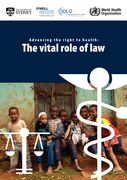
This report aims to raise awareness about the role that the reform of public health laws can play in advancing the right to health and in creating the conditions for people to live healthy lives. By encouraging a better understanding of how public health law can be used to improve the health of the
...
population, the report aims to encourage and assist governments to reform their public health laws in order to advance the right to health.
The report highlights important issues that may arise during the process of public health law reform. It provides guidance about issues and requirements to be addressed during the process of developing public health laws. It also includes case studies and examples of legislation from a variety of countries to illustrate effective law reform practices and some features of effective public health legislation. more
The report highlights important issues that may arise during the process of public health law reform. It provides guidance about issues and requirements to be addressed during the process of developing public health laws. It also includes case studies and examples of legislation from a variety of countries to illustrate effective law reform practices and some features of effective public health legislation. more
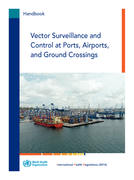
The purpose of this handbook is to provide guidance to Member States on the practical aspects of maintaining sanitary standards at international borders at ports, airports, and ground crossings (points of entry) as set out in the International Health Regulations (2005). It provides technical advice
...
for developing a comprehensive programme for systematic monitoring of disease vectors and integrated vector control at points of entry. This includes standardizing procedures at points of entry and ensuring a sufficient monitoring and response capacity with the necessary infrastructure for surveillance and control of vectors. In addition, this handbook to serves as reference material for port health officers, regulators, port operators, and other competent authorities in charge of implementing the IHR (2005) at points of entry and on conveyances.
more

COP24 special report: health and climate change
recommended
Exposure to air pollution causes 7 million deaths worldwide every year and costs an estimated US$ 5.11 trillion in welfare losses globally. In the 15 countries that emit the most greenhouse gas emissions, the health impacts of air pollution are estimated to cost more than 4% of their GDP. Actions to
...
meet the Paris goals would cost around 1% of global GDP. The report provides recommendations for governments on how to maximize the health benefits of tackling climate change and avoid the worst health impacts of this global challenge.
It describes how countries around the world are now taking action to protect lives from the impacts of climate change – but that the scale of support remains woefully inadequate, particularly for the small island developing states, and least developed countries. Only approximately 0.5% of multilateral climate funds dispersed for climate change adaptation have been allocated to health projects
more
