
Filter
293
Filtered Results: 293
Text search:
Logistics
Cluster,
WFP
Featured
Recommendations
22
New Publications
128
Language
Document type
No document type
175
Strategic & Response Plan
35
Studies & Reports
27
Situation Updates
20
Guidelines
17
Manuals
14
Training Material
1
Dashboards/Maps
1
Infographics
1
Online Courses
1
Fact sheets
1
Countries / Regions
Sierra Leone
21
South Sudan
17
Nepal
16
Mozambique
16
Myanmar / Burma
14
Congo, Democratic Republic of
12
Liberia
10
Global
9
Syria
8
Haiti
7
Kenya
6
Nigeria
6
Malawi
6
Zimbabwe
6
Philippines
6
Yemen
6
Ethiopia
6
Guinea
5
Bangladesh
5
Uganda
5
Central African Republic
5
Ukraine
3
Rwanda
3
Africa
3
Tanzania
3
West and Central Africa
3
Sudan
3
Pakistan
3
Lesotho
2
Ghana
2
Niger
2
Afghanistan
2
Burundi
2
East and Southern Africa
2
Papua New Guinea
2
Somalia
2
Togo
1
Iran
1
Burkina Faso
1
Peru
1
Asia
1
Venezuela
1
Djibouti
1
Namibia
1
Palestine
1
Bhutan
1
Botswana
1
Zambia
1
Ecuador
1
Madagascar
1
Eswatini/ Swaziland
1
Authors & Publishers
Publication Years
Category
Countries
138
Key Resources
44
Women & Child Health
8
Public Health
7
Capacity Building
5
Clinical Guidelines
4
Toolboxes
Ebola & Marburg
37
COVID-19
36
Natural Hazards
35
Conflict
31
Rapid Response
11
2.0 Rapid Response
11
HIV
8
Planetary Health
7
Refugee
3
Disability
3
TB
2
Caregiver
2
Health Financing Toolbox
2
Zika
2
Polio
2
Typhoon
2
South Sudan
1
Cholera
1
NTDs
1
New funding requirements: CHF 2.8 billion IFRC-wide of which CHF 670 million is channelled through the IFRC Emergency Appeal in support of National Societies
The 2021 COVID-19 Strategic Preparedness and Response Plan (SPRP) for AFR serves as a regional guide for a holistic public health response to COVID‑19 at regional, national and sub-national levels. The 2021
SPRP:
1. Builds upon the lessons learnt from the implementation of the 2020 SPRP and outl...

A wide range of potential enablers and barriers were identified for influencing progress for the scale-up of severe wasting services within national health systems. Findings were categorised according to the six pillars of WHO’s health system strengthening framework.

On 4 September 2025, the Ministry of Health of the Democratic Republic of the Congo (DRC) declared an outbreak of Ebola Virus Disease (EVD) in Kasai Province, following confirmation of Zaire ebolavirus by the National Institute of Biomedical Research (INRB) in Bulape and Mweka Health Zones. As of 19...
Interim Guidcance March 2020
People affected by humanitarian crises, particularly those displaced and/or living in camps and camp-like settings, are often faced with specific challenges and vulnerabilities that must be taken into consideration when planning for readiness and response operations for...
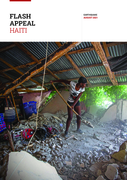
Strategical plan
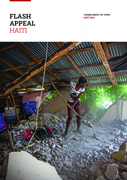
Plan strategique
PLoS ONE 7(12): e52986. doi:10.1371/journal.pone.0052986. Opern Access please download from the website
